REVIEW · AMMAN
Amman Heritage Tour: Street Food, Local Culture & Art
Book on GetYourGuide →Operated by Jordan Venturers · Bookable on GetYourGuide
In Amman, street food and art do the talking. I like how this tour mixes downtown tastings with real local conversation, and I also like the music-and-art angle that gives you something to remember beyond photos. You get an educated local guide leading a small-group walk through parts of Al-Balad and nearby neighborhoods, with time for questions and for little side talks that make the city feel personal.
One thing to plan for: you’ll be walking, including stairs and tight old-street corners. If you’re not used to uneven pavement or lots of foot time, wear supportive shoes and build in a slower pace for the day.
This is the kind of outing that works especially well when you want context fast: how life works here, what people value, and how old Amman connects to the modern one. Based on past guests’ experiences with guides such as Osama, Seif, and Hussein, the vibe is friendly, talk-ready, and guided with care in English (plus Arabic and German support).
In This Review
- Key highlights at a glance
- Why this Amman walk feels different from a standard sightseeing loop
- Meeting point, pickup timing, and how the walking day is paced
- Roman Theatre photo stop: the skyline lesson you’ll actually remember
- The food market stop: tastings become a map of everyday Amman
- Grand Husseini Mosque: respectful context, and the entry ticket detail
- Arts-and-crafts market time and a Levant playlist souvenir
- Price and value: $57 for guidance, transport, and included tastings
- What to ask your guide so the walk clicks (instead of feeling like trivia)
- Who should book this tour (and who might want something else)
- Practical packing and on-the-ground comfort tips
- Should you book Amman Heritage Tour: Street Food, Local Culture & Art?
- FAQ
- How long is the Amman Heritage Tour?
- What does the tour cost?
- Does it include hotel pickup and drop-off?
- What stops are included during the walk?
- Are mosque entry tickets included?
- What food and drinks are included?
- What languages are available for the guide?
Key highlights at a glance
- Hotel pickup and drop-off keeps you from spending your morning guessing transport and meeting points.
- Independent and family-run tastings focus on how locals actually snack, not staged tourist stops.
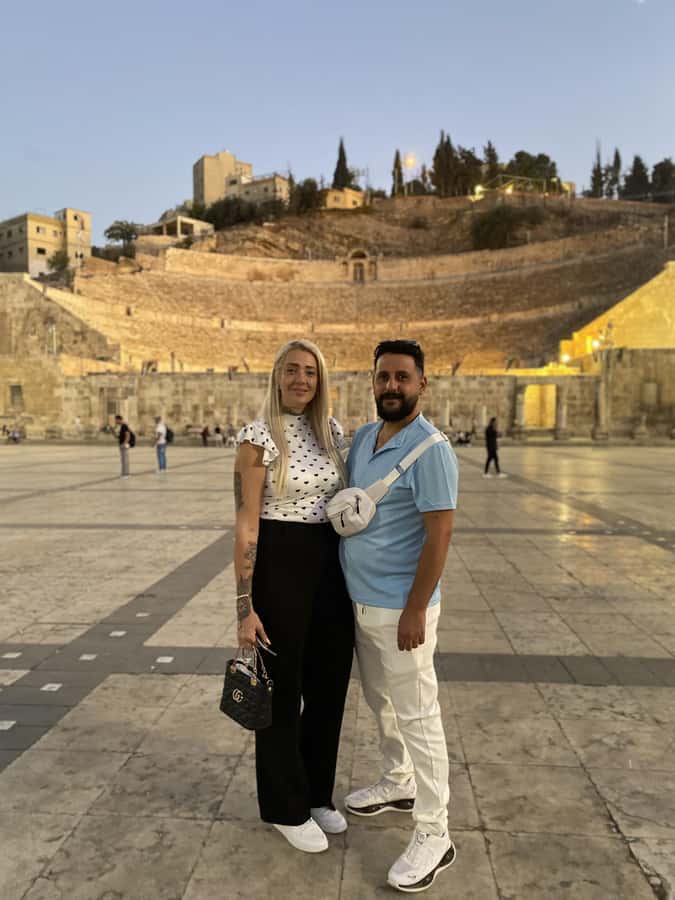
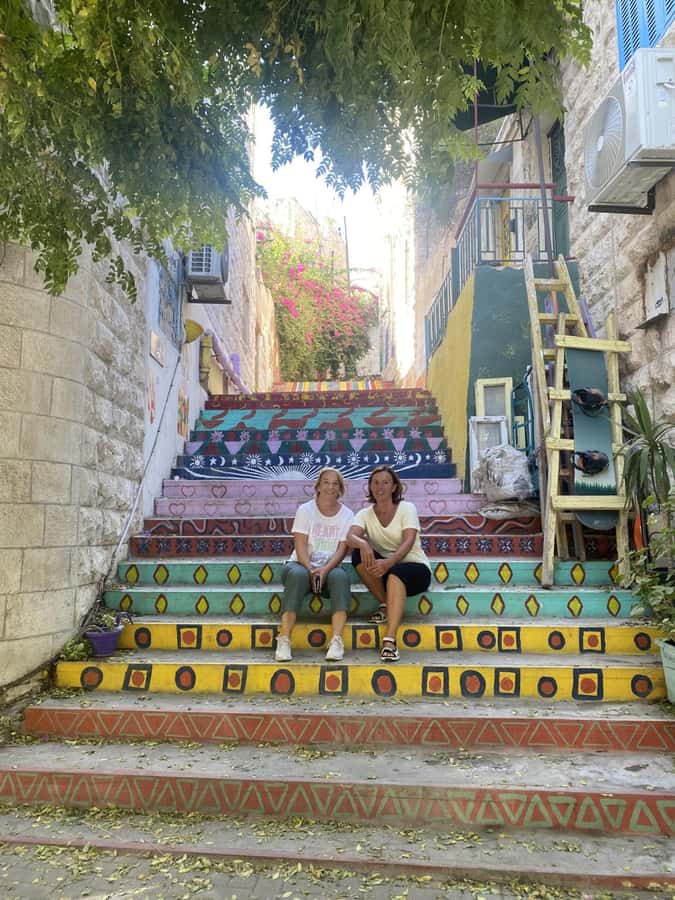
- Roman Theatre + neighborhood stairways give you skyline views and a sense of how the city climbs.
- Grand Husseini Mosque guidance adds context; just note the entry ticket cost isn’t included.
- Arts-and-crafts market time plus a farewell Spotify-style Levant playlist you can take home digitally.
- Solo-traveler friendly without feeling awkward, because the guide conversation does a lot of the connecting.
Why this Amman walk feels different from a standard sightseeing loop
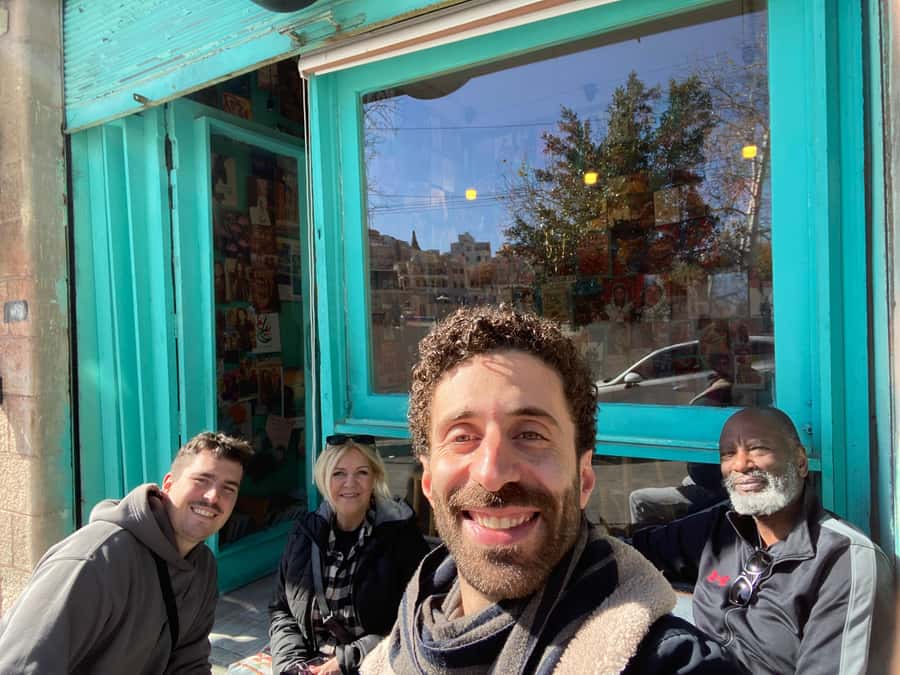
Most city tours try to tick boxes. This one tries to make sense of the place you’re standing in, using food, art, and social life as the thread.
You start with a real-world Amman feel: local snacks and drinks from small shops, conversations that connect religion and daily routines, and art spaces that go beyond what you’ll usually see on big bus-style routes. It’s not just what you see, it’s the meaning behind it—why people gather, how neighborhoods shape identity, and how the city’s past still shows up in everyday habits.
And since it’s private group format, you should expect the guide to adapt to your interests and your pace—especially if you’re an art lover or a history fan who wants both without overload.
Meeting point, pickup timing, and how the walking day is paced
The tour uses hotel pickup and drop-off, so you’re not navigating streets with a map app while jet-lagged and hungry. That convenience matters in Amman, where the best streets are sometimes reached by short walks and stairways rather than “easy-drive” routes.
The whole outing runs 150 to 210 minutes. That range usually means your guide is adjusting to the group’s energy, the timing around viewpoints and markets, and how long you spend chatting. If you’re the type who asks a lot of questions (and if you’re in Jordan, you probably are), you’ll likely appreciate that flexibility.
Bring what you’d bring for a warm walking city day: comfortable shoes, plus sunglasses and a hat. Also bring your passport or ID card, since you may be asked for it during certain stops.
Roman Theatre photo stop: the skyline lesson you’ll actually remember
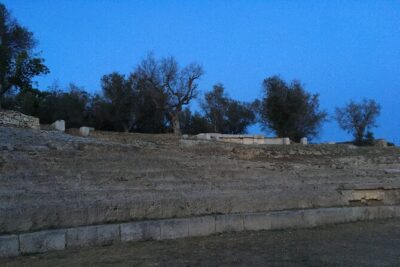
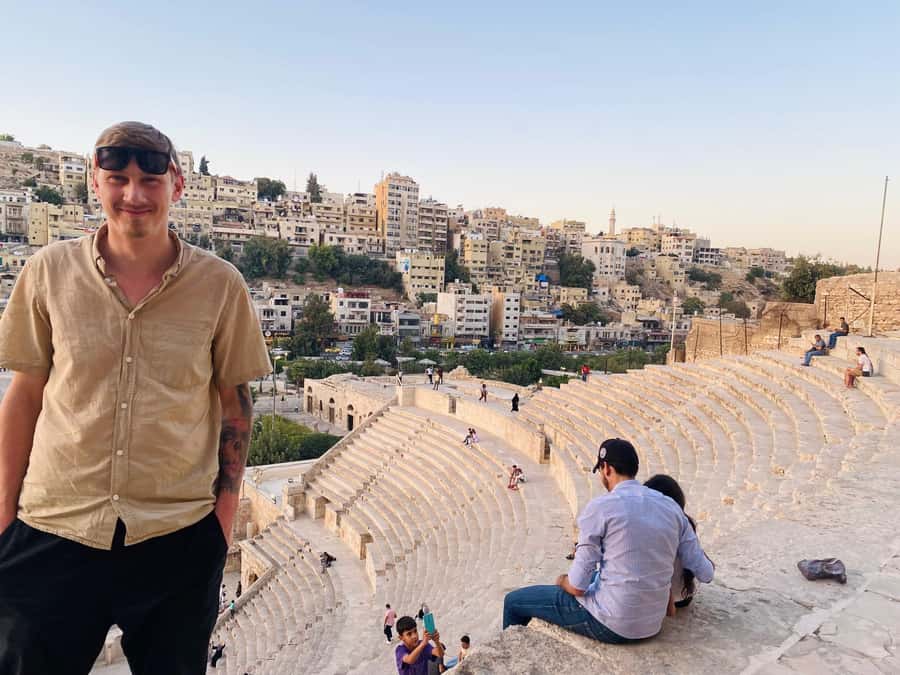
The first major stop is the Roman Theatre in Amman. You’ll get a photo stop and sightseeing time, which is exactly right here—because the value isn’t only the ancient structure, it’s the view and the way the city sits around it.
From the theatre area, you can see how Amman’s hills and neighborhoods connect. The guide usually frames it with context: how older layers of the city influenced where people built, traveled, and gathered. Even if you’ve visited Roman sites before, the takeaway here is different because you’re looking at a living city, not an abandoned one.
Timing can be a highlight too. This stop often lines up with scenic light—so you might get those golden-hour photos without rushing. Just remember: it’s outdoors, so you’ll want sun protection even if you start in cooler morning air.
The food market stop: tastings become a map of everyday Amman
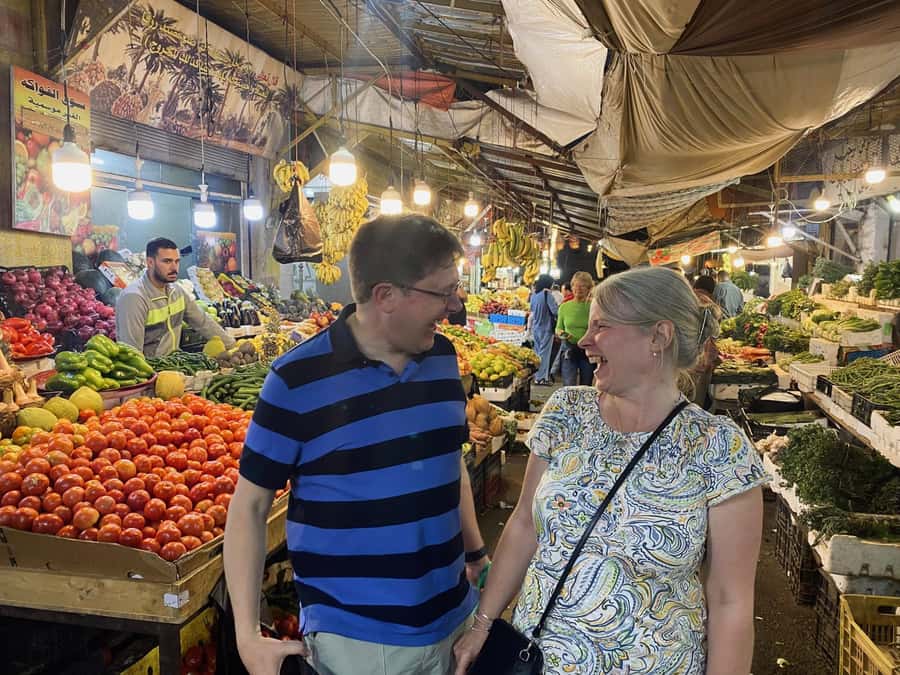
One of the best reasons to book this tour is the food. Not the “try this famous thing” version—more like the snack culture Amman runs on.
You’ll spend about one hour at a food market stop, described as a “secret stop” feel. Expect independent or family-run shops and the kind of local ordering that makes you feel less like a tourist and more like a person stopping for lunch. Included tastings cover traditional snacks and local drink tastings, which helps you understand flavors quickly without paying for a full meal.
A smart way to use this hour: treat the tastings like orientation. Try things your guide recommends, then ask what locals order for different moments—morning, late afternoon, after work. That’s when the tour becomes more than food. It turns into a practical guide for what to seek (and what to skip) when you’re on your own later.
One possible drawback: if you’re a picky eater or have food restrictions, you’ll want to communicate clearly before the tastings start. The tour is built around food inclusions, so it works best when you share your limits early so the guide can steer you toward safe, satisfying options.
Grand Husseini Mosque: respectful context, and the entry ticket detail
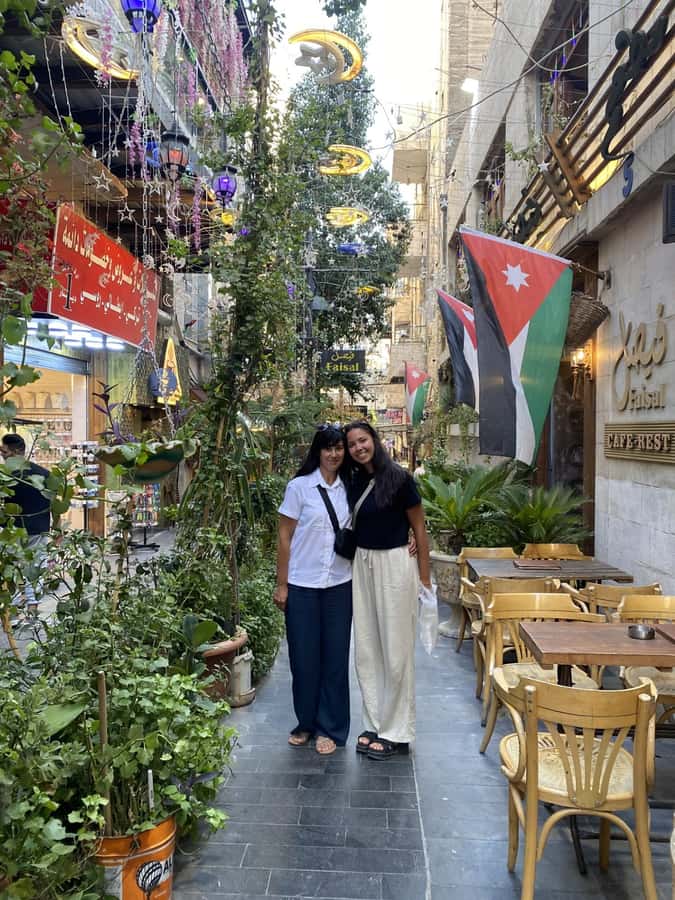
The tour includes a guided visit to the Grand Husseini Mosque, with about 30 minutes for sightseeing. This is where you get cultural context in plain language: what people see as important, how the space functions socially, and what to notice beyond architecture.
There’s one practical detail you should plan for: mosque entry tickets aren’t included (listed as 2 JOD per person for the mosque option mentioned). If you hate surprise fees, factor this into your budget ahead of time so you can focus on the visit.
What I like about including this stop is that it’s not just a look-and-leave photo moment. With an English-speaking guide—often people like Osama, Seif, or Hussein in past experiences—you’ll have a chance to ask questions about religious life and daily norms. If you’re the type who wants to understand the “why” behind what you’re seeing, this part tends to pay off fast.
Dress and comfort matter here as they do anywhere religious. The tour doesn’t list a specific dress code, so I’ll keep it practical: bring something respectful and expect you’ll spend time standing and walking between spaces.
Arts-and-crafts market time and a Levant playlist souvenir
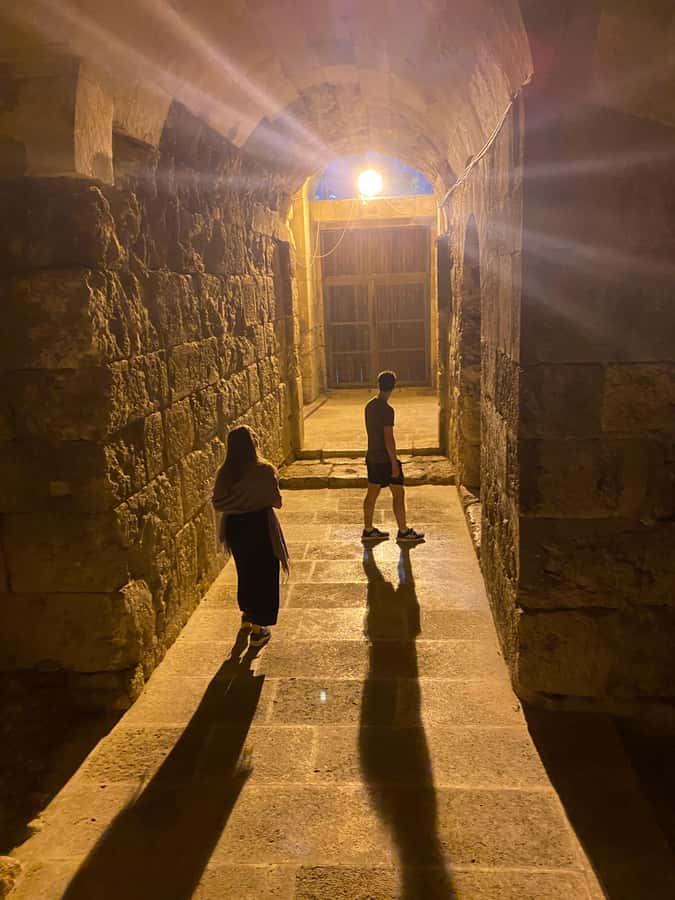
After the mosque, you’ll head to an arts & crafts market visit (about 45 minutes). This is a nice balance to the day: you move from public worship space to creative production and local design.
This stop can be especially meaningful if you like art, because it isn’t only about souvenirs. The guide’s job is to point out what you’re actually looking at: craft choices, materials, and the kinds of designs that reflect the city’s influences. If you’re buying something, you’ll be more confident—because you’ll understand what you’re paying for.
And then there’s the music. The tour includes a goodbye gift concept: ask about a complimentary digital souvenir—a pre-made Spotify playlist with sounds of the Levant and beyond. It’s a small thing, but it works. You’ll associate songs with streets you walked, which makes the memory stick longer than photos.
Tip: if music is your thing, ask your guide what they personally listen to while commuting or relaxing. You’ll often get a more honest recommendation than a generic “tour playlist.”
Price and value: $57 for guidance, transport, and included tastings
At $57 per person, this isn’t a “cheap snack walk,” and it also isn’t a full-day private vehicle tour. The value is in the structure: hotel pickup/drop-off plus included food and drink samplings, delivered with an English-speaking local guide.
Here’s how I think about value on tours like this:
- Transportation convenience saves you time and stress, especially with city navigation and meeting points.
- Tastings included reduce decision fatigue. You try multiple things without planning a whole food itinerary.
- Context-focused guiding means you’re not just consuming places; you’re learning how they fit together.
The only extra cost you should expect is the mosque entry ticket mentioned as not included. If you’re budgeting tightly, that small add-on is worth accounting for.
The time range—150 to 210 minutes—is also fair for a city orientation. Long enough to cover several distinct “layers” of Amman, short enough that you’re not stuck in transit all day.
What to ask your guide so the walk clicks (instead of feeling like trivia)
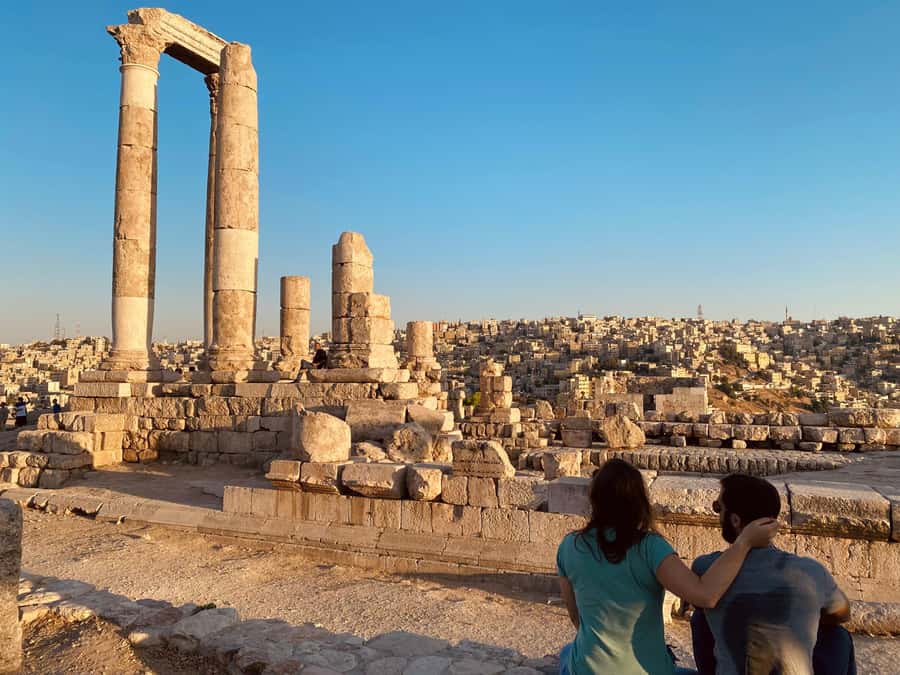
The tour is designed around story and conversation. To get the most out of it, I’d come ready with questions that match your interests.
Here are a few good prompts, and they fit the tour’s “living city” style:
- Ask how daily life in the city is shaped by neighborhood habits you’ll be walking through.
- Ask what people usually choose for snacks and drinks—and when they eat them.
- Ask what local artists or art spaces are trying to express right now, not just what the artworks look like.
- Ask for a few suggestions for your remaining days based on your budget and tastes. This tour is built to point you toward where to go next.
In the experiences shared by guests, guides like Osama, Seif, and Hussein are described as open to questions and comfortable shifting pace based on interests. That’s the right mindset: if you ask, you’ll usually get real answers, not a rehearsed script.
Who should book this tour (and who might want something else)
This tour fits best if you want a “first-week in Amman” overview. It’s great for:
- Solo travelers who want conversation without having to force it.
- Food lovers who prefer real local snack stops over set-menu meals.
- Art and culture fans who want the city through galleries, murals, and markets.
- Travelers who like history but don’t want a lecture. You’ll get context as you walk.
You might consider another option if:
- You’re extremely sensitive to walking time or stairs. Secret corners and stairs are part of the route style, even if you’re not told about each step.
- You want a strict, monument-only checklist. This tour is more social and story-based than “stand here, read plaque, move on.”
Practical packing and on-the-ground comfort tips
This is a walking-and-stopping experience, so plan like you’re spending half a day outside.
Bring:
- Comfortable shoes (seriously)
- Passport or ID card
- Sunglasses
- Hat
What to wear: aim for something that’s easy to move in. For mosque time, you’ll likely appreciate clothing that feels respectful without being a hassle.
Also, eat light before pickup if you have a sensitive stomach. Tastings are included, and while the tour is structured around small samples, you still want to feel good enough to enjoy later neighborhoods.
Should you book Amman Heritage Tour: Street Food, Local Culture & Art?
If you want Amman with context—through street food, neighborhood life, a mosque visit with explanation, and an art-focused finish—this tour is a strong choice. The pickup and drop-off removes friction, and the tastings are the kind you can build on after the tour when you’re choosing where to eat.
I’d book it if you’re the type who likes asking questions and learning how people live, not just what’s “worth seeing.” The guide factor seems to matter here, with multiple guests praising guides by name such as Osama, Seif, and Hussein for friendliness and strong communication in English.
Skip it only if walking and stairs would be a deal-breaker for your comfort, or if you prefer monument-heavy routes with longer stops at major sites.
FAQ
How long is the Amman Heritage Tour?
The tour lasts about 150 to 210 minutes. The exact timing can vary based on the day and your group.
What does the tour cost?
The price is listed at $57 per person.
Does it include hotel pickup and drop-off?
Yes. Hotel pickup and drop-off are included, and a driver arranges pickup with you.
What stops are included during the walk?
You’ll visit the Roman Theatre, a food market stop, the Grand Husseini Mosque, and an arts & crafts market.
Are mosque entry tickets included?
No. Mosque entry tickets are not included, and the listed cost is 2 JOD per person for the mosque option mentioned.
What food and drinks are included?
The tour includes complimentary traditional tastings, plus local drink tastings at independent or family-run shops.
What languages are available for the guide?
The host or greeter is listed in Arabic, English, and German.