REVIEW · KINDERDIJK
Rotterdam: Kinderdijk UNESCO World Heritage Entry Ticket
Book on GetYourGuide →Operated by UNESCO Werelderfgoed Kinderdijk · Bookable on GetYourGuide
Windmills and reclaimed land in one tidy day. I love the chance to step inside Blokweer Museum Mill and Nederwaard Museum Mill, seeing how Dutch water control worked in real life. I also like the included boat ride that lets you read the whole UNESCO site in context, without guessing.
Plan around weather: the tour boats may not sail, and the last departure leaves only half an hour before closing. If you’re going for photos, that timing matters, and the boat can have limited seating.
In This Review
- Key highlights you can’t miss
- Rotterdam’s easiest UNESCO detour: Kinderdijk’s windmills and polder logic
- What your Rotterdam-area ticket includes (and what it doesn’t)
- Plan your day: opening hours, the last boat, and why weather changes everything
- Arriving at Kinderdijk: film, exhibits, and getting your audio guide working
- Museum mills inside Blokweer and Nederwaard: why entry matters
- The pumping station engine room: where the system becomes real
- The boat trip through the World Heritage Site: best views, limited seating, smart timing
- Walking the village and polder trails: pace yourself and plan for sun
- Getting there from Rotterdam: waterbus-style convenience (and bike-friendly options)
- Price and value: is $25 a good deal for Kinderdijk?
- Who should book this Kinderdijk windmill ticket?
- Should you book this Rotterdam to Kinderdijk ticket?
- FAQ
- What does the Rotterdam: Kinderdijk UNESCO ticket include?
- Is transport from Rotterdam included?
- Do I need to pay for food and drinks?
- How long is the ticket valid?
- What languages are available for the audio guide?
- What happens if the weather is bad?
- What are the opening hours?
- Is this experience wheelchair accessible?
Key highlights you can’t miss
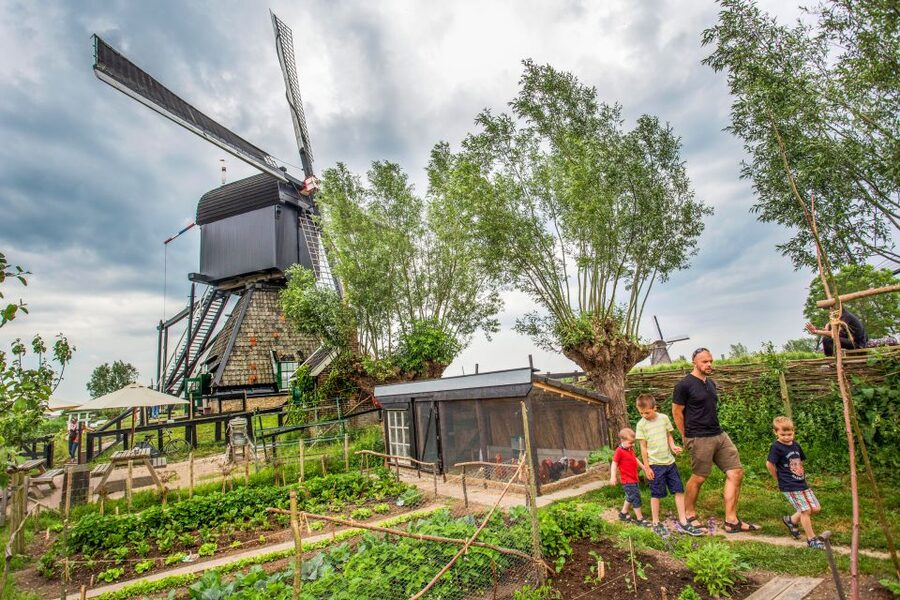
- Two museum mills included: Blokweer and Nederwaard, with entry to the inside parts
- Pumping station engine room: understand the machinery behind Dutch land reclamation
- Boat trip through the World Heritage Site: glide past the windmills and polder waters
- Audio guide in multiple languages: use the online guide for your own pace
- Family-friendly extras: a kids scavenger hunt plus a film and exhibits
Rotterdam’s easiest UNESCO detour: Kinderdijk’s windmills and polder logic
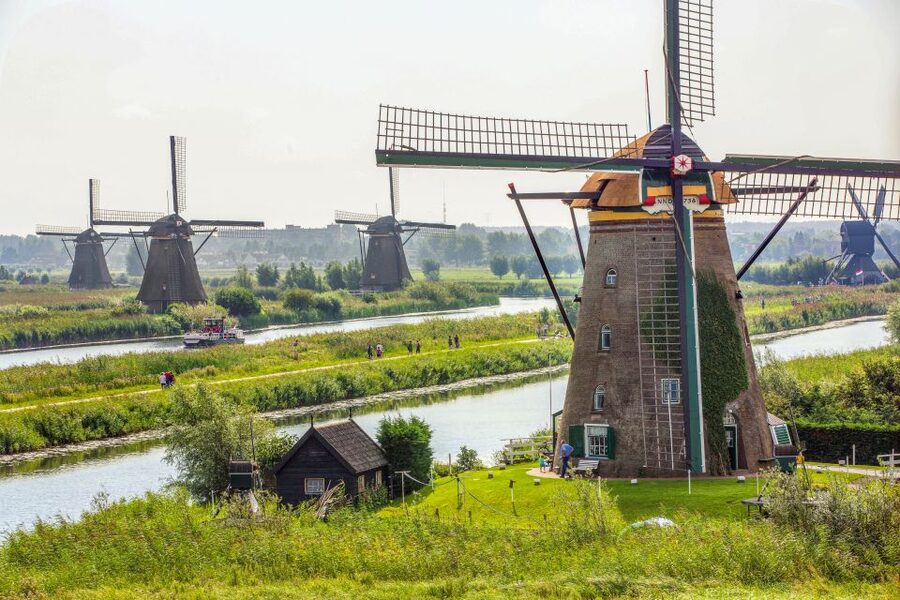
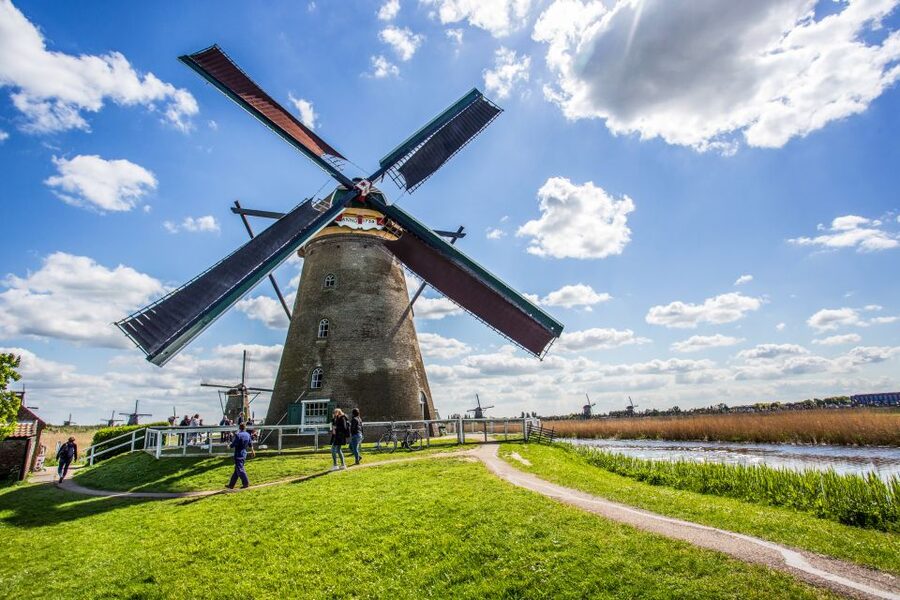
Kinderdijk is one of those places where the Dutch do what they do best: turn a challenge into an engineering story you can walk through. You’re not only looking at windmills as scenery. You’re seeing how people drained, protected, and managed land for centuries in a place that still depends on the same kind of thinking today.
Two things made me feel confident planning this day. First, the ticket gets you into two museum mills, not just the outside viewpoints. You can better understand why these structures matter when you’re standing inside them and learning how they function. Second, the included boat ride through the World Heritage Site gives you a different angle—polders, waterlines, and windmill placement all become easier to interpret when you’re floating past.
The main thing to keep in mind is weather and timing. The boats may not sail in bad weather, and the final boat leaves about 30 minutes before closing. That doesn’t mean you should cancel. It just means you should build your day with some buffer.
What your Rotterdam-area ticket includes (and what it doesn’t)
This is an entry ticket with key built-in experiences, priced at about $25 per person for a 1-day visit. The included parts are the ones that do the heavy lifting in explaining the site:
- Entrance to Blokweer Museum Mill
- Entrance to Nederwaard Museum Mill
- Boat trip through the World Heritage Site
- Entrance to the pumping station engine room
- Informative film and exhibition
- Online audio tour guide (English, Dutch, French, Spanish, Italian, Chinese, German)
What’s not included is also useful to know up front: transport to Kinderdijk and food and drinks. In practice, that means you’ll want to plan your arrival and return on your own, then budget for a snack or lunch.
One more smart expectation: the experience is largely self-paced. You get the structured “must-sees” via your entrances and the boat. After that, you’re free to wander the village, follow trails, and take your time at the mills and exhibits.
Plan your day: opening hours, the last boat, and why weather changes everything
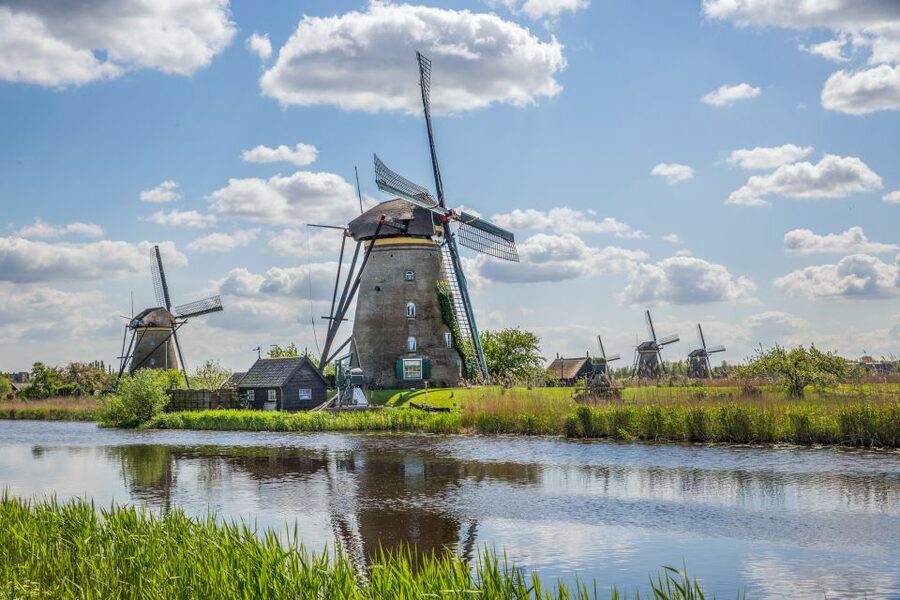
If you’re doing Kinderdijk as a day trip from Rotterdam, timing is everything. You have a single 1-day ticket window, and the site’s operating hours change by season:
- Until March 5: 10:30 a.m. to 4:00 p.m.
- March 6 to Nov 1: 9:00 a.m. to 5:30 p.m.
- Nov 2 to Dec 31: 10:30 a.m. to 4:00 p.m.
- Christmas Day: closed
The other timing rule: the last boat departs 30 minutes before closing. So if you want the boat ride, don’t treat it as optional. Build your day so you’re at the departure area with time to spare.
Weather is the wildcard. The tour boats may not sail due to bad conditions. When that happens, you can still enjoy the village walk and the museum mill entrances, but your “glide through the polders” plan may change. My advice: check conditions the morning of, and if the forecast looks shaky, aim for earlier arrivals so you’re less at the mercy of reschedules.
Arriving at Kinderdijk: film, exhibits, and getting your audio guide working
Before you start chasing windmills, set yourself up to understand what you’re seeing. Your ticket includes an informative film and exhibition, plus an online guide with audio tours in multiple languages.
A small but important practical tip: when you use the online audio guide, ask staff for the audio tour code if it isn’t automatically provided when you arrive. Once you have it, you can move at your pace—stop where you want, replay where you need, and skip what doesn’t catch your interest.
This is the right kind of setup for Kinderdijk. The mills aren’t random shapes on the horizon. They’re tools for a water-management system that makes sense only when you connect the dots: wind power drives pumping, pumped water changes the polder levels, and those levels protect farmland and homes.
Kids benefit too. There’s an interactive scavenger hunt, which turns the walk into something more like a game than a lesson. If you’re traveling with families, it helps keep energy up during the long stretches between areas.
Museum mills inside Blokweer and Nederwaard: why entry matters
The best reason to buy this ticket is simple: it gets you inside more than one working windmill experience. The included entrances are to two museum mills—Blokweer and Nederwaard.
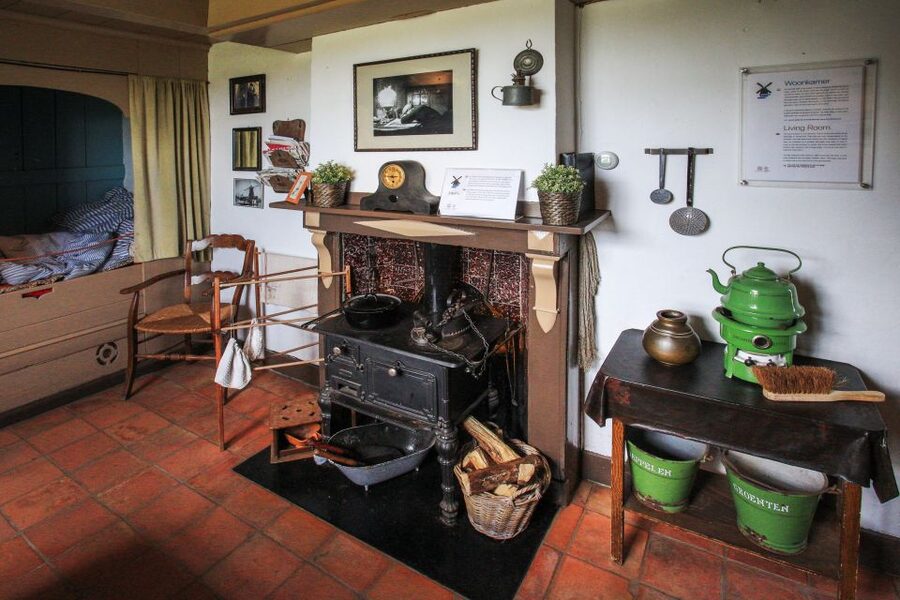
Outside, Kinderdijk looks like a famous windmill postcard. Inside, it becomes practical. You see how the spaces are arranged, how the mill supports the water-pumping process, and why the structures were designed the way they were. Multiple people note that it feels like time travel, because you’re not just reading panels. You’re walking through the physical “working world” of the mill.
What I find valuable is the way these inside visits complement the boat and the pumping station. If you do the day in a logical sequence—exhibits first, then mills, then pumping station and boat—you’ll understand the system as a whole. You’ll also notice details that are easy to miss when you’re only doing exterior viewpoints.
One possible drawback: walking and sightseeing takes time, and some stretches can offer limited shade. If you visit in warm weather, bring sun protection and water. Even the best windmill day can feel long if you get stuck in full sun with no breaks.
The pumping station engine room: where the system becomes real
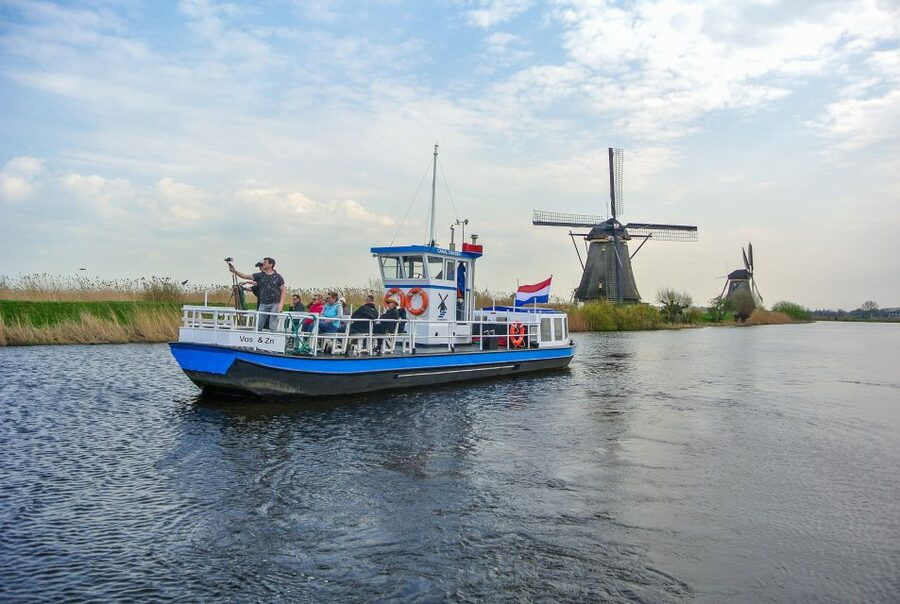
One of the most memorable stops is the pumping station engine room, included with your ticket. This is where the land-reclamation logic goes from historical story to mechanical reality.
Windmills are impressive, but they’re also part of a system. The engine room helps you understand what the wind was used to do: move water and keep reclaimed land usable and protected. It turns the windmill into a purpose-driven machine rather than a symbol.
I also like that this stop balances the experience. If you only wander mills and bridges, you might get the “pretty Dutch” version of Kinderdijk. The engine room makes it clear why so much effort went into building and maintaining these structures over time.
The boat trip through the World Heritage Site: best views, limited seating, smart timing
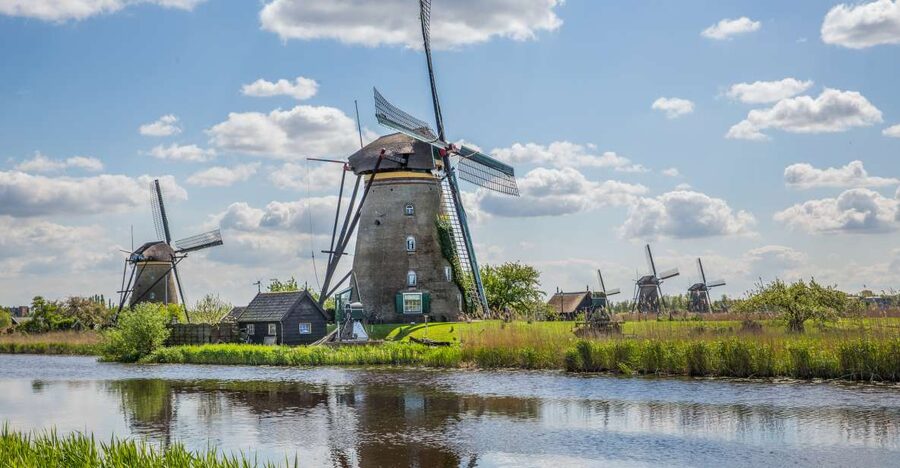
The included boat ride is one of the easiest ways to make Kinderdijk click. Instead of piecing together the layout from the ground, you slide across the polder waters and watch windmills drift past in their real relationships to water and drainage.
A few practical points you should plan around:
- Check sailing conditions: bad weather can cancel or prevent the boat from running.
- Seating can be limited: if you want a comfortable spot for photos, aim early.
- Treat it as a core part of the day: because the last boat leaves before closing, you don’t want to build your schedule too late.
Boat hosts and on-boat information can also help. People have mentioned short video content on the boats, and it’s the kind of quick explanation that makes the scene sharper even if you’re not an engineering nerd.
If you’re combining this with walking, you can also use the boat as a repositioning tool. You can spend more time at the museum mills and pumping station instead of grinding through every stretch on foot.
Walking the village and polder trails: pace yourself and plan for sun
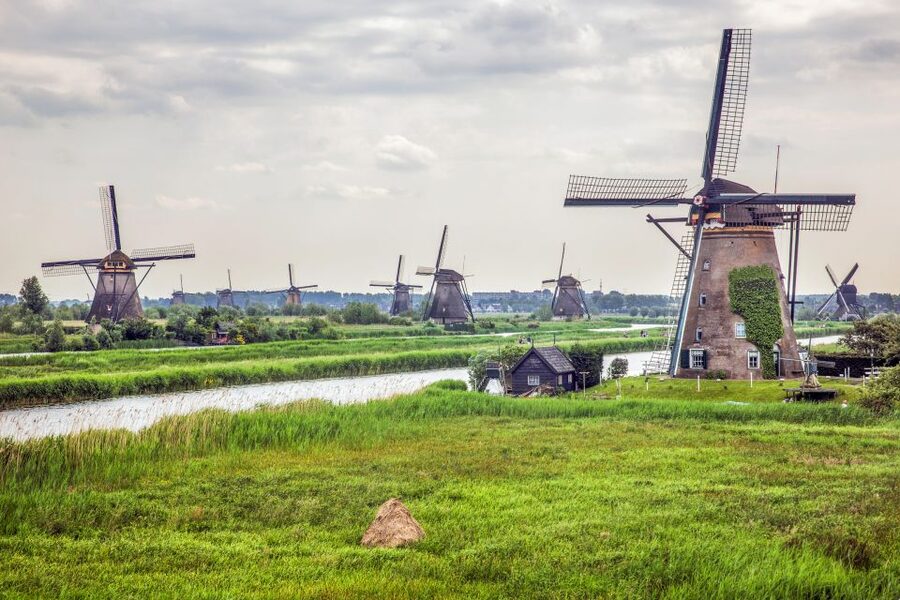
After you’ve built your understanding with the exhibits, you’ll probably want the slow wander: the village feel, the paths, and the moments where windmills frame water lines and dikes.
A big theme here is self-pacing. Some people spend only a couple of hours, bouncing between entrances. Others linger, take trails, and slow down for photos and indoor views.
I’d plan at least a half day, and honestly more if you like to read signage and take your time in the mills. The site includes multiple points worth seeing, and there’s also a boat plus entrances plus walking. Add them up and it’s not a “sprint” attraction.
Also, expect walking. Some routes can involve longer distances between stops and occasional crossings. If you visit when the sun is strong, plan for limited shade in the longer stretches between museum areas. Bring something that keeps you comfortable: hat, sunscreen, and a water bottle.
Getting there from Rotterdam: waterbus-style convenience (and bike-friendly options)
The ticket doesn’t include transport, so how you get from Rotterdam to Kinderdijk shapes your whole day.
One common, practical approach is to use the water bus from Rotterdam and then finish the last stretch by bike or on foot. People mention a route via Waterbus to Alblasserkade, followed by renting bikes to reach the site smoothly. That works well because bikes fit the flat terrain and help you cover distance without turning the day into a leg workout.
If you drive, be aware that parking can be difficult, even when you know it might be. That doesn’t mean you can’t go by car, but it does mean you should allow extra time and avoid last-minute stress.
My recommendation for most visitors: choose the mode that reduces friction. If you’re comfortable with bikes, it’s a great way to get around the area while keeping your day flexible.
Price and value: is $25 a good deal for Kinderdijk?
At around $25 per person, this ticket is good value if you want the full “meaning” side of Kinderdijk, not just the outside views.
Here’s why that pricing makes sense. Your ticket bundles:
- entry to two museum mills
- entry to the pumping station engine room
- the boat ride
- film/exhibition and audio guide access
If you only came for exterior photos, you could likely see quite a bit. But the ticket’s value is in the parts that explain the system: inside mills, engine room, and the boat ride tying it together visually.
Is it expensive compared with a casual walk-only option? Yes, a paid ticket adds cost. But compared with other UNESCO-adjacent attractions that charge for each element separately, bundling the boat plus multiple interiors is the smart move.
For value seekers, my advice is simple: don’t treat this like a quick photo stop. Give it time. When you slow down and use the audio guide, you get more out of each included element.
Who should book this Kinderdijk windmill ticket?
This is a great fit if you:
- want a UNESCO World Heritage day trip that’s more than postcard views
- like self-paced exploring but still want the “must-see” pieces handled
- enjoy Dutch water-management themes (wind, pumping, polders)
- want something that works for families thanks to the scavenger hunt and films
It might be less ideal if you:
- hate walking and know you’ll be bothered by longer distances between areas
- are visiting in uncertain weather and can’t adjust your schedule if the boat doesn’t sail
- expect a fully guided group tour experience. This ticket gives you structured inclusions, but you’re largely exploring on your own.
Should you book this Rotterdam to Kinderdijk ticket?
Yes, if you want the windmills to make sense and not just look great from a distance. Book it if you can manage the basics: arrive early enough to catch the boat, give yourself time to explore the two included museum mills, and don’t skip the pumping station engine room.
If the forecast is rough, go anyway with a flexible mindset. You can still enjoy the site walk and indoor exhibits, and you’ll be set up for a great day even if boat sailing changes. For most first-timers from Rotterdam, this is one of the cleanest “value per hour” ways to see Kinderdijk properly.
FAQ
What does the Rotterdam: Kinderdijk UNESCO ticket include?
It includes entrance to the Blokweer Museum Mill and the Nederwaard Museum Mill, a boat trip through the World Heritage Site, entrance to the pumping station engine room, an informative film and exhibition, and access to an online audio tour guide.
Is transport from Rotterdam included?
No. Transport to Kinderdijk is not included in the ticket price.
Do I need to pay for food and drinks?
Yes. Food and drinks are not included.
How long is the ticket valid?
It’s valid for 1 day. You’ll want to check availability to see starting times.
What languages are available for the audio guide?
The audio guide is included and available in English, Dutch, French, Spanish, Italian, Chinese, and German.
What happens if the weather is bad?
The tour boats may sometimes not sail due to bad weather conditions.
What are the opening hours?
Until March 5: 10:30 a.m. to 4 p.m.
March 6 to Nov 1: 9 a.m. to 5:30 p.m.
Nov 2 to Dec 31: 10:30 a.m. to 4 p.m.
Christmas Day: closed.
Is this experience wheelchair accessible?
Yes, it’s wheelchair accessible.