REVIEW · BRIGHTON
Brighton: Piers & Queers LGBTQ History Tour
Book on GetYourGuide →Operated by Ric's Tours · Bookable on GetYourGuide
Brighton has a secret layer of stories on plain sight. This 1.5-hour LGBTQ history walking tour links real people, real turning points, and the places you can still stand on today, from the seafront to the Lanes and onward to Kemptown. I like that it covers 200 years (not just one era), and I also love the human focus, with named figures like Anne Lister, Lord Byron, Oscar Wilde, and Dusty Springfield alongside lesser-known pioneers.
Two more things I really appreciate: you get a qualified Blue Badge guide, and the group stays small (up to 12), which makes it easier to ask questions and actually hear the details. One consideration: it’s still a walking tour, so you’ll want comfortable shoes and the mindset to learn while you move.
In This Review
- Key takeaways before you go
- Why Brighton’s queer past is tied to the streets
- From the statue at Regency Square: how the tour starts
- The seafront stretch: famous names, public life, and change
- Through the Lanes: 1950s life and political activism in context
- Kemptown ending: the “gay district” and stories you won’t expect
- Ric’s Blue Badge guiding style: why the stories land
- Price and what $52 really buys you
- Who this tour suits best
- Should you book this Brighton LGBTQ history tour?
- FAQ
- How long is the Brighton Piers & Queers LGBTQ History Tour?
- What is the group size?
- Where do I meet the guide?
- What language is the tour guide?
- What can I see during the walk?
- Does the tour include a professional guide?
- What’s the price per person?
- Is the tour wheelchair accessible?
- Can I cancel and get a refund?
- Is there a way to book without paying right away?
Key takeaways before you go
- Blue Badge guide, small group (max 12): you’ll get a guided experience without feeling lost in a crowd.
- Seafront to Kemptown route: you see Brighton’s famous views and the neighborhoods tied to queer life.
- Stories across 200+ years: Regency dandies, 1950s lesbian and gay life, and political activism all get airtime.
- Famous names plus unsung heroes: Anne Lister, Byron, Wilde, Dusty Springfield, and more—down to local trailblazers.
- A question-friendly guide (Ric): the tour style is easy to follow and interactive, with good recommendations to use after.
Why Brighton’s queer past is tied to the streets
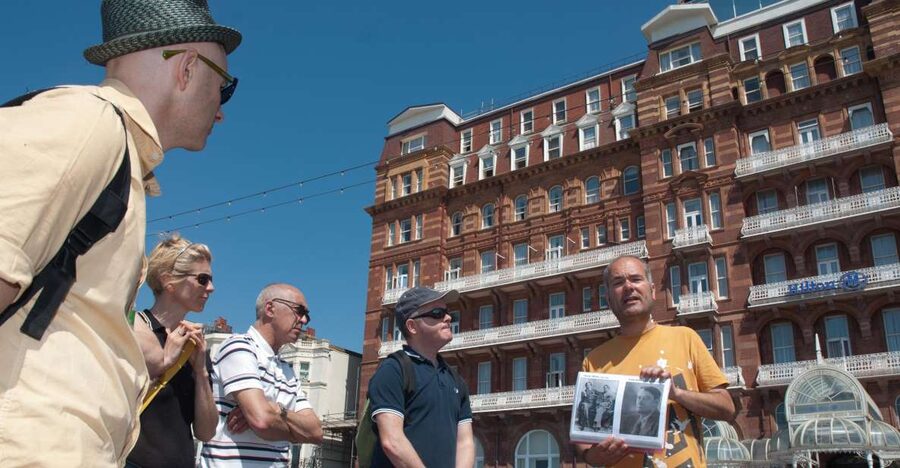
Brighton earned its reputation for queer life for a reason. It wasn’t just one scene or one decade. It grew through change: social shifts, coded public life, growing community, and political pressure when silence was no longer acceptable. What I like about this tour is that it treats the city as a living archive. Instead of treating LGBTQ history like a museum display, it shows how people built lives in specific neighborhoods and then left traces you can still read today.
That matters for you because it turns a walk into orientation. If you’re new to Brighton, you get an early map of where different eras seemed to gather—along the coast, in the Lanes, and in the area widely associated with queer community. And if you’re already a history fan, you’ll appreciate how the stories overlap: famous visitors, local courage, and everyday decisions that added up to progress.
You can also read our reviews of more historical tours in Brighton
From the statue at Regency Square: how the tour starts
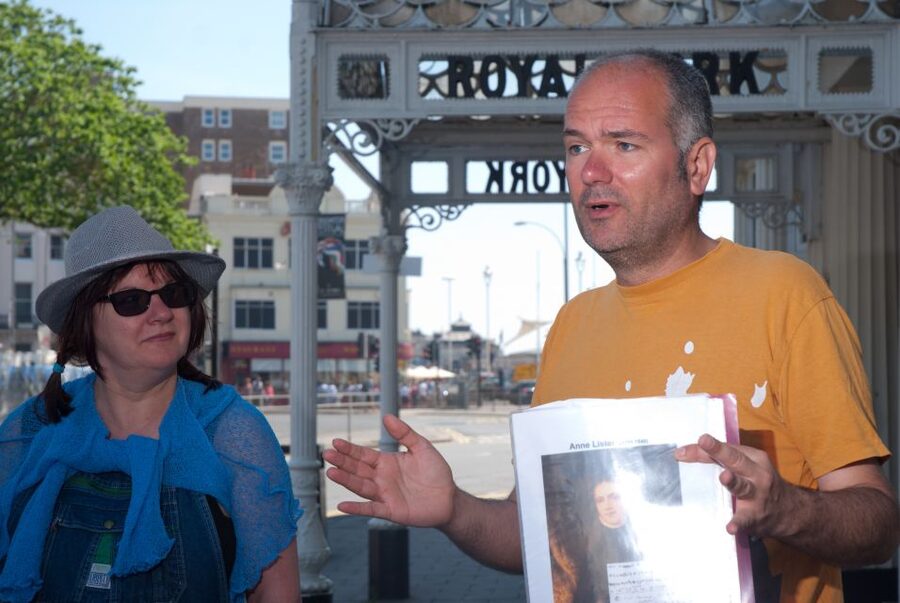
The meeting point is practical and easy to find: by the statue at Regency Square, Brighton (BN1 2FZ). Starting here sets the tone. You begin with Brighton’s recognizable grandeur, the kind of setting that helps explain why artists, writers, and people looking for freedom would be drawn in.
From the first moments, the guide frames the big idea: you’ll hear about people living in very different times—and how bravery and achievement could look different depending on what was possible. That perspective is a big part of the tour’s value. It helps you connect the famous names you already know with the real-world constraints people faced when being openly queer could cost you your job, your safety, or your future.
Also, because you’re with a small group, you’re not stuck listening from the back of a line. If you like to ask questions or you want clarification on a name or theme, this is the kind of tour where you can do it without feeling like you’re interrupting.
The seafront stretch: famous names, public life, and change
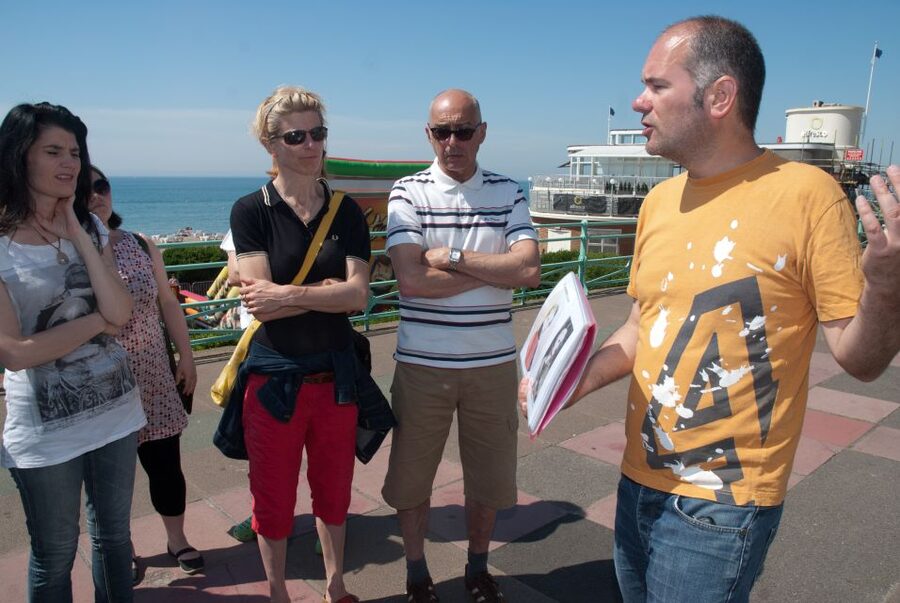
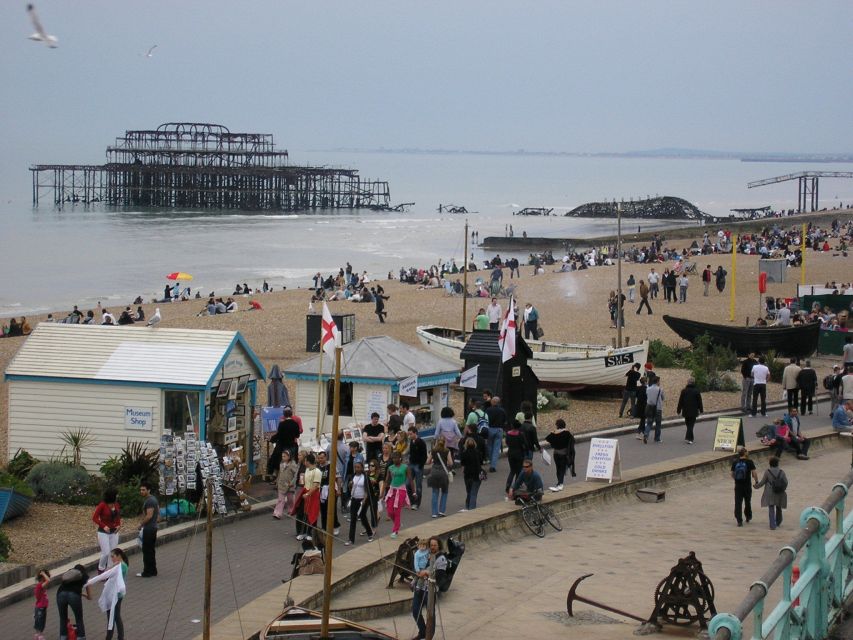
You’ll take in the beautiful seafront, and that’s more than just scenery. The coast is part of Brighton’s story—people came, lingered, and found ways to live differently. On this section, the tour highlights names you may recognize from literature and culture, but with a local link that makes them feel less distant.
Expect stories tied to figures such as Lord Byron and Oscar Wilde, plus the Anne Lister thread (the subject of the BBC/HBO series Gentleman Jack). Lister’s Brighton connection is a particularly good example of why this tour works: it moves you from the abstract idea of a historic queer figure to the reality of where travel and social encounters mattered.
You’ll also hear about other eras that shaped the city’s reputation. The point is not to make one “golden age” look good. The point is to show how public life shifted over time—sometimes slowly, sometimes with activism pushing it forward.
If you’re the type who likes a guided “first look,” the seafront portion helps you. It gives you a sense of geography early, so the rest of the walk through the old streets feels more connected instead of random.
Through the Lanes: 1950s life and political activism in context
The tour then slips from open seafront space into the Lanes, where the streets feel older and the atmosphere changes fast. This is where the tour’s emotional weight comes through. Narrower streets tend to make you pay attention, and that’s perfect for stories about how queer people lived when visibility was risky.
You’ll hear about 1950s lesbian and gay life, including how community formed and how people navigated social expectations. The tour also covers political activism, which is crucial because it explains why progress wasn’t only personal. It was organized. It pushed back. It demanded change in ways that affected laws, public opinion, and daily safety.
One of the most useful things you’ll take from this section is the way the guide connects themes to the route itself. You don’t just hear about activism as a concept—you hear it tied to place, time, and the kinds of public spaces people had (or didn’t have) access to.
And since the tour is only 1.5 hours, the pacing is tight. You’ll likely find yourself thinking, so many of these stories fit into corners I would have walked past without noticing.
Kemptown ending: the “gay district” and stories you won’t expect
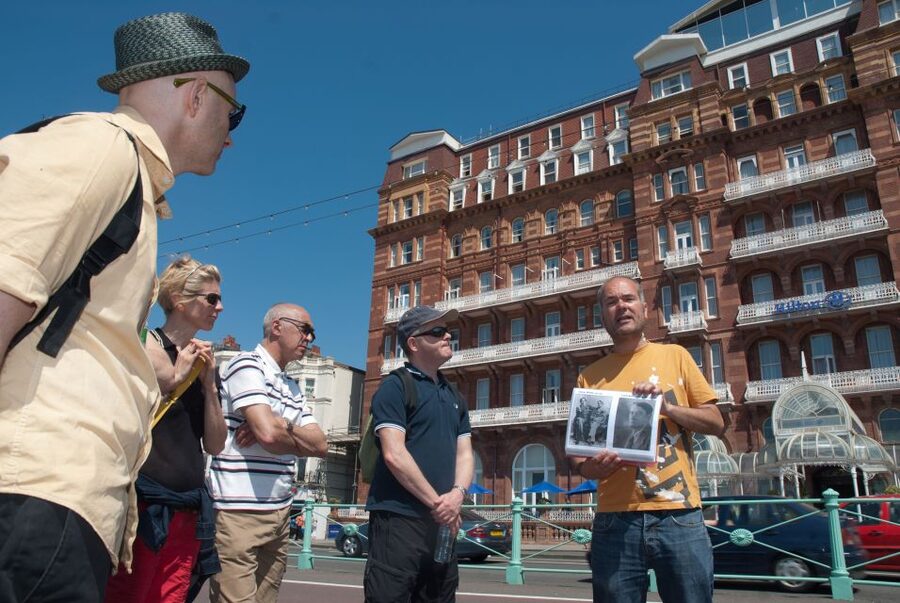
The tour finishes in Kemptown, widely associated with Brighton’s queer district today. Finishing here works well because it gives your learning a payoff. You can stand where modern community energy is visible and understand how that energy didn’t appear out of nowhere.
This ending stretch also features the tour’s best mix: famous figures plus people whose names you may never have heard. You’ll hear about an unsung trailblazer described as a pioneering doctor who lived as a man long before women were allowed to practice medicine. You’ll also hear about an Edwardian drag king, and a same-sex marriage in 1923. Those last two details do something important: they expand your idea of what queer life looked like in the past. It wasn’t only coded nightlife or hidden relationships. It could involve performance, identity expression, and legal milestones that were extraordinary for the time.
If you’re planning your rest of the day, this is a strong final note. You leave with names to look up and neighborhoods to revisit—especially if you’re interested in where history meets what you can see now.
Ric’s Blue Badge guiding style: why the stories land
A walking tour can be informative and still feel dull. This one doesn’t. The guide—Ric—has a teaching style that’s easy to follow and genuinely conversational. In practical terms, that means the information sticks. Ric’s approach is friendly and approachable, and he’s the type who will answer questions rather than rush you along.
That matters for value. A lot of history tours rely on one-way lecturing. Here, because the group stays small, you get a more personal feel. The tour also comes with a bonus that’s useful on your next day in Brighton: Ric offers a book with 20 guided walking tours, so you can keep the city-learning going even after this route ends.
I also like that the tour isn’t just about celebrity names. It treats queer history as something built by real people across class, time, and circumstance—regency dandies, mid-century lesbian and gay life, political activists, and the unsung figures who made change possible.
Price and what $52 really buys you
At $52 per person for 1.5 hours, this tour is not the cheapest way to spend an afternoon in Brighton. But it’s also not trying to be. You’re paying for three things that actually add up:
- A live, professional Blue Badge guide (not a self-guided phone app).
- A small group experience (maximum 12), which keeps the tour moving but also makes it interactive.
- A dense storyline: over 200 years of LGBTQ history packed into a short walk, with both big names and lesser-known pioneers.
For many people, the real value isn’t only the facts. It’s the way the tour helps you navigate the city afterward. If you’re doing only a day or two in Brighton, a well-led history walk gives you bearings fast. You know where to go next, what to look for, and which topics you want to follow up on in your own time.
Who this tour suits best
This is a great match if you:
- want to understand why Brighton became known as the gay capital of Britain
- like your history tied to real streets, not just photos and dates
- enjoy a guided pace but still want the ability to ask questions
- want a compact orientation that helps you explore Kemptown and the Lanes better later
If you’re the sort of traveler who hates guided talking time, this might feel like too much explanation per step. But if you’re open to listening while you walk, the timing is ideal.
Should you book this Brighton LGBTQ history tour?
I’d book it if you want a smart, street-level intro to Brighton’s LGBTQ story in a short window. The combination of a Blue Badge guide, a small group size, and the mix of famous figures with unsung heroes makes this more than a themed walk—it’s a way to understand the city’s reputation as something earned over generations.
Skip it only if you already know Brighton queer history well and you’re looking for a longer, more focused tour in one era. Otherwise, this is a strong first-day plan. You’ll leave with names to research, neighborhoods to revisit, and a clearer map of how the past shapes what you can see today.
FAQ
How long is the Brighton Piers & Queers LGBTQ History Tour?
The tour lasts 1.5 hours.
What is the group size?
It’s a small group semi-private tour with a maximum of 12 people per tour.
Where do I meet the guide?
Meet by the statue at Regency Square, Brighton BN1 2FZ, UK.
What language is the tour guide?
The tour guide speaks English.
What can I see during the walk?
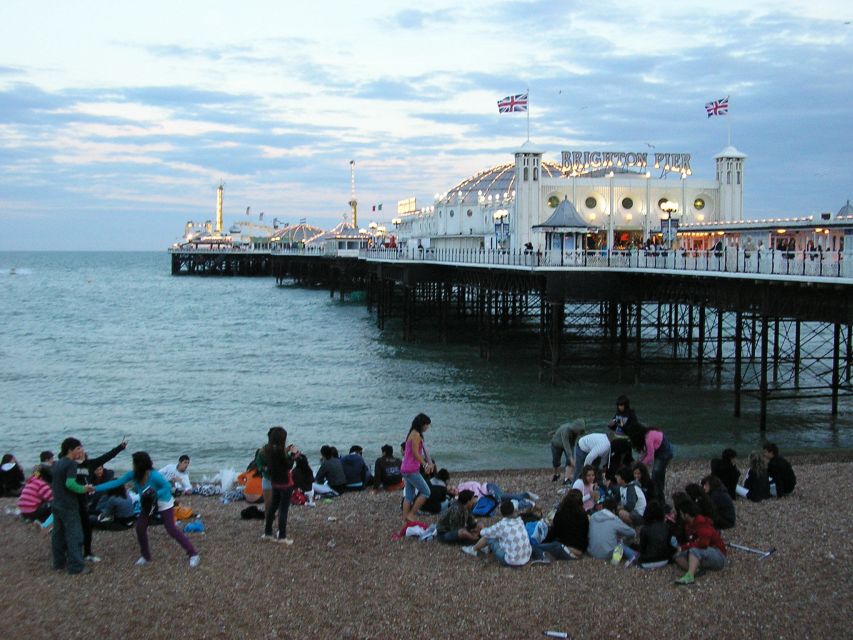
You’ll walk along the seafront, through the Lanes, and finish in the gay district of Kemptown, while learning about LGBTQ history tied to the route.
Does the tour include a professional guide?
Yes. It includes a professional walking tour with a live tour guide, and the guide is qualified as a Blue Badge tour guide.
What’s the price per person?
The price is $52 per person.
Is the tour wheelchair accessible?
Yes, the tour is listed as wheelchair accessible.
Can I cancel and get a refund?
Free cancellation is offered up to 24 hours in advance for a full refund.
Is there a way to book without paying right away?
Yes. You can reserve now and pay later, keeping your travel plans flexible.