REVIEW · ST ANDREWS
St Andrews Old Course History Tour, for the Golfer
Book on Viator →Bookable on Viator
Old Course stories start before you step on turf. This shared walk in St Andrews mixes town lore and golf origins with a small-group feel and a guide who knows the game from the ground up. I love the close attention you get (max 15 people), and I especially liked Richard’s caddie-style storytelling that turns familiar landmarks into real, human moments. You’ll also get a rare chance to walk across Old Course fairways while the tour keeps the pace tight and focused.
The one thing to plan around: this is an English fluency tour. Speaking slowly or translating just does not work here, and one fast-speaker comment from a guest is a fair warning. If you can follow spoken English at full speed, you’ll have a great time; if not, consider a different option.
In This Review
- Key things I’d clock before you go
- Entering Old St Andrews: what this tour does for golfers and non-golfers
- Meeting at Hotel du Vin St Andrews: town history before you hit the turf
- The Links stop: how “Home of Golf” happens over centuries
- Royal & Ancient Golf Club: fairways, bunkers, and Old Course golf characters
- Grannie Clark’s Wynd: the Open Championship and how holes changed
- Rusacks St Andrews: the 1st and 18th fairway story you’ll remember
- Swilcan Bridge: the iconic photo stop, with tournament-day limits
- Finish at the Road Hole and Jigger Inn: what to do with your spare time
- Price and time: is $25 for 1h15 actually good value?
- Who should book this Old Course history tour
- Practical tips to make sure you enjoy every stop
- Should you book? My honest take
- FAQ
- How long is the St Andrews Old Course History Tour?
- What does the tour cost?
- Where does the tour start and where does it end?
- What’s included in the tour?
- Are the Swilcan Bridge photos included on major tournament days?
- Do I get admission to see places on the route?
- What language is the tour offered in?
- How big is the group?
- What kind of walking or physical ability is required?
- Is the tour weather-dependent, and what happens if it’s canceled?
Key things I’d clock before you go
- Richard, a caddie background guide: golf stories feel lived-in, not scripted
- Walk on Old Course fairways: you get “there” access without playing a round
- Swilcan Bridge photo moment included: professionally taken shots (not on major tournament days)
- Stops mapped to the course story: from the Links origins to the Road Hole finish
- Small group pacing: frequent stops so you can actually hear and absorb things
Entering Old St Andrews: what this tour does for golfers and non-golfers

I like tours that do one job well. This one does two jobs: it teaches you why St Andrews matters, and it guides you to the specific points that make the Old Course feel like a living legend. For golfers, it’s the fastest way to build context for what you’re looking at on the ground. For non-golfers, it works because the story keeps pulling you back to people, traditions, and the way the game evolved.
The tour runs about 1 hour 15 minutes, which is a sweet spot. Long enough to cover multiple landmarks, short enough that you’re not stuck doing a slow shuffle all afternoon. It’s also priced at $25 per person, and that’s the key value angle: you’re not paying to sit in a museum. You’re paying for a guide-led route with a photo payoff and a guided explanation of what you’d otherwise need to research for yourself.
The group stays small (up to 15), so you’re not lost in the crowd. That matters at Old Course sites, where it’s easy to feel like you’re just standing around while others ask questions you never get to hear. Here, the pacing and stops help.
You can also read our reviews of more historical tours in St Andrews
Meeting at Hotel du Vin St Andrews: town history before you hit the turf
Your walk starts outside Hotel du Vin St Andrews on The Scores. I like this starting point because it sets a tone: you’re in a working town, not a themed attraction. The first segment gives you an overview of St Andrews history and connects it to the 1123 Links charter. That sounds like a detail, but it helps you understand why people treat St Andrews golf like something older than the game itself.
If you’ve never visited, this is also how you get your bearings fast. You’ll learn how the area ties together—town, coastal setting, and the early development of golf—so later stops feel less random. And because the tour warns you not to be late (they won’t wait), arriving a few minutes early is smart. This isn’t the type of tour that loops back if you’re stuck finding the right street.
The Links stop: how “Home of Golf” happens over centuries
Next, you move to The Links for the origins story. The tour’s framing is clear: golf didn’t appear fully formed in Scotland. You hear how the game traveled—starting with a 13th-century stick-and-ball tradition in the Low Countries, then moving toward Edinburgh by 1744, with St Andrews eventually earning the title Home of Golf.
What I like about teaching the origin this way is that it helps you look differently when you see the course. You stop thinking of the Old Course as a static postcard and start seeing it as a place where habits, holes, and even course layout evolved. Even if you only catch parts of the story while you’re standing near the shoreline, you’ll walk away with a more grounded sense of why St Andrews has the weight it does.
One practical note: this is an outdoors walking segment, so dress for wind and quick weather shifts. St Andrews can change fast, and you’ll want to be comfortable enough to focus on listening.
Royal & Ancient Golf Club: fairways, bunkers, and Old Course golf characters
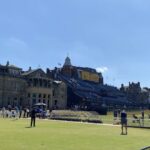
The tour then heads to the Royal & Ancient Golf Club of St Andrews. This stop matters because it connects Old Course development to how golf itself took shape. You’ll hear how features like fairways and bunkers are tied to the game’s evolution, not just design taste.
Also, this is where the tour leans into the personalities that make golf history fun. Expect mentions of Old Tom and the old Caddie Shack. Those aren’t just names to memorize; they’re entry points into how people worked the course and how the culture of golf formed around that work.
If you’re a golfer, you’ll appreciate this stop because it clarifies how the “classic” look of the course came from real decisions and real needs—how balls played, how people maintained areas, and how the sport wanted to define itself. If you’re not a golfer, don’t worry. The guide’s job is to translate jargon into story, and the group format helps you keep up.
Grannie Clark’s Wynd: the Open Championship and how holes changed
At Grannie Clark’s Wynd, the tour zooms into the competitive and structural evolution of the Old Course. You’ll hear references to major golf events like the Open Championship and the Dunhill Cup, plus the idea of course development through different hole counts: moving from 12 to 10 to 18 holes.
This stop works because it explains why the Old Course doesn’t feel like a simple template. It feels like an old system that keeps adjusting as the game changed around it. You’ll also point toward important sites near the 18th, which helps you visualize the finishing mindset golfers talk about when they describe the Old Course.
A small caution: this portion is still listening-focused. If you’re struggling with spoken English at speed, this is where you’ll feel it most. The tour depends on you catching the story as you walk, not on a slow slideshow.
Rusacks St Andrews: the 1st and 18th fairway story you’ll remember
Then it’s over to Rusacks St Andrews, a stop that brings the Old Course’s “first and last” significance into focus. You’ll cover the 1st/18th fairway, including the role of farmers, plus local details tied to the Mannings and the original 1st tee and 18th hole.
One of the most interesting parts here is how the tour connects course culture to putting. You hear about early caddies and ladies, and how that led to the world’s first putting green. That’s the kind of golf trivia that actually makes sense once you hear the human story behind it: people needed practice areas, traditions pushed for it, and the course responded.
If you’re a history-leaning golfer, this stop gives you a satisfying chain of “why” instead of a list of “what.” If you’re brand new to golf, it still lands because it’s a concrete example of how everyday people influenced the course.
Swilcan Bridge: the iconic photo stop, with tournament-day limits
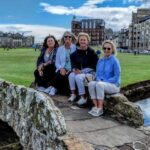
The tour’s big postcard moment is Swilcan Bridge. This is one of the most photographed landmarks in golf, and the tour gives you time for a photo shoot there. The included perk is important: you get professionally taken photos on the Swilcan Bridge.
One limitation to know up front: the tour notes that the Swilcan Bridge photo setup excludes tournament days such as Dunhill and The Open. If your visit lines up with those dates, you may still reach the area, but you should not plan on the same photo treatment being included.
When to take it seriously: if you’re traveling specifically to get the classic Swilcan Bridge shot, check your calendar before booking. It can make the difference between “nice memory” and “included photos you’ll actually want to frame.”
Finish at the Road Hole and Jigger Inn: what to do with your spare time
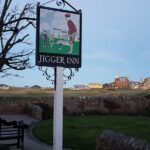
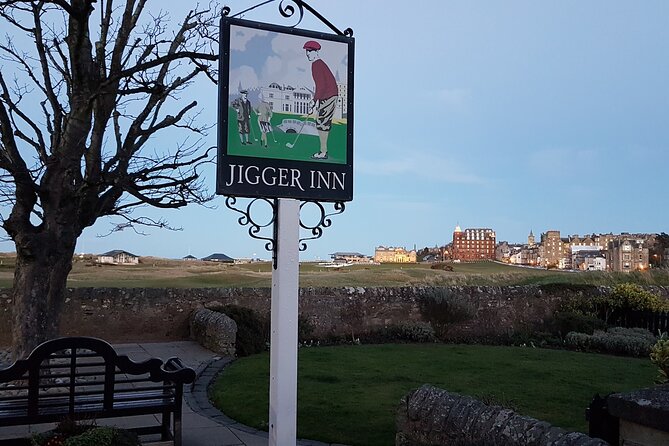
The tour ends near the Old Course Jigger Inn, with the finish around the Road Hole (17th). The guide talks through the famed jaw-dropping moment at the Road Hole, then you wrap up near the 17th fairway area where you can relax.
Food and drinks are available at the Jigger Inn, but refreshments are not included. Still, I like the logic of this finish: you end where golf energy is high, and you can either stay and watch play (when it’s happening) or grab a meal without walking across town.
Also, if you want the full Old Course feel, pairing this tour with a later stroll on nearby public areas is an easy win. Since you’ll have the story behind key holes, you’ll see more and feel less like you’re just following signs.
Price and time: is $25 for 1h15 actually good value?
Here’s how I think about the value. At $25 per person and about 1 hour 15 minutes, you’re paying for:
- a professional local guide (Richard)
- a planned route that hits major Old Course story points
- Swilcan Bridge professional photos (with tournament-day exclusions)
That combination is the value. If you tried to do this alone, you’d spend time figuring out where to stand, what to look for, and what stories connect holes, culture, and course changes. A quick, guided route is often the cheapest way to compress that research.
And the pacing helps. Many short walking tours fail because they move too fast. This one uses multiple stops, and several guide comments point to comfortable timing for photos and learning, not just marching you along.
Who should book this Old Course history tour
This is a good fit if you want to:
- understand the Old Course without paying for a full round
- get golf history that connects people to features (not just dates)
- hear stories from someone with real course background
In fact, one theme that kept coming through: Richard’s storytelling lands even if you don’t play. People in mixed groups—golfers and non-golfers—tend to do well because the route is about course meaning, not technical swing tips.
If you’re thinking about timing, one practical tip from experiences is that Sunday can be easier for walking without constant interruptions from tournament play. I can’t promise schedules, but if your goal is a calmer walk on the course, checking the local event calendar is smart.
Practical tips to make sure you enjoy every stop
A great guide can’t fix poor planning. Here’s how to set yourself up:
Plan for cold and quick weather shifts. St Andrews outdoors can get chilly fast. Bring layers so you can keep listening without your body taking over your attention.
Know the English requirement. This is the biggest make-or-break item in the details. The tour expects you to follow spoken English at a normal pace. If that’s a stretch, your enjoyment will likely drop.
Make space for hearing the guide. The tour can include audio support such as ear buds (when provided). Even if you don’t need them, you’ll be better off keeping your group position steady and not wandering too far while the guide is mid-explanation.
Don’t bring items you can’t carry. The tour notes there’s nowhere to leave strollers, mobility devices, or similar items. If you have something you’d normally park at a coat check, plan an alternative before you arrive.
Physical comfort matters. The tour lists a moderate fitness level and says it’s not suitable for strollers/carriages, crutches, walking frames, mobility scooters, or mobility limitations like new knee/hip replacements. If any of those apply, you should treat the tour as off-limits.
Should you book? My honest take
Book this tour if you want the Old Course story delivered fast, clearly, and in a way that makes the landmarks feel real. The included Swilcan Bridge photos and the small-group structure are strong reasons on their own. Add Richard’s caddie-based storytelling, and you get a tour that works for golfers and non-golfers alike.
Skip or rethink it if spoken English at speed is a challenge for you, because the tour explicitly depends on fluent comprehension. And if you’re traveling with mobility gear that can’t be left behind, the route restrictions make it a bad match.
If you fall into the first group, you’ll leave St Andrews feeling like the Old Course isn’t just famous. It’s explainable. And that makes the whole experience better.
FAQ
How long is the St Andrews Old Course History Tour?
It lasts about 1 hour 15 minutes.
What does the tour cost?
The price is $25.00 per person.
Where does the tour start and where does it end?
It starts outside Hotel du Vin St Andrews at 40 The Scores, St Andrews KY16 9AS. It ends near the Road Hole (17th) by the Swilcan Bridge / Old Course Jigger Inn area at 17 The Links, St Andrews KY16 9JE.
What’s included in the tour?
You get a professional local guide, and professionally taken photos on Swilcan Bridge (with tournament-day exclusions).
Are the Swilcan Bridge photos included on major tournament days?
The photo shoot at Swilcan Bridge is excluded on tournament days such as Dunhill and The Open.
Do I get admission to see places on the route?
Each stop lists admission ticket free.
What language is the tour offered in?
The tour is offered in English, and participants need a fluent command of English. Speaking slowly or translating does not work.
How big is the group?
It has a maximum of 15 travelers.
What kind of walking or physical ability is required?
The tour is for people with a moderate physical fitness level and is not suitable for strollers/carriages or for certain mobility aids such as crutches, walking frames, or mobility scooters.
Is the tour weather-dependent, and what happens if it’s canceled?
It requires good weather. If it’s canceled due to poor weather, you’ll be offered a different date or a full refund.