REVIEW · GALVESTON
The Galveston Walking History Tour
Book on Viator →Operated by Historic Galveston Ghost Tours · Bookable on Viator
Galveston tells stories fast. This 90-minute walking history tour strings together downtown landmarks with short stops and real context for $33. I love the easy pace with frequent photo breaks, and the way the guide keeps history feeling like a conversation instead of a lecture.
In the guide stories people highlighted, Noelle and Nicole come up for their cheerful, energetic delivery and for answering related questions on the fly. That matters because Galveston history is connected, and you’ll hear the dots being connected as you walk.
One consideration: the tour is short, so it won’t replace a long museum visit. Also, start times can run a little behind if there’s a miscommunication, so build in a small buffer for your day plan.
In This Review
- Key things to know before you go
- Why this 90-minute Galveston walk is such a good fit
- Price and value: $33 for guided stops you can actually revisit
- Where it starts (and what to wear) near Rosenberg St
- Stop-by-stop: from the Railroad Museum to Red Light Coffee Roasters
- Stop 1: Galveston Railroad Museum
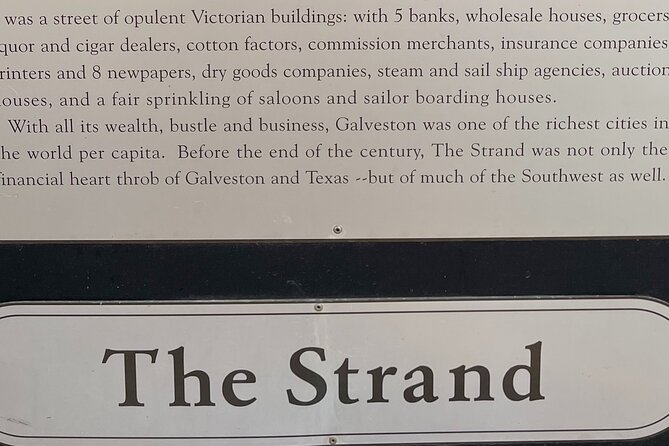
- Stop 2: Saengerfest Park and the Strand street story
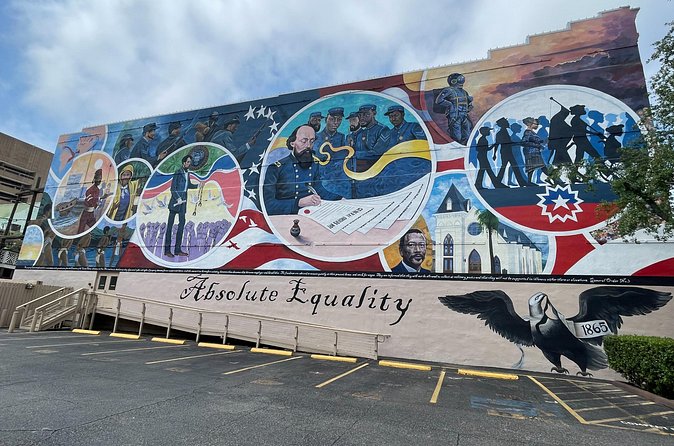
- Stop 3: Absolute Equality Mural and Juneteenth
- Stop 4: Hendley Green and the surviving Rosenberg Fountains
- Stop 5: Grand 1894 Opera House
- Stop 6: Red Light Coffee Roasters and the vice era
- The guides: why the stories feel alive instead of scripted
- What you learn on this walk (beyond the postcard version)
- Pair it with the rest of your Galveston day
- Who should book this tour (and who might not love it)
- Should you book the Galveston Walking History Tour?
- FAQ
- How much does the Galveston Walking History Tour cost?
- How long is the tour?
- Where does the tour start?
- What language is the tour offered in?
- Is admission included for the stops?
- What stops are included on the route?
- How large is the group?
- Do I need good weather for this experience?
- What is the cancellation window?
Key things to know before you go
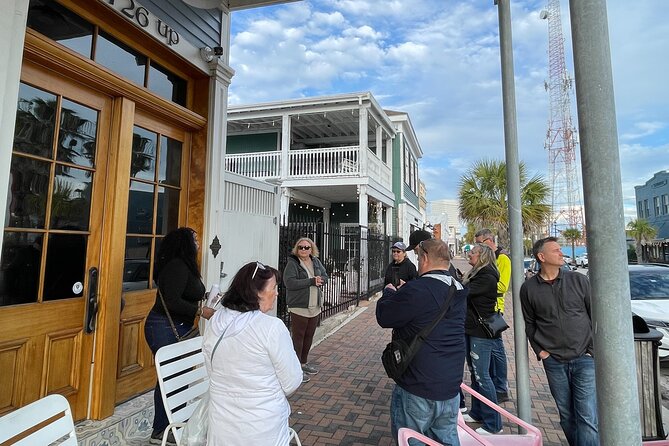
- Six focused stops along the Strand area, each with a clear theme and quick payoff
- Free admission tickets at each stop, including the Railroad Museum
- Leisurely pacing with multiple moments to stop, listen, and take photos
- Question-friendly guiding, with guides known for pulling extra details from what you ask
- Big themes in a small loop, including Mardi Gras roots, Juneteenth connections, and the long red-light era
- Small group size (max 30 people), which helps the walk feel personal
Why this 90-minute Galveston walk is such a good fit
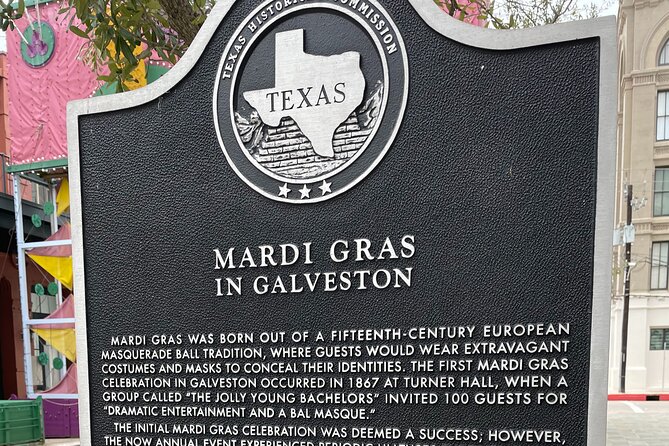
This is the kind of tour you do when you want history without turning your afternoon into a school day. You’re walking the Strand corridor and hitting six meaningful places, with short talks that don’t drag. The total time is about 1 hour 30 minutes, and the structure keeps you from burning out before you can enjoy Galveston on your own.
What I like most is the pacing. You’re not doing marathon steps, and the tour gives you time to look, listen, and then actually see what’s around you. It’s a smart way to get your bearings fast in downtown Galveston.
The other big plus: you get a mix of eras and themes, not just one narrow slice. Expect stops tied to the railroad story, Mardi Gras roots, a Juneteenth-related mural, surviving fountains, an 1894 opera house, and the city’s vice era.
You can also read our reviews of more tours and experiences in Galveston.

Price and value: $33 for guided stops you can actually revisit
At $33 per person for roughly 1.5 hours, this is priced like a “great use of time” activity. The real value comes from what’s included in that time block: admission tickets are listed as free at each stop, including the Galveston Railroad Museum.
That matters because many tours charge for the guide but don’t reduce your other costs. Here, the ticketing setup helps you avoid the double-billing feeling where you pay for a tour and then pay again at the first museum.
Also, the max group size is 30 people, which usually means you spend more time walking and listening and less time waiting for a crowd. With a small group, the guide can keep the stories moving while still answering questions.
Where it starts (and what to wear) near Rosenberg St
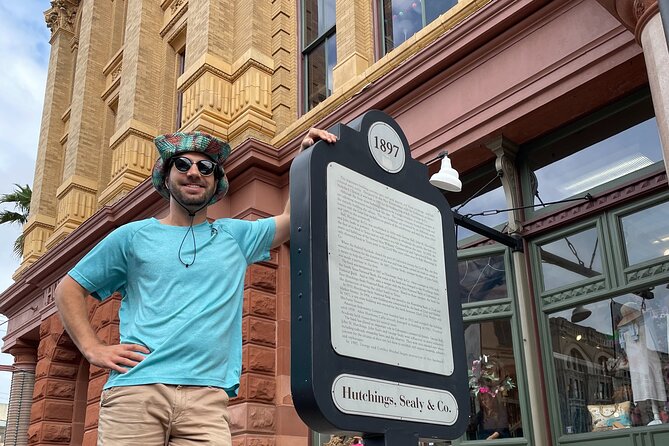
The tour begins at 123 Rosenberg St, Galveston, TX 77550, and it ends back at the meeting point. Since it’s a walking tour, you’ll want shoes that can handle uneven sidewalks and curb cuts.
Weather is a factor here. The experience requires good weather, so on hot, stormy, or very rainy days, plan to either reschedule or accept that it may be adjusted. Bring water if it’s warm, and keep your phone handy for photos at the stops.
Good news for logistics: it’s near public transportation, and service animals are allowed. Most people can participate, which fits the overall theme: it’s short talks plus a gentle walk, not a strenuous hike.
Stop-by-stop: from the Railroad Museum to Red Light Coffee Roasters
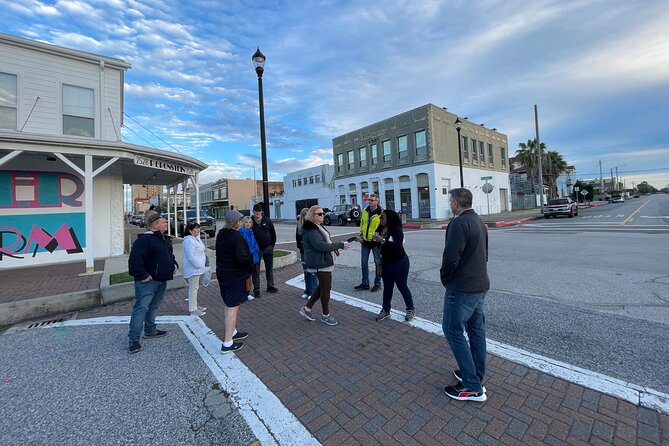
This tour works because each stop plays a specific role in the story of Galveston. You don’t just hear names—you hear why those names matter along the same downtown thread.
Stop 1: Galveston Railroad Museum
You’ll start at the Galveston Railroad Museum, where the guide introduces the tour and sets up basic Galveston context. Then the museum’s own story comes into focus, giving you a foundation for everything that follows.
This is also one of the practical wins: admission is free at this stop. If you’re the type who likes to linger after a good intro, you can often make the museum part of your longer plan after the walking segment ends.
One review highlight pointed to the 1900 hurricane as part of what you’ll hear tied into the larger city story. While the museum is the starting anchor, the guide’s job is connecting big events to the buildings and landmarks you’ll see next.
Stop 2: Saengerfest Park and the Strand street story
Next is Saengerfest Park, and here the tour zooms in on The Strand, including why this area was so important. You’ll also hear how Saengerfest Park connects to Galveston’s Mardi Gras, plus the detail that this stretch once operated as the Wall Street of the South.
This stop is valuable if you want to understand why Galveston festivals feel grounded rather than pulled from nowhere. Mardi Gras isn’t presented as just a modern celebration—it’s framed as something tied to the city’s central role and street life.
The talk is about 15 minutes and stays focused, so it doesn’t eat your whole afternoon. And yes, this is a great place for photos because the Strand area is visually packed.
Stop 3: Absolute Equality Mural and Juneteenth
The tour then moves to the Absolute Equality Mural, where the guide explains the mural’s significance and Galveston’s role in the Juneteenth historical holiday.
This stop adds emotional weight to the walk. It’s not just architecture and old businesses—it’s a reminder that the city’s story includes major milestones tied to equality and freedom, and that those connections are visible in modern public art.
If you care about how history shows up today (not just in old buildings), this is one of the most meaningful stops on the route.
Stop 4: Hendley Green and the surviving Rosenberg Fountains
After that, you’ll reach Hendley Green, where the talk returns to the Strand street and focuses on the surviving Rosenberg Fountains.
The word surviving is doing real work here. It signals that not everything from the past made it intact, and what did remain is worth paying attention to. This stop gives you a tangible anchor: a landmark you can actually point to and say, that’s still here.
It also helps the walk feel balanced. You get commemorations and modern connections at the mural, then you get endurance and physical survivals at the fountains.
Stop 5: Grand 1894 Opera House
Next up is the Grand 1894 Opera House, where the guide shares the building’s story and why it matters in Galveston.
Opera houses often show up in historic downtowns because they were social engines, not just performance spaces. Here, the tour keeps it practical: you’re hearing enough context to understand what you’re looking at, without needing a deep architecture degree.
This is a good stop for people who like historical variety—one moment you’re hearing about civic celebrations, and the next you’re hearing about the kind of culture that shaped the city’s public life.
Stop 6: Red Light Coffee Roasters and the vice era
The final stop is Red Light Coffee Roasters, and the guide doesn’t pull punches on what this area was known for. You’ll hear the history of Galveston’s Red Light District and the vice era that gripped Galveston for over 70 years.
This stop works because it adds contrast. You see how the same downtown geography that supported festivals, opera, and community landmarks also had a much darker chapter. The result is a more complete sense of what Galveston was—and how time changes what a place becomes.
The best part is that it’s not just sensational. The tour frames it as history tied to the city’s long timeline, not a random gossip topic.
The guides: why the stories feel alive instead of scripted
A standout theme in the tour experience is how the guide adjusts to real questions. That’s where the tour earns its high satisfaction score.
Guides such as Noelle and Nicole are repeatedly noted for being cheerful and energetic, and for having done enough research to avoid canned responses. If you ask something that connects to the area you’re standing in—like why a street mattered, or how a later tradition grew—you’re more likely to get a fuller explanation.
That conversational style is also why you’ll finish with more than names. You’ll leave with a sense of cause-and-effect: how the Strand’s role helped shape major celebrations, how public art reflects ongoing history, and how landmarks tie back to earlier waves of the city’s life.
What you learn on this walk (beyond the postcard version)
This tour’s value is that it connects multiple storylines without turning any of them into an overload. You move from rail-related origins to major civic street life, then into cultural spaces and social shadows.
Here are the themes you can expect to walk away with:
- Why The Strand mattered, including the Wall Street of the South reference
- Mardi Gras connections, rooted in the area’s central importance
- Juneteenth-related significance tied to the Absolute Equality Mural
- What’s still standing, especially the surviving Rosenberg Fountains at Hendley Green
- How the Grand Opera House fits into city life in the late 1800s
- Why the red-light era lasted so long, covering the vice district’s decades-long grip
- A thread of major events like the 1900 hurricane as part of the larger city narrative
That last point is a big one. If your memory of Galveston history is mostly “storms and beaches,” this tour gives you a downtown-focused reminder that the city’s identity was shaped by survival, rebuilding, and the way people used central streets.
Pair it with the rest of your Galveston day
This tour is set up for combining. You get the guided sweep first, then you can explore on your own with better context.
A useful tip: if you plan to do the Railroad Museum more deeply after the tour, go earlier to find parking. One practical note shared was to use the Railroad Museum parking area and purchase a pass if needed. Even if you don’t plan extra time, the fact that the museum stop includes free admission makes it easy to add-on.
After the final stop at Red Light Coffee Roasters, you’ll be in a part of town where it’s natural to keep walking. You can also use what you learned to pick which landmarks deserve a second look.
Who should book this tour (and who might not love it)

This works best for you if:
- You want a quick, structured overview of downtown Galveston in about 90 minutes
- You like walking tours where stops are short, focused, and photo-friendly
- You’re interested in the Strand corridor and want more than one theme
- You enjoy guides who answer questions and talk in an approachable way
You might not love it as much if:
- You want a long museum-style experience with extended time inside multiple exhibits
- You prefer to read without talking to a guide, or you get bored with short explanations
- Your schedule has no room for a small start delay (it can happen)
Should you book the Galveston Walking History Tour?
Yes, if you’re looking for a high-value way to understand Galveston’s downtown story. For $33, you’re paying for guided interpretation plus free admission at every stop, and you’ll cover a lot of ground in a time window that doesn’t steal your whole day.
Book it especially if you want the Strand area framed through major themes—Mardi Gras roots, Juneteenth connections, surviving civic landmarks, the Grand Opera House, and the long red-light era—while still keeping the walk manageable.
If you have limited time and you’d rather spend energy exploring than planning, this is a solid choice. Do it early in your visit, wear comfortable shoes, and then use what you learned to pick your next stops.
FAQ
How much does the Galveston Walking History Tour cost?
It costs $33.00 per person.
How long is the tour?
The tour lasts about 1 hour 30 minutes.
Where does the tour start?
The meeting point is 123 Rosenberg St, Galveston, TX 77550, USA.
What language is the tour offered in?
The tour is offered in English.
Is admission included for the stops?
Admission tickets are listed as free at the stops (including the Galveston Railroad Museum and the other included locations).
What stops are included on the route?
The tour includes the Galveston Railroad Museum, Saengerfest Park, the Absolute Equality Mural, Hendley Green (with the Rosenberg Fountains), the Grand 1894 Opera House, and Red Light Coffee Roasters.
How large is the group?
The tour/activity has a maximum of 30 people.
Do I need good weather for this experience?
Yes. The experience requires good weather, and if it’s canceled due to poor weather you’ll be offered a different date or a full refund.
What is the cancellation window?
You can cancel for a full refund up to 24 hours in advance. If you cancel less than 24 hours before the start time, the amount paid is not refunded.