REVIEW · SEOUL
Korean History & Heritage Tour
Book on Viator →Operated by KoreanTourGuide · Bookable on Viator
Seoul has a second face in Gangbuk. This private day tour strings together palace drama, everyday Joseon-era life, and temple calm in one logical route. I love how the format stays personal, with only your group and a guide shaping the day, and I also like the smooth ride between stops in an air-conditioned vehicle.
There is one catch to plan for: Gyeongbokgung Palace requires an admission ticket that is not included, and lunch is also on your own. Still, the rest of the key sights are covered on the tour day, which helps keep your total cost under control.
In This Review
- Key takeaways
- Price and what you actually get for $475
- Starting at Gyeongbokgung Palace: the changing-of-guards moment
- National Folk Museum of Korea: learning how people lived (birth to afterlife)
- Bukchon Hanok Village: seeing tradition without turning it into a postcard
- Insadong: art legacy plus practical souvenir hunting
- Jogyesa Temple: Buddhist roots still shaping the country
- Cheonggyecheon Stream: a city walk with built-in stories
- Kwangjang Market: history you can eat
- Transportation and timing: why the route feels comfortable
- The guide is the real difference
- Who should book this Gangbuk history day
- Should you book this tour?
- FAQ
- How long is the Korean History and Heritage Tour?
- Is this tour private?
- How many people are in a group?
- Where does hotel pickup happen?
- Is there a surcharge for pickup outside Seoul?
- What time does the tour start?
- Are tickets included for all stops?
- Is lunch included?
- Is there an air-conditioned vehicle?
- Does the tour provide a mobile ticket?
- FAQ
- Can I cancel for a refund?
- Is the tour wheelchair or accessibility friendly?
Key takeaways
- Private group, up to 6 people means you can ask questions and set your own walking pace.
- Free hotel pickup and drop-off anywhere in Seoul makes this easy if you’re not staying near major sights.
- A Joseon-to-today route links Gyeongbokgung Palace, Bukchon, and a folk museum so history feels like a lived-in timeline.
- Market-to-museum balance keeps the day from feeling like a checklist.
- Most stops have free admission (including the folk museum), so you’re not constantly paying small ticket fees.
- Guide quality matters a lot for a day like this, since the narrative is what turns architecture and artifacts into a story.
Price and what you actually get for $475
This is priced at $475 per group for up to 6 people, which can be a good value if you’re traveling as a pair or small family. The key is that you’re not paying per person for the vehicle and guide time. With the tour lasting about 7 hours, the price is really about buying convenience and context: a planned route, transportation between distant neighborhoods, and a guide to connect the dots.
You also get a big practical win: hotel pickup and drop-off from anywhere in Seoul. That matters because Gangbuk sites are spread out, and Seoul’s transit can be efficient but not always painless when you’re balancing palace schedules and a full day.
One more cost check: lunch is not included. So even with free-admission stops, you should budget for your own meal, ideally something you’ll actually enjoy near the end of the day when you’re tired but hungry.
You can also read our reviews of more historical tours in Seoul
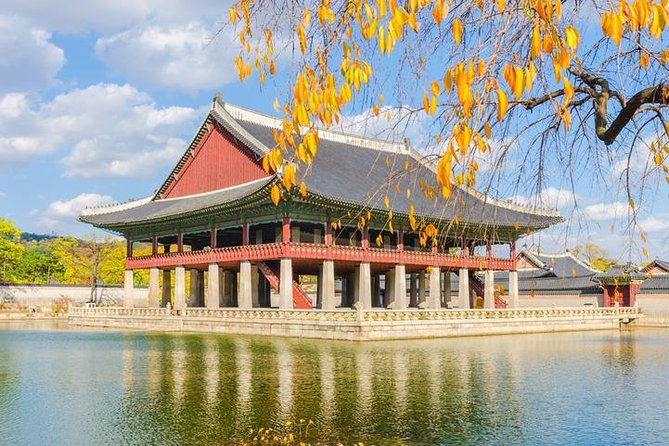
Starting at Gyeongbokgung Palace: the changing-of-guards moment
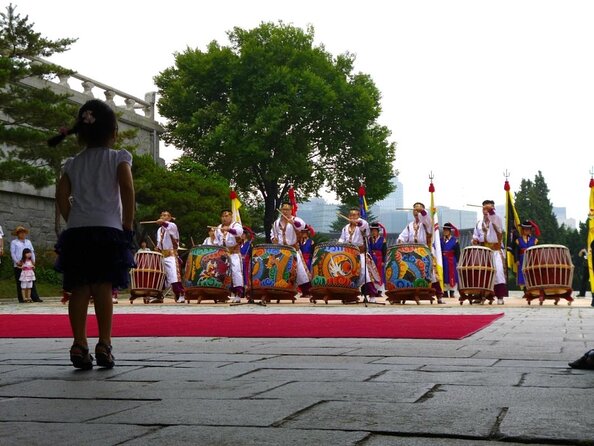
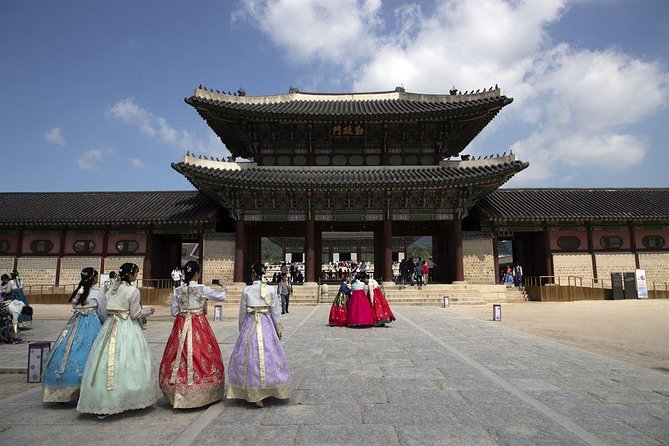
Gyeongbokgung Palace is the headline stop for many Seoul itineraries, and on this day it’s treated like more than a photo stop. You’ll start with the Changing of the Guard Ceremony and then head deeper into the palace to see the architecture up close.
Why this stop works: the ceremony sets the tone. It’s a quick, high-impact intro to royal power and court formality. Then the extra time inside the grounds helps you look beyond the main entry points and understand what palace design was built to communicate.
What to watch for: the palace admission is not included. You’ll want to plan for that cost and arrive with enough time to avoid stress. Also, palaces mean walking and standing for parts of the day. If your knees get cranky, bring comfortable shoes and expect some uneven surfaces.
National Folk Museum of Korea: learning how people lived (birth to afterlife)
After the palace, the day shifts to the human scale at the National Folk Museum of Korea. You’ll talk through how Korean life is framed across major life stages, including beliefs about the afterlife. The museum visit is short, but it’s designed to give you a storyline rather than disconnected facts.
Why this stop matters: Korean history can feel abstract when you only see dynasties and kings. This museum grounds everything in everyday routines and cultural beliefs. Even if you only spend about half an hour, the guide’s pacing helps you leave with a sense of what mattered to ordinary people, not just rulers.
Time reality: about 30 minutes goes quickly. You won’t get every hall and every object. The value here is direction—having someone point you to the most meaningful threads so you don’t wander and lose the plot.
Bukchon Hanok Village: seeing tradition without turning it into a postcard
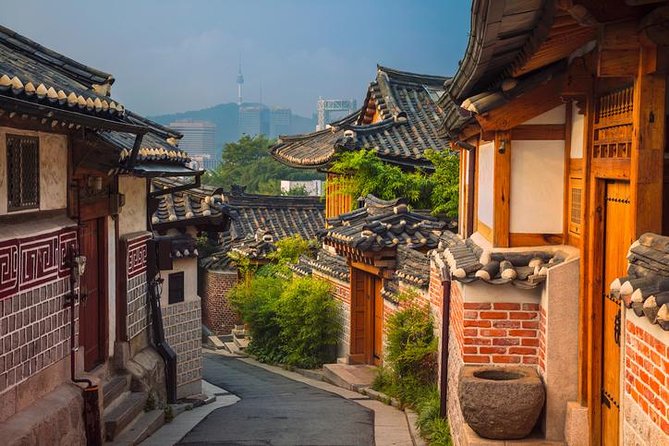
Next comes Bukchon Hanok Village, where you’ll see a traditional Korean neighborhood and the fact that people still live in hanok homes. You’ll spend enough time to orient yourself and walk the lanes, not just stand at a viewpoint.
What you’ll likely notice: Bukchon can look like a living museum, but it’s also a neighborhood. That changes how you should behave. You’re not there to treat it like a stage set. Look, respect, and keep moving.
Possible drawback: because this is still a neighborhood, it can feel more constrained than a museum or palace courtyard. Streets and pathways can require careful steps, especially if you’re in a group with different walking speeds.
If your goal is to understand how older architectural patterns still shape daily life, Bukchon is a strong mid-day anchor.
Insadong: art legacy plus practical souvenir hunting
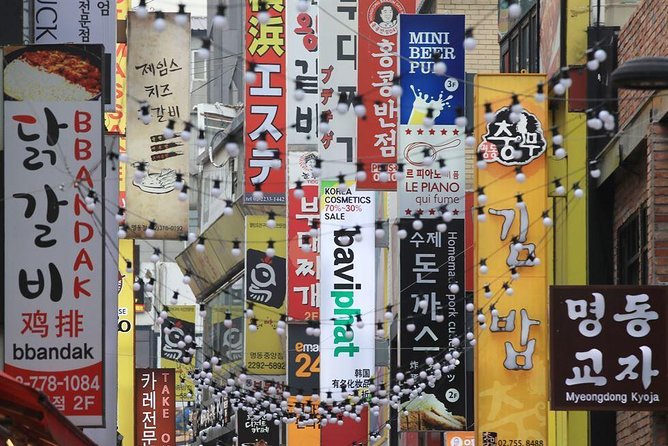
Insadong is where the day turns social and creative. You’ll walk through the area connected to the king’s guild—artists and designers who made works commissioned for royal use. Today it functions more like an antique-style lane where you can pick up Korean souvenirs.
Why I like this stop in the middle of the day: it breaks up the more serious history tone. And it’s not random shopping. There’s a reason this neighborhood became associated with art and craft—your guide’s context helps you shop with eyes open.
Shop smarter tip: if you want gifts, set a small budget before you arrive. Insadong is easy to overspend in because the items are culture-heavy and easy to romanticize. Decide what you’re buying first: small art prints, crafts, or something food-related, if you prefer edible souvenirs.
Time note: about 45 minutes is plenty for a focused browse. If you want a slow, lingering shopping spree, you may feel mildly rushed.

Jogyesa Temple: Buddhist roots still shaping the country
Jogyesa Temple is a quieter, reflective stop compared to palaces and market energy. The visit is brief, but it’s timed well, giving you a pause after Insadong’s streets and before the final stretch.
Why this stop is useful: the temple is tied to Buddhism as the country’s national religion historically. Your guide’s explanations help you connect temple life to larger cultural identity, not just aesthetics.
What to do with this time: pay attention to how the space feels, not only what you see. Even in 20 minutes, you can catch the difference between a historic monument and a place that still functions spiritually.
Cheonggyecheon Stream: a city walk with built-in stories
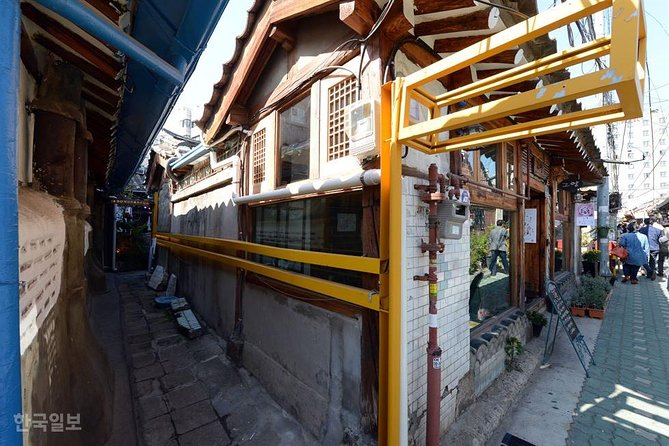
After temples, you’ll walk along Cheonggyecheon Stream and hear the stories behind it. This stop is only about 30 minutes, but it offers a very different kind of context—how Seoul reshaped itself while keeping narrative threads.
Why it works on a full-day tour: it’s a low-effort movement break. You’re still walking, but the environment is calmer than lanes filled with shops or crowds pressing toward markets.
How to enjoy it: use this as your mental reset. Look at the waterway as a piece of city planning, then let the guide’s history layer stick. It’s the kind of moment that turns a long day from tiring into enjoyable.
Kwangjang Market: history you can eat
You’ll end with Kwangjang Market, introduced as a market with deep roots—about 600 years of history. The story is practical: it started out selling linens for special occasions and later reinvented itself into a go-to place for Korean comfort street food carts.
Why the market is the right finale: after a day of architecture and museums, food is what makes the culture stick. You don’t need to understand every historical detail when you can taste the result.
Food reality check: the tour gives you time to walk the market, but it doesn’t promise a set menu. So your experience will depend on what you choose to eat and how adventurous you feel with street food.
My practical advice: come hungry, keep cash or a payment method ready, and don’t commit to the first stall you see. Markets reward a quick comparison, especially if you want to sample a couple of items instead of one big meal.
Transportation and timing: why the route feels comfortable
This is built around an air-conditioned vehicle, with comfort between locations. For a full day, that matters more than it seems. Palaces, museum districts, and market areas don’t cluster neatly unless you plan carefully, and this itinerary does the planning for you.
Pickup is free anywhere in Seoul, and the tour runs starting at 9:00 am. If you’re the kind of person who wakes up slowly, set multiple alarms. Starting early helps you catch palace programming and still finish with energy for the market.
Also, this is a private tour, so you’re not stuck with the slowest walker in a big crowd. On the flip side, private doesn’t mean painless. You still do a full day of walking, just with control over pacing.
The guide is the real difference
The best part of this kind of history tour is rarely the map. It’s the guide’s ability to connect the stops into one story about Seoul and the Joseon Dynasty.
Some guides have been praised for making the day feel like a window into daily life, not just royal power and artifacts. Others have been singled out for being patient and friendly with guests who need extra time. That kind of support is worth paying for on a day that includes both palaces and market lanes.
There’s also a realistic caution. If your guide’s style leans too heavily on turning the day into extra walking or parking far from stops, the experience can feel less like a vehicle-based tour and more like you are doing it on your feet. My advice is simple: at the start, confirm where the vehicle will pick you up after each stop, and don’t be shy about asking for a clearer plan.
With the right guide, the day feels smooth. With the wrong expectations, it can feel messy.
Who should book this Gangbuk history day
This tour fits best if you want:
- A focused introduction to Gangbuk without hopping lines on public transit all day.
- A tour that connects palace, temple, folk culture, and market food into one narrative.
- A private format for couples, small families, or small groups of friends.
It may be less ideal if you:
- Want a long, unstructured shopping spree with no time limits.
- Are very sensitive to walking on uneven surfaces in villages and palace areas.
If your travel style is short on time but big on context, this is a smart “one day, many chapters” option.
Should you book this tour?
If you want a comfortable private day in Seoul that covers the big cultural hits in Gangbuk, I think it’s a solid choice. The value comes from the group pricing, free hotel pickup in Seoul, and the way the route links history to daily life through palace, folk museum storytelling, and temple context.
Book it if you’re excited by the idea of a market ending your day, not just another museum. Skip it only if you’re highly budget-sensitive on tickets and you hate being responsible for your own lunch and the palace admission.
If you do book, bring good walking shoes, plan for an admission ticket at Gyeongbokgung, and arrive ready to let the guide connect the places.
FAQ
How long is the Korean History and Heritage Tour?
It runs about 7 hours.
Is this tour private?
Yes. Only your group participates.
How many people are in a group?
The price is per group of up to 6.
Where does hotel pickup happen?
Pickup and drop-off are provided free of charge from anywhere in Seoul.
Is there a surcharge for pickup outside Seoul?
Yes. Pickups outside Seoul but within Gyeonggi Province add a $50 surcharge.
What time does the tour start?
The start time is 9:00 am.
Are tickets included for all stops?
No. The changing of the guard at Gyeongbokgung Palace has admission not included. The other listed stops include free admission.
Is lunch included?
No. Lunch is not included.
Is there an air-conditioned vehicle?
Yes. An air-conditioned vehicle is included.
Does the tour provide a mobile ticket?
Yes. Mobile ticket is included.
FAQ
Can I cancel for a refund?
You can cancel for a full refund up to 24 hours before the experience starts.
Is the tour wheelchair or accessibility friendly?
Most travelers can participate. Service animals are allowed.
(End of review.)