REVIEW · WAIKATO
Waikato: Ancient Forest Guided Tour
Book on GetYourGuide →Operated by Sanctuary Mountain Maungatautari · Bookable on GetYourGuide
A forest that stays safe for birds. This Waikato guided tour inside Sanctuary Mountain Maungatautari lets you step into a predator-proof slice of ancient New Zealand bush at Te Tūī a Tāne.
I especially like two things: a guided walk where you learn what you’re seeing, and the chance to spot rare species in a place built for them to survive.
The biggest heads-up for me is logistics: there’s no hotel pickup, so you’ll want to get yourself to the Sanctuary Mountain Maungatautari Visitor Centre at 99 Tari Road, Pukeatua.
In This Review
- Key Points You’ll Actually Care About
- Entering Maungatautari’s Predator-Proof World
- Te Tūī a Tāne: The Guided Forest Walk (and Why the Trails Matter)
- Birdwatching Targets: What You Might Spot on the Day
- Conservation Stories: Over 3,000 Kiwi and the Bigger Picture
- Climbing the Viewing Tower Above the Canopy
- Your Included Sanctuary Explorer Day Pass: Plan How to Use It
- Price and Value: Is $40 for 90 Minutes Worth It?
- When This Tour Fits Best (and When to Skip It)
- Should You Book Waikato’s Ancient Forest Guided Tour?
- FAQ
- Where does the tour start?
- How long is the Waikato Ancient Forest Guided Tour?
- Is the tour a small group?
- What language is the live tour guide?
- What should I bring, and what’s not allowed?
- Is the Sanctuary Explorer Day Pass included?
Key Points You’ll Actually Care About

- Predator-proof sanctuary setting: The Southern Enclosure is protected by the world’s longest multi-species predator-proof fence.
- A guided walk through Te Tūī a Tāne: Gently graded trails under tawa, rewarewa, rimu, and northern rātā.
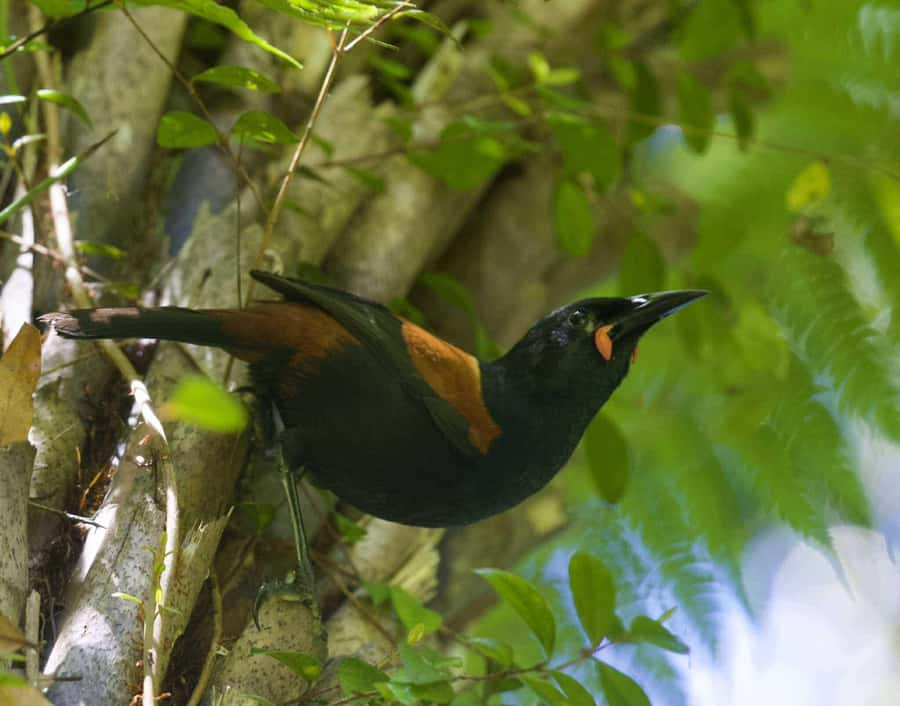
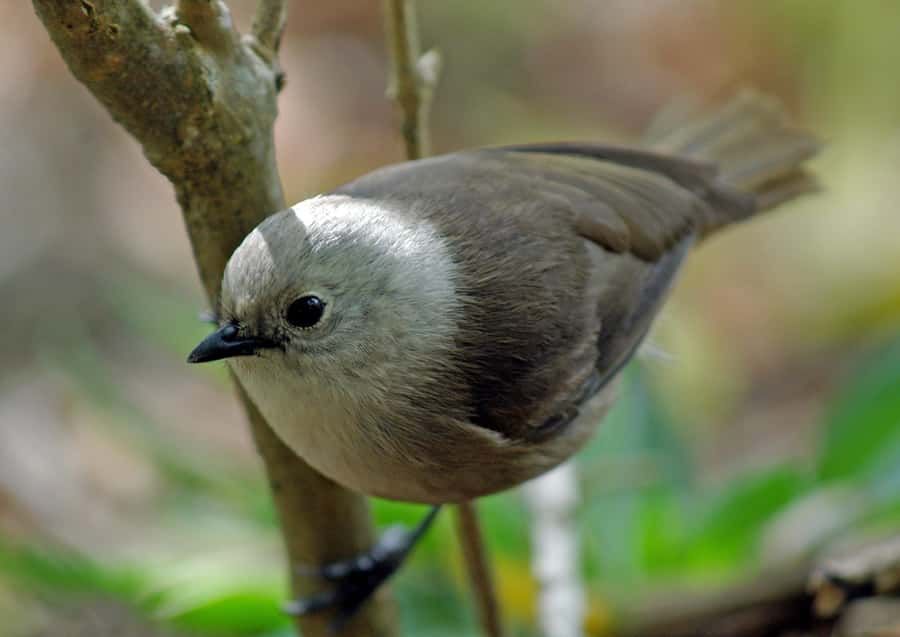
- Bird spotting can be real, not just hopeful: You might see tūī, bellbirds, tīeke, hihi, tomtits, robins, fantails, kererū, and kākā.
- You get a tower payoff: Climb up for a view above the forest canopy.
- You’re not done after 90 minutes: Your price includes a Sanctuary Explorer Day Pass for more exploring.
Entering Maungatautari’s Predator-Proof World
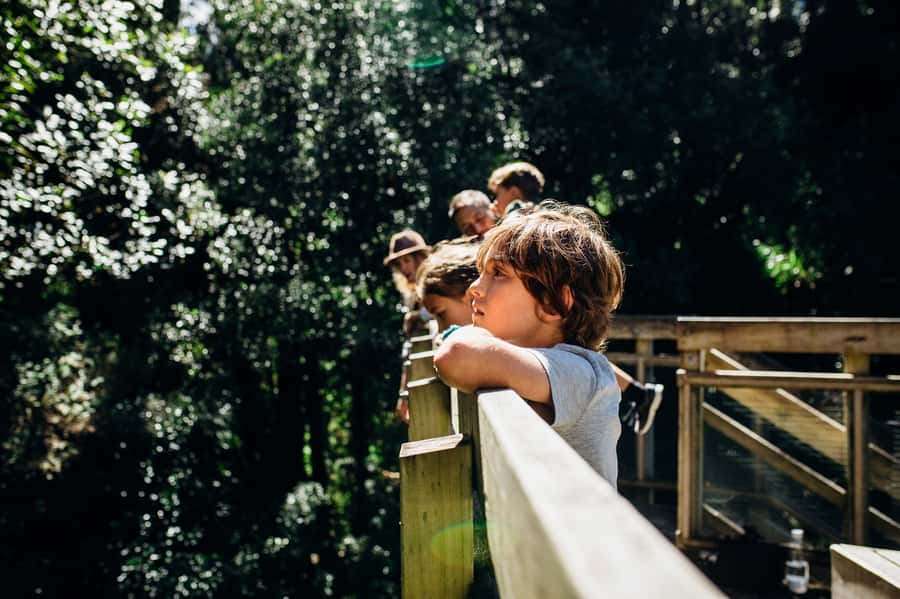
This tour is based at Sanctuary Mountain Maungatautari in the Waikato, and the whole experience makes more sense once you understand the fence. The Southern Enclosure is protected by the world’s longest multi-species predator-proof fence. That means birds and other native wildlife are given a safer shot than they would be in most places across New Zealand.
When you cross into that protected area, the forest feels different because the rules are different. The tour is designed around that idea: you come to a place where conservation isn’t abstract. It’s something you can see in the trees, hear in the birdsong, and measure in the species that are thriving.
You’ll also learn that this isn’t just a one-off project. It’s a community-powered vision tied to Predator Free 2050. The guide talks about the people behind the work, which helps you understand why this sanctuary exists and why it’s still growing.
Te Tūī a Tāne: The Guided Forest Walk (and Why the Trails Matter)
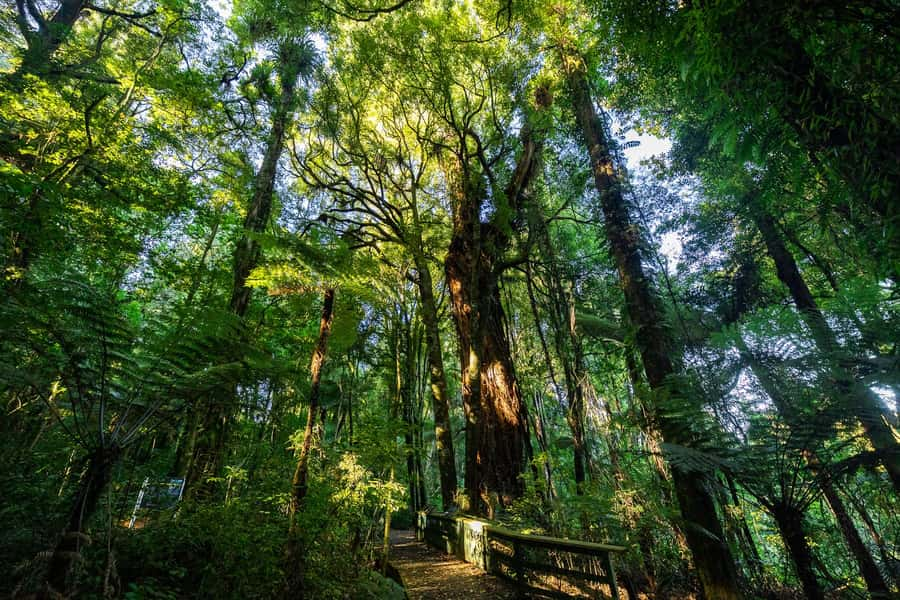
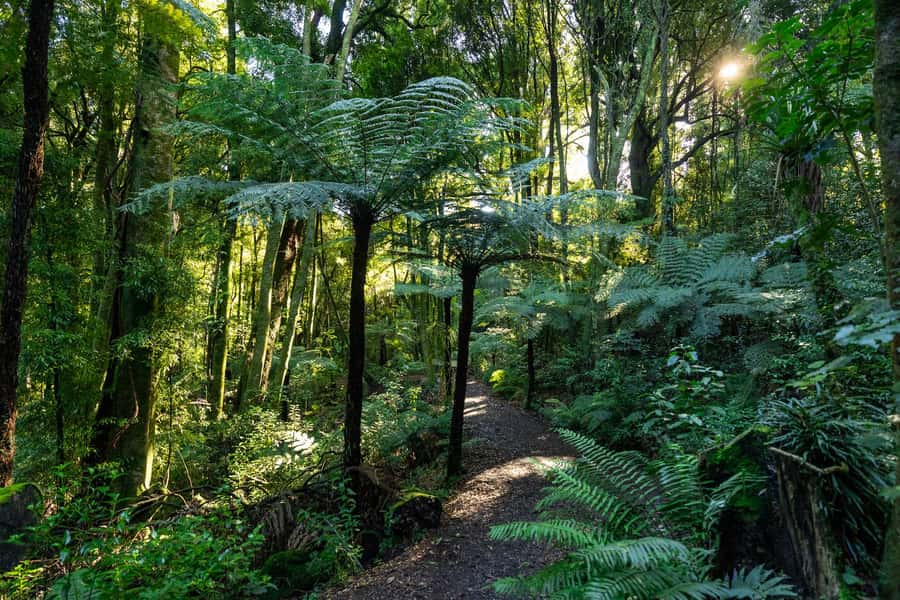
The main event is a guided walk in Te Tūī a Tāne, through a living remnant of Aotearoa’s wild past. The trails are gently graded, which is important because it keeps the experience from becoming a pure workout. At 90 minutes total, the pace is meant to be comfortable enough for listening, stopping, and asking questions.
You’re walking under big native trees—tawa, rewarewa, rimu, and northern rātā. Those names matter because the guide uses the forest structure to explain habitat. In other words, you’re not just collecting bird names. You’re learning how the canopy and forest layers relate to the birds and other species living there.
If you’re the type who likes to look closely, this part rewards you. Your eyes keep snagging on movement in branches, small calls that you can’t place at first, and the tiny details that show up when someone points them out.
Birdwatching Targets: What You Might Spot on the Day
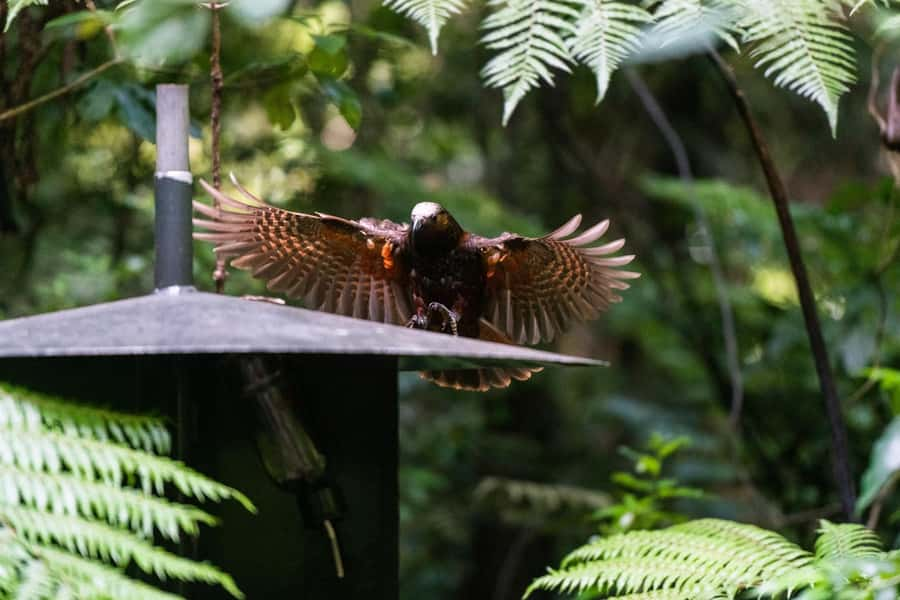
Birding here isn’t built on a promise. It’s built on opportunity, and the sanctuary setup improves the odds. The tour keeps a focus on birds you can actually expect to encounter in this protected forest.
Here’s the list of birds you might spot during the walk and around the clearing:
- tūī and bellbirds
- tīeke and hihi
- tomtits and North Island robin
- fantails and kererū
- cheeky kākā
- and you may even spot a wētā tucked into its wooden hotel
What I like about this approach is that it turns birdwatching into a scavenger hunt with context. Instead of wandering with your fingers crossed, you get specific species to watch for, and you learn why each one is significant in this ecosystem.
Also, don’t skip the quiet moments. The guides encourage you to listen for birdsong while you scan. In a predator-proof setting, you can often spend less time panicking about whether you’ll see anything and more time picking out calls.
Conservation Stories: Over 3,000 Kiwi and the Bigger Picture
The sanctuary isn’t only about birds you can spot right away. The guide also covers what’s been brought back and what the fence and habitat management have made possible.
You’ll hear about rare and endangered species that call the area home, including kōkako and rifleman. The tour also notes that the sanctuary supports over 3,000 kiwi. That number gives you a reality check: this is a serious conservation effort, not a casual nature walk.
One of the most valuable parts for me is the way the guide connects conservation to community action. You’re walking inside a protected enclosure, but the story includes the volunteers and workers who keep the project going. It’s the kind of context that makes your visit feel purposeful, because your understanding of the place goes beyond scenery.
And since the tour includes a day pass afterward, it reinforces a simple idea: conservation is ongoing. You’re supporting it today, but the work doesn’t stop when the guide finishes.
Climbing the Viewing Tower Above the Canopy
The finale is a climb to a viewing tower. This is where you get a different angle on the forest you’ve been walking through.
From up high, you can see the canopy and grasp how the forest’s layers relate to the habitat. It’s also a great reset after birdwatching on foot. The pace slows, your attention widens, and the space starts to look like a complete system instead of a line you walk along.
One practical note: you’ll want warm clothing. The tour specifies warm clothing, and the forest can feel cooler than you expect, especially when you’re standing still during the tower segment.
Even if you’re not the biggest fan of heights, the view is the point here. This is one of those tours where the extra effort (the climb) turns into a meaningful payoff.
Your Included Sanctuary Explorer Day Pass: Plan How to Use It
The tour price includes a complimentary Sanctuary Explorer Day Pass. That changes how you should think about time. You’re not only buying 90 minutes of guiding. You’re also buying the chance to return and keep exploring with the pass.
Use the visitor area to get oriented and take your time afterward. The tour includes use of visitor center facilities, so you can warm up, check out interpretive space, and set yourself up for a quieter walk when you’re done with the guide.
This added time also helps if wildlife viewing is slow on your tour window. You can look again later, revisit the forest clearing, or simply enjoy the sanctuary setting at your own speed.
If you’re doing this as part of a bigger Waikato road trip, the day pass makes it easier to fit in without over-scheduling. You can see one guided highlight and then keep your day flexible.
Price and Value: Is $40 for 90 Minutes Worth It?

At $40 per person for about 90 minutes, the tour isn’t competing with bargain attractions. But the value comes from what’s included and what your ticket supports.
You’re paying for:
- a guided walk through protected sanctuary forest
- entrance fees
- visitor center facility use
- a small group size (limited to 5 participants)
- and the Sanctuary Explorer Day Pass after the tour
That small group matters. When the group is limited to five, questions are easier and the guide can slow down when something is happening in the trees. It also makes the walk feel more like a focused experience rather than a rushed stamp-through.
The conservation angle is the big part of the math. Your booking directly supports protection of rare species and the ongoing success of the sanctuary. If you care about conservation work that has measurable results—like predator control and the survival of native birds—this price can feel like a fair way to participate.
When This Tour Fits Best (and When to Skip It)
This tour is a great match if you want:
- a guided nature experience with real conservation context
- a bird-focused walk in protected forest
- a high chance of seeing native species because the setting is designed for wildlife recovery
- a small group, question-friendly format
It’s also a good choice for people who don’t want a long hike. You get enough time to learn, look, listen, and still finish with the tower view.
I’d think twice if you’re expecting a long, strenuous trek. This is mainly a gently graded walk, but there is a tower climb, and you’ll want comfortable shoes and warm layers. And because there’s no hotel pickup, you need to be able to drive or otherwise reach the Visitor Centre at 99 Tari Road, Pukeatua.
Should You Book Waikato’s Ancient Forest Guided Tour?
If you want a guided walk that connects forest, birds, and conservation in one place, book it. The predator-proof setting is the key advantage: it changes the odds for wildlife, and it turns your visit into more than a photo stop.
Book now if:
- you’re in the Waikato and can get to Sanctuary Mountain Maungatautari by your own transport
- you like structured birdwatching with a guide
- you’d like a day pass so you can explore at your own pace after the tour
Hold off if:
- you need a tour with hotel pickup
- you’re not comfortable with a short walk plus a tower climb
- you’re mainly looking for a quick drive-through attraction
FAQ
Where does the tour start?
The tour meets at the Sanctuary Mountain Maungatautari Visitor Centre, 99 Tari Road, Pukeatua, New Zealand.
How long is the Waikato Ancient Forest Guided Tour?
It runs for about 90 minutes. Daytime start times depend on availability, so you’ll want to check scheduling when you book.
Is the tour a small group?
Yes. The group is limited to 5 participants, which makes it easier to ask questions and pay attention to what the guide is pointing out.
What language is the live tour guide?
The tour is guided in English.
What should I bring, and what’s not allowed?
Bring comfortable shoes and warm clothing. Pets are not allowed, and dogs are not permitted anywhere on Sanctuary Mountain Maungatautari.
Is the Sanctuary Explorer Day Pass included?
Yes. A complimentary Sanctuary Explorer Day Pass is included with the tour price, and entrance fees and visitor center facility use are also included.