REVIEW · DARJEELING
Heritage & Cultural Walk of Darjeeling (2 Hours Guided Tour)
Book on GetYourGuide →Operated by Yo Tours · Bookable on GetYourGuide
Two hours can change how you see Darjeeling. This Heritage & Cultural Walk is a fast, friendly introduction to the city through storytelling that mixes history, cheeky celebrity tidbits, and old-city details, plus a hands-on tea tasting lesson. I like that the guide keeps you moving through real neighborhoods rather than a quick pass at souvenirs. One possible drawback: it’s a walking tour with no hotel pickup, so you’ll want to plan how you’ll reach the start point and pace yourself.
I also like the format because it’s a private group feel, even though it’s only 2 hours long. You’ll hit iconic Darjeeling landmarks like the Governor’s House, then shift into side streets, small lanes, markets, and quieter nooks where the city feels lived-in. Guides such as Lokesh and Samir bring the stories clearly in English and Hindi, and they adjust as your interests pop up.
In This Review
- Key highlights at a glance
- A Short Walk With a Big Purpose in Darjeeling
- Governor’s House: A Landmark That Sets the Tone
- Hidden Lanes and Forgotten Corners (Where the City Feels Real)
- Markets and Local Life: Learning by Conversation
- Tea: From Cultivation to Processing to Tasting
- The Guide Factor: Why Lokesh and Samir Matter
- Pacing and What You Might Wish Was Different
- Practical Tips So You Enjoy Every Minute
- Price and Value: What $23 Really Buys You
- Who This Tour Fits Best
- Should You Book This Heritage & Cultural Walk of Darjeeling?
- FAQ
- How long is the Heritage & Cultural Walk of Darjeeling?
- What is the price per person?
- Is this tour a private group?
- What languages does the live guide speak?
- Will we see the Governor’s House?
- Does the tour include tea cultivation, processing, and tasting?
- Are hotel pickup and drop-off included?
- Is a water bottle included?
- Is there access to smaller lanes and quieter areas?
- What is the cancellation policy?
Key highlights at a glance
- Governor’s House as a memorable anchor for the walk’s bigger story
- Hidden lanes and forgotten nooks in Darjeeling’s older core
- Local markets and street-life moments for everyday culture, not staged stops
- Tea cultivation, processing, and tasting explained as a complete journey
- English and Hindi guidance with conversation you can actually follow
- Story-first pacing that mixes history, fun facts, and a bit of mischief
A Short Walk With a Big Purpose in Darjeeling
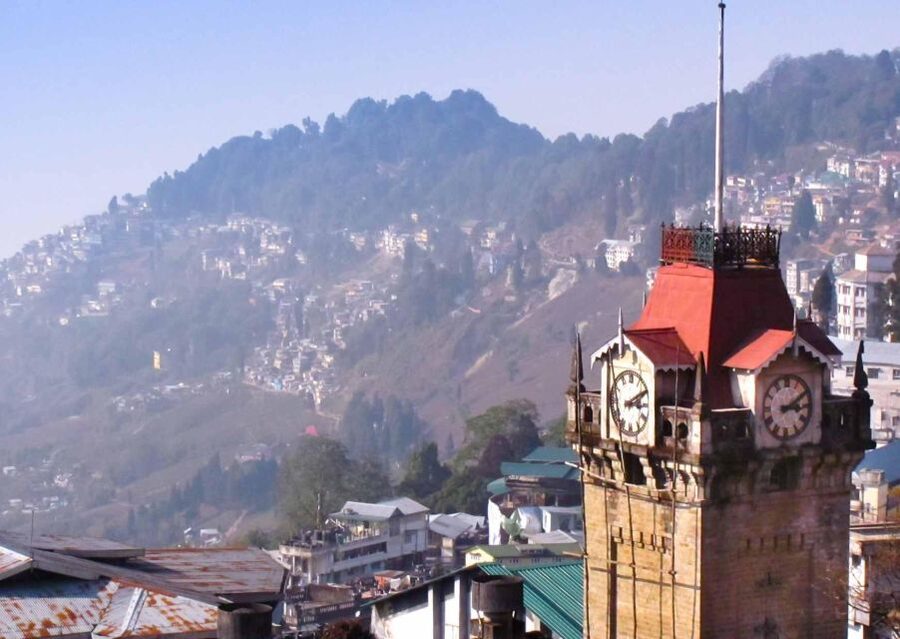
Darjeeling can feel like it has layers on top of layers: colonial-era landmarks, hill-town life, and the tea story running through it all. This tour is built for that first day, when you want your bearings fast and you’d rather learn the city than just look at it.
I like that it’s not trying to be a marathon of sights. In 2 hours, you get a guided orientation to history and culture, plus practical street-level insight from someone who knows what matters locally. The experience also keeps things lively with an infotainment style—meaning you’ll get facts, but they’re wrapped in anecdotes and real talk, not lecture mode.
Just remember it’s a walking-focused experience. If you’re expecting lots of time parked in front of grand buildings, you may feel time-compressed.
You can also read our reviews of more walking tours in Darjeeling

Governor’s House: A Landmark That Sets the Tone
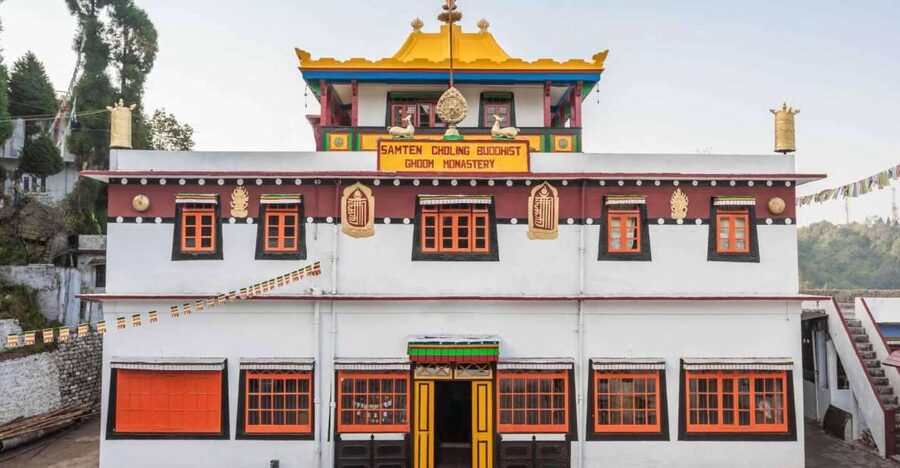
The walk’s early anchor is the Governor’s House—one of those recognizable Darjeeling landmarks that helps you understand why this hill town became so tied to British administration and governance. Seeing it isn’t just about checking a famous spot. It’s about using the landmark as a starting point for bigger stories about the city’s evolution.
What makes this stop valuable is how your guide uses it to frame what comes next. You’re not just looking at architecture; you’re learning why the area developed the way it did, and how people’s lives shaped the city’s changing identity. If you’re the type who likes context—why things are where they are—this portion will feel like a good investment.
There’s also a practical side: a landmark like this gives you a reference point in your head. After a couple of streets, you’ll likely find it easier to orient yourself independently.
Hidden Lanes and Forgotten Corners (Where the City Feels Real)
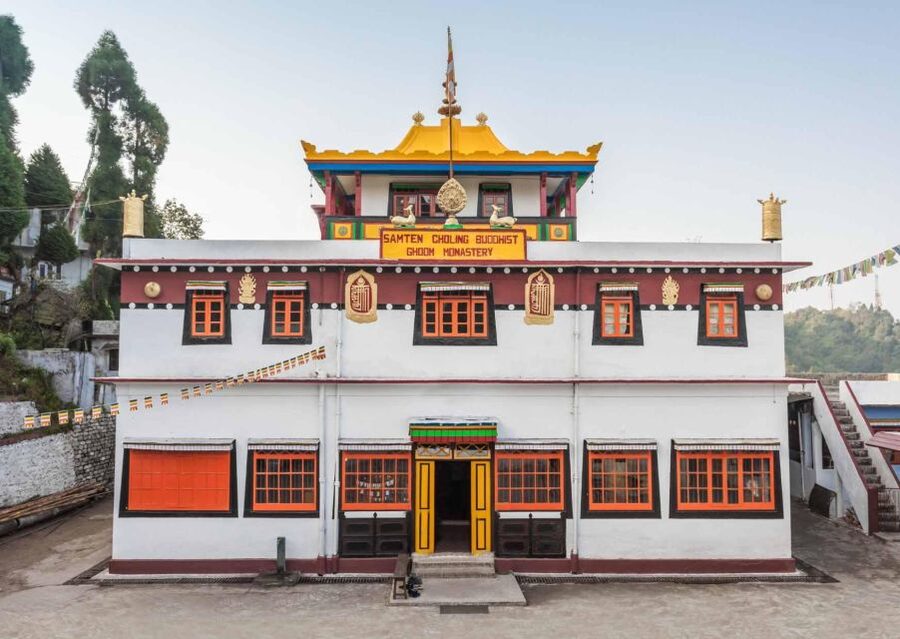
Darjeeling’s best charm often hides in the in-between places: the small lanes that connect the big points, the quieter blocks that don’t make it into most quick photos, and the everyday paths people actually use.
That’s where this walk earns its keep. The tour includes access to hidden lanes and places, plus forgotten nooks of the old city. I like this approach because it turns your first visit into something more personal. Instead of a checklist of landmarks, you’re getting a sense of how neighborhoods link together—how the city flows.
These side streets also make your photos better, even if you’re not hunting for Instagram angles. The details are the story: shopfront life, narrow street geometry, and the little markers of daily routines.
If you’re the type who loves strolling, this is your moment. If you’d rather see only the major monuments and skip the smaller streets, you might feel you’re moving too quickly through the less-famous parts.
Markets and Local Life: Learning by Conversation

One of the strongest parts of this experience is the emphasis on local life. You’ll get to see markets and street activity up close, and you’ll have time to interact with locals through the lens your guide provides.
This matters because markets are where cultural reality shows up fast. You see how people talk, what they prioritize, what’s convenient, and what’s worth buying. It’s not only about shopping. It’s about learning how Darjeeling functions day to day.
Your guide also offers local tips and recommendations to save money and explore the best of the city. That’s a big deal for first-timers. Instead of guessing which area is good to revisit later, you’ll come away with grounded suggestions that match the way locals approach the city.
And since the tour is led by a friendly storyteller who speaks English and Hindi, you’re not stuck deciphering everything on your own. The tour is built to keep you in the loop.
Tea: From Cultivation to Processing to Tasting

Darjeeling is tea country, but most short visits treat tea like a souvenir. This tour treats it like a process. You’ll learn the art of tea cultivation, processing, and tasting—so you understand what you’re drinking beyond the label.
I really value this kind of explanation because it changes your later experiences. After the tasting segment, you’ll be able to ask smarter questions and notice differences more easily. You also get a framework for how tea moves from plant to product, which helps you make sense of what’s common in the region.
One practical note: since the tour includes tasting as part of the experience, it’s worth keeping your schedule flexible and not planning a heavy meal right afterward. It’s also a reason to bring a little curiosity with you—tea knowledge tends to stick when it’s paired with a simple sensory moment.
The Guide Factor: Why Lokesh and Samir Matter

In a tour like this, the guide is the product. The good news is that this experience leans hard into the storytelling role. The guides are described as friendly and easy to understand, and they share stories with kindness and honesty.
Names that stand out in the experience include Lokesh and Samir. They’re praised for sharing their love and knowledge of Darjeeling while taking people through small streets and pathways and explaining both past and present.
What I like about this style is the balance: history gets explained, but it’s paired with real-world color. You’ll also hear mildly scurrilous talk about past and present celebrities and defunct royals—think playful context, not a dry museum script. That combination keeps the walk from turning into a straight line of facts.
There’s also a practical benefit to this approach. When the guide adapts to what interests you, you’re less likely to feel like you’re being marched through someone else’s agenda.
Pacing and What You Might Wish Was Different
Two hours is short. That’s a feature if you’re trying to get oriented and learn fast. It can be a drawback if you want extended time observing building details or covering a larger span of the city.
One concern that can come up with shorter walking tours is that the city sometimes feels slightly under-seen—especially if you’re hoping for more time on the built environment itself, not just stories about it. If your travel style is very architecture-focused, consider pairing this with another activity later in your trip so you get both story context and deeper sight time.
Also note that the route is walking-heavy. Comfortable shoes are recommended, and you should expect streets that are more about movement than smooth, flat sightseeing.
Practical Tips So You Enjoy Every Minute

A walking tour succeeds or fails based on comfort and readiness. Here’s what I’d do to make the most of it:
- Wear comfortable walking shoes. Darjeeling walking is more about steady footing than fashion.
- Bring a light layer. Even when the air is friendly, the hills can shift what you feel in the course of a 2-hour walk.
- Plan for communication. The experience recommends providing a WhatsApp number for easier and faster coordination.
- Water bottle: water isn’t included, so plan to carry your own (or buy locally before you head out).
Since there’s no hotel pickup or drop, make sure you know how you’ll get to the starting point and where you’ll end up afterward. That’s one of the biggest logistical reasons this tour is best for people who don’t mind navigating on their own for short distances.
Price and Value: What $23 Really Buys You
At about $23 per person for a 2-hour guided experience, this tour sits in the reasonable range for a guided walking format—especially because it includes a trained English/Hindi storyteller, access to smaller lanes and nooks, local tips to save money, and a tea cultivation-to-tasting learning segment.
Here’s the value logic I’d use: you’re paying for guidance, interpretation, and time. The guide’s job isn’t just to lead you from A to B. It’s to explain why Darjeeling looks the way it does, where the city’s identity comes from, and what you can do next with less guesswork.
If tea is on your agenda anyway, the tea segment can make the price feel even more fair because it connects your drinking experience to the region’s process and culture. If tea isn’t a priority for you, you’ll still get plenty from the Governor’s House anchor, old-city lanes, and market-level local life.
Who This Tour Fits Best
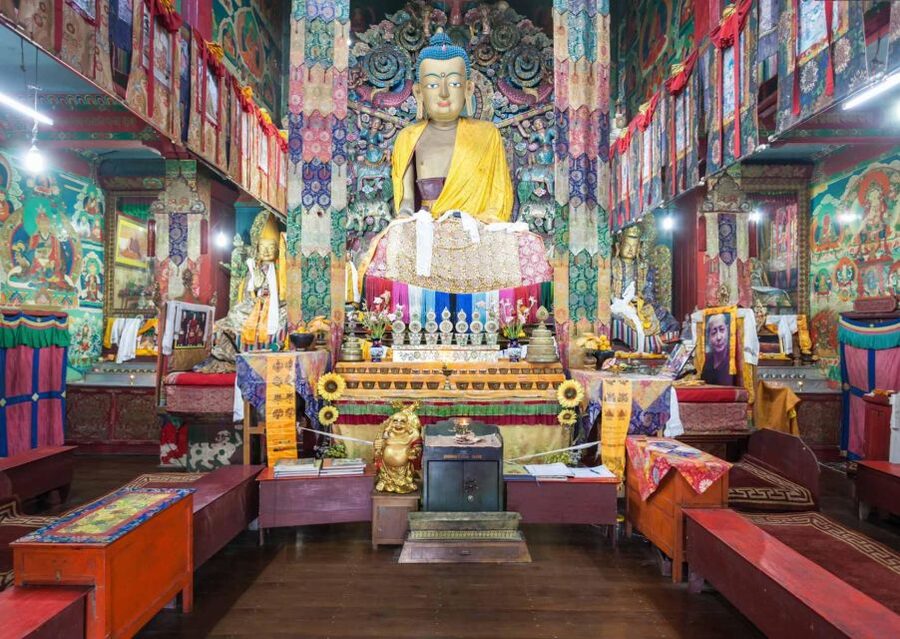
This Heritage & Cultural Walk is ideal if you want a first-day orientation and you learn best through stories, conversation, and context. I’d also recommend it for:
- First-time visitors who want Darjeeling explained without getting overwhelmed
- People who like tea culture but want more than a single taste
- Travelers who enjoy small streets and local atmosphere
- Anyone who appreciates a guide who adapts and keeps the pace lively
If you want a longer, in-depth architecture tour, or if you strongly prefer minimal walking, you might find the 2 hours a bit tight.
Should You Book This Heritage & Cultural Walk of Darjeeling?
If your goal is to understand Darjeeling quickly—through landmarks, markets, side streets, and a clear tea lesson—this is an easy yes. The strongest reason to book is the guide-led style: storytelling with substance, local tips that help you spend smarter later, and the tea cultivation-to-tasting segment that turns a common experience into something meaningful.
I’d skip it only if you’re short on walking tolerance or you’re chasing a more comprehensive sightseeing spree. Otherwise, $23 for a 2-hour, English/Hindi guided, private-group walk that connects Darjeeling’s past and present is good value.
FAQ
How long is the Heritage & Cultural Walk of Darjeeling?
It lasts 2 hours.
What is the price per person?
The price is listed as $23 per person.
Is this tour a private group?
Yes, it’s described as a private group.
What languages does the live guide speak?
The guide speaks English and Hindi.
Will we see the Governor’s House?
Yes, exploring the Governor’s House is listed as a highlight.
Does the tour include tea cultivation, processing, and tasting?
Yes. The experience includes learning about the art of tea cultivation, processing, and tasting.
Are hotel pickup and drop-off included?
No. Hotel pickup and drop are not included.
Is a water bottle included?
No. A water bottle is not included.
Is there access to smaller lanes and quieter areas?
Yes. The tour includes access to hidden lanes and places, plus forgotten nooks of the old city.
What is the cancellation policy?
Free cancellation is available up to 24 hours in advance for a full refund.