REVIEW · SHENZHEN
200-year-old Hakka Residence Tour +Ancient Buddhist temple
Book on GetYourGuide →Operated by Fantasia Tours · Bookable on GetYourGuide
That first step away from Shenzhen tech feels like a reset. You’ll get a rare mix: Hakka home life, a 1,000-year-old Buddhist temple, and the Longgang River wetland scenery.
What I especially like is how the tour makes everyday history feel real, not distant. You’ll see the Hakka residence’s original layouts and even spaces tied to daily routines, like a kitchen area and classrooms for Confucian learning. I also like the pacing: it stays relaxed, with time for photos and slow wandering around the temple grounds.
One thing to consider: it’s a walking tour. Wear comfortable shoes, and expect some walking between sites in a small-group route.
In This Review
- Key Highlights You’ll Actually Care About
- Getting Oriented: From Luohu to Old Shenzhen Quiet
- Entering the 200-Year-Old Hakka Residence (Luo Clan Built It)
- What You’ll Notice Inside
- A Small Caution
- Classrooms, Kitchens, and How Everyday China Worked
- Who This Stop Fits Best
- The 1,000-Year Buddhist Temple: Quiet Walks and a Lady God Pagoda
- What You’ll Experience on the Ground
- One Practical Note
- Longgang River Wetlands: Views That Explain Shenzhen’s Recovery
- Why This Stop Adds Value
- Jimmy’s Guide Style and the Small-Group Advantage
- Price and Value: Why $47 Makes Sense for 2.5 Hours
- Timing and Logistics That Affect Your Experience
- Should You Book This Tour?
- FAQ
- How long is the tour?
- How much does it cost?
- Where do we meet?
- Is the guide English-speaking?
- What’s included in the price?
- What’s not included?
- Is it a walking tour?
- How big is the group?
- Is it suitable for everyone?
Key Highlights You’ll Actually Care About
- 200-year-old Hakka residence with original layouts, including historic kitchen spaces and classroom areas
- Over 300 rooms across more than 25,000 square meters, built by the Luo Clan
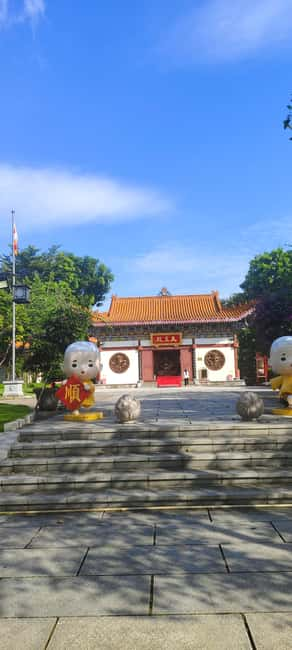
- A peaceful 1,000-year Buddhist temple complex, with multiple structures to explore
- A pagoda dedicated to a Lady god, plus a local wish-praying tradition
- Longgang River wetland views, where pollution filtering helped restore the area
- Small group of up to 5, led in English by a live guide
Getting Oriented: From Luohu to Old Shenzhen Quiet
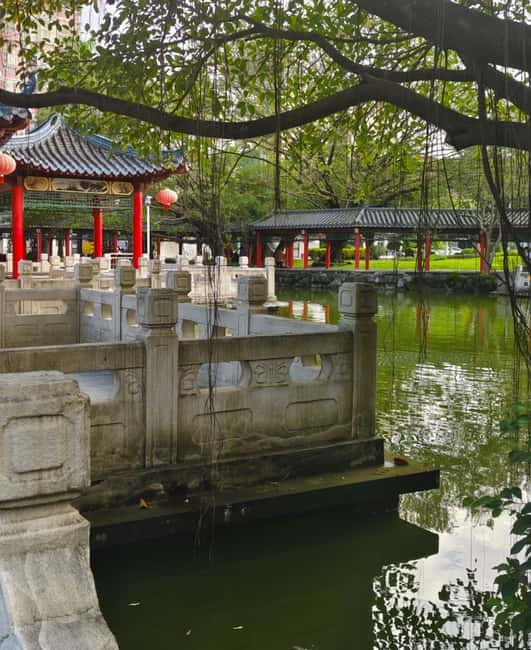
This tour is a smart antidote to Shenzhen’s constant building-and-scrolling rhythm. After meeting at 2pm at Line 3 Nanlian Metro station, exit C1 (南联站 C1出口), you’ll head toward an older layer of the city that most visitors miss.
If you’re staying near Luohu, you can think of it as about a 60-minute MTR ride, which makes the day feel doable even if you have limited time. It also helps that transport between the sites is included. Less logistics time means more time watching, reading, and asking questions.
The total duration is 2.5 hours, and the group size stays small (max 5). That matters here. When you’re inside places built for families and worship, you’ll want a guide who can answer questions without turning it into a race.
Entering the 200-Year-Old Hakka Residence (Luo Clan Built It)
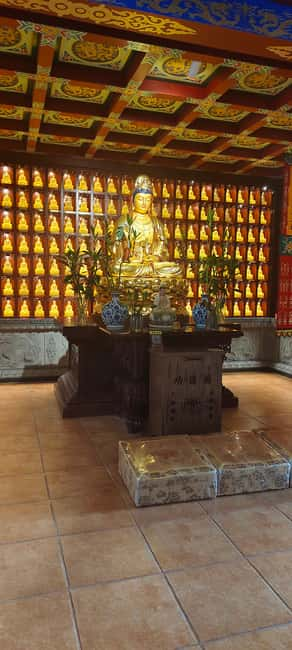
The big emotional payoff starts at the Hakka residence complex. This is not a single “pretty old building.” It’s a full housing world: a large ancestral and residential site shaped by migration and survival.
Here’s what makes it special in practical terms:
- It’s a 200-year-old complex built by the Luo Clan.
- The site covers over 25,000 square meters and includes more than 300 rooms.
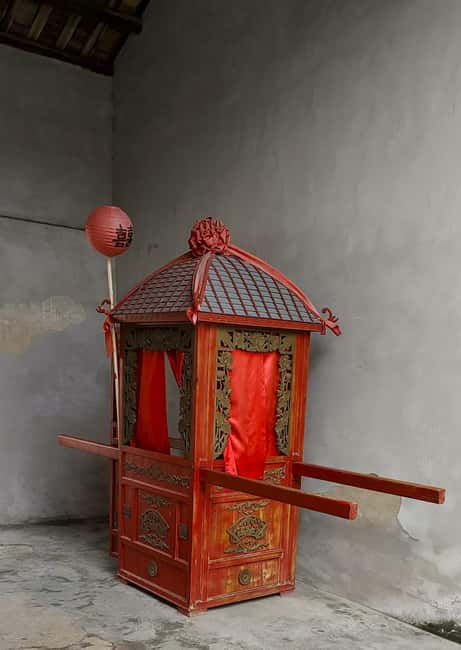
- You can still see original layouts and furniture, which helps you understand how space worked for real people.
The Hakka story matters too. The Hakka people migrated from central China toward the Shenzhen area around 500 years ago. So you’re not just looking at architecture. You’re seeing how a migrant community organized daily life in a new place.
What You’ll Notice Inside
As you walk through the residence, you’ll be guided through the logic of the compound: how rooms connect, how families used space, and how function shaped design. The tour specifically highlights areas that are still intact, including:
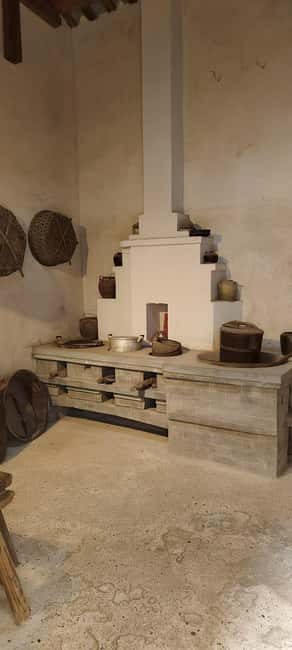
- Historic kitchen spaces, still ready for cooking
- Classroom areas where kids studied Confucianism
That last detail is a big reason I think this tour works. It turns the residence into a time capsule of education, household work, and social order, not just a backdrop for photos.
A Small Caution
This stop is packed with visual information. If you tend to rush, you might miss how the guide ties different rooms to daily routines. Slow down. Ask questions. With a group of five, your guide can actually respond.
Classrooms, Kitchens, and How Everyday China Worked
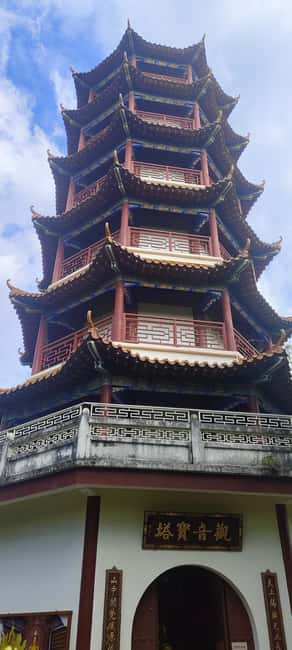
This is where the tour quietly shines. Many “old house” visits focus on walls and carvings. Here, you get the feel of how ordinary life functioned.
I like that the residence is described with enough specificity to matter. When you’re shown kitchen areas still intact, you get a sense of what food preparation likely looked like and how a household operated. When you’re shown classrooms for Confucian learning, it hints at the expectations placed on children and the idea that education wasn’t optional.
And because you can still see the original layouts with furniture, it’s easier to picture movement through the compound. You don’t have to guess as much. You can stand in a room and connect it to the everyday story your guide tells.
Who This Stop Fits Best
If you like history that explains daily life, not just kings and wars, you’ll enjoy this. It’s especially good if you’re traveling with someone who gets bored at “temple-photo stops.” This residence gives structure: family routines, education, and household labor.
The 1,000-Year Buddhist Temple: Quiet Walks and a Lady God Pagoda
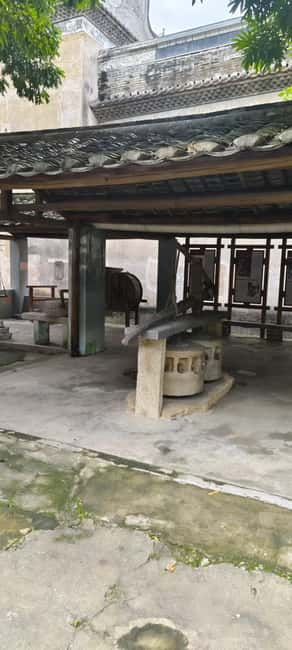
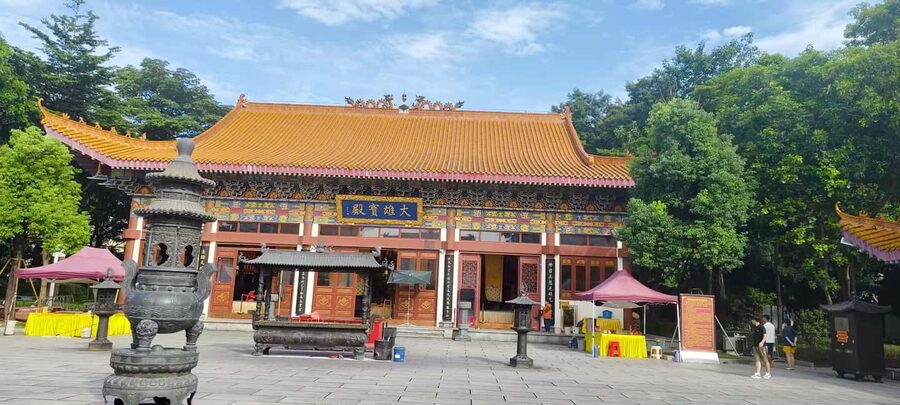
Next comes the tone shift: calmer, quieter, more reflective. You’ll visit a Buddhist temple complex with structures that together form the monastery atmosphere. The headline is the age—this is a 1,000-year-old site.
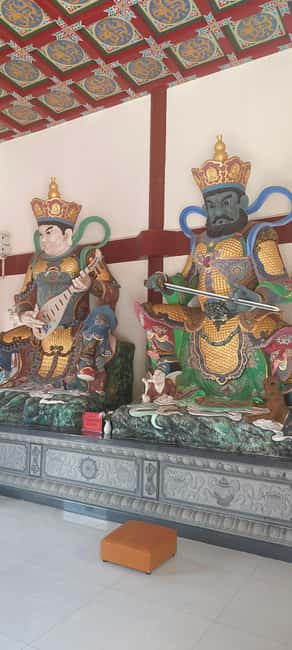
The tour highlights the variety of structures within the monastery grounds, including a pagoda dedicated to a Lady god. That detail makes the temple feel grounded in living tradition rather than just a museum object.
What You’ll Experience on the Ground
You’ll have time to walk the grounds at a peaceful pace. A temple visit is different from most attractions because you’re expected to notice small cues: where people gather, how quiet feels, what locals focus on.
There’s also a wish-praying moment tied to local practice. You can make a wish where locals pray for luck and fortunes. Even if you don’t treat it as a personal ritual, it’s a meaningful cultural moment to observe.
One Practical Note
Temple grounds often mean uneven surfaces and slower footwork. Combined with the overall walking tour format, plan your body for a leisurely stroll. If you’re traveling with anyone who hates stairs or uneven stone, consider bringing supportive shoes and taking your time.
Longgang River Wetlands: Views That Explain Shenzhen’s Recovery
After the temple, you’ll enjoy the scenery around the Longgang River. This part is one of those “quiet wow” moments.
Longgang River runs into the Shenzhen River, the waterway that separates Hong Kong and Shenzhen. Historically, Longgang River became one of the more polluted rivers in Shenzhen. Over the last decade, it was rehabilitated toward a more natural state by creating wetlands designed to filter out pollution.
That’s a big deal because it’s not just pretty scenery. The wetlands are a visible outcome of environmental repair—something you can literally walk beside and look at while your guide connects it to the broader city story.
Why This Stop Adds Value
You’ll likely already know Shenzhen for its skyline. The wetland segment adds a different lesson: progress can include restoration, not only construction. It also gives your legs a chance to reset after the temple walk and residence exploring.
Plus, it gives you a natural photo-and-breathing window.
Jimmy’s Guide Style and the Small-Group Advantage
Your guide can make or break a tour like this, and the English-language guidance here is a major strength. One of the guides, Jimmy, is highlighted for being funny, patient, and very good at explaining history in a way that sticks.
I like that his style isn’t just lecturing. It’s history you can question. You’re in a small group, so if something doesn’t make sense, you can ask and get an answer without feeling like you’re holding everyone up.
The same point applies to the overall group size: up to 5 participants. That keeps the tour human-scaled. For sites like a residence complex with many rooms and a temple with multiple structures, small-group pacing helps you actually see things instead of rushing past them.
Price and Value: Why $47 Makes Sense for 2.5 Hours
The price is $47 per person for 2.5 hours, including a guide and transportation between sites. It’s not a “cheap and cheerful” snack tour. You’re paying for two things that cost time and skill:
- someone to translate the stories behind spaces built for living and worship
- organized movement between sites so you don’t burn your day figuring it out
When you compare that to DIY, you’d be spending more time researching how the residence worked and what specific temple structures mean. Here, you’re paying to shorten that gap. For many travelers, that’s exactly the kind of value that turns a vague interest in history into a real understanding.
What’s not included is also important: meals and water aren’t part of the price. If you’re doing the tour from lunch-ish to early afternoon, bring a bottle if you can, or plan for a short stop after.
Timing and Logistics That Affect Your Experience
This tour starts at 2pm, meeting at Line 3 Nanlian Metro station, exit C1. A 2pm start is a good compromise: late enough to not feel like you lost your morning, early enough to avoid turning the day into a full-day grind.
Also, this is described as a walking tour. With only 2.5 hours total, the route is likely efficient. That means you should arrive ready to go—water, shoes, and your questions lined up.
One more consideration: it’s not suitable for pregnant women. If you’re in that situation, it’s worth looking for a different format with less walking and fewer uneven surfaces.
Should You Book This Tour?
Book it if you want history you can see and understand fast: a Hakka residence complex with intact everyday spaces, followed by a 1,000-year Buddhist temple for calm wandering, then a wetland scenery segment that shows environmental recovery. The small group and live English guide make it practical, not just scenic.
Skip it (or choose another option) if walking is a dealbreaker for you, or if you only want major landmarks with little time spent moving between spaces.
FAQ
How long is the tour?
The tour lasts 2.5 hours.
How much does it cost?
It costs $47 per person.
Where do we meet?
Meet at Line 3 Nanlian Metro station, exit C1 (南联站 C1出口) at 2pm.
Is the guide English-speaking?
Yes, the tour includes a live English guide.
What’s included in the price?
The price includes the guide tour and transportation between sites.
What’s not included?
Meals and water are not included.
Is it a walking tour?
Yes, it’s a walking tour, so comfortable shoes are recommended.
How big is the group?
It’s a small group, limited to 5 participants.
Is it suitable for everyone?
It’s not suitable for pregnant women.