REVIEW · HIROSHIMA
Hiroshima Heritage Trail: A-Bomb Dome, Castle, and Shukkien
Book on GetYourGuide →Operated by Hiroshima Wanderer · Bookable on GetYourGuide
Hiroshima hits you fast, and this tour explains why. You’ll move from Hiroshima Peace Park to the Atomic Bomb Dome and the Peace Memorial Museum, then shift gears to Hiroshima Castle and end with the calm of Shukkeien. It’s a thoughtful mix of what happened, what it means, and how the city breathes now.
I love that the experience is guided and structured, so you’re not just looking at sights—you’re getting context you can carry with you. I also like the private-group feel, which makes it easier to ask questions and go at your own pace instead of being swept along.
One possible drawback: this is a tour with real walking time and emotional content, so if you’re short on energy (or sensitive to heavy history), it may feel like a lot. Wear comfortable shoes and plan for a slower rhythm at the museum.
5 Key Things That Make This Tour Worth Your Time
- Peace Memorial Museum context: You get guided help understanding what led to the bombing and what followed.
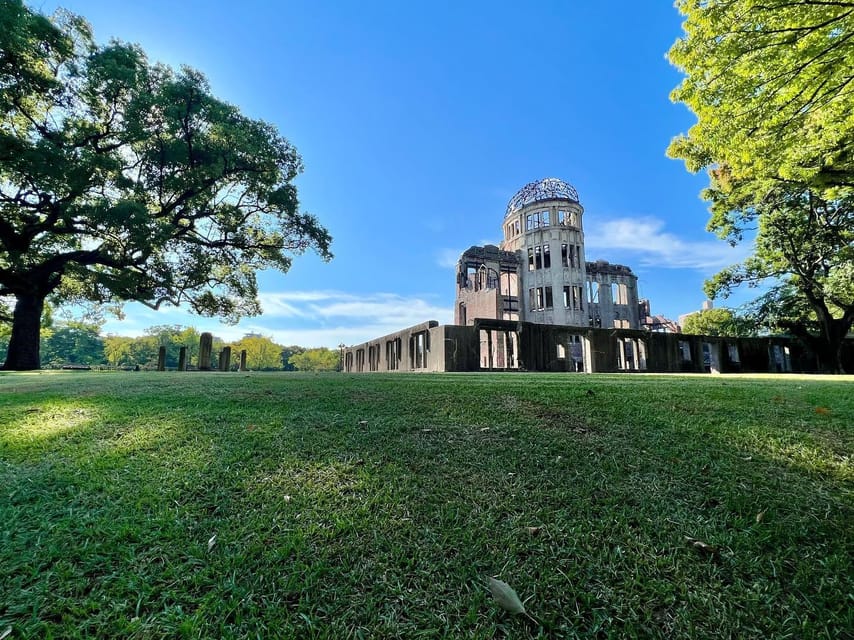
- Atomic Bomb Dome photo moment, with meaning: You see the iconic structure as a memorial, not just a stop.
- Hiroshima Castle inside-and-out perspective: Time is set aside to appreciate its feudal-era atmosphere.
- Shukkeien as a reset: After the heavier sites, you finish with a meticulously landscaped garden and peaceful ponds/bridges.
- Private-group pacing: Your group can stay together with a live guide and skip the ticket line.
In This Review
- Hiroshima’s Heritage Trail: A tour that starts with truth, then steadies your feet
- Where You Start: The Peace Memorial Mailbox and a smooth handoff into Peace Park
- Peace Park and the Atomic Bomb Dome: Emotional, guided, and not just a landmark stop
- How to make the most of this part
- The Museum Matters: Why guided time in the Peace Memorial Museum changes everything
- Hiroshima Castle in 30 Minutes: Quick visit, long atmosphere
- What to expect inside the castle experience
- Shukkeien Garden: Your calm reset with ponds, bridges, and careful layout
- Tips to enjoy the garden with less rushing
- The pacing and why the order works
- Price and value: Is $180 per group up to 2 fair?
- Languages, private group feel, and what that means for you
- What to bring (and what to do with your energy)
- Who this tour fits best
- Should you book the Hiroshima Heritage Trail?
- FAQ
- How long is the Hiroshima Heritage Trail tour?
- What sites are included?
- What’s the price for this tour?
- Are entry tickets included?
- Do I need to buy tickets for each attraction?
- What languages are available for the guide?
- Where do we meet and where does the tour end?
- Is the tour wheelchair accessible?
- What should I bring for the day?
Hiroshima’s Heritage Trail: A tour that starts with truth, then steadies your feet
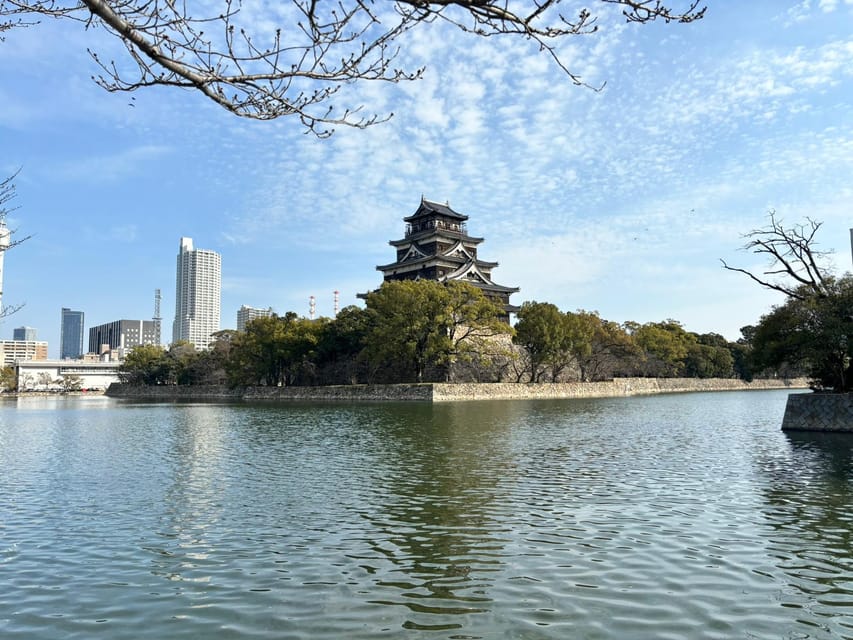
Hiroshima isn’t the kind of place you can fully understand from a quick checklist. This Hiroshima Heritage Trail is built for the moment when your brain wants answers and your feet want a route. You start at Peace Park, where the story is direct and unavoidable, then you move to Hiroshima Castle, and finally to Shukkeien, where the city slows down.
What I like most about this format is that it respects your attention. The Peace Memorial Museum isn’t rushed. Hiroshima Castle isn’t treated like a photo backdrop. And the garden isn’t just tacked on at the end—it’s a real change of mood.
You’ll also appreciate the practical details: you skip the ticket line, you have a live guide, and you get an experience designed around a set time window. The tour lasts 4 hours (start times vary by availability), so it fits cleanly into a busy day.
Where You Start: The Peace Memorial Mailbox and a smooth handoff into Peace Park
Your meeting point is clear: right at the taxi stand, next to the telephone both, and at the corner of the parking. The tour ends back at that same meeting point, which matters in a place like Hiroshima where it’s easy to lose time zigzagging for transit.
Starting near Peace Memorial Mailbox is a smart choice because it puts you in the right mental zone quickly. You don’t spend your first minutes hunting for the entrance or figuring out which building is which. Instead, you’re guided straight into Hiroshima Peace Park, ready to focus.
This also helps if you’re traveling in a small group. With a private group setup (priced per group up to 2), you’re not stuck waiting for other people to arrive before the story starts.
You can also read our reviews of more historical tours in Hiroshima


Peace Park and the Atomic Bomb Dome: Emotional, guided, and not just a landmark stop
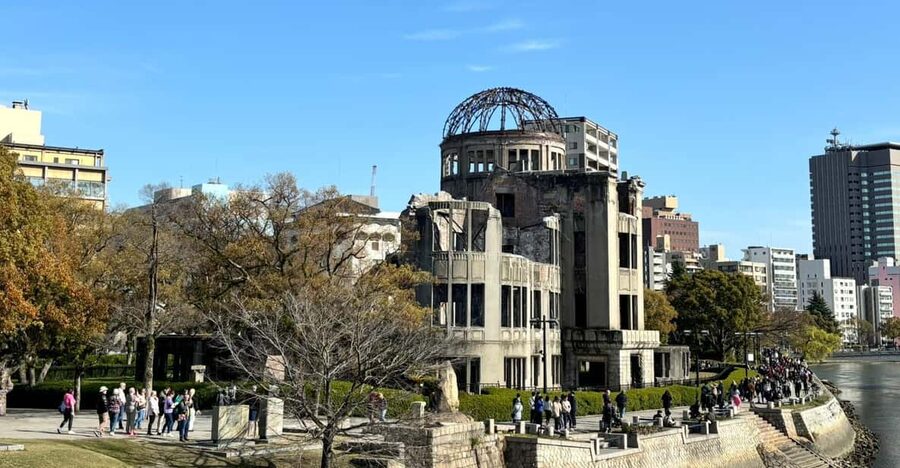
The heart of the tour is Hiroshima Peace Memorial Park. You’ll spend about 2.5 hours here, which is enough time to slow down at the right places without feeling like the day is dragging.
The Peace Memorial Museum is included, and it’s guided. That’s a big deal. The exhibits cover the events leading up to the bombing and the aftermath, so the guide can help you follow what you’re seeing instead of staring at information signs and hoping it all clicks. This is exactly where a good guide earns their place—because the museum content can feel overwhelming without context.
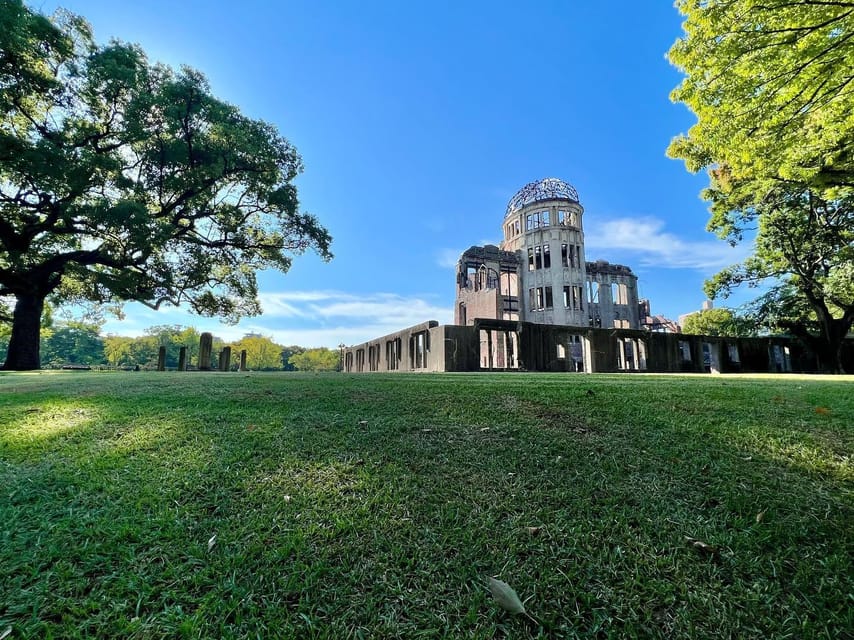
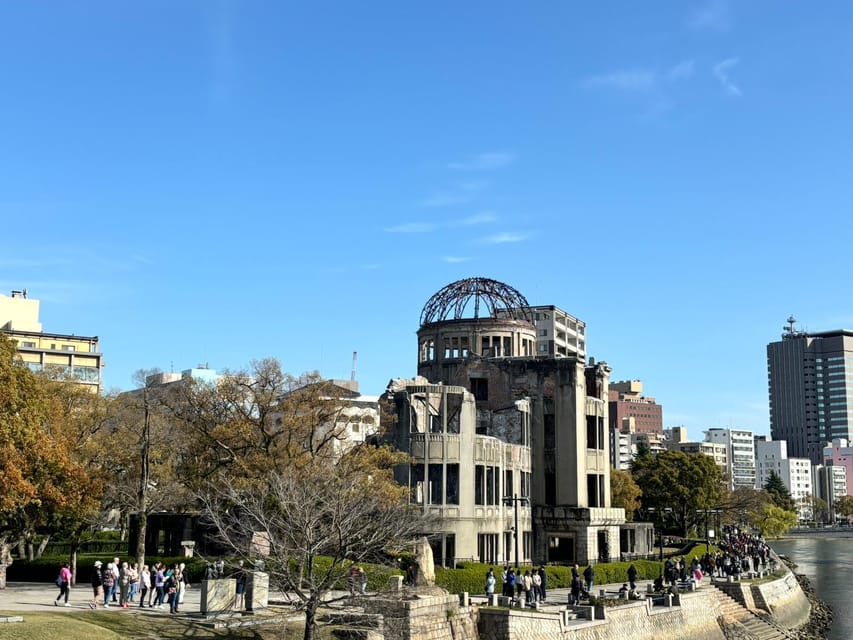
Then there’s the Atomic Bomb Dome. It’s iconic, yes. But on this tour, it’s treated as a memorial. You’re not just ticking off a famous structure; you’re connecting it to what the park is asking you to remember.
How to make the most of this part
- Plan on spending your energy here, not saving it for later. This is the emotional anchor.
- Go slow inside the museum areas. A guided route helps, but you still need time to let it land.
- Bring patience for quiet moments. Peace Park doesn’t work like a theme park, and that’s the point.
The Museum Matters: Why guided time in the Peace Memorial Museum changes everything
A museum can be either “information” or “understanding.” On this tour, you’re aiming for understanding, because you’re walking through the museum with a live English, Urdu, Pashto, or Pushto guide (based on availability).
One practical benefit: when you can ask questions in your language, you’re less likely to miss key connections between exhibits. Even if you know some of the basics, the guided framing helps you notice details you’d otherwise skim past.
And the tone here is important. The experience is set up so you’re not only seeing tragic results—you’re also learning the chain of events that led there and what came after. That makes the stop feel complete instead of fragmented.
If you want a real takeaway, aim for one or two themes you care about most—how the city remembers, how people rebuilt, or how the memorial space teaches. Then use your time in the museum to focus on those threads.
Hiroshima Castle in 30 Minutes: Quick visit, long atmosphere
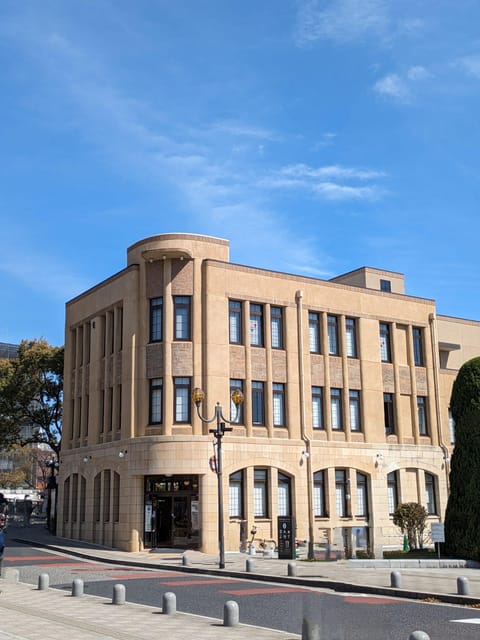
After Peace Park, the day pivots to something more visual and architectural. Hiroshima Castle is the next stop, with about 30 minutes for you to visit.
This time is shorter by design, and that’s worth knowing up front. You’re not getting a long, slow castle exploration. You’re getting an efficient look at a major landmark that helps you understand Hiroshima beyond the memorial sites. The castle offers a glimpse into Japan’s feudal era, which gives your day a different kind of context: continuity, identity, and the way history layers on top of modern life.
What to expect inside the castle experience
With only half an hour, your best move is to focus on:
- How the rooms feel and how the structure reads from inside
- Any views you can access quickly while the guide keeps you moving
- Learning the big-picture story your guide is giving you about what this castle represents
If you’re a serious castle lover, you might want extra time later on your own. But for a 4-hour heritage trail, this portion is a strong payoff without stealing hours from Peace Park.
Shukkeien Garden: Your calm reset with ponds, bridges, and careful layout
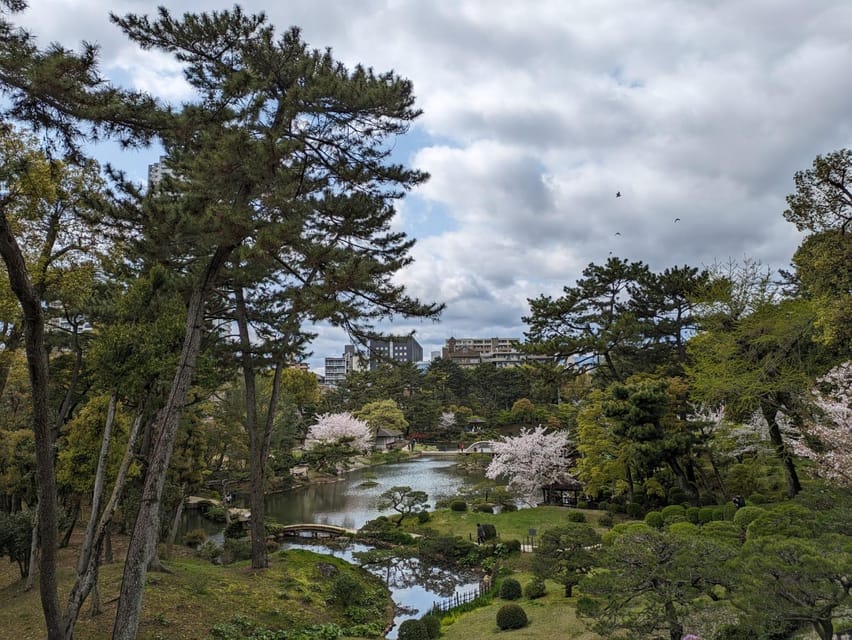
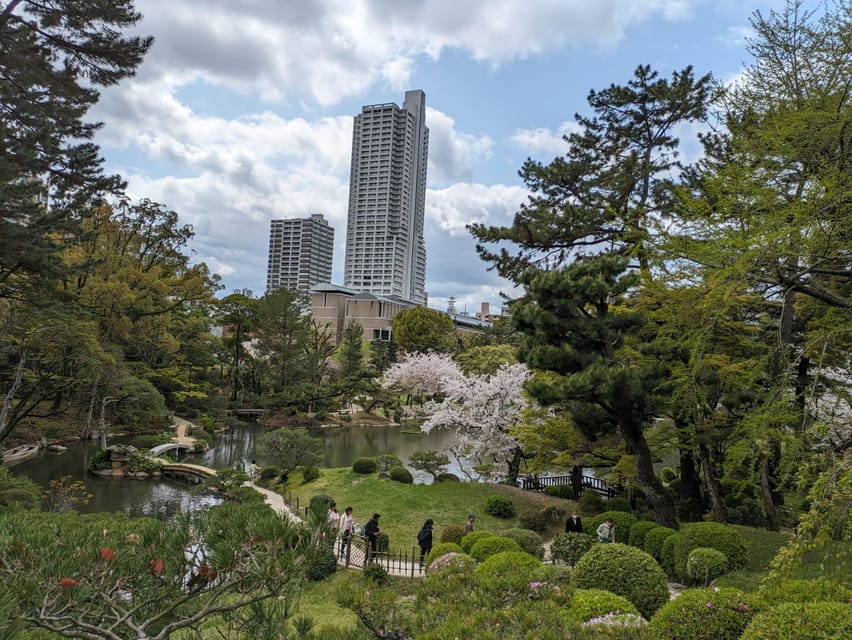
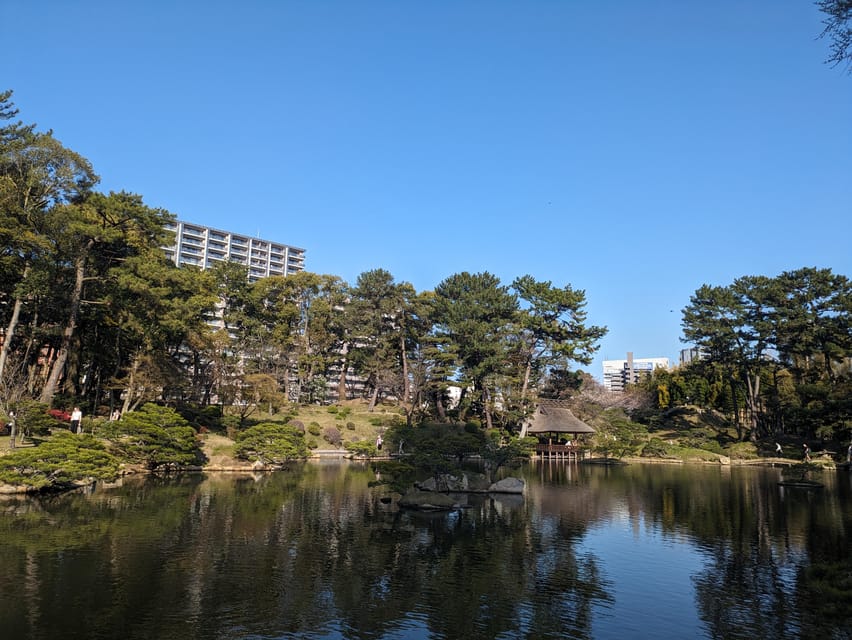
Then you finish at Shukkei-en Garden (about 30 minutes). This is a relief after the museum and dome, and the timing works. The garden is described as a meticulously landscaped Japanese garden with serene ponds and picturesque bridges.
What I like about ending here is simple: you get a different language for the day. Peace Park asks you to remember. Shukkeien gives your mind a place to rest. You can slow down, look at the water, and follow the garden’s pathways at a more human pace.
Tips to enjoy the garden with less rushing
- Keep your expectations realistic: 30 minutes goes fast in a garden, especially when you stop for photos.
- Wear shoes that won’t punish you on uneven ground or longer walks.
- If weather shifts, ask your guide to help you make the most of the time you have.
The pacing and why the order works
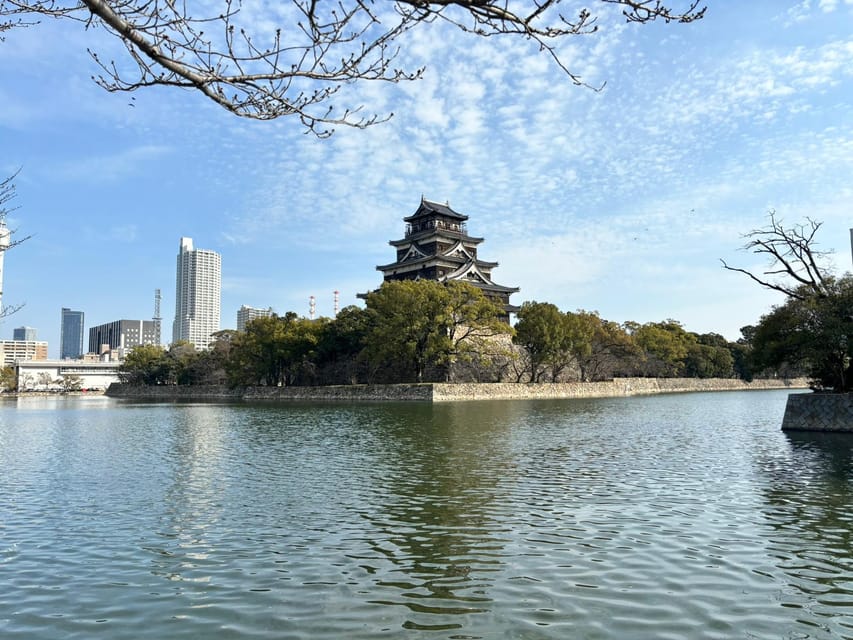
You start with the heavy stuff, then you add context (castle), then you reset (garden). That order helps your brain process the day in a natural progression:
1) Memory and meaning at Peace Park
2) Local identity and history at Hiroshima Castle
3) Quiet breathing room at Shukkeien
If you did it in reverse, the day would feel lopsided. The guided structure keeps you from leaving Peace Park feeling raw with no next step, and it keeps you from spending all your energy only on the dome and museum.
Price and value: Is $180 per group up to 2 fair?
The price is listed as $180 per group up to 2, for a total duration of 4 hours. That’s not “cheap,” but it also isn’t trying to be. The value comes from the combination of:
- Live guide (not a self-guided audio route)
- All entry tickets included
- Skip the ticket line
- A route that covers three major sites without you figuring out logistics
If you’re traveling as a pair, the private format can feel like a smart deal because you’re paying for one guide instead of dividing group costs across random strangers. If you’re a solo traveler, it might cost more than a shared-group alternative (because it’s per group), but you still get the advantage of personal pacing.
Think of it like this: you’re buying time saved and clarity gained. In Hiroshima, clarity matters, especially at the Peace Memorial Museum.
Languages, private group feel, and what that means for you
The tour includes a live guide in English, Urdu, Pashto, and Pushto. That’s huge if your main goal is comprehension, not just passing by signs.
It’s also a private group, which tends to mean fewer “wait for everyone” moments and more flexibility with questions. A private setup doesn’t mean the tour is slow—it means it’s tailored to your group’s needs.
And there’s a practical extra: wheelchair accessible. If you’re traveling with mobility needs, it’s good to know accessibility is part of the plan rather than an afterthought.
What to bring (and what to do with your energy)
Bring comfortable shoes. This kind of itinerary is walking-forward. People who regret their footwear often feel it most at the museum and between sites.
Also bring a sun hat and weather-appropriate clothing. Hiroshima’s conditions can change fast, and you’ll be outside between major points.
If you want a simple strategy:
- Keep water handy if you need it (not listed, but it’s a sensible travel move).
- Plan one slower pause inside Peace Park rather than trying to sprint between exhibits.
- Don’t schedule another “must-do” directly after Shukkeien unless you know you’re doing fine physically.
Who this tour fits best
This is a strong fit if you:
- Want a guided explanation of Peace Park and the museum
- Like a “one day, three sites” route that doesn’t overwhelm you
- Travel as a couple or small group and prefer private pacing
- Want Hiroshima Castle and Shukkei-en without doing separate planning
It may be less ideal if you:
- Struggle with emotional historical sites
- Are expecting a long, deep castle or garden exploration (the time allocations are brief)
- Want a fully flexible itinerary with lots of detours (this is a set heritage route)
Should you book the Hiroshima Heritage Trail?
I’d book this if you want a day that’s both meaningful and well paced. The Peace Park portion is where the value lives, because the guide support makes the museum easier to understand and easier to process. Then Hiroshima Castle and Shukkeien give you a balanced finish instead of ending your day stuck only in memorial mode.
If you’re someone who likes structure and clear context, this tour hits the sweet spot. If you’re a “freestyle only” traveler, you might prefer doing Peace Park on your own and adding the castle and garden later. But if you want fewer decisions and better sense-making, this is a solid way to spend your hours in Hiroshima.
FAQ
How long is the Hiroshima Heritage Trail tour?
The tour duration is 4 hours. Starting times depend on availability.
What sites are included?
You’ll visit Hiroshima Peace Memorial Park (including the Peace Memorial Museum), Hiroshima Castle, and Shukkei-en Garden, plus the route includes the Atomic Bomb Dome area.
What’s the price for this tour?
The price is $180 per group up to 2.
Are entry tickets included?
Yes. All entry tickets are included in the activity.
Do I need to buy tickets for each attraction?
No need for separate entry handling—the tour includes admission, and you can skip the ticket line.
What languages are available for the guide?
The live guide is available in English, Urdu, Pashto, and Pushto.
Where do we meet and where does the tour end?
Meeting starts right at the taxi stand, next to the telephone both, and at the corner of the parking, and the tour ends back at that same meeting point.
Is the tour wheelchair accessible?
Yes. The tour is wheelchair accessible.
What should I bring for the day?
Bring comfortable shoes, a sun hat, and weather-appropriate clothing.