REVIEW · ROME
Ancient Rome Discovery: Colosseum, Forum, Palatine Guided Tour
Book on Viator →Operated by LivTours · Bookable on Viator
Rome’s ruins have a way of feeling loud. This guided route strings together the Colosseum, the Roman Forum, and Palatine Hill so you see how power, spectacle, and everyday politics all fit into the same story.
I love the pacing here. You get enough time at the Colosseum to actually look around, and you still have time to understand what you’re seeing at the Forum and on Palatine.
One thing to plan around: this tour does not include access to the Colosseum arena floor, so if that’s your must-do, you’ll want a different option.
In This Review
- Key Highlights You’ll Care About
- Entering the Colosseum: Reserved Entry and Real Scale
- Roman Forum: Where Politics, Commerce, and Religion Collide
- Palatine Hill: Imperial Living with City-View Payoff
- Why the Guide Matters More Than You Think
- Price and Value: What You’re Really Paying For
- Logistics That Affect Your Day (Without Making It Stressful)
- Who Should Book This Tour (and Who Might Skip It)
- Should You Book This Ancient Rome Discovery Tour?
- FAQ
- How long is the Ancient Rome Colosseum, Forum, Palatine guided tour?
- How many stops are included?
- What’s included in the ticket cost?
- Is access to the Colosseum arena floor included?
- What language is the tour offered in?
- What group size should I expect?
- Do I need photo ID for the Colosseum?
- Where does the tour start and end?
- What is the cancellation policy?
Key Highlights You’ll Care About
- Small group (max 15): easier crowd navigation and more space to hear your guide
- Reserved Colosseum entry included: you’re not wasting time figuring out tickets on-site
- Three major sites in one loop: you save time versus doing them separately
- Forum + Palatine context: you see how politics and elite living worked side by side
- English-speaking expert guide: strong historical storytelling, with real names like Maria Helena, Fabrizio, and Valeria often leading tours
Entering the Colosseum: Reserved Entry and Real Scale
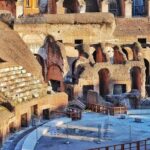
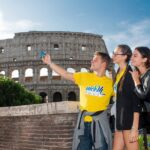
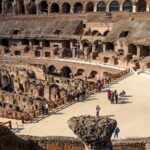
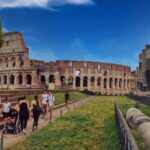
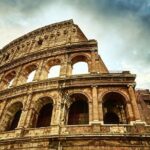
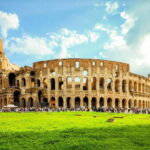
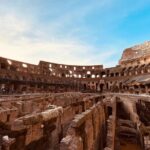
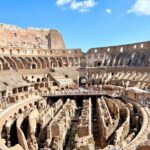
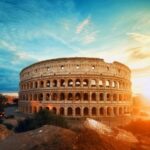
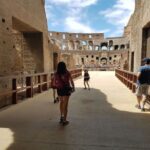
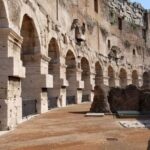
The Colosseum is one of those places where your brain has to catch up. From the first steps in, you’re pulled from imagination into measurements—tiers stacked above you, arches curving like they’re still doing their job, and the arena space shaping your sense of what a crowd meant here.
The biggest practical win is that you’re not arriving cold. This experience includes the Colosseum entrance ticket plus the reservation fee, which helps smooth out the day. Even if you love ruins on your own, having a planned start time is what makes a 3-hour tour feel relaxed instead of rushed.
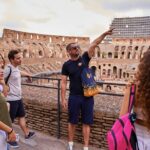
You’ll spend about 1 hour 30 minutes at the Colosseum. That’s enough time to do more than take photos from one angle. You can look up at the architecture, then look back across the seating tiers and get a real sense of the scale—how people could pack in, how voices would carry, and why emperors and organizers cared about spectacle.
A key consideration: you’ll see the Colosseum interior areas described for the tour, but you do not get arena floor access. If you’re picturing standing where gladiators once did, this isn’t that. It’s still dramatic, but it’s a different perspective.
You can also read our reviews of more guided tours in Rome
Roman Forum: Where Politics, Commerce, and Religion Collide
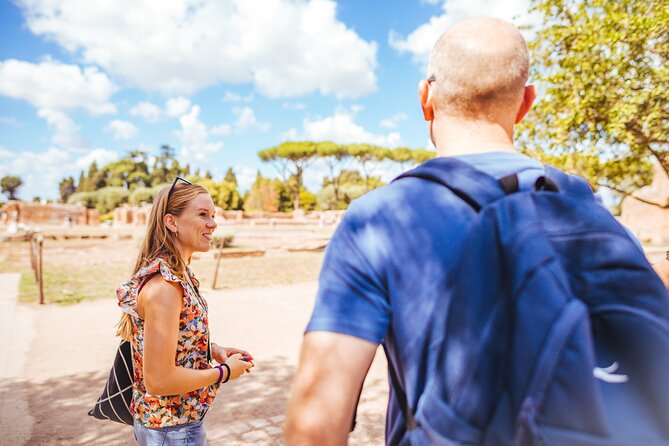
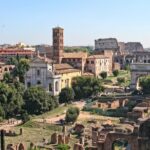
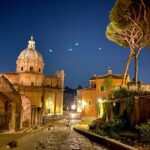
After the Colosseum, the Roman Forum feels like a switch flips. In the arena, the focus is spectacle. In the Forum, the focus is decision-making—laws, business, public debate, ceremonies, and the kind of power that lives in buildings and stone inscriptions.
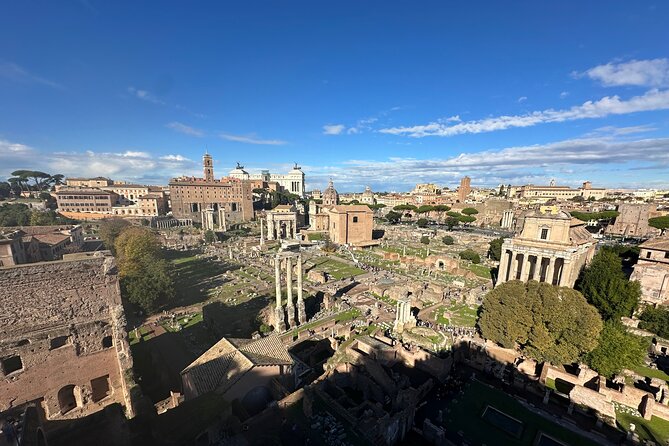
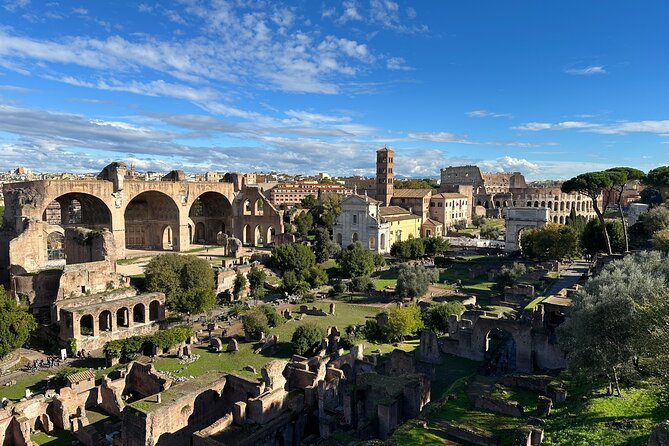
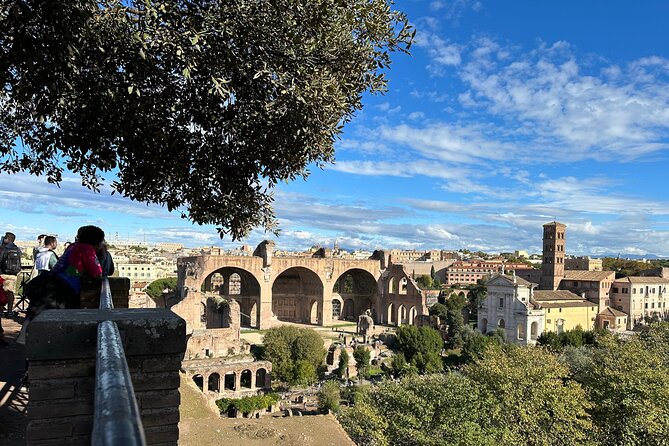
You’ll spend about 45 minutes at the Forum, and the payoff is how quickly your guide can connect the dots. The Forum was once the heart of Rome’s commercial and political life, and the remains you see are scattered fragments of temples, theaters, and government spaces. Without context, it’s easy to treat it like a set of old walls. With a guide, it becomes a map of influence.
This tour also includes specific stops such as the Temple of Julius Caesar and the Titus Arch, which adds structure to your walk. The Temple is one of those names you already know, even if you’ve never visited. Seeing the site with an explanation helps you understand what it represented in the ancient world—especially how leaders wanted their legacy to be seen and remembered in public space.
One more practical point: the Forum area can feel like it’s always busy nearby. A guide helps you keep moving at a human pace without constantly stopping to figure out what matters most.
Palatine Hill: Imperial Living with City-View Payoff
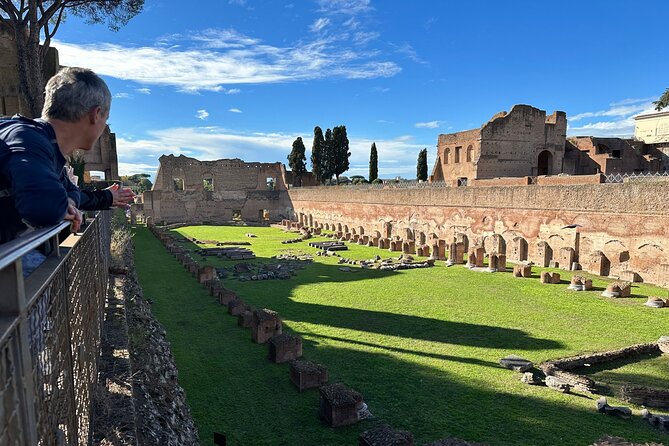
Palatine Hill is where you stop thinking only about Romans in public and start thinking about Romans in private—at least as private as you could get in a city where everyone mattered.
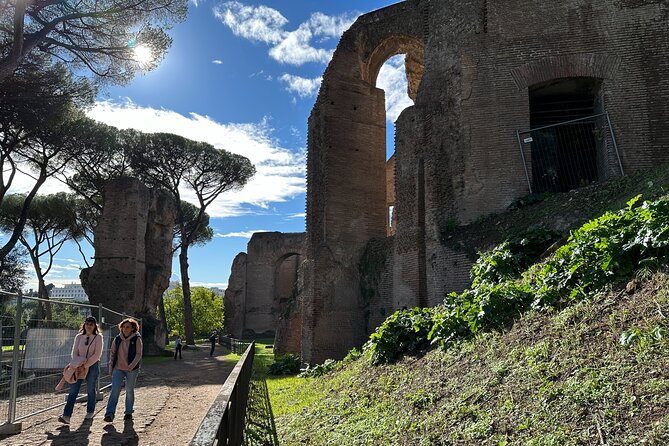
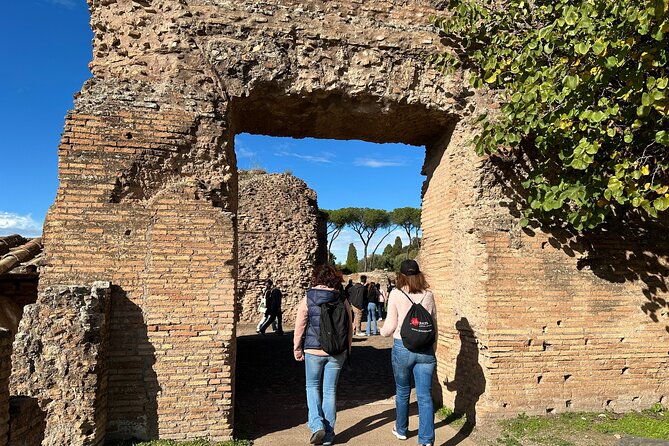
You’ll spend about 45 minutes here, walking up to Palatine Hill once home to Rome’s wealthy and influential families, including elite residences and imperial palaces. From this height, you also get a better sense of geography—why the rich wanted views and why power likes to look down.
The guide’s job here is to make the excavated space feel like a lived-in place. You’re looking at ruins and foundations, but you’re also hearing how lavish lifestyles worked around these buildings and how the site connects back to the politics you saw in the Forum and the spectacle of the Colosseum.
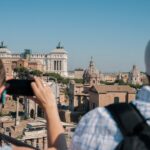
Also, Palatine is a great mental reset. After the intensity of the Colosseum and the political density of the Forum, Palatine gives you a calmer walk with stronger atmosphere and broader views. If you like your photos with context—where you can explain what you’re seeing—this is your moment.
Why the Guide Matters More Than You Think
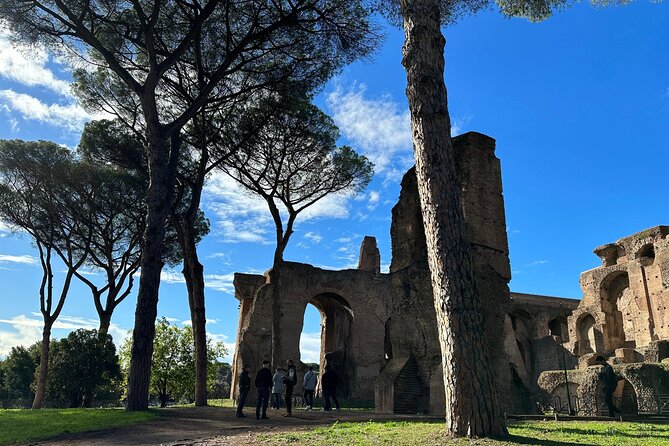
These ruins are famous enough that people sometimes forget the hard part: figuring out what you’re looking at. The difference between a good visit and a great one is usually interpretation—knowing what was where, why it mattered, and what likely happened in practice versus what movies simplified.
I like that this tour leans hard on expert storytelling. When guides like Maria Helena bring Roman leadership and public life into focus, the sites stop feeling like separate stops and start feeling like one system. You can also see the same value with guides such as Fabrizio and Valeria, who put energy into the explanations so the time doesn’t drag.
You’ll also appreciate how a guide helps you move through crowds without losing the plot. With a maximum of 15 travelers, it’s small enough that the group dynamic stays manageable. That matters on the Colosseum side of the route, where you can easily get swallowed up if you’re moving alone.
Price and Value: What You’re Really Paying For
At $156 per person for about 3 hours, this isn’t a bargain tour. But it can be good value because the key costs are covered.
Here’s the useful way to look at it:
- The Colosseum entrance ticket is included (valued at €18 per person).
- The Colosseum reservation fee is included (valued at €2 per person).
- Your remaining cost goes toward the guide and the services that help you access and move through the sites as one connected experience.
That matters because Rome ruins days often become a time-management battle. Ticket lines, timing issues, and figuring out the route can eat hours. This experience packages the big three attractions into a single plan with English guidance and a mobile ticket.
Could you do it cheaper on your own? Yes, but it’s usually a trade. You pay in time and brainpower instead of money. If you want your day to feel like sightseeing with answers—not sightseeing with guesswork—this price can make sense.
Finally, note the timing detail: starting times can change based on ticket availability. That’s normal for heavily booked sites, but it’s worth keeping flexibility in mind.
Logistics That Affect Your Day (Without Making It Stressful)
This tour starts at Largo Gaetana Agnesi (00184 Roma RM, Italy) and ends at the Roman Forum (00186 Rome…). That end point is convenient because you’re basically already in the area where you can keep exploring on foot afterward.
It’s also helpful that the meeting location is described as near public transportation. Rome is easiest when you use transit and then walk the last stretch with confidence.
One more requirement you should treat seriously: you must bring photo ID for everyone. Colosseum tours require it, and if you don’t have it, entry can be denied. This is one of those rules that’s annoying until it saves you from a wasted trip.
And since the group is capped at 15, you should expect a more controlled experience than large bus-style tours. That doesn’t mean no crowds—it means better pacing and less chaos.
Who Should Book This Tour (and Who Might Skip It)
This tour is a strong fit if you want:
- One guided plan covering the Colosseum + Forum + Palatine in one go
- A small group format that makes crowd navigation feel manageable
- Explanations that connect the sites, not just announcements about what they are
You might want a different option if:
- Your top goal is arena floor access (this one does not include it)
- You prefer fully independent exploring with no guide interpretation
If your Rome trip is limited and you want to hit the big foundations of ancient power without spending your day shopping for tickets, this does the job neatly.
Should You Book This Ancient Rome Discovery Tour?
I’d book it if you want an efficient, guided day that helps you understand what you’re seeing as you move between three essential sites. The value comes from the included Colosseum ticketing, the small group size, and the fact that the route builds context—from spectacle in the arena setting to politics and elite life in the Forum and on Palatine.
Skip it only if arena floor access is non-negotiable for you. Otherwise, for a first-time Rome visitor (or anyone who wants a smarter second visit), this is a solid way to feel like the ruins tell a coherent story rather than three separate stops.
If you’d like, tell me your travel month and your Colosseum priority (photos, stories, architecture, gladiator vibes, or all of the above). I can suggest the best approach for timing and what to focus on during each part of the walk.
FAQ
How long is the Ancient Rome Colosseum, Forum, Palatine guided tour?
It runs for about 3 hours (approximately).
How many stops are included?
There are three main stops: the Colosseum, the Roman Forum, and Palatine Hill.
What’s included in the ticket cost?
The tour includes Colosseum entrance and a Colosseum reservation fee, plus admission access for Palatine Hill and the Roman Forum areas covered on the tour. The tour also includes an expert English-speaking guide.
Is access to the Colosseum arena floor included?
No. This tour does not include access to the arena floor.
What language is the tour offered in?
It is offered in English.
What group size should I expect?
The experience has a maximum of 15 travelers.
Do I need photo ID for the Colosseum?
Yes. All Colosseum tours require photo ID for all participants. Bring your passport or another accepted photo ID, or entry may be denied.
Where does the tour start and end?
It starts at Largo Gaetana Agnesi and ends at the Roman Forum.
What is the cancellation policy?
You can cancel for free up to 24 hours in advance for a full refund. If you cancel less than 24 hours before the start time, the amount paid is not refunded.