REVIEW · ABERDEEN
Aberdeen’s Ancient Heritage and Folklore Tour
Book on GetYourGuide →Operated by Grampian Escapes & Tours Ltd · Bookable on GetYourGuide
Pictish stones tell stories you can walk to. This 7.5-hour day tour links hillfort earthworks, stone circles, and carved symbols, with a guide who explains the Pictish folklore side as you move between sites by van.
I love the up-close feeling you get at each stop, especially when symbol stones are shown in context rather than treated like random rocks. I also like the small group size of up to 7 people, which keeps the pace calm and makes it easier to ask questions.
The main drawback to plan for is moderate walking on grassy, unpaved paths and some steep hill sections. If hills feel like a struggle, this may not be the right fit.
In This Review
- Key things I’d circle on your map
- A 7.5-hour day that strings the northeast’s old stories together
- Starting at the William Wallace statue by Union Terrace Gardens
- Barra Hill Fort: earthworks that make early settlement feel real
- Dunnideer Castle ruins and the nearby stone circle
- Rhynie and Tap O’Noth: Scotland’s largest hillfort in context
- Recumbent stone circles near Inverurie: best-preserved for a reason
- The Bass and Pictish symbol stones near Inverurie (and Dyce)
- Kildrummy lunch break: rest your legs, then carry on
- Tomnaverie Stone Circle: panoramic payoff
- How the guide turns stones into stories (and how to get more out of it)
- Price and value: why $134 can feel fair here
- Who this tour suits best (and who should skip it)
- Should you book the Ancient Heritage and Folklore Tour?
- FAQ
- How long is the Aberdeen’s Ancient Heritage and Folklore Tour?
- What does the tour cost?
- Where do I meet the tour?
- Is there a live guide, and what language?
- How big is the group?
- Do I need to buy entry tickets?
- Is food included?
- What kind of walking should I expect?
- Is this tour suitable for mobility impairments?
- What should I bring?
- Can I get a refund if plans change?
Key things I’d circle on your map
- Pictish symbol stones explained with meanings tied to the people and beliefs of the region
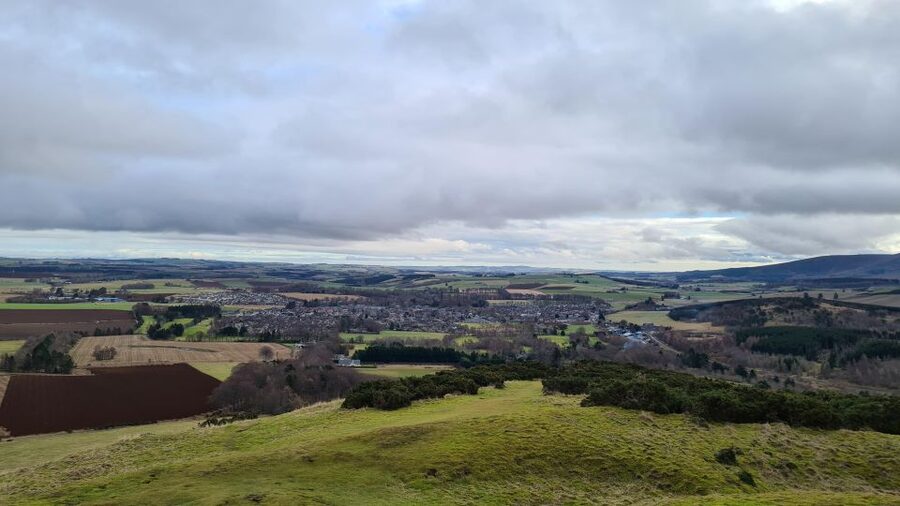
- Hillfort earthworks that let you read the land the way early settlers did
- Stone circles with real structure (like the recumbent-circle design) and a sense of orientation
- A small-group pace that feels unhurried instead of rushed
- No entry tickets needed, so you can focus on shoes, weather, and your questions
A 7.5-hour day that strings the northeast’s old stories together
This is one of those tours that feels made for people who like history that you can actually see with your own eyes. In one day, you’ll move through early settlement sites, stop at standing stones and circles, and hear how belief systems and symbols shaped everyday life in Aberdeenshire.
The big win for me is how the tour connects the physical places to what people may have believed. Stones aren’t presented as trivia. They’re treated like messages, memorials, and markers of power—often in the same area where you can still walk the ground that once held communities.
At $134 per person, it’s not a bargain bargain, but it also isn’t an overpriced bus ride. With a small group and no extra entry tickets, you’re paying mainly for guided interpretation and time on the road.
You can also read our reviews of more historical tours in Aberdeen
Starting at the William Wallace statue by Union Terrace Gardens
Your day kicks off next to the William Wallace statue by Union Terrace Gardens on Rosemount Viaduct. It’s a good setup because it puts you near central Aberdeen landmarks before the day turns into countryside exploring.
From there, you’ll hop into a van for the drives between sites. The itinerary is built around short van stretches plus focused stops, so you’re not spending the day looking at your phone between monuments.
One practical tip: treat the start time as your reminder to layer up. Aberdeen-area weather can shift fast, and you’ll be outside for walks on uneven ground. Comfortable clothing beats fashion on a day like this.
Barra Hill Fort: earthworks that make early settlement feel real
The first big stop is Barra Hill Fort, where you walk along earthworks and foundations. Hillforts across Aberdeenshire were built on higher ground, usually with enclosures—sometimes wooden, sometimes stone—to form settlements where people lived and worked.
Here’s what I like about this kind of stop: you can’t just stand and stare. You walk the edges and shapes, and the ground starts telling the story. You begin to understand why height mattered, how people might have defended areas, and how communities likely organized themselves around the fort layout.
Keep expectations practical. This visit includes walking through fields and off-road paths. If your shoes aren’t up to unpaved terrain, you’ll feel it later. If you do have walking poles, they can help on the hillier sections (the tour notes a few may be available on the day for those who want them).
Dunnideer Castle ruins and the nearby stone circle
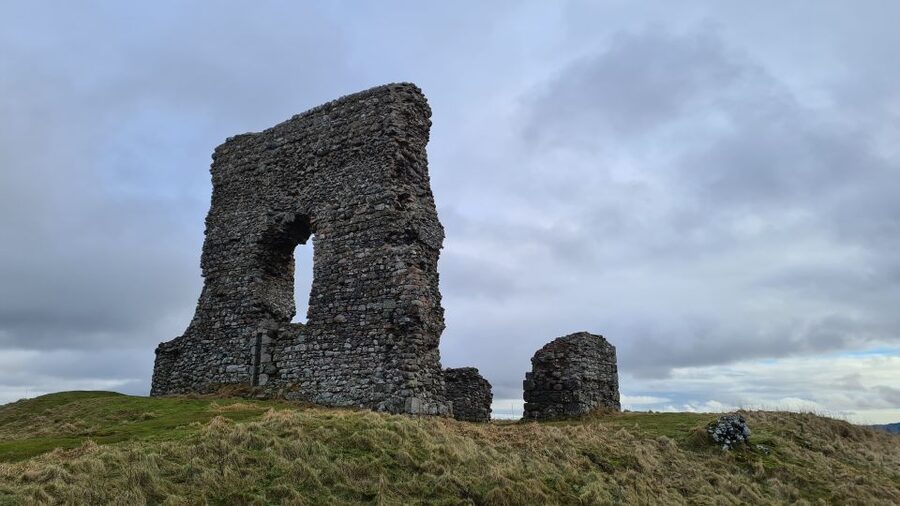
Next comes Dunnideer Castle, with a break and a photo stop plus time around the ruins. The tour connects this site to a larger pattern: a tower house built around c. 1260, using parts of an older vitrified hill fort located in the same spot.
That detail matters. It suggests the area stayed important for centuries, not just once. People weren’t inventing the wheel; they were reusing strategic ground and building on what had already been valued.
The tour also pairs Dunnideer Castle with the nearby Dunnideer Stone Circle remnants. Even if the stones themselves can look simple from far away, being close helps you notice scale, placement, and how the circle fits the local terrain.
This is a good stop if you enjoy “layers” in history—where one era piggybacks on another rather than starting over from scratch.
Rhynie and Tap O’Noth: Scotland’s largest hillfort in context
The Rhynie area is a Pictish stronghold zone, and the centerpiece is the Tap O’Noth hillfort. The tour frames it as Scotland’s largest hillfort, and notes that at its peak it rivalled the largest post-Roman settlements in Europe, with researchers believing the community may have had over 5,000 residents.
Walking near places like this changes how you picture the Picts. Instead of imagining only small villages, you get a sense of something bigger—organized, powerful, and likely connected to trade.
You’ll also encounter a group of Pictish carved stones, plus a lone standing stone called the Crawstane. The Crawstane is described as having once been at the center of a settlement with trade across the Mediterranean and great wealth. That’s the kind of detail that makes the symbol stones feel less mysterious and more human.
Then there’s a key story beat: how the King of the Scots changed Scotland’s cultural landscape, contributing to the Picts’ downfall. Even if you don’t memorize dates, the takeaway is clear—political change can reshape language, art, and the meaning of stone markers.
Rhynie is the stop where folklore and history start to feel like they belong to the same conversation.
Recumbent stone circles near Inverurie: best-preserved for a reason
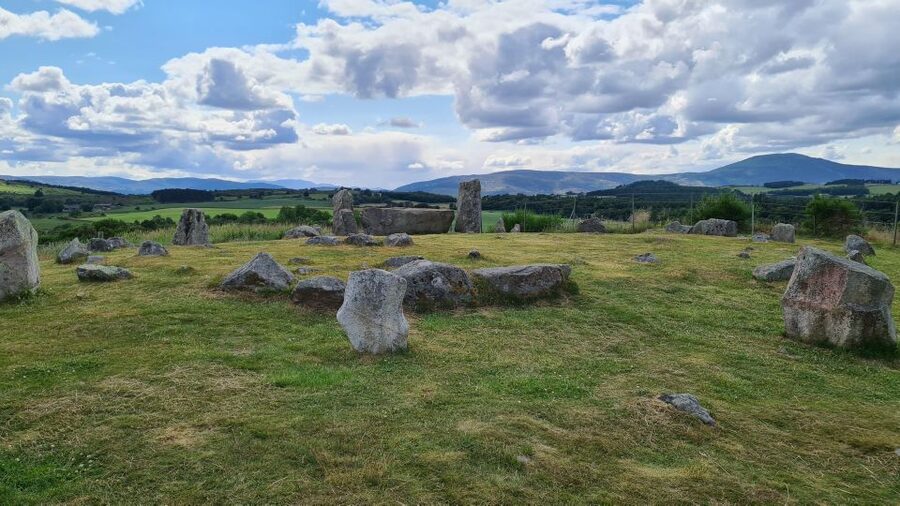
Later, the tour includes time around recumbent stone circles near Inverurie—specifically Easter Aquhorthies & Loanhead of Daviot Circles. This is described as one of Scotland’s best-preserved recumbent stone circles, dating back over 4,000 years to the late Neolithic or early Bronze Age.
What you’ll see is the signature recumbent design: a large horizontal stone (the recumbent) flanked by two tall standing stones, with a nearly perfect ring of smaller stones around them.
Why this is worth your attention: it’s not random stone placement. The structure suggests rules, planning, and shared knowledge. When a guide talks through how these monuments are laid out, you start thinking like the builders—watching the spacing, the angles, and how the circle sits in the open air.
This portion of the day is also a nice change of pace from hillfort earthworks. Both are “read the land” sites, but they tell different kinds of stories: one about settlements and defense, the other about ritual space and communal memory.
The Bass and Pictish symbol stones near Inverurie (and Dyce)
One of the most satisfying parts of the day is the stop for Inverurie’s Bass and Symbol Stones. The tour describes the Bass as a mound that evolved over time: an organic mound that later became part of a medieval motte-and-bailey system in the 12th century.
Between the Bass and Little Bass, there are four Class I Pictish stones protected in a glass case. That matters for two reasons. First, you can view the carvings clearly without worrying about weather wear. Second, it reinforces that these symbols were meant to be seen by people who visited power sites.
Then you’ll also have time for the Dyce Symbol Stones near St Fergus’ Chapel in Dyce. These are two Pictish stones dating around the 6th to 8th centuries, with intricate carvings that include symbols such as a mirror and comb, a double-disc, a crescent, and unique animal figures.
When the guide explains the symbol set, you start connecting the look of the stone to ideas about identity and belief. I like how this tour doesn’t treat Pictish carving as “just art.” It frames it as communication.
In my planning mindset, this is the kind of section where you’ll get the most value from asking one question: What do the symbols mean here, and why would someone put them in a visible place?
Kildrummy lunch break: rest your legs, then carry on
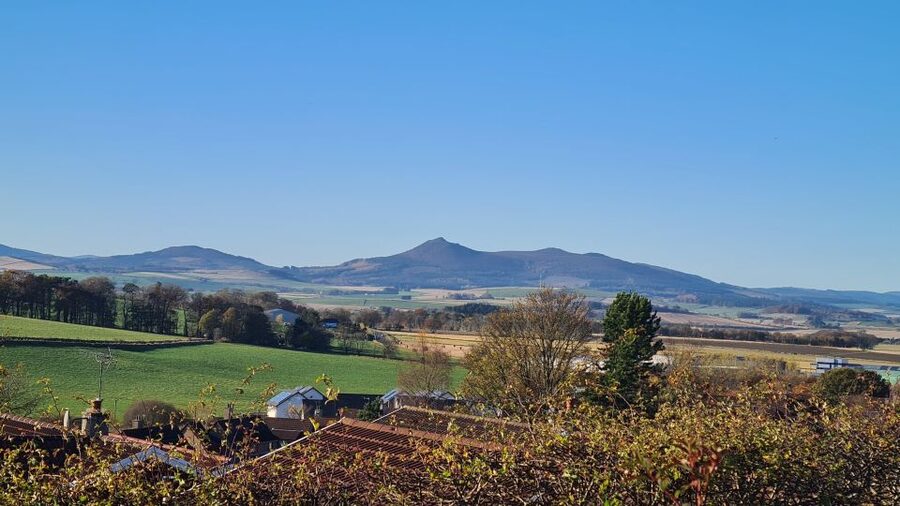
You’ll take a lunch break around Kildrummy (the stop is listed as 40 minutes). Food and refreshments aren’t included, so you’ll want to bring something you’re happy eating outdoors or in a casual setting.
I find lunch breaks useful on tours like this for one simple reason: you can reset your pace. After hill and circle walking, your brain works better when you’re not hungry.
This is also your moment to check weather and clothing. If it’s damp, keep your shoes ready for more unpaved surfaces later. If it’s bright, you’ll still want water in your bag, since you’re outdoors for multiple chunks of the day.
Tomnaverie Stone Circle: panoramic payoff
The day ends with time at Tomnaverie Stone Circle, including a photo stop plus visit and a walk (about 35 minutes). The tour highlights a panoramic view from this circle, which is exactly what you want after a day of stone and earthwork details.
A stone circle viewpoint is where the story clicks physically. You step back, look out, and notice how the monuments sit in relation to the wider area. Even if you’ve learned a lot about symbols and construction, seeing the setting gives your memory something solid to attach to.
This is also a good stop for photos, but keep your balance in mind. You’re in open ground near ancient stones, and the day includes unpaved paths and grassy terrain.
If you’re the type who likes to slow down, this is the place to do it. You’ve done enough walking and reading by now that you’re ready for a calm moment.
How the guide turns stones into stories (and how to get more out of it)
A big theme across the experience is the guide’s role in making the monuments understandable. In past days, guides like Jacqueline have been praised as a fountain of information, with a knack for explaining the history and meaning of the stones and their symbols.
What’s especially useful is flexibility. The guide can adapt to small needs and preferences, and you won’t feel like every stop is a rigid checklist. That matters on a walking day with moderate exertion and some steep sections.
If you want to maximize value, come prepared with one curiosity: choose a symbol you can see on a stone (like the mirror-and-comb pattern described for Dyce), and ask what the carving might have represented in its original setting. The tour is built for that kind of question, and the answers help you connect art, identity, and belief.
Price and value: why $134 can feel fair here
For $134 per person over 7.5 hours, you’re paying for three things: a live English guide, small-group structure (up to 7 people), and guided access to multiple major heritage sites without paying separate entry tickets.
No additional entry tickets required is a real value point. On a day where you’re moving between several monuments, those costs add up fast in other tours. Here, the money mostly goes to interpretation and transportation between stops.
The trade-off is effort. You’ll want sturdy footwear and the patience to handle unpaved and off-road walking. If you’re someone who dislikes hills or uneven ground, you may find the day too taxing for the amount of time spent outside.
To judge value the right way: this tour isn’t just about seeing stones. It’s about understanding why those stones mattered, and doing it with someone who connects symbol carvings to the broader story of the Picts and early communities in Aberdeenshire.
Who this tour suits best (and who should skip it)
This tour fits well if you:
- Enjoy archaeology and early medieval history, especially the Picts
- Like walking as part of exploring heritage, not just riding past it
- Want folklore and interpretation, not just dates and names
- Appreciate small-group pacing and time for questions
It’s not suitable for people with mobility impairments and not a great match for low fitness. There’s a moderate amount of walking, unpaved paths, grassy terrain, and steep hill sections.
If you’re on the fence, don’t treat it like a casual stroll. Treat it like a day hike with heritage stops. Bring water, plan for weather, and wear shoes with grip.
Should you book the Ancient Heritage and Folklore Tour?
If you like the idea of connecting Pictish carved stones, hillfort earthworks, and stone circles into one coherent day, I think this is a strong booking. The small group size keeps the day friendly and the guide’s storytelling turns the symbols into something you can actually picture.
I’d book if you’re comfortable walking on uneven ground and hills and you want a guide-driven day that doesn’t feel like a rushed checklist. I’d pass if hills and unpaved terrain are a no-go, or if you prefer history without outdoor walking.
One last practical note: since food and refreshments aren’t included, plan your lunch strategy before you go. Pack something you’ll enjoy, and you’ll keep your energy for the stone-circle panoramas at the end.
FAQ
How long is the Aberdeen’s Ancient Heritage and Folklore Tour?
It runs for about 7.5 hours.
What does the tour cost?
The price is listed as $134 per person.
Where do I meet the tour?
You meet next to the William Wallace statue by Union Terrace Gardens on Rosemount Viaduct.
Is there a live guide, and what language?
Yes. The tour includes a live English-speaking guide.
How big is the group?
The tour is a small group, limited to 7 participants.
Do I need to buy entry tickets?
No. There are no additional entry tickets required.
Is food included?
No. Food and refreshments aren’t included, and you’ll stop for lunch during the day.
What kind of walking should I expect?
There’s a moderate amount of walking, including unpaved paths/off-road walkways, grassy terrain, and some steep sections of hills.
Is this tour suitable for mobility impairments?
No. It’s not suitable for people with mobility impairments.
What should I bring?
Bring comfortable shoes (ideally hiking shoes), water, and comfortable clothes suited to the weather.
Can I get a refund if plans change?
Yes. Free cancellation is available up to 24 hours in advance for a full refund.