REVIEW · KOLKATA
Heritage Walking Tour of Kolkata
Book on Viator →Operated by Calcutta Caravan · Bookable on Viator
Kolkata’s Raj-era bones show on foot. I love how this walk lines up British-era buildings with plain explanations from an expert guide, starting at the Lalit Great Eastern near Dalhousie Square. You’ll see major East India Company and colonial government sites in one smooth loop, without needing to map a thing yourself.
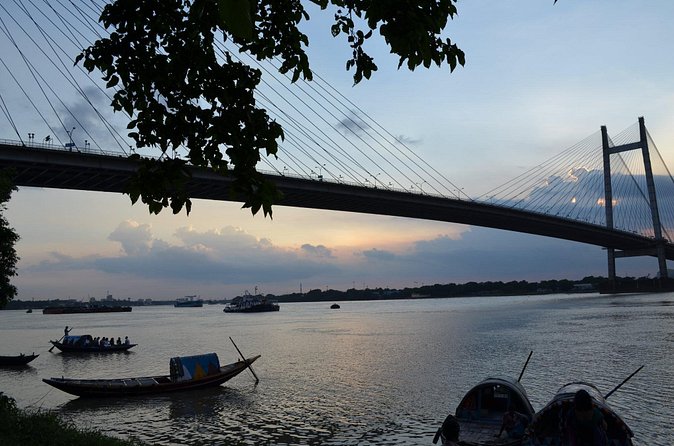
My other favorite part is the Hooghly ferry crossing, where you get wide views of Howrah Bridge from the water. It’s one of the best photo angles on the whole trip, and it breaks up the walking with cool river air.
Do note the ferry ride depends on the tide, so on some days you may do a ghat-style alternative instead.
In This Review
- Key moments worth planning for
- 2.5 hours of street history for $60: is it good value?
- Meeting at The Lalit Great Eastern: getting your bearings at Dalhousie Square
- The British Calcutta walk: Writers’ Building to Raj Bhavan
- Telegraph Office, Currency Building, and the everyday tools of rule
- St Andrew’s Kirk: the Scottish thread in Kolkata’s colonial fabric
- Ferry across the Hooghly: Howrah Bridge and Vidyasagar Setu from water level
- When the ferry doesn’t run: your best backup is knowing the swap
- Ending at St John’s Church: Job Charnock and the Black Hole Monument
- Group discounts, mobile tickets, and how to make the most of 2–2.5 hours
- A real-world caution: what to do if the guide connection fails
- Who should book this tour (and who might prefer something else)
- Should you book Heritage Walking Tour of Kolkata?
- FAQ
- How long is the Heritage Walking Tour of Kolkata?
- Where does the tour start and end?
- What is included in the price?
- Is the ferry ride across the Hooghly guaranteed?
- What about food during the tour?
- Is hotel pick-up and drop-off available?
- Is tipping included?
- Is this a private tour?
- What if the itinerary needs to change?
Key moments worth planning for
- Starting at The Lalit Great Eastern near Dalhousie Square sets the tone fast
- Writers’ Building, Telegraph Office, and Raj Bhavan explain how British rule worked day to day
- St Andrew’s Kirk adds a distinctive Scottish touch to the colonial mix
- Ferry views over the Hooghly give you Kolkata’s bridges from the best angle
- Ending at St John’s Church connects Job Charnock and the Black Hole Monument to the streets you just walked
- Packaged drinking water helps you stay comfortable during the 2–2.5 hour stroll
2.5 hours of street history for $60: is it good value?
This tour is priced at $60 and runs about 2 to 2.5 hours. For a city like Kolkata, that’s a fair trade for guided context plus transportation time for the ferry crossing.
What makes the price feel more reasonable is that you’re not just getting a route. You’re getting a guide who points out what each building used to be for, from East India Company administration to colonial-era financial functions. If you like architecture but also want the “why,” you’ll get your money’s worth.
One more plus: bottled water is included, which matters on a walking tour. I’d still plan to carry your own backup water too, just in case you’re picky about taste or you get thirsty fast.
You can also read our reviews of more walking tours in Kolkata

Meeting at The Lalit Great Eastern: getting your bearings at Dalhousie Square
The walk begins outside The LaLiT Great Eastern Kolkata by Dalhousie Square. The meeting address is tight and specific, including Dalhousie Square 1, 2, 3, Old Court House St, Chowringhee North, in Kolkata.
I like this start for two reasons. First, it’s a clear landmark, so you’re not hunting through side streets for a meeting sign. Second, it puts you right where colonial Kolkata wanted to look official and impressive.
Also pay attention to timing. This is a compact tour, and you’ll feel it if you arrive late because the group schedule matters for the ferry timing.
The British Calcutta walk: Writers’ Building to Raj Bhavan
This is a true “walk and learn” route through some of the best-known colonial-era structures in central Kolkata. You’ll pass major sites connected to how the British ran the East India Company and later the Raj.
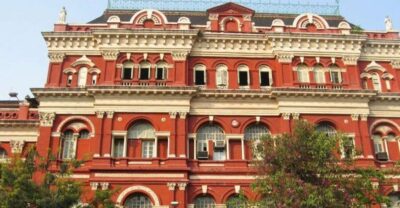
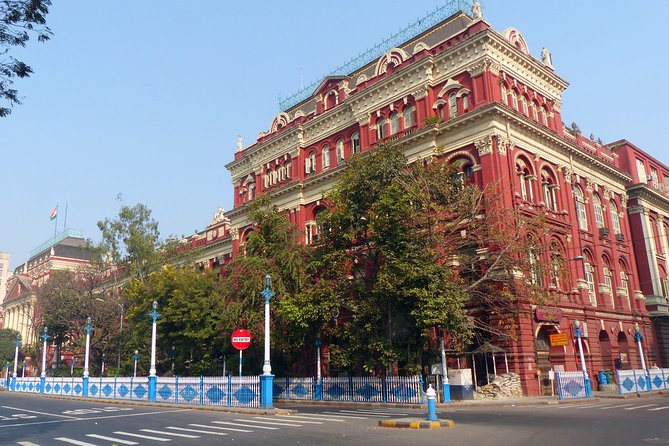
A standout stop is The Writer’s Building, which originally served as the offices of clerks of the East India Company. Even if you’re not an architecture nerd, this kind of building description helps you picture what used to happen inside—paperwork, decisions, and the slow machinery of empire.
You’ll also see the Telegraph Office / Dead Letter Office. That pairing is a fun clue that the same systems that moved communications could also create backlog and lost messages. It’s the sort of detail that turns a building facade into a real story.
Then comes Raj Bhavan / the Governor’s House, described as the official residence of the Viceroys of India during the Raj. Seeing it on foot keeps it grounded. You’re not just reading about power; you’re standing in the street-level reality around it.
Telegraph Office, Currency Building, and the everyday tools of rule
If you like history that’s practical—how systems worked—this section is for you. You’ll pass the Currency Building, which served as the Reserve Bank of India until 1937. That’s a nice timeline anchor because it links colonial administration to later financial life in independent India.
You’ll also get context on why offices like these mattered so much. The guide’s role here is crucial: the tour is built around expert explanations and fun facts, so you’re not stuck guessing what you’re looking at.
One practical note for you: office buildings and working historic sites can look busy from the outside. Keep your pace steady, watch for movement around entrances, and let the guide lead where to stand for photos.
St Andrew’s Kirk: the Scottish thread in Kolkata’s colonial fabric
One of the coolest “left turn” moments is St Andrew’s Kirk, a beautiful Scottish Kirk on the route. It’s the kind of stop that reminds you colonial Kolkata wasn’t only British in a narrow sense—it pulled in other European communities and styles.
I like how this gives variety after the big administrative buildings. You go from government and commerce to a religious landmark that feels quieter and more personal.
Expect the guide to connect it back to the broader era. You’ll get more than a label like church or building; you’ll get the “why it’s here” story, which is what transforms a quick glance into understanding.
You can also read our reviews of more historical tours in Kolkata

Ferry across the Hooghly: Howrah Bridge and Vidyasagar Setu from water level
The tour’s photo highlight is the ferry ride across the Hooghly (Ganges). The idea is simple: get you out over the water so you can see Kolkata’s bridges from the best perspective.
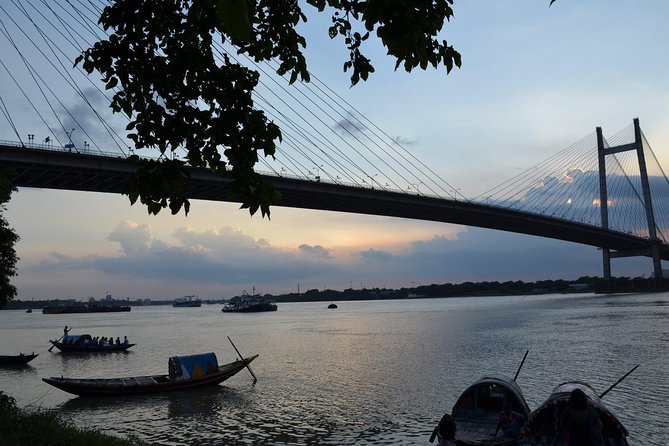
From the ferry, you’ll get views of Howrah Bridge and Vidyasagar Setu. It’s hard to replicate that kind of scale from street level. Standing on a bridge is one view; watching it rise from the river is another.
You’ll also see Howrah Station from outside, described as the busiest railway station in India. The value here is not just sight-seeing. It’s tying the river view back to a major transport hub, so the city looks like a system instead of a set of landmarks.
The breeze is part of the appeal too—this is the one stretch where the tour actually feels like a break. If you’re carrying a camera or phone battery is low, this is a good time to switch from walking photos to video/photo mode.
When the ferry doesn’t run: your best backup is knowing the swap
Here’s the key consideration: the ferry ride depends on the tide, and it may not happen on some days. When that happens, the plan may switch to a ghat tour instead.
This is important for your planning, especially if you’re counting on a specific photo shot. A ghat alternative can still be worthwhile because you’ll get river atmosphere, but it may feel less like a bridge-sweep photo session.
If your schedule in Kolkata is tight, you’ll feel safer if you treat the ferry as a bonus rather than a guarantee. Bring some flexibility and keep your expectations practical.
Ending at St John’s Church: Job Charnock and the Black Hole Monument
You’ll conclude at St John’s Church on Council House St, opp. Dewars Garage, Lal Dighi, in B.B.D. Bagh. That end point matters because it anchors the walk to a founder and a famous event tied to British Calcutta.
This church houses the grave of Job Charnock, described as the founder of British Calcutta. It also connects the area to the Black Hole Monument. Even if you know the basics, seeing it at the end of a colonial-focused route makes the whole narrative click.
I like end points like this: they’re not just a finishing line. They give you a final “thread” tying the buildings you passed to the larger story.
Group discounts, mobile tickets, and how to make the most of 2–2.5 hours
This tour includes a mobile ticket, and it’s structured as a private tour/activity—only your group participates. There’s also mention of group discounts, which can make the cost easier to swallow if you’re traveling with friends.
Because the tour is compact, you’ll want to show up ready to walk. Wear comfortable shoes and plan for the fact that you’ll be outside for the duration. The water inclusion helps, but you’ll still want your basics handled.
If you’re the type who likes to ask questions, this is a good time to do it. The guide is built into the value, and the explanations are part of the point—not an add-on.
A real-world caution: what to do if the guide connection fails
I’ll be honest about the biggest risk signal tied to this kind of small-group experience: if the guide doesn’t show or communication breaks down at the meeting point, you can lose hours in a city where time can be tight. In past cases, people reported a guide not appearing and contact attempts not going through.
So here’s how you protect yourself without going paranoid. Confirm your meeting details the day before (and again on the day), screenshot the start address, and give yourself a little buffer so you’re not stuck scrambling if anything runs off schedule. If you’re on a strict itinerary, keep a simple Plan B for that half-day.
Who should book this tour (and who might prefer something else)
This tour fits you best if you want a walkable route plus a guide who explains colonial Kolkata in human terms. You don’t need to be an expert; the tour is designed so even a seasoned traveler can still learn surprises.
You’ll especially enjoy it if you like:
- passing recognizable historic buildings close-up
- photos that include the Hooghly and major bridges
- history tied to real functions (offices, finance, transport)
If you’re mainly chasing modern Kolkata food stops or you want lots of indoor museum time, this may feel too focused on the colonial core. And if you absolutely need the ferry for your day plan, treat the tide dependency as a factor.
Should you book Heritage Walking Tour of Kolkata?
I think it’s a solid pick for many first-time visitors because it gives you a guided route through major colonial-era landmarks and then throws in a memorable river crossing. The $60 price can feel fair when you consider that it’s not just a stroll—it includes a guided explanation and the Hooghly ferry option plus bottled water.
Book it if you want orientation fast and you like seeing how buildings connect to how Kolkata functioned during the British era. Just go in with practical expectations: the ferry can swap out due to tide, and like any small-group tour, the experience depends on the guide showing up and local operations running smoothly.
FAQ
How long is the Heritage Walking Tour of Kolkata?
It typically lasts about 2 hours to 2 hours 30 minutes.
Where does the tour start and end?
It starts outside The LaLiT Great Eastern Kolkata near Dalhousie Square 1, 2, 3. It ends at St John’s Church on Council House St near Dewars Garage.
What is included in the price?
You get a tour expert and packaged drinking water.
Is the ferry ride across the Hooghly guaranteed?
No. The ferry ride depends on the tide, and on some days it may not happen. A ghat tour may be done instead.
What about food during the tour?
Food is not included.
Is hotel pick-up and drop-off available?
Hotel pick-up and drop-off is available on request.
Is tipping included?
Tipping or gratitude is optional.
Is this a private tour?
Yes. It’s listed as a private tour/activity, and only your group participates.
What if the itinerary needs to change?
The provider notes that itineraries are sample itineraries and may be changed due to weather conditions, safety issues, traffic, and road conditions.