REVIEW · ABERDEEN
Aberdeen’s Ancient Heritage and Folklore
Book on Viator →Operated by Grampian Escapes Tours Ltd · Bookable on Viator
Pictish sites and folklore in one long day. This Aberdeen tour strings together hillfort ruins and stone circles that shaped the northeast of Scotland, with stories that still get retold. I especially like the focus on practical place-based history—where the Picts lived, how their defenses worked, and why the symbols matter.
I also like that the stops are real rural Aberdeenshire, not a parade of gift shops. You get a mix of concentric defensive banks and ditches at Dunnideer, the dramatic setting of Tap o’Noth near Rhynie, and the distinctive recumbent stone circle style at Tomnaverie.
One watch-out: there’s walking on hills. You’ll want moderate fitness, good shoes, and possibly walking poles for the steep sections.
In This Review
- Key highlights to know before you go
- The value: what you’re paying for on this $135.49 day
- Where the tour starts and how the day is paced
- Stop 1: Barra Hill fort and the “why” of building on high ground
- Stop 2: Dunnideer hillfort, five rings of defense, and a stone circle nearby
- Stop 3: Rhynie and Tap o’Noth—when the Picts were part of a bigger world
- Stop 4: Bellabeg lunch by the Doune of Invernochty motte and bailey
- Stop 5: Tomnaverie stone circle and the “recumbent” stone style
- The guide matters: what personalization looks like in real life
- What to pack and how to handle the walking
- Who this tour is best for (and who might want another option)
- Price, value, and what makes it feel worth it
- Should you book this Pictish heritage and folklore day?
- FAQ
- How long is the Aberdeen Ancient Heritage and Folklore tour?
- What time does the tour start in Aberdeen?
- Where does the tour meet?
- How many people are in the group?
- Is lunch included?
- Are the stops ticketed?
- Is the tour wheelchair-friendly?
- How much walking is involved?
- Is the tour affected by weather?
Key highlights to know before you go
- Small group of up to 7 means you get more attention than on big bus tours
- Pictish carved stones and symbols at Rhynie add meaning beyond the scenery
- Recumbent stone circle at Tomnaverie is a special northeast Scotland monument type
- Free admission at all listed sites helps your money go further
- Picnic-friendly lunch plan (bring your own or buy nearby, cooler provided)
- Jacqueline-style personalization can adjust the day if you have specific interests
The value: what you’re paying for on this $135.49 day
At $135.49 per person for about 7 hours 30 minutes, this is a mid-range day tour that leans on location and guide time rather than expensive entrances. The good news is the itinerary’s listed stops have free admission, so you’re mostly paying for a guide, transport, and the time to reach several dispersed sites around Aberdeenshire.
The less obvious part is the format: five major heritage locations, spread across countryside that’s not “on the way” for casual sightseeing. You’re not just seeing stones—you’re getting context for what you’re looking at, including how hillforts were built on higher ground, why defenses were layered, and how later cultural change affected the Picts. If you like history that sticks to places you can stand on, this pricing makes sense.
One more practical factor: lunch isn’t included. That can be a drawback if you expect everything packaged. On the flip side, it’s easy to plan—pack a picnic, or buy lunch in Insch or Bellabeg (and you’ll have a cooler).
You can also read our reviews of more historical tours in Aberdeen
Where the tour starts and how the day is paced
You’ll meet at the William Wallace Statue on Union Terrace in Aberdeen at 9:00 am, then return to that same meeting point at the end. The day is built around driving between rural sites, then short walks and viewpoints where the ground does the storytelling.
It’s also a mobile ticket tour, and you’ll have WiFi on board. That may sound like a tiny perk, but for a longer day out in the countryside it’s handy for checking maps, weather, and transport options if you’re planning anything after the tour.
Expect a steady rhythm: one or two hours at a site, then a quick reset, then another stop. You won’t be doing marathon hiking, but you will be going up and down hills.
Stop 1: Barra Hill fort and the “why” of building on high ground
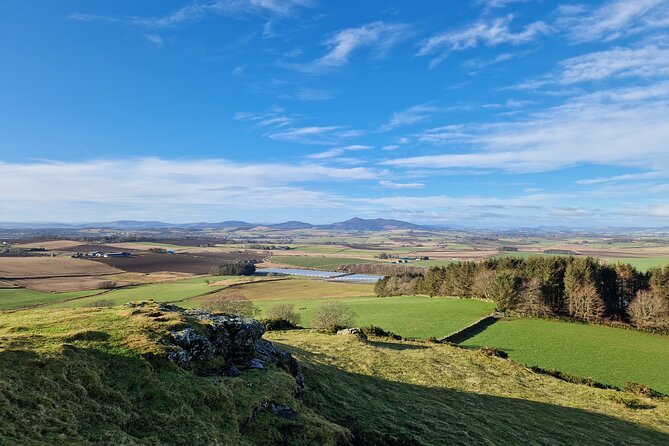
You kick off with Barra Hill fort for about 1 hour. Hillforts across Aberdeenshire share a pattern: builders picked higher ground, often with wooden or stone enclosures to support settlements where people lived and worked. Even when the full structures aren’t standing, the location explains the logic.
What I like about starting here is that it trains your eye fast. After you see a hillfort’s “shape” in the terrain, the later stops—banks, ditches, rings of defense—feel less like random ruins and more like a system. You also get a reminder that many hillforts across Scotland don’t survive intact; often only foundations remain. Archaeological work is what keeps filling in the blanks.
Practical tip: Barra is listed as free admission, but you’re there for the views and the terrain more than for ticketed museum time. Bring a layer and expect wind.
Stop 2: Dunnideer hillfort, five rings of defense, and a stone circle nearby
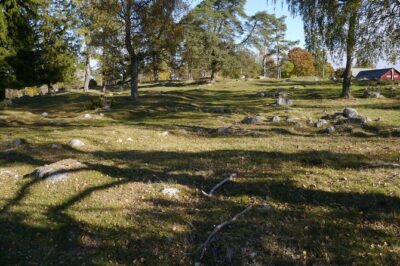
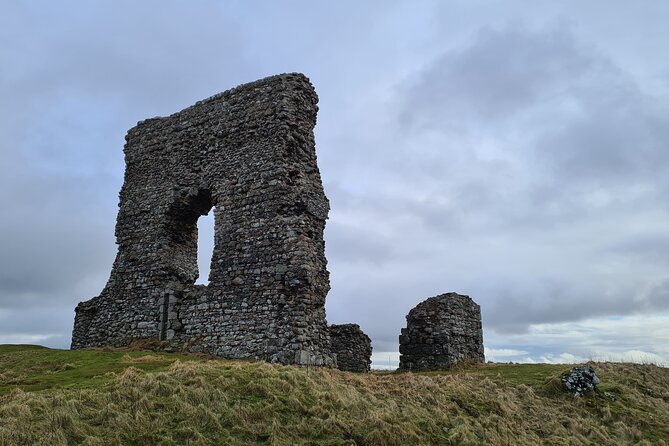
Next up is Dunnideer Hillfort for about 30 minutes, with a short walk up a low hill. From there, you’ll see the ruins of Dunnideer Castle, described as a tower house built around c. 1260, using part of the remains of an older hill fort that had been vitrified (heated so its stones fused).
Here’s the detail that makes this stop worth the effort: the hillfort is said to have at least five concentric rings of defenses. Those defenses show up as high banks and ditches. Looking at it from below helps, but standing on top changes everything—suddenly you see how each layer could control movement and protect the community inside.
A big bonus is the Dunnideer Stone Circle standing stones nearby. You’re not just looking at one era of monuments; you’re seeing how different kinds of structures cluster in the same dramatic area.
If you’re sensitive to uneven ground, take your time on the short climb. The tour’s overall guidance is moderate fitness, and Dunnideer can feel steep even if it’s “short.”
Stop 3: Rhynie and Tap o’Noth—when the Picts were part of a bigger world
Rhynie is where the trip turns from “cool ancient sites” into stronger Pictish storytelling. The area is described as a Pictish stronghold for the northeast of Scotland, and the stop gives you several angles on that power.
You’ll hear about Tap O’Noth, described as Scotland’s largest hillfort. At its peak, the hilltop settlement may have rivaled the largest known post-Roman settlements in Europe. The tour also notes researchers believe it could have had over 5,000 residents—a scale that helps you stop picturing the Picts as small local communities.
Then there are the Pictish carved stones. You’ll see a collection of stones with symbols and carvings, and the guide explains meanings rather than treating the carvings as decoration. You also hear about the Crawstane, a lone standing stone that was once at the center of a settlement linked with trade across the Mediterranean and great wealth.
Why I think this stop is a high point: it connects art, power, and geography. If you only see stones as pretty shapes, the day won’t land as hard. Here, you get the framework for why the symbols were worth carving and how wealth and trade can reshape cultures.
You’ll also learn about the King of the Scots and how he changed Scotland’s cultural landscape in ways that contributed to the downfall of the Picts. The key is that this isn’t just “Romans came” or “time passed.” It’s a story of shifting identity and control, with the landscape acting as a record.
Stop 4: Bellabeg lunch by the Doune of Invernochty motte and bailey
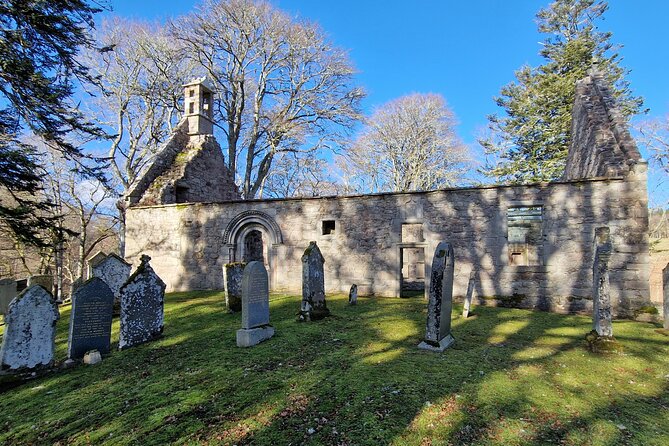
For lunch, you head to Bellabeg for a break at Lost, at the foot of the Doune of Invernochty motte and bailey castle. This is about 45 minutes, and it’s in the Cairngorm National Park, so the vibe changes from ruins-on-a-hill to river-and-country-lanes.
The tour gives you options, and I like that. You can:
- buy lunch in Insch or Bellabeg
- or bring a picnic lunch, with a cooler provided
You’re not locked into a pricey meal deal, and that helps if you want to keep your day flexible. Also, “picnic lunch with a cooler” often means less stress about finding somewhere quickly.
This stop is useful even if you’re not a castle person. Motte and bailey castles represent a different layer of Scotland’s defensive story. Standing near one while you’re already thinking about hillfort defenses earlier in the day creates a natural timeline in your head.
Practical tip: even in good weather, it can feel cooler near river settings. Pack layers, and keep your rain shell handy.
Stop 5: Tomnaverie stone circle and the “recumbent” stone style
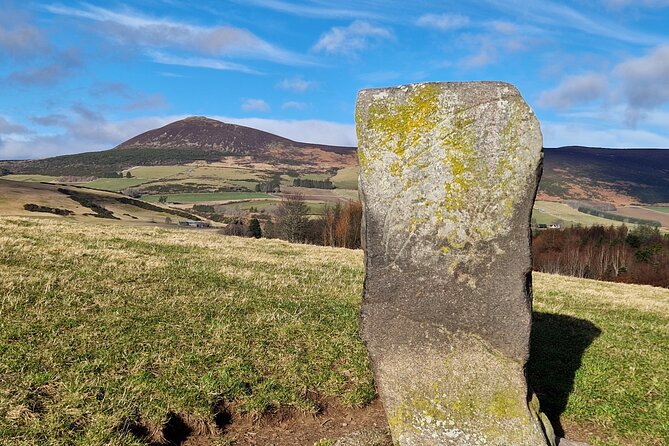
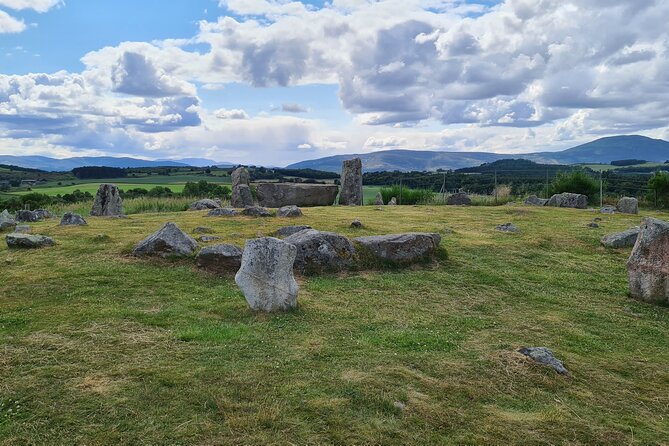
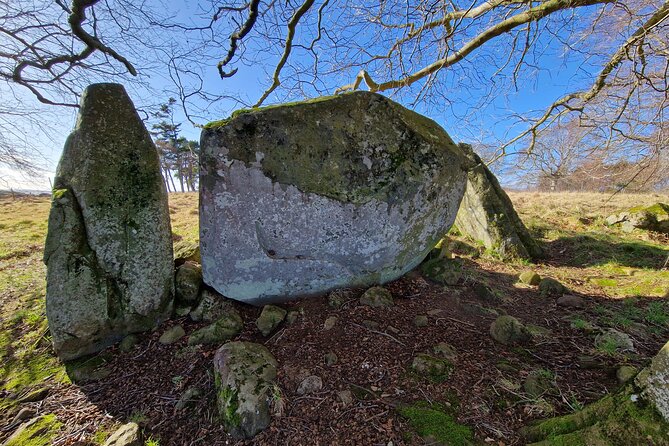
Tomnaverie wraps up the day at a recumbent stone circle for about 30 minutes, with stunning views. This monument type is described as one you find only in north-eastern Scotland, and that’s a big reason it’s worth the drive.
The recumbent stone circle layout has a distinctive feature: a large stone placed on its side, flanked by two upright stones, plus additional standing stones to complete the circle. Nearby is a burial cairn dating to about 4,500 years ago.
I appreciate how the tour handles the unknowns here. You don’t get a “one answer fits all” script. Instead, you’ll hear theories about why these structures were built. That’s the right tone with prehistoric monuments—architecture gives clues, but human meaning isn’t always recoverable.
If you’re a photographer, this is a great time to slow down. The views are part of the experience, and recumbent circles tend to look different as the angle changes.
The guide matters: what personalization looks like in real life
This tour has a small maximum group size of 7 travelers, and that changes the energy. With a smaller group, it’s easier for your guide to adjust the pacing—especially when people have different interests, like symbols and carvings versus defensive architecture versus just taking in the countryside.
In multiple accounts, Jacqueline is described as accommodating and willing to adjust the itinerary based on what you care about. On at least one day, she also added extra local touches like a cliff viewpoint overlooking the sea with seabirds, plus stops connected to local food or drink interests such as a whiskey brewery and a castle.
That doesn’t mean every day has the exact same add-ons. Still, it’s a strong signal that this tour isn’t run like a rigid checklist. If you like the idea of heritage sites with a human guide who can steer the day, that’s a real plus.
What to pack and how to handle the walking
The tour calls for moderate physical fitness and says it’s not recommended for travelers with mobility issues. You don’t have to do long hikes, but you will be walking on uneven ground and hills.
Bring:
- good walking shoes
- weather layers (countryside wind is common)
- a rain layer
- and if you have them, walking poles for the hill sections
Walking poles may be available to borrow on the day, and the guidance says guests are not expected to participate in every walking segment, with some adjustments possible. If you’re unsure, contact before booking so the team can match the day to your comfort level.
Also keep in mind: the experience requires good weather. If weather forces a change, you’ll be offered a different date or a full refund.
Who this tour is best for (and who might want another option)
This is ideal if you want:
- an off-the-beaten-path day in and around Aberdeen’s region
- stone circles and hillforts with real explanation, not just “look at that rock”
- Pictish stories tied to specific places like Tap o’Noth and carved stones at Rhynie
- a small group day where your guide can tailor attention
You might want a different tour if:
- you dislike any hill walking or uneven ground
- you want a very museum-heavy day with seating and minimal steps
- you’re traveling with a strict schedule and need very predictable timing at each site (countryside stops can vary with conditions)
Price, value, and what makes it feel worth it
Let’s be honest: $135.49 can feel steep if you’re comparing it to a free-self-drive map. The difference here is time and context.
You’re paying for:
- transport between spread-out monuments
- a guide to explain defenses, symbols, and cultural shifts
- small group attention
- free admission at the listed stops
The trade-off is lunch is on you, and the day depends on weather. If you’re the type who enjoys learning while walking outdoors—this is a very good use of a day around Aberdeen.
Should you book this Pictish heritage and folklore day?
If you want a day that feels like Scotland beyond the usual checklist, I’d say yes—especially if Pictish history, standing stones, and hillforts are your thing. The itinerary is built to give you a sequence: defenses first, then Pictish power and symbols, then a later defensive era at lunch, and finally prehistoric monumental design at Tomnaverie.
Book it if:
- you’re happy with countryside walking and hills
- you’ll pack a picnic or plan where to buy lunch
- you want a guided day with room for personalization (Jacqueline is a strong reason)
Skip it if:
- you need minimal walking and fully flat ground
- you don’t enjoy weather-dependent outdoor plans
- you prefer your history mostly inside with seats and short stops
FAQ
How long is the Aberdeen Ancient Heritage and Folklore tour?
It runs for about 7 hours 30 minutes.
What time does the tour start in Aberdeen?
The start time is 9:00 am.
Where does the tour meet?
Meet at the William Wallace Statue on Union Terrace, Aberdeen AB10 1NP, UK.
How many people are in the group?
The tour has a maximum of 7 travelers.
Is lunch included?
No. Lunch isn’t included, but you’ll have a cooler. You can buy lunch in Insch or Bellabeg, or bring a picnic.
Are the stops ticketed?
All listed stops include free admission.
Is the tour wheelchair-friendly?
It’s not recommended for travelers with mobility issues.
How much walking is involved?
The tour includes hill sections and a short walk up a low hill at Dunnideer. It’s best for people with moderate physical fitness.
Is the tour affected by weather?
Yes. It requires good weather, and if it’s canceled due to poor weather you’ll be offered a different date or a full refund.