REVIEW · STOCKHOLM
Private Tour: Swedish History Day Trip to World Heritage Candidate Markim-Orkesta from Stockholm
Book on Viator →Operated by Sweden History Tours · Bookable on Viator
Vikings and horses, five hours from Stockholm. This private tour turns the usual Stockholm day plan into a personal history outing, with stops like Viking assembly grounds, churches with runestones, and countryside sites you’ll miss on your own. I like how the format stays small and flexible, so you can steer toward what you care about most.
Two big wins for me: the Viking-to-Reformation timeline you can actually see on the ground, and the real-world pause at an Icelandic horse farm where you meet the animals up close. The one thing to watch is pacing: the sights add up, and lunch time is limited, so plan for a quick, tasty break rather than a long sit-down meal.
In This Review
- Key highlights worth your attention
- A private Swedish history day trip from Stockholm, minus the tourist crowd
- Why Markim–Orkesta feels like a condensed history lesson
- Arkils tingstad: a Viking assembly place by the lakeside
- Vallentuna church: runestones, a 12th-century church, and medieval religious life
- Snåttsta gård and Inga’s runestone story
- Husbyöhns Islandshästgård: meeting Icelandic horses and the people who care for them
- Lindholmen ruins and the likely birthplace of King Vasa
- Orkesta kyrka: Romanesque church walls, rune stones, and a local gravefield
- The day’s pace and your lunch break in Vallentuna
- Price and value: what you’re paying for at $567.11 per person
- How the guide can make or break the day (Felix, Calle, Angus, Jonathan)
- Practical tips for your Markim–Orkesta day trip
- Should you book this Swedish History Day Trip to Markim–Orkesta?
- FAQ
- How long is the Swedish History Day Trip to Markim–Orkesta?
- Is this tour private?
- What time does the tour start?
- Where can you be picked up in Stockholm?
- Is lunch included?
- What’s included in the price besides the guide?
- Are any of the stops charged for admission?
- Can I cancel for a full refund?
Key highlights worth your attention
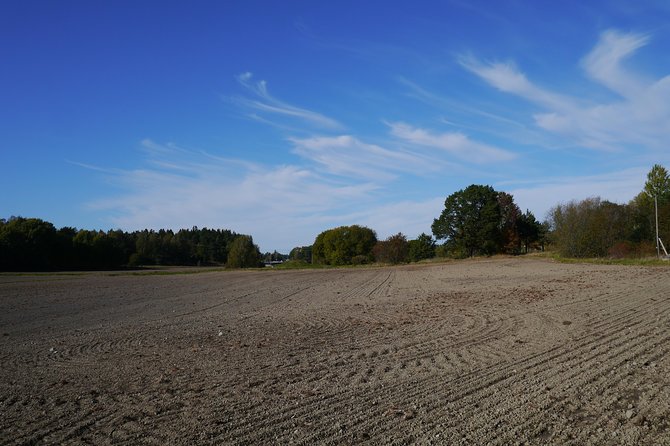
- Markim–Orkesta UNESCO candidate area: a concentrated “time travel” mix from Bronze Age through later Swedish eras
- Runestone storytelling at multiple churches and ruins: you get the why behind the stones, not just the stone shapes
- King Vasa ruins and the shift from Catholic to Lutheran: history that links politics and belief
- Christianized Viking burial ground: a stark look at how rituals changed after Sweden became Christian
- Husbyöhns Islandshästgård Icelandic horse farm: 40 horses and a proper countryside break
- Small-group private touring: max 12 per booking, with pickup for many central locations
A private Swedish history day trip from Stockholm, minus the tourist crowd
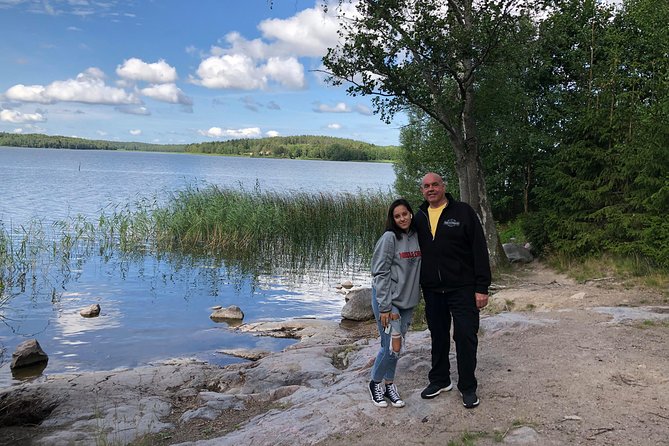
This is a private day trip built around one idea: you should be able to ask questions and move at your group’s speed. With a maximum of 12 people per booking, it still feels like a guided conversation rather than a bus tour where everyone tunes out. The schedule is tight enough to pack in key sites, but the private format gives you room to ask follow-ups, request a different lunch spot, or spend an extra minute at a church wall that grabs your attention.
You start at 9:30 am, and the tour runs about 5 hours. If you’re staying in central Stockholm, pickup is offered for hotels, ports, and other accommodations within 3 km of Stockholm Central Station. The vehicle is air-conditioned, and the tour is offered in English, with a mobile ticket provided.
You can also read our reviews of more private tours in Stockholm
Why Markim–Orkesta feels like a condensed history lesson
Markim–Orkesta is described as a UNESCO World Heritage Candidate area, and the way the day is arranged makes that status make sense. Instead of bouncing randomly across the countryside, you move through places tied to successive eras: Bronze Age, Viking Age, medieval Christianity, and the later religious and political changes that shaped Sweden into the country you see today.
You also get a clear thread connecting things that can feel disconnected in museums. Viking-age burial practices connect to rune stories and early beliefs. Church sites connect to the shift in power after Christianity took hold. Later, the figure of King Vasa brings the politics of reform into view, including the big, controversial changes that came with moving away from Catholic structures toward Lutheran Protestant rule.
Arkils tingstad: a Viking assembly place by the lakeside
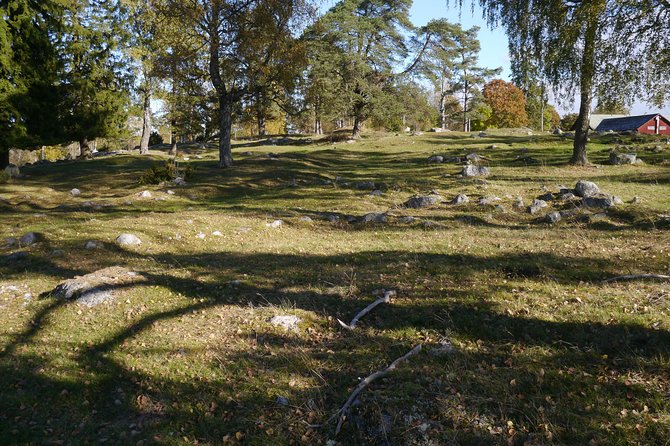
The first stop is Arkils tingstad, a Viking assembly place, paired with time by the lakeside. It’s the kind of site that works well early in the day because it sets the mood: this wasn’t just a place to fight or trade—it was where community decisions likely mattered.
You’re there for about 30 minutes, and admission is free. In that time, you’ll want to pay attention to what the guide connects to the Viking Age: how assemblies worked, what people came together to discuss, and how these social structures shaped daily life. If you like history that explains how normal people lived, this start has a real payoff.
One small drawback: it’s a short stop, so if you’re the type who could happily linger for an hour, you’ll want to do your “extra questions” early while the guide is still fresh.
Vallentuna church: runestones, a 12th-century church, and medieval religious life
Next you head to Vallentuna church, a 12th-century church on the way to Markim–Orkesta. This is where the day becomes more than Viking reenactment vibes. The church holds two runestones from the Viking Age, plus details tied to later Christian worship. The tour description also mentions a reformatic church room—so you get a visible link between older rune culture and later Christian practice.
This stop is also about 30 minutes, and admission is free. What I like here is the mix: you’re not only seeing artifacts; you’re hearing stories that help you interpret why the runestones are where they are and what they were meant to say.
It can get busy with information quickly—different stories, different stones, different periods—so if you prefer slower history, ask your guide to repeat the key timeline in plain language. Good guides will do it without making you feel awkward.
Snåttsta gård and Inga’s runestone story
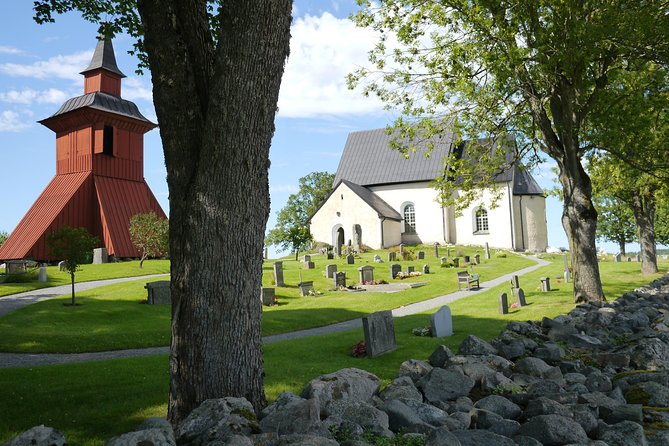
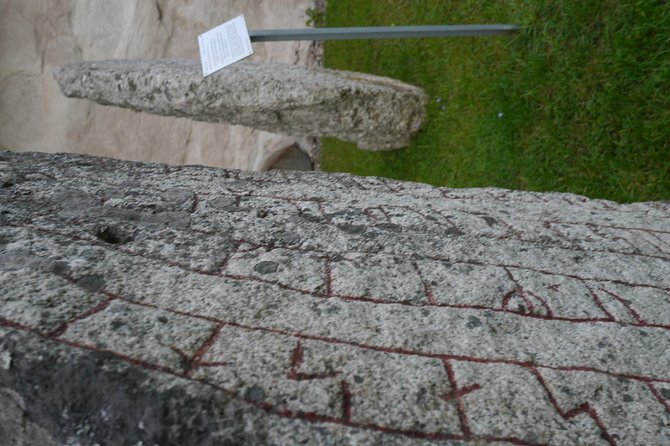
At Snåttsta Gård AB, you focus on runestones connected to Inga, described as a wealthy Viking woman who raised runestones around her farm. This stop is shorter—about 20 minutes—but it adds an important dimension: Viking history isn’t only men, raids, and warriors.
You’re essentially learning how land, status, and memory get tied to stone. The runestones become a kind of long-distance message—built to last, and meant to be read by others who came after.
Because time is limited here, it’s best for people who enjoy concise stops with strong storytelling. If you want more hands-on time photographing every angle, you might wish you had 10 more minutes. Still, this is one of the most “human” pieces of the day.
You can also read our reviews of more historical tours in Stockholm
Husbyöhns Islandshästgård: meeting Icelandic horses and the people who care for them
After the churches and runestones, you get a countryside reset at Husbyöhns Islandshästgård, an Icelandic horse farm. You’ll have about 40 minutes here, and admission is free.
This is where the day becomes easy to breathe in. You can greet the horses, and if the owners are around, you can meet them too. The tour notes that the farm holds 40 horse souls, and you’ll see a big traditional red barn—so it’s not a quick peek. It’s a real pause, and the horse farm interaction is one of the most consistently praised parts in the feedback you provided.
Practical tip: even if the history is your main goal, give this stop your attention. It’s one of the best spots for something “authentic” that isn’t just stone and stories. Plus, it breaks up the day so the rest doesn’t feel like a nonstop museum circuit.
Lindholmen ruins and the likely birthplace of King Vasa
Then you head to Lindholmen, where you see the ruins of the very likely birthplace of King Vasa. This is where the tour’s Viking-to-Reformation storyline pays off. King Vasa is tied to reforming the Swedish state and church—shifting from Catholicism toward Lutheran Protestantism—and the guide explains his life and the controversy around his rule.
This stop runs about 40 minutes, with admission free. I like that it isn’t handled like a distant political lecture. Instead, it’s connected back to place: you’re standing in an area that the tour links to his origin story, then hearing how that origin narrative fits into later national religious change.
If you’re the kind of history fan who loves cause-and-effect—how political power reshapes everyday life—this part tends to click. If you’re more into Viking Age culture only, you may need to lean into the guide’s framing so you don’t feel the story shift too abruptly.
Orkesta kyrka: Romanesque church walls, rune stones, and a local gravefield
The final historic focus is Orkesta kyrka, described as being in the heart of the UNESCO candidate area. Here you visit a local Viking gravefield out of all maps, plus a church that holds 3 rune stones outside its today rare, preserved Romanesque shape. That Romanesque detail matters because it gives you a visual anchor: later Christian architecture sitting on land that still carries older memory.
The tour also brings in stories about a Viking figure named Ulv, described here as mighty and rich, who plundered England three times. In the same area, you also hear about medieval Swedish religious life through frescoes and the stone walls, plus the broader theme of how burial rituals changed as Sweden Christianized.
This stop is about 30 minutes, and admission is free. It’s a strong closer because you end where the symbolism feels densest: gravefield + church shape + rune stones + ritual change. If you’ve taken it all in, you’ll leave with a clearer picture of how people built meaning across centuries.
The day’s pace and your lunch break in Vallentuna
You’ll finish with Vallentuna for lunch, about 40 minutes. Lunch itself is not included, and it’s said to be at a farm restaurant.
In a day this full, 40 minutes can feel short if you like to linger. If you’re traveling with someone who eats slowly or wants a longer sit-down, I’d plan to ask your guide about the lunch rhythm at the start of the day. The feedback you shared also suggests guides may adjust lunch location based on tastes, so it’s worth communicating preferences early.
Price and value: what you’re paying for at $567.11 per person
At $567.11 per person, this isn’t the bargain-bin option. But the value math looks different when you consider what you’re buying:
- Private transportation in an air-conditioned vehicle for a multi-stop route
- A local guide/driver-guide setup, plus a professional guide experience
- Multiple sites across several time periods, with listed stops showing admission as free
- Pickup for many central Stockholm stays (within 3 km of Stockholm Central Station)
- A guided pace that can flex based on your interests, rather than a fixed “walk like this” script
This price is easiest to justify if you’re a small group (private format matters), you care about Viking culture plus later Swedish change, and you want a guide who can answer questions on the spot. If you’re traveling solo and don’t care about customization, you might feel the cost more sharply. But if you want a history day trip that feels personal, this price starts looking like paying for time, access, and interpretation.
How the guide can make or break the day (Felix, Calle, Angus, Jonathan)
In the feedback you shared, the guides’ names come up often: Felix, Calle, Angus, and Jonathan. The common thread isn’t just facts—it’s how they handle your priorities.
A few examples from the info provided:
- Guides are described as flexible about what you see and how you structure the day.
- English communication is praised as clear, so you don’t constantly work to follow details.
- People specifically mention being able to ask lots of questions and getting direct answers.
- Some tours included extra elements like an experimental Viking village or an additional stone stop, such as Thokal stone U344, when the guide tailored things to the group’s interests.
That’s a big deal. Rune stones and church walls can be confusing if you’re reading them as random artifacts. With the right guide, they become readable stories—who built what, why the stone was placed there, and how belief systems shifted over time.
Practical tips for your Markim–Orkesta day trip
A few things to do before you go so the day stays comfortable:
- Wear shoes that handle uneven ground. A lot of the day touches churchyards and ruins.
- Bring a light layer. Even on a clear day, stone churches and lakeside stops can feel cooler.
- Expect short-but-focused time windows. The stops range from 20 to 40 minutes, so keep your “must-ask” questions ready.
- Plan for a quick lunch. If you want a leisurely meal, tell your guide early and be realistic about timing.
- If you’re coming by cruise ship, double-check your exact pier. Pickup depends on which numbered area your ship docks at.
Should you book this Swedish History Day Trip to Markim–Orkesta?
I’d book it if you want more than Viking photos. This day trip connects runestones, church history, King Vasa-era reform, and the shift in burial rituals into one guided story you can actually follow on site. The Icelandic horse farm stop is a welcome break that helps the day feel like a lived-in countryside outing, not just a stone-and-schedule day.
Skip it—or consider a different format—if you mainly want purely Viking Age content and don’t care about later Christian and political change. Also think twice if you hate tight timing; the lunch window is limited, and the route packs in a lot in five hours.
FAQ
How long is the Swedish History Day Trip to Markim–Orkesta?
The tour runs about 5 hours.
Is this tour private?
Yes. It’s a private tour, and only your group participates. There is a minimum of 2 people per booking and a maximum of 12 people per booking.
What time does the tour start?
The start time is 9:30 am.
Where can you be picked up in Stockholm?
Pickup is offered for central hotels, ports, and other accommodations within 3 km from Stockholm central station. There is no pickup included at Nynäshamn harbour.
Is lunch included?
Lunch is not included. There is a lunch stop in Vallentuna for about 40 minutes, and lunch is mentioned as being at a farm restaurant.
What’s included in the price besides the guide?
Included items are local guide, driver/guide, all taxes and handling charges, private transportation, an air-conditioned vehicle, and a professional guide. Mobile ticket is also provided.
Are any of the stops charged for admission?
The listed stops show admission ticket free for Arkils tingstad, Vallentuna church, Husbyöhns Islandshästgård, Snåttsta Gård AB, Lindholmen, Orkesta kyrka, and the sites mentioned in the route.
Can I cancel for a full refund?
Yes. Free cancellation is available if you cancel up to 24 hours in advance of the experience start time. If you cancel less than 24 hours before, the amount paid isn’t refunded.