REVIEW · AKAROA
Akaroa Nature and History Private Tour – The 7th Generation
Book on Viator →Operated by The Seventh Generation · Bookable on Viator
Akaroa gets a whole lot better with one guide. This 7th-generation private tour turns the town and the harbour into a story you can actually follow, with lighthouse links to Robert Louis Stevenson and nature stops that explain how the land formed. You’ll see places most people miss, because the pacing and route are built around context, not checklists.
I love two things most: meeting Marie Haley (a one-woman operation and a 2024 New Zealand Tourism Awards finalist) and learning from someone whose family history is tied directly to what you’re looking at. I also like the balance of topics, from Polynesian navigation and arrival stories to conservation at Hinewai Reserve, so the trip feels like Akaroa as a living system, not a museum.
One possible drawback: this runs best when weather is cooperative, and there’s some vehicle entry and exit, so plan for a few steps if you have mobility limits. If you hate history or geology, this tour may feel like work.
In This Review
- Key things you’ll notice right away
- Akaroa in three hours: what you’re really buying
- Marie Haley and the 7th Generation angle that changes everything
- Takapuneke Reserve: geology, Polynesian routes, and the flax trade
- Onuku Church (Kaik): Treaty of Waitangi context and a photogenic stop
- Akaroa lighthouse and the Robert Louis Stevenson connection
- The French and British rivalry story, plus a personal family thread
- French Akaroa and historic sites tied to the guide’s family
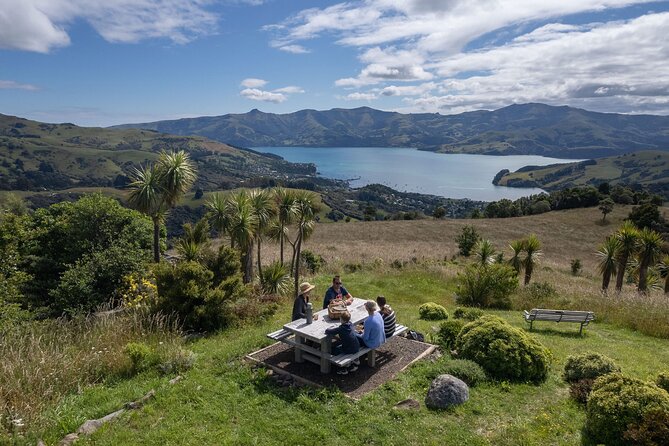
- Akaroa Heritage Park: harbour views plus picnic-style downtime
- Nature-and-sightseeing drive: Hinewai Reserve and restoration reality
- End of the Earth viewpoints and why the drive matters
- Price and value: $341.32 per group up to four
- Who this tour suits best (and who should skip it)
- Practical prep: timing, meeting point, and comfort notes
- Should you book the Akaroa Nature and History Private Tour?
- FAQ
- How long is the Akaroa Nature and History Private Tour?
- What does the tour cost, and how many people are in the group?
- Does the tour include pickup?
- Where does the tour start and end?
- Is this a private tour?
- Is the tour suitable for most travelers?
- Is the tour weather-dependent?
- Are service animals allowed?
Key things you’ll notice right away
- Marie Haley’s family connection makes the French-British contest in Akaroa feel personal and grounded
- Takapuneke Reserve connects geology, Polynesian navigation, and early European industry in one route
- Onuku Church (Kaik) is a clear, photo-friendly stop tied to Māori and Treaty of Waitangi context
- Akaroa Heritage Park gives you harbour views plus time for a relaxed picnic-style break
- Hinewai Reserve shows what restoration looks like when weeds and native forest are in a real fight
Akaroa in three hours: what you’re really buying
This is a private tour for up to four people, which is the whole point. You’re not sharing the day with a large bus crowd, so you can ask questions and actually hear the details behind each spot. The format is about flow: story first, then scenery, then a short pause to take it in.
The route is also practical. You start in Akaroa and use a mix of short walking moments and a nature-and-sightseeing drive, which keeps the day from turning into a long hike. The tour is listed at about 3 hours, so it’s ideal for your first day in town or for anyone who wants a strong orientation without losing the rest of the afternoon.
One more value factor: pickup is offered, so you’re less likely to burn time parking and rerouting. It’s a small thing, but in Akaroa it matters.
Marie Haley and the 7th Generation angle that changes everything
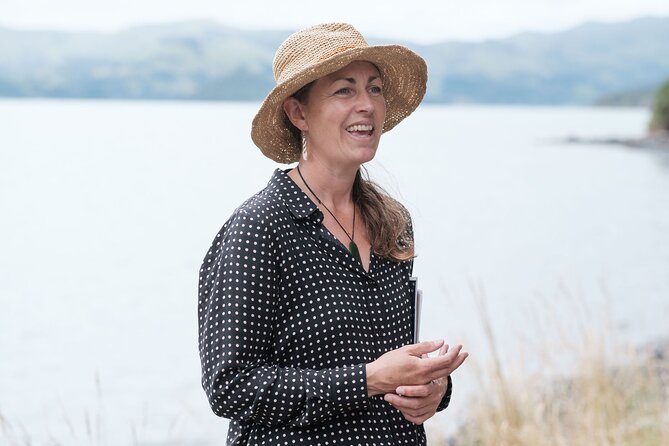
The heart of this experience is the guide, Marie Haley, described as a descendant connected to the French settlers and trained as an historian and ecologist. That matters because she doesn’t separate culture from the environment. She links what people did—travel, trading, building—back to what the land and sea allow.
Marie is also a 2024 New Zealand Tourism Awards finalist for Tourism Business Excellence. That’s not a random badge. It signals that her approach has been noticed for quality and consistency, especially for a one-woman operation.
I like this style because it turns Akaroa into a place you can hold in your head. Instead of memorizing dates, you get a clear set of threads: Indigenous presence and navigation, European arrival, rivalry between France and Britain, and how the landscape today reflects those past choices.
Takapuneke Reserve: geology, Polynesian routes, and the flax trade
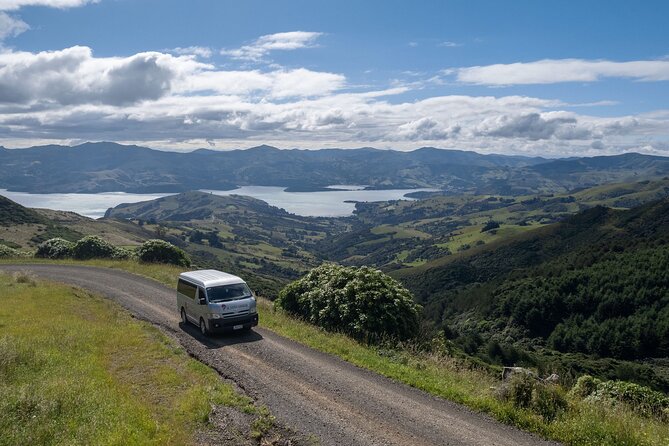
One of your first stops is Takapuneke Reserve, a place where the ground itself helps tell the story. You’ll learn about the natural and geological history of New Zealand, which gives you the baseline for why the area looks the way it does. Then the tour shifts from rocks to people, bringing in Polynesian navigation and exploration.
From there, you move into the European arrival era, including the flax trade. That’s a smart pairing, because flax wasn’t just a plant—it was a reason ships came, a reason communities changed, and a reason waterways mattered.
A small practical note: this is a reserve, so expect some outdoor walking and time spent looking for details in the terrain. The route here is likely best done with comfortable shoes and a willingness to stand and look. If you want everything indoors, this part won’t be your favourite.
Onuku Church (Kaik): Treaty of Waitangi context and a photogenic stop
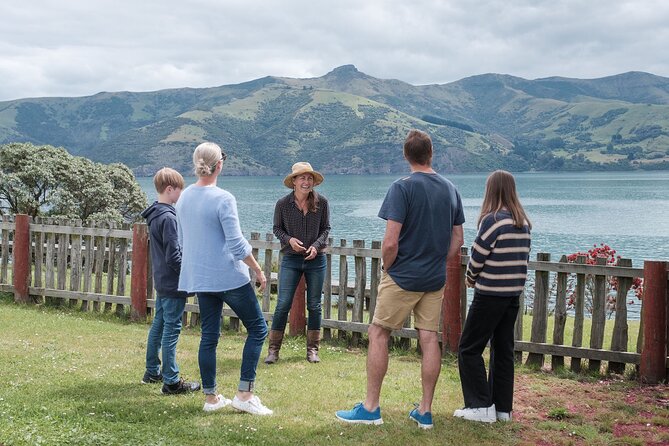
Next you’ll visit Onuku Church (Kaik), a beautiful Māori church where you’ll hear Treaty of Waitangi-related context. You also get a story about the first British Resident to New Zealand, tied to the wider political timeline that shaped life on Banks Peninsula.
This stop works because it doesn’t treat culture like scenery. You’ll be given the background so the building and the setting make more sense. It’s also one of those moments where you can take photos without feeling like you’re just doing picture-taking—because you know what you’re looking at.
Plan for a shorter, calm stop here, around 20 minutes. That’s enough time to absorb the explanation and snap a few photos, but not enough time to linger for long if you’re the type who wants to explore every corner. Go with the mindset of listening, not sightseeing.
Akaroa lighthouse and the Robert Louis Stevenson connection
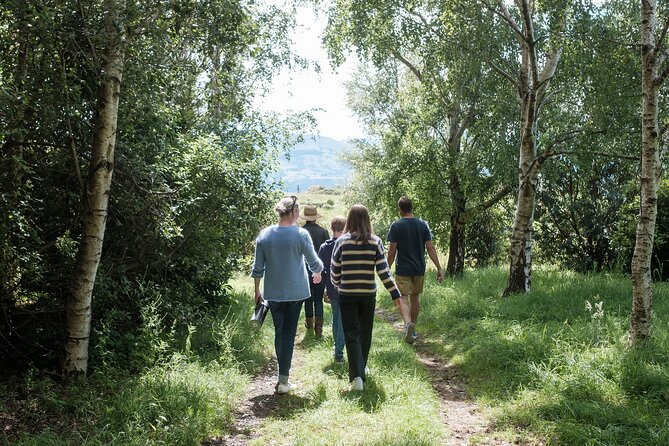
The tour includes a stop to learn about the historic Akaroa Lighthouse and its connection to the Robert Louis Stevenson family. This is one of the ways Akaroa’s European past becomes tangible. Instead of talking about writers in the abstract, you’re looking at a physical piece of maritime life that shaped travel and safety along the coast.
The value here is tone. The lighthouse story fits the themes the guide is building throughout the tour: sea travel, settlement pressures, and how people relied on the coast. Even if Stevenson isn’t your thing, the lighthouse helps you connect the dots between earlier exploration and later settlement.
If you enjoy maritime history or want a quick way to understand why Akaroa mattered to outsiders, this stop is worth your full attention. I’d also recommend keeping your camera ready, but not at the expense of listening—the story is the point.
The French and British rivalry story, plus a personal family thread
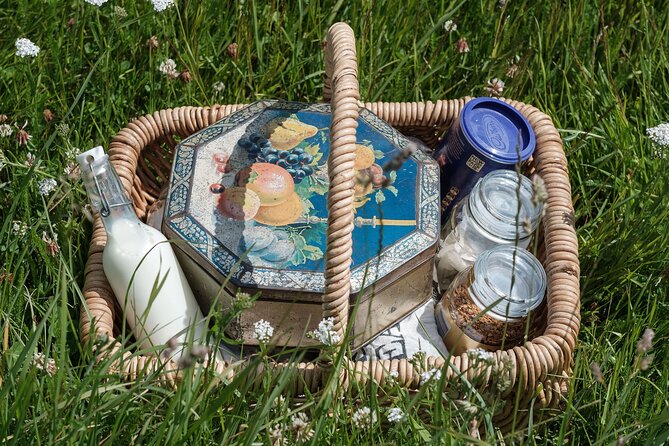
A key part of the tour is hearing the Race for the South Island between the French and the British. What makes it feel different is that you’re not hearing it as generic European history. Marie Haley brings in personal family history tied to the first French settlers to Akaroa.
This is where the “why” snaps into place. If you’ve ever visited a place and wondered why two nations were fighting over it, this tour gives you a clear answer using real local context. You’ll understand the stakes: travel routes, settlement intentions, trade, and national prestige, all played out in a small harbour town.
The drawback? This portion can feel more story-heavy than scenery-heavy. If you prefer long viewpoint breaks over explanations, you may need to pace yourself mentally. The good news is that the tour keeps moving, so you’re not stuck in one spot for too long.
French Akaroa and historic sites tied to the guide’s family
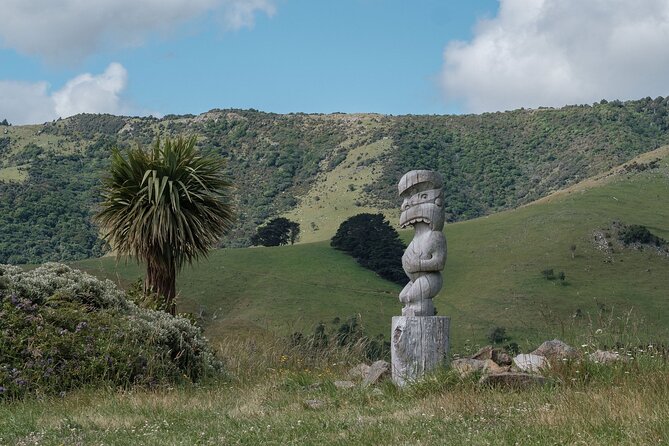
After the rivalry story, you’ll spend time in the French town of Akaroa and visit many historic sites. The important detail is that these aren’t treated like random postcard stops. The historic sites are personally connected to the guide’s family story, so you get depth instead of a quick “this used to exist” explanation.
This section is great for orientation. You’ll likely start to see how French influence shows up in building style, town feel, and the way people talk about the area. But you’ll also see the overlapping layers, because Akaroa history isn’t only French—it’s Indigenous presence, British administration, and European competition.
One practical tip: wear layers. Town time can be breezy, and you’ll be going in and out of light walking around older buildings. If you get cold easily, bring a jacket even if the morning starts warm.
Akaroa Heritage Park: harbour views plus picnic-style downtime
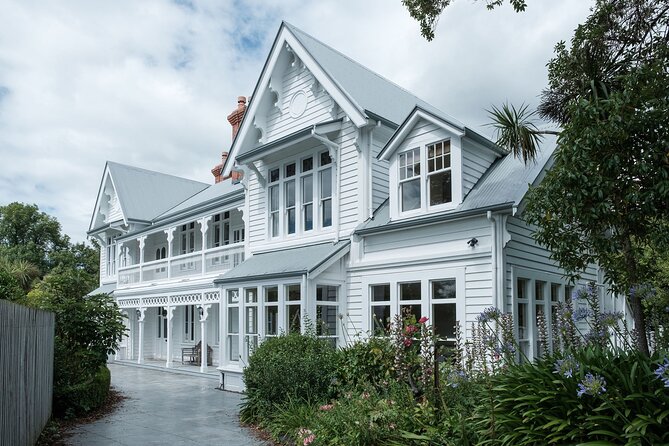
The tour includes a stop at Akaroa Heritage Park, with a chance for a picnic at the harbour overlook. The point isn’t a formal meal; it’s a reset. You get the chance to take in the view over Akaroa Harbour while the stories you heard earlier settle into place.
This is also where the tour’s nature-and-history blend shows its payoff. After learning about navigation, arrival, and settlement, the harbour isn’t just pretty. It becomes the reason the whole timeline unfolded.
If you want to make the most of this moment, I suggest you slow down: look for ship-like patterns in the water, watch how the coastline holds weather, and notice how the town is shaped around the harbour. This is the kind of viewpoint break that makes the rest of your trip easier, because you’ll understand what you’re seeing later when you walk around on your own.
Nature-and-sightseeing drive: Hinewai Reserve and restoration reality
The later part of the tour shifts into nature and sightseeing driving, including Hinewai Reserve. This is described as the largest private reserve in New Zealand, focused on regenerating native forest through invasive exotic weed control.
That’s a meaningful stop because it goes beyond “pretty forest.” You’re seeing conservation as an active, ongoing job. Instead of treating nature as fixed, the tour shows the work needed to keep native habitats alive.
I like that the guide frames it as a process, not a miracle. You’ll learn what’s being done and why it matters. If you care about ecology, this is likely the most emotionally satisfying section, because it connects your understanding of the land with real outcomes.
You’ll also likely spend time stopping for viewpoints as you drive. The exact walking at reserves isn’t fully detailed here, so if you have specific mobility needs, I’d plan to ask what movements are involved before you go. Better to confirm and be comfortable.
End of the Earth viewpoints and why the drive matters
The itinerary also mentions visiting the End of the Earth during the nature-and-sightseeing drive. Even without a long hike description, this is usually the kind of place that gives you a strong sense of scale: the feeling that the land runs out, and the ocean takes over.
This part is valuable because it changes your perspective. Early in the day you’re in Akaroa’s town-and-history layer. Later, you’re reminded that Akaroa exists because of ocean access and the shape of the peninsula. It’s the big-picture wrap-up you want at the end of a 3-hour tour.
If your day includes other activities, this stop helps you frame them. After seeing the broader coastal setting, it’s easier to understand why people settled where they did and why certain routes mattered.
Price and value: $341.32 per group up to four
At $341.32 per group for up to four people, you’re paying for privacy and depth, not just transportation. If you split it across four, you’re in the ballpark of about $85 per person for roughly three hours with pickup potential and a specialist guide. If you go as a smaller group, the cost per person rises, but you still get the real advantage: the tour is tailored to your questions and your pace.
The booking lead time also tells you something. With an average booking window of 218 days, this tour clearly has demand. That doesn’t mean you should panic-book, but it does mean you’ll get better options by reserving early, especially in busy seasons.
Is it worth it? If you want stories tied to actual places—plus nature explanations you can use later when you explore on your own—this is a strong value. If you only want quick stops with minimal talking, you might choose something cheaper and more flexible.
Who this tour suits best (and who should skip it)
This is ideal for first-timers to Akaroa who want a clear introduction with depth. It’s also a good fit for history lovers, people who care about Māori and Treaty context, and anyone curious about how Polynesian navigation, European arrival, and settlement patterns connect to the land.
It’s also a great choice for couples, friends, and small families who want a quieter experience with less crowd pressure. The private format is a genuine quality-of-life upgrade in Akaroa, where time and parking can be tight.
If you hate guided explanations and prefer unguided wandering, you might find the story-heavy sections too much. Also, because the tour requires good weather, avoid planning it as your only outdoor activity on a day when conditions are uncertain.
Practical prep: timing, meeting point, and comfort notes
Your start point is at 78 Rue Lavaud, Banks Peninsula, Akaroa 7520, and the tour ends back at the meeting point. That makes it easy to build the rest of your day without complicated transport plans.
Bring comfortable shoes for outdoor reserve viewing and be ready for light walking. Also note the guide indicates some flexibility is required when entering and exiting the vehicle. If you have mobility concerns, it’s smart to tell the operator ahead of time so the guide can tailor the pacing and stops.
Finally, plan for a weather-dependent experience. If conditions aren’t right, the tour can be rescheduled or refunded, but either way you’ll want a backup day in Akaroa if your schedule is tight.
Should you book the Akaroa Nature and History Private Tour?
I’d book it if you want Akaroa to make sense fast. This tour gives you a guided thread through Māori context, Polynesian navigation, European arrival, French-British rivalry, and conservation at Hinewai Reserve—all in about three hours.
I’d skip it only if you want a short scenic drive with minimal explanation, or if you can’t be flexible with weather. For most people—especially couples and small groups—this is one of the best ways to get real connection to Akaroa without spending your whole day figuring things out.
FAQ
How long is the Akaroa Nature and History Private Tour?
It runs for about 3 hours.
What does the tour cost, and how many people are in the group?
The price is $341.32 per group, for up to 4 people.
Does the tour include pickup?
Pickup is offered.
Where does the tour start and end?
It starts at 78 Rue Lavaud, Banks Peninsula, Akaroa 7520, and ends back at the meeting point.
Is this a private tour?
Yes. It’s a private tour/activity, and only your group participates.
Is the tour suitable for most travelers?
Most travelers can participate, but you should let the operator know of any major health or mobility issues so the guide can tailor the experience.
Is the tour weather-dependent?
Yes. The experience requires good weather, and if it’s canceled due to poor weather, you’ll be offered a different date or a full refund.
Are service animals allowed?
Service animals are allowed.