REVIEW · XIAN
All inclusive Two-Day Xi’an private Heritage Tour
Book on Viator →Operated by Lily's Private Tours · Bookable on Viator
Two days in Xi’an, minus the stress. This private heritage trip mixes big-ticket sights with daily-life moments, from the Terracotta Warriors to traditional cave dwellings, with door-to-door transfers keeping you fresh. You’ll also hit the underground Han Yang Ling Museum (Jingdi’s Tomb) and round things out with the Big Wild Goose Pagoda and the Muslim Quarter.
I really like the English-speaking private guide approach. You get clear explanations at each stop, and the best part is how your guide helps you connect what you see to how people lived—especially during the cave-dwelling visits. I also love the door-to-door private transfers. Getting whisked from your central hotel (instead of fighting taxis or group shuttles) makes the two days feel doable.
One thing to consider: you’ll walk and you’ll likely stand in lines at major sites. The tour runs in all weather, so comfortable shoes and a plan for hot sun or rain matter, and the City Wall stop can involve extra effort since golf-cart rides aren’t included.
In This Review
- Key highlights at a glance
- Two days in Xi’an that mix power and everyday life
- Day 1: Terracotta Warriors, City Wall, and cave-dwelling conversations
- Why the City Wall stop works
- Farmers’ Caves: short stop, real perspective shift
- Day 2: Jingdi’s underground tomb underfoot at Hanyangling Museum
- Big Wild Goose Pagoda, Bell Tower, and a relaxed Muslim Quarter walk
- Guide quality: names you’ll hear and why they matter
- What’s included (and what you’ll handle yourself)
- Price and value: what $250.20 buys you in real terms
- Getting the most out of it: shoes, stamina, and weather plans
- Who should book this private heritage tour?
- Should you book it?
- FAQ
- Is this tour fully private?
- What’s the duration of the tour?
- What time does the tour start?
- Is hotel pickup and drop-off included?
- Is a guide included, and is the guide English-speaking?
- Are museum tickets included?
- If I don’t choose lunch, is lunch still included?
- Do I need to arrange my own hotel?
- Does the tour operate in bad weather?
- Can I cancel for a full refund?
- Are golf carts or cycling on the City Wall included?
Key highlights at a glance

- Two Terracotta armies in one trip: Qin-era icons plus a second imperial collection at the underground Han Yang Ling Museum.
- Traditional cave dwellings with local context: You won’t just look at houses; you’ll hear why people lived this way.
- Door-to-door round-trip private transfers: Central-hotel pickup and return on both days helps you move efficiently.
- Big names plus food-friendly neighborhoods: Big Wild Goose Pagoda and a relaxed wander through the Muslim Quarter.
- Museum time that feels un-rushed: You get multi-hour blocks at the big stops, not quick photo runs.
Two days in Xi’an that mix power and everyday life

Xi’an is famous for emperors and monuments, but what makes this tour appealing is the balance. You’ll spend serious time on the heavy hitters—Terracotta Warriors and Hanyangling—then switch gears to caves, daily routines, and neighborhood streets.
What I like most about this style of tour is the pacing. A private guide helps you focus on the details that actually matter at each site, like key figures, horses, and weapons at the Terracotta Museum, instead of letting you get lost in a crowd.
You also get a practical benefit: private transfers. If you’ve ever tried to coordinate museum entry times, city traffic, and last-minute taxi hunts, you’ll understand why this matters. Here, you can stay in sightseeing mode.
You can also read our reviews of more tours and experiences in Xian.
Day 1: Terracotta Warriors, City Wall, and cave-dwelling conversations
The first morning starts with the Museum of Qin Terra-cotta Warriors and Horses. You’re there for about three hours with admission included, and your guide leads you through the key figures, horses, and weapons. That time window is important: it gives you a real sense of the scale and the craftsmanship without turning the visit into a frantic sprint.
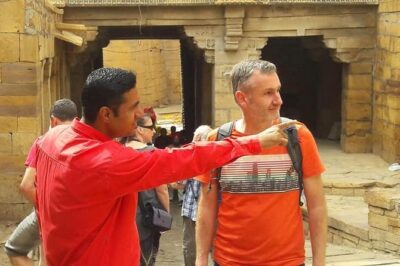
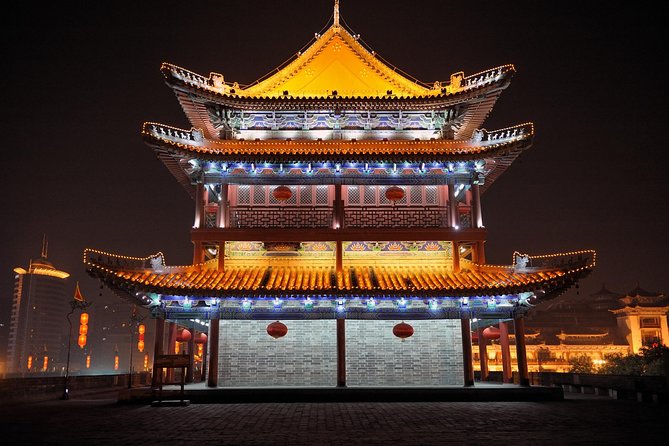
Next up is Xi’an City Wall, also called Chengqiang. The City Wall stop isn’t just a viewpoint. You’ll get a window into daily life via a traditional cave dwelling where a local family lives. Your guide explains why people like to live this way, which changes the experience from sightseeing to understanding.
Then you head back toward the city area. This portion of Day 1 is a smart pairing: you see an ancient defensive structure, then you see how ordinary people adapted to their environment right outside the “big monument” narrative.
Why the City Wall stop works
A lot of Xi’an tours treat the City Wall like a quick photo spot. Here, the connection to cave dwellings gives it meaning. You’ll start thinking about geography, building methods, and how residents shaped their lives around what was available.
Farmers’ Caves: short stop, real perspective shift
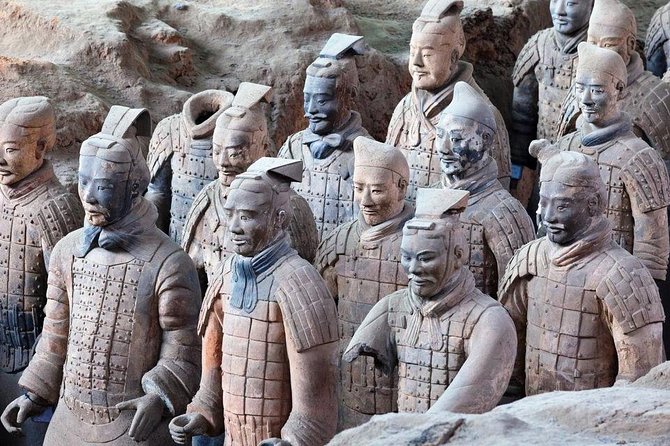
After City Wall, you visit Farmers’ Caves. It’s a shorter stop (around 30 minutes), but it plays a specific role. Your guide helps you picture how a farmer’s life could fit into cave housing. Even if you know the concept, it’s one thing to read about it and another to stand near the structures and get the local explanation.
This is also where your guide’s communication matters. Some guides rattle off dates. The best ones connect the dots between the site and human behavior—how people chose homes, how they managed daily life, and what the setting offered.
If you’re short on time in Xi’an, this cave-focused stop is a good way to avoid turning the trip into only “royal objects behind glass.”
Day 2: Jingdi’s underground tomb underfoot at Hanyangling Museum
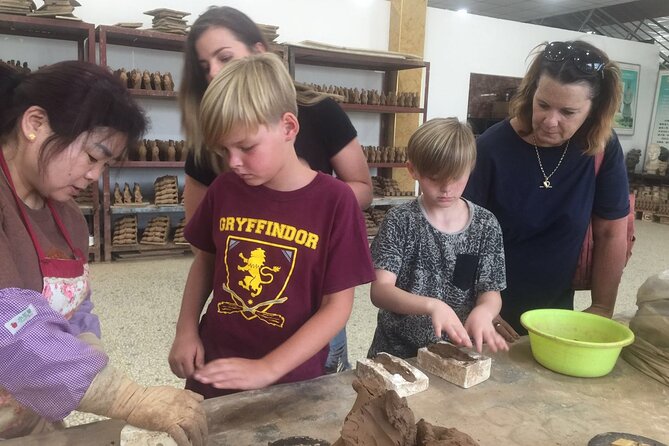
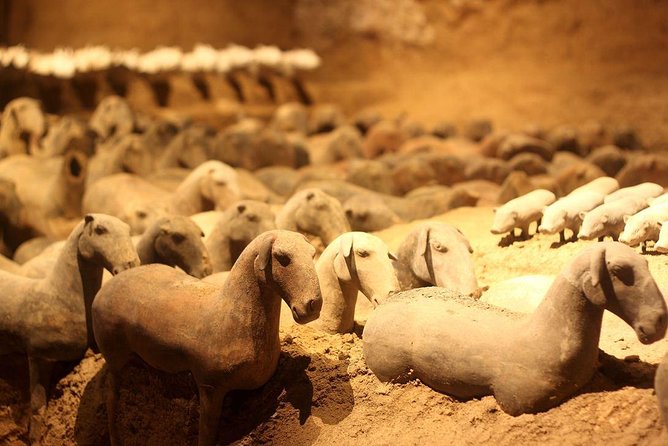
Day 2 centers on the Tomb of Emperor Jingdi, known for the Hanyangling Museum. You get about three hours here, with admission included. This site is famous for being an underground museum, and the main payoff is the change of atmosphere. Instead of open-air monument viewing, you’re exploring a subterranean setting that changes how the exhibits feel.
Your guide helps you understand what you’re looking at, and because you’ll spend time here (not just a quick walk-through), you can compare the feeling against the Terracotta Warriors from Day 1. One is surface-facing imperial power; the other is a different kind of preservation—an emperor remembered through what’s literally beneath the ground.
That contrast is one reason this two-day format works. It keeps the story moving forward instead of repeating the same “big famous thing” twice.
Big Wild Goose Pagoda, Bell Tower, and a relaxed Muslim Quarter walk
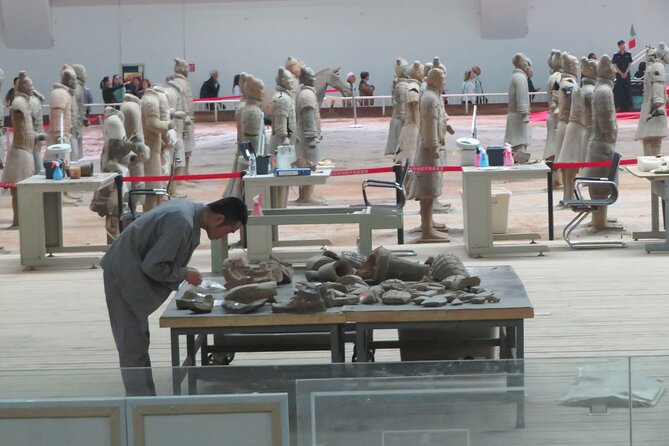
In the afternoon, your pace stays light enough to enjoy the sites instead of rushing. Big Wild Goose Pagoda (Dayanta) is next, inside the Da Ci En Temple area. The pagoda is tied to the Tang Dynasty and was built to store Buddhist sutras and figures, which gives it a strong religious and cultural context.
This stop runs about two hours. In my experience, that’s a good amount of time for getting the basics, walking around, and still leaving room for questions. A private guide helps you make sense of what you’re seeing without turning every minute into a lecture.
Then you visit Xi’an Bell Tower, about a 30-minute stop. Entry is free for this part, so it’s a nice no-pressure add-on. Your guide explains the bell-and-drum function in ancient times—used to strike time because people didn’t have clocks. Even if you only take in a small portion, the context helps the building feel more real.
Finally, you wander the Muslim Quarter for about 40 minutes. This area is known for food, and it’s a place where you can slow down. The key is that you don’t need a strict game plan here—you can use the quarter as a human-scale way to end the trip after two heavy museum days.
Guide quality: names you’ll hear and why they matter
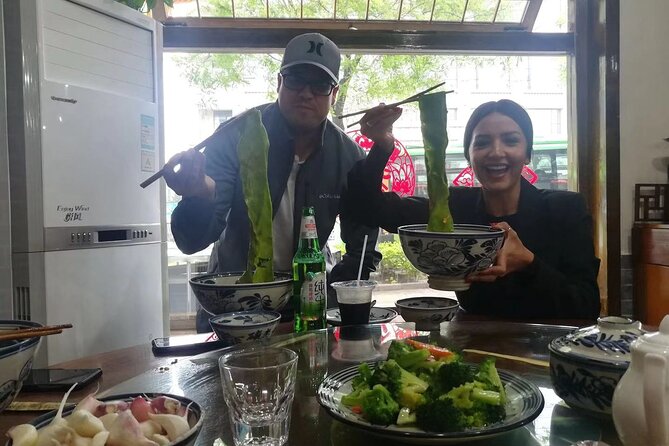
This tour’s reviews consistently point to one thing: the guide. You’ll see names like Judy and Michael mentioned as standout English-speaking guides, with very good explanations and a talent for keeping the experience easy to talk about. Shine is also highlighted for being patient, kind, and able to handle family needs, especially with children.
Cathy and Lily’s tour team show up in the same way—professional, friendly, and serious about the historical background. The practical takeaway for you: a good guide helps you avoid the most common problem on heritage tours, which is leaving with photos but not much understanding.
If you enjoy questions—how something worked, why it was built, what daily life might have looked like—this format is made for that. You won’t feel like you’re just passing time until the next bus.
What’s included (and what you’ll handle yourself)
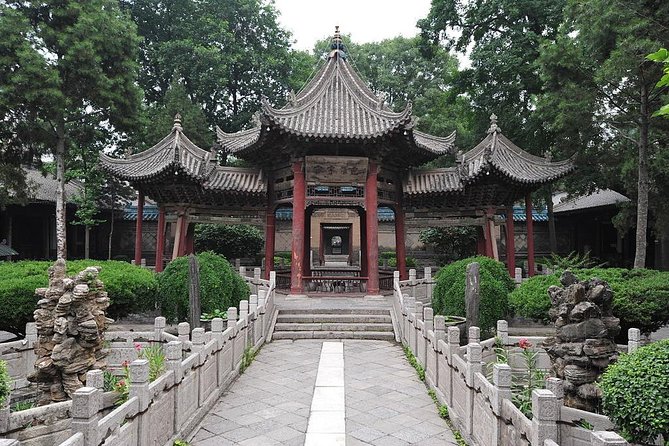
This tour includes a professional English-speaking guide, plus private transfers from and back to centrally-located hotels. That alone is a big part of the value, because your time isn’t spent figuring out transport.
Admission tickets are included for major stops, with Bell Tower listed as free. Lunch is included only if you choose the option that adds it—otherwise, you handle meals yourself. Your accommodation isn’t included either. You’ll make your own hotel arrangement in Xi’an.
One more practical detail: cycling or riding a golf cart on the City Wall isn’t included. So if you want to minimize walking there, plan how you’ll get around without assuming a cart is part of the deal.
Also, you’ll receive a mobile ticket, which helps with on-the-day entry.
Price and value: what $250.20 buys you in real terms
At $250.20 per person for two days, this isn’t a bargain-basement tour. You’re paying for three things that usually cost extra if you piece them together yourself: private guide time, private door-to-door transfers, and admission tickets.
If you’d otherwise do this with a mix of taxis and separate tickets, your day will get eaten by travel gaps and sorting logistics. This tour keeps the rhythm tight: you get set start times, a driver who handles the movement, and guided time blocks where the site makes sense.
The lunch situation can affect your out-of-pocket total. If you’re comparing options, look at whether you’ll pick the lunch upgrade. If you hate hunting for food between sites, paying for the included restaurant meal may save hassle as much as money.
The bottom line for value: it’s strongest for you if you want a guided, low-friction experience that covers major Xi’an highlights without turning the trip into a transportation puzzle.
Getting the most out of it: shoes, stamina, and weather plans
The tour is described as operating in all weather conditions, so dress for sun, rain, and temperature swings. Comfortable walking shoes are non-negotiable. You’re on your feet across multiple stops and time blocks, and a private tour can still feel tiring if you underestimate walking.
Your physical fitness level should be moderate. The itinerary isn’t labeled as extreme, but it’s still a two-day heritage pace with multiple locations and museum time.
If you’re traveling with kids, the tour requires an adult accompaniment. The guide names I mentioned earlier (like Shine) suggest the team can be patient and flexible for family needs, but you should still expect lots of walking and listening.
Who should book this private heritage tour?
This trip makes the most sense if you:
- Want two days in Xi’an with major sights and clear explanations.
- Prefer private comfort and punctual pickup over public transport chaos.
- Like the idea of not just seeing history, but hearing it in context—especially around cave dwellings.
- Travel as a couple or small group where private guiding is worth the cost.
It might be less ideal if you:
- Want a completely freewheeling schedule where you don’t listen to explanations.
- Don’t like museums or require very short stops (most sites here are multi-hour or longer).
- Expect everything to be minimal walking, since comfortable shoes are essential and golf carts on the City Wall aren’t included.
Should you book it?
If you want Xi’an without the usual headache—transport timing, ticket juggling, and “what am I looking at?”—this is a strong match. The combination of two imperial Terracotta-related experiences, the underground Hanyangling Museum, and the cave-dwelling conversations is exactly the kind of mix that makes Xi’an feel more human, not just monumental.
Book it if you’ll enjoy a guided story and you’re comfortable walking across two full days. You’ll come away with images, yes—but also with a sense of why these places mattered to power, belief, and everyday life.
FAQ
Is this tour fully private?
Yes. It’s a private tour/activity, and only your group will participate.
What’s the duration of the tour?
It runs for 2 days (approximately).
What time does the tour start?
The start time is listed as 9:00 am.
Is hotel pickup and drop-off included?
Yes. Private transfer from and to centrally-located hotels is included on both days.
Is a guide included, and is the guide English-speaking?
A professional English-speaking guide is included.
Are museum tickets included?
Admission tickets are included for the major paid stops. The Bell Tower stop is listed as free.
If I don’t choose lunch, is lunch still included?
Lunch is included only if you choose the option that adds it. Otherwise, lunch is not included.
Do I need to arrange my own hotel?
Yes. Hotel accommodation in Xi’an is not included, so you’ll book your own stay.
Does the tour operate in bad weather?
Yes, it operates in all weather conditions. You should dress appropriately.
Can I cancel for a full refund?
Yes, free cancellation is offered. You can cancel up to 24 hours in advance of the experience start time for a full refund. If you cancel less than 24 hours before, the amount paid is not refunded.
Are golf carts or cycling on the City Wall included?
No. Cycling or riding a golf cart on the City Wall is not included.