REVIEW · MUNICH
Munich History Tour: Private & Personalized with a Local Guide
Book on Viator →Operated by City Unscripted · Bookable on Viator
Munich history works best when someone slows it down for you. This private, personalized walk through central sights lets your guide tailor what you care about, from royal power to WWII stories, and guides like Paola and Michelle often set the tone fast with charm and strong English. You’ll get plenty of photo stops and the itinerary can be customized around your interests.
I love how this tour is built for comfort and control: you can choose your start time and generally go at your pace, and guides such as Anna and Franz have a knack for giving clear backstory without rushing you. One drawback to plan for: it’s mostly walking, and attraction tickets and local transport aren’t included, so you may need to pay extra if you add entry or transit between sites.
In This Review
- Key takeaways
- Munich History Tour: What You Really Get for Your Money
- Picking Your Focus: WWII, Churches, Royal Munich, or Food Mood
- Starting Point and Meeting: Hotel Meet-Up vs Central Landmark
- Practical tip
- Stop 1: Munich Orientation and How the Story Connects
- Stop 2: Marienplatz and the Neues Rathaus Glockenspiel
- Stop 3: Nymphenburg Palace Gardens and Courtly Grandeur
- Watch-out
- Stop 4: Munich Residenz and the Stories Behind Modern Germany
- A practical note
- Stop 5: St. Peter’s Church Interiors and City Views
- Walking-First Logistics: What To Expect (and How to stay comfortable)
- Guides Can Make or Break It: What the Best Ones Tend to Do
- Price and Value: When $111.05 Makes Sense
- Is This Tour Right for You?
- Should You Book This Munich History Tour?
- FAQ
- How long is the Munich History Tour?
- Is this tour private?
- Where does the tour start and end?
- Can you meet me at my hotel?
- What’s included in the price?
- Are food and drinks included?
- Are attraction tickets included?
- Is transportation included?
Key takeaways
- Private, personalized route: A short questionnaire helps your guide shape what you see and how much time each stop gets.
- Iconic + “local-leaning” stops: Marienplatz with the Glockenspiel, plus major palaces and church interiors.
- Hotel meet-up option: Your guide can meet you at your selected hotel (or at a central landmark instead).
- Flexible timing: Pick a time window that fits your day, with a total duration of about 2 to 4 hours.
- Photo-friendly pacing: The tour is designed around looking up, looking around, and stopping often.
- Walking-first logistics: No private vehicle is included; for longer transfers you may use public transport on your own.
Munich History Tour: What You Really Get for Your Money
At $111.05 per person, this isn’t a cheap mass-market stroll. But it also isn’t trying to cram you into a big group schedule. The real value is that you’re paying for a private guide plus a “make it yours” setup, so the story fits your day and your curiosity.
The format matters. You’re looking at landmark-heavy Munich—Marienplatz, palaces, and a top church—yet it’s still a walking experience with flexible duration (roughly 2–4 hours). That’s a sweet spot if you want a serious orientation to the city without spending half your trip underground in ticket lines.
Picking Your Focus: WWII, Churches, Royal Munich, or Food Mood
What makes this tour feel personal is the pre-tour questionnaire and direct communication with your host. Before you meet, you share your interests and must-sees, and your guide reaches out to shape the route. If you’re the kind of traveler who thinks, I want history but not lectures, this setup is a good match.
From the way guides describe Munich in practice, the common threads are:
- Old Town orientation: where things are, what to notice, and how the city’s layout explains the past.
- Power and palaces: royal legacy shows up in the architecture and the stories behind it.
- WWII history and modern Germany: the Residenz stop is often where this thread becomes tangible.
- Spiritual life and interiors: churches can be more than exteriors—your guide can focus on what’s inside and what it means locally.
If your interests are very specific—churches, architecture, local culture, or even just learning how Munich thinks about its past—this tour is built so you don’t have to force your day into a generic itinerary.
Starting Point and Meeting: Hotel Meet-Up vs Central Landmark
You’ll start at Fischbrunnen, Marienplatz 8, 80331 München, unless you choose the meeting point option that fits your hotel. Here’s how that choice affects your day:
- Hotel meet-up: convenient if you’re staying in a location on their hotel list. Your guide meets you there and you begin on foot.
- Central landmark meeting: better if your hotel isn’t listed or you prefer to start in a classic, easy-to-find spot.
After booking, Experience Planners contact you to confirm the meeting point and help with final details. This step is important, because walking tours live or die by timing and clarity.
Practical tip
Save the confirmation details on your phone and keep the guide’s direct messaging available. One ugly travel day can start from a tiny communication hiccup, so I like to have everything ready before I step outside.
Stop 1: Munich Orientation and How the Story Connects
Your tour kicks off with an introduction to Munich’s spirit and how history, traditions, and modern culture connect. You don’t just get facts—you get a map for thinking.
This part usually sets expectations for what you’ll see next. If your route includes royal sites, your guide may point out how power shaped the city’s layout. If your focus is WWII or religion, you’ll likely get a framing story before you reach the places where those themes show up.
This start also gives you the chance to steer lightly. Since the schedule is flexible, you can nudge your guide toward the sights you care about most, rather than passively accepting someone else’s priorities.
Stop 2: Marienplatz and the Neues Rathaus Glockenspiel
Next up is Marienplatz, and the star here is the Neo-Gothic Neues Rathaus. This is Munich’s postcard center, but the tour approach makes it more useful than just “look how pretty it is.”
What you’ll focus on:
- The elaborate façade and how it reflects the city’s self-image.
- The history your guide connects to this civic centerpiece.
- The Glockenspiel (the famous moving figures) as a landmark detail you can place into the broader story of the square.
This stop works well even if you’ve seen photos before, because you’ll learn what to notice while you’re standing there. It’s also a good reset point: you can get your bearings fast before moving outward.
Stop 3: Nymphenburg Palace Gardens and Courtly Grandeur
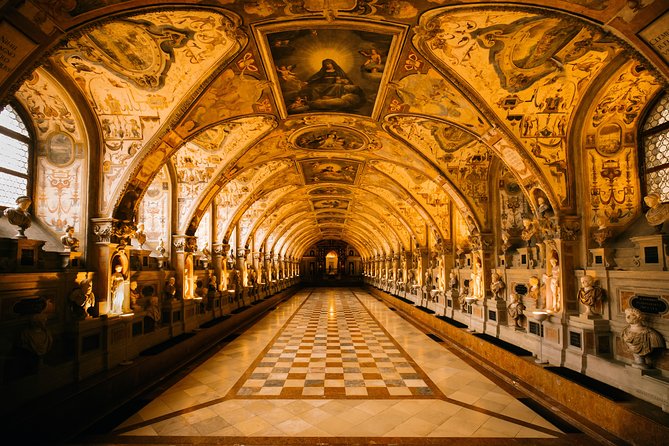
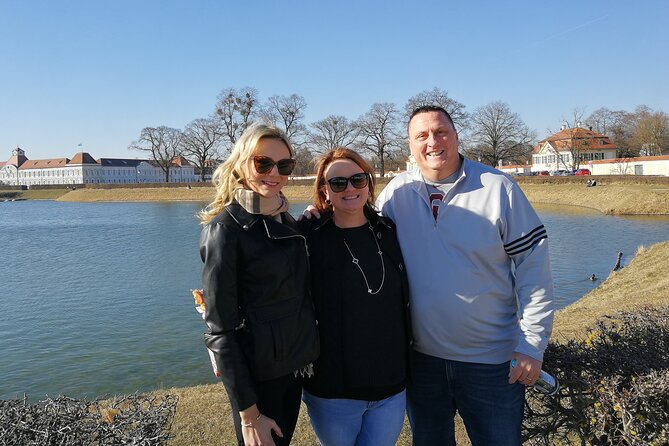
Then you head to Nymphenburg Palace, a major reminder of Bavaria’s royal legacy. Your guide brings the story alive through context—kings, dukes, court life, and the kind of influence that leaves physical footprints in architecture and planning.
At the palace, you’ll spend time on:
- The Baroque-style grandeur
- The feel of the gardens
- The sense of ornate courtyards
This stop is where the tour shifts from city-center history into the world of court politics and status. Even if you don’t go inside every building, the exterior structure and the grounds help you understand why Munich became a power center in the first place.
Watch-out
This part is visually impressive, but if you’re short on energy, tell your guide early. Private tours work best when you communicate your stamina and your preferred pace.
Stop 4: Munich Residenz and the Stories Behind Modern Germany
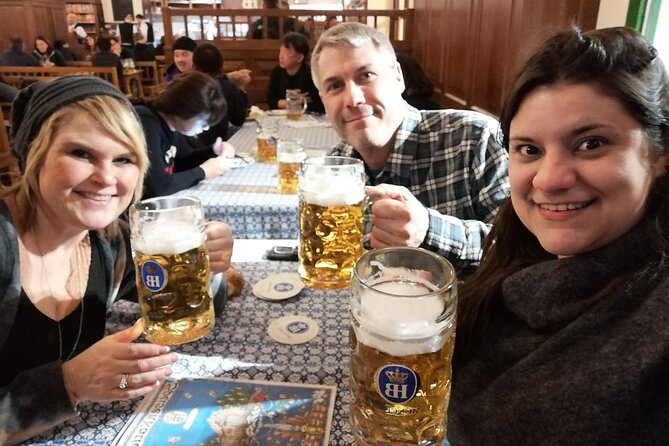
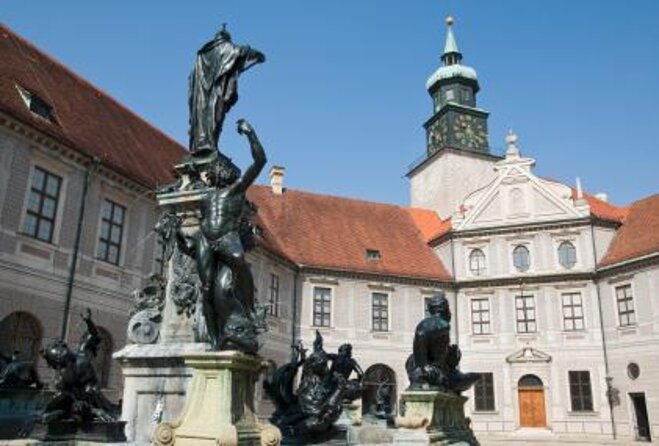
If your interests lean toward WWII and the forces that shaped Germany, this is the stop you’ll care about most. The tour highlights Munich Residenz as one of Europe’s impressive palace complexes, and your guide points out:
- Opulent rooms
- Hidden courtyards
- How the palace connects to Munich’s complex political history, including events tied to modern Germany
Even without a long formal museum session, this stop can give you an “aha” feeling—how ordinary city walls and ceremonial spaces can carry the weight of big political change.
A practical note
Admission tickets and entry are not included, so if you want to go inside specific areas, you’ll be thinking about extra cost and time. If your time is tight, you can ask your guide what’s most worth paying for.
Stop 5: St. Peter’s Church Interiors and City Views
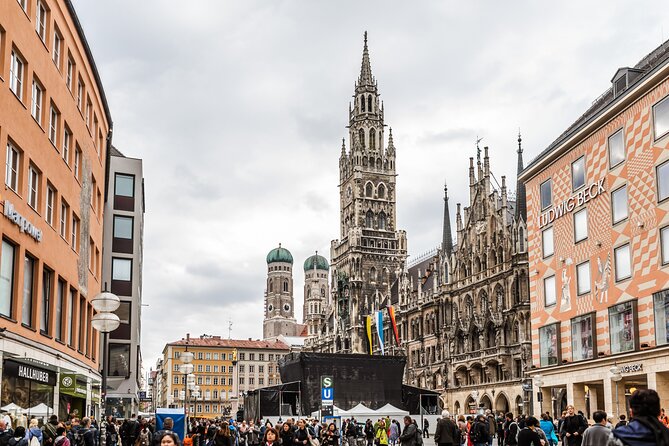
You finish at St. Peter’s Church, described as Munich’s oldest parish church. This closing stop is a smart choice because it shifts from palaces and civic power into spiritual roots and everyday identity.
What you’ll get:
- Stunning interior moments, with context rather than a checklist
- The church’s significance in Munich’s spiritual and cultural life
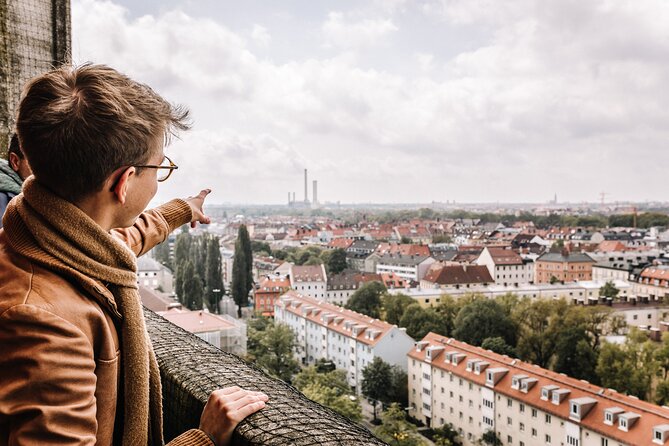
- Sweeping city views from the vantage the stop offers, depending on how the route unfolds
It’s a satisfying ending because you’re not just learning history—you’re using the viewpoint to interpret the city you just walked through.
Walking-First Logistics: What To Expect (and How to stay comfortable)
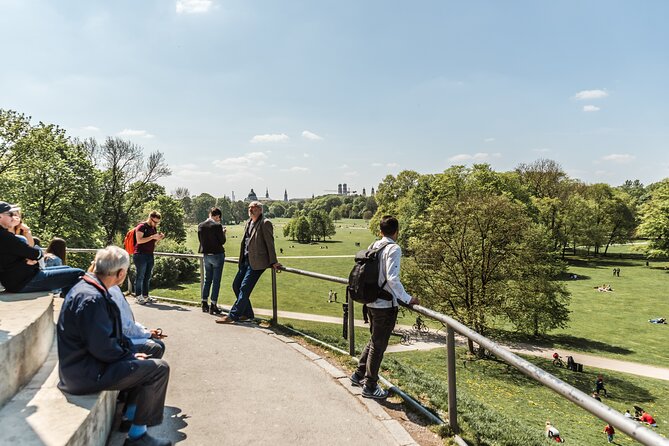
This is a private walking experience, and no private vehicle is included. Public transportation or taxis might be suggested for longer transfers, with exact costs settled on the day.
That means your comfort planning matters:
- Expect plenty of time outside, and plan on stopping for photos.
- Wear shoes that handle historic-city pavement.
- If you need breaks, say so. Many guides are able to keep you moving without turning it into a sprint.
A few reviews highlighted that some tours may feel like they cover a lot but could use tighter time management. That’s one reason I suggest you pick your must-sees at the start and communicate them before you lose momentum.
Guides Can Make or Break It: What the Best Ones Tend to Do
The best experiences tend to follow the same pattern: a guide who connects architecture to story, matches your pace, and uses local insight in a way that feels natural, not rehearsed.
You’ll see that style reflected in examples like:
- Paola, who tailored the tour around interests like churches and history and stayed patient with lots of photos.
- Michelle, who kept the pace comfortable and communicated clearly.
- Anna, who mixed Old Town backstory with additional stops locals would spot, plus a practical sense of value.
- Stefan and Franz, both praised for architecture/history focus and adapting when seniors needed slower movement.
- Camilla, who handled a thorough but well-paced walk and shared facts that weren’t the usual highlights.
So yes, the quality of the guide matters. This tour works best when you use the questionnaire actively and keep your communication open.
Price and Value: When $111.05 Makes Sense
Let’s be blunt about value. For a private tour, $111.05 per person is only worth it if you’ll use the personalization.
This is the tour to book if you:
- Want a guided orientation for a first (or fast) visit
- Like architecture and can appreciate the “why” behind it
- Have specific interests such as WWII history, church interiors, or royal Munich
- Prefer a flexible, smaller-group feel over fixed schedules
If you mostly want a “see everything in two hours” checklist, you can likely do it on your own for less. But if you want the city explained in a way you can steer, this is a fair price for what you get.
Is This Tour Right for You?
This private Munich history tour fits best if you’re:
- Traveling as a pair or small group and want one-to-one attention
- Comfortable walking and staying outside for a few hours
- Interested in major landmarks plus story context
- Looking for a local guide who can recommend what to notice next
It may be less ideal if you:
- Have limited mobility or you strongly prefer driving between sights (there’s no private vehicle included)
- Want all attraction tickets included in the price
- Expect a long sit-down museum tour rather than a walking overview
And one final bit of reality: the rare scheduling problem can happen with any provider. The best defense is simple—confirm meeting details right after booking, keep your contact info ready, and don’t wait until the last minute.
Should You Book This Munich History Tour?
Yes, book it if you want a private, adjustable introduction to Munich’s key historical landmarks with a guide who can shape the story around what you actually care about. It’s especially good for first-timers who want Marienplatz, Nymphenburg, the Residenz, and St. Peter’s without turning the day into a stressful checklist.
Hold off or plan carefully if you’re sensitive to extra costs for tickets/transport, or if your schedule is tight enough that a walking pace could stress you out. With the right expectations—and good communication—this can be one of the most efficient ways to understand Munich fast.
FAQ
How long is the Munich History Tour?
It lasts about 2 to 4 hours, depending on your chosen schedule and how your guide structures the route.
Is this tour private?
Yes. It’s a private tour/activity, so only your group participates.
Where does the tour start and end?
It starts at Fischbrunnen, Marienplatz 8, 80331 München, Germany. It ends back at the meeting point.
Can you meet me at my hotel?
Pickup is offered. Your host can meet you at your selected hotel, and the tour begins on foot. If your hotel isn’t on the list, you can select a central landmark meeting point option instead.
What’s included in the price?
The tour includes a private, personalized walking experience with insider tips, flexible durations/start times, a pre-tour questionnaire, and direct communication with your host for planning and local recommendations.
Are food and drinks included?
No. Food and drinks are not included.
Are attraction tickets included?
No. Tickets to any attractions are not included.
Is transportation included?
No private vehicle is included. Since it’s mainly walking, public transport or taxis may be used for longer distances, and any transportation costs can be discussed and settled on the day.