REVIEW · DAR ES SALAAM
Ancient Bagamoyo City Day Tour
Book on Viator →Operated by Enroute Africa · Bookable on Viator
Bagamoyo turns one coast into many stories. This 10-hour private day tour links Swahili beginnings to Arab and German colonial chapters, with stops paced for real learning. I especially liked the guide-led storytelling about what changed over time, and I liked that lunch can include excellent seafood while the day stays moving.
One thing to keep in mind: it’s a long day starting at 7:00am, so you’ll want good hydration habits and comfortable shoes.
In This Review
- Key highlights
- Bagamoyo’s Coastal Past in One Long Day
- Morning Pickup and How the 10 Hours Works
- Bagamoyo Museum: Slave Trade and the Port City Story
- Kaole Ruins: Arab-Era Coast, Technology, and Kiswahili Roots
- Old Boma on the Beach: Customs, Trade, and Colonial Strategy
- Old Bagamoyo Cathedral and David Livingstone’s Footsteps
- Crocodile and Reptile Sanctuary: Up Close (Yes, You Can Hold Them)
- Lunch, Snacks, Water, and Alcohol: What’s Actually Included
- Price and Value: Is $200 Fair for This Day?
- The Best Fit: Who This Tour Suits
- Booking With Enroute Africa: Guides and a Professional Tone
- Should You Book This Ancient Bagamoyo City Tour?
- FAQ
- FAQ
- What time does the Bagamoyo Ancient City Day Tour start?
- How long is the tour?
- Is pickup included?
- What’s included in the price?
- Is admission included for the museum and Kaole Ruins?
- Are the cathedral and reptile sanctuary admission fees covered?
- What items are not included?
- Is the tour private?
- Do I need good weather for the tour?
- Is there a minimum age for alcohol?
Key highlights
- Swahili roots at Kaole Ruins, with tech-and-culture clues from the coastal Arab era
- Bagamoyo Museum’s focus on slave trade history and the town’s role as an East African hub
- Old Boma at the beach, showing how trade and customs shaped the coast
- Old Bagamoyo Cathedral and David Livingstone sites, for a colonial-era viewpoint
- Crocodile and reptile sanctuary, with the option to hold animals for photos
- Lunch, snacks, bottled water, and alcoholic drinks included, with a simple 18+ drinking rule
Bagamoyo’s Coastal Past in One Long Day
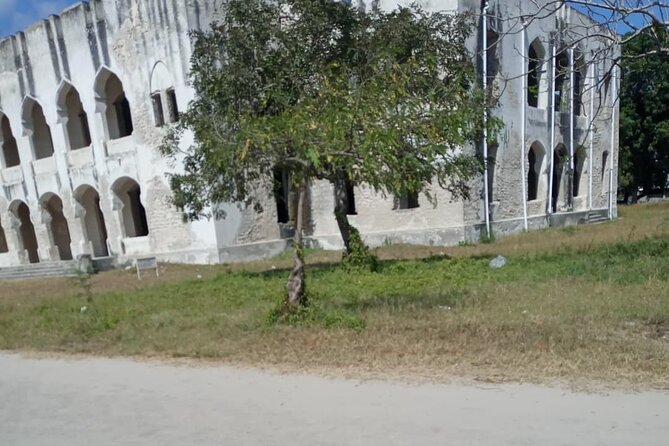
Bagamoyo is the kind of place where one street can feel like three centuries. The town sits on the coast of Dar es Salaam, but its story goes farther back through an older Swahili settlement at Kaole. Later, Bagamoyo became a major coastal port and, under the Germans, a capital for German East Africa.
On this tour, you’re not just looking at buildings. You’re following the logic of trade: how people moved goods, how power shifted between cultures, and how that history left physical traces you can still see.
You can also read our reviews of more tours and experiences in Dar es Salaam.
Morning Pickup and How the 10 Hours Works
The day begins at 7:00am with pickup offered, and it runs for about 10 hours. It’s private, so you’re traveling with only your group, not a big mixed crowd. You’ll also get a mobile ticket, and the tour is designed so that most travelers can participate.
Because it’s weather-dependent, plan for good conditions. If conditions turn bad, the operator can switch dates or refund—so you’re not stuck guessing.
Practical tip: since it’s a long stretch, start your day with water, wear shoes that handle uneven ground, and keep an eye on your energy level. This isn’t a short museum-and-coffee stop. It’s a “walk, learn, move on” format.
Bagamoyo Museum: Slave Trade and the Port City Story
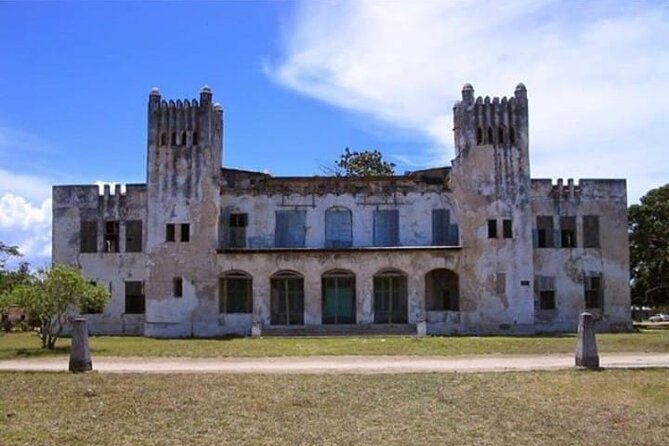
Bagamoyo Museum is where the day gets serious—in a useful, direct way. You’ll spend about one hour inside, and the admission is included. The museum covers some of the most difficult parts of the region’s past, including the town’s deep connection to the slave trade history as well as the larger story of Bagamoyo as a coastal capital.
If you care about how ordinary places become pivotal in global systems, this stop helps you frame everything else. Ruins and buildings make more sense when you understand the economic and human forces behind them.
In the way the tour is paced, the museum isn’t left as a quick glance. You get time to absorb what the city was used for, not just what survived.
Kaole Ruins: Arab-Era Coast, Technology, and Kiswahili Roots
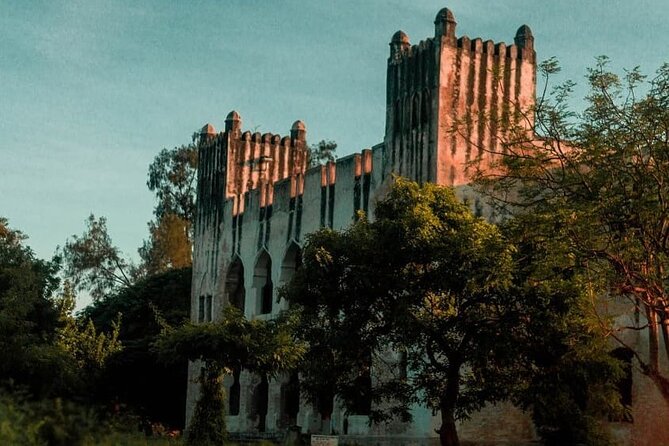
Kaole Ruins are the kind of stop you remember because they feel specific. You’ll spend about one hour here, and admission is included. This is where the tour connects the coast to Arab colonial rule and the earlier Swahili presence that shaped language and culture along the East African coast.
The ruins also get talked about in terms of advancement—technological and cultural progress—and how that helped drive the rise of other trading cities. You’ll also hear how this coastal mix links to the emergence and spread of Kiswahili, which makes the entire region feel less random and more connected.
Practical note: ruins are often uneven. Bring your best “I’m on a historical site” walking posture and take your time. One of the best ways to make this stop worth it is to look for the story in the physical details—how people built, worked, and lived along the coast.
Old Boma on the Beach: Customs, Trade, and Colonial Strategy
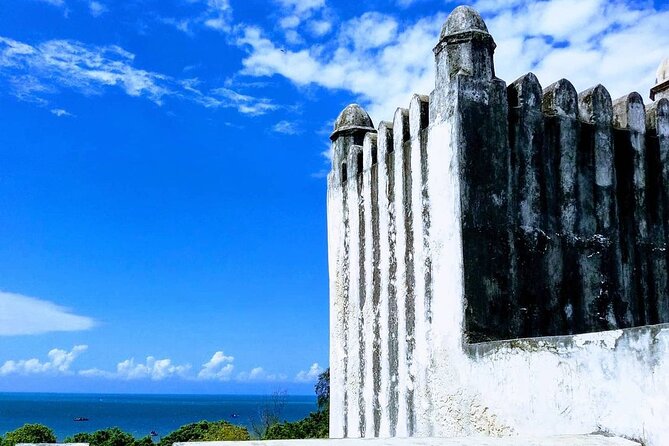
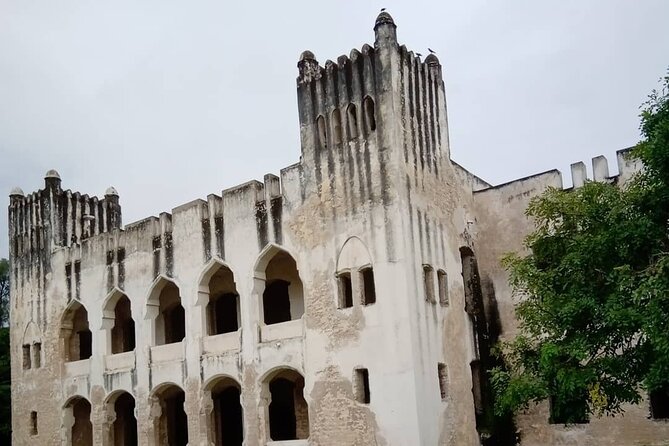
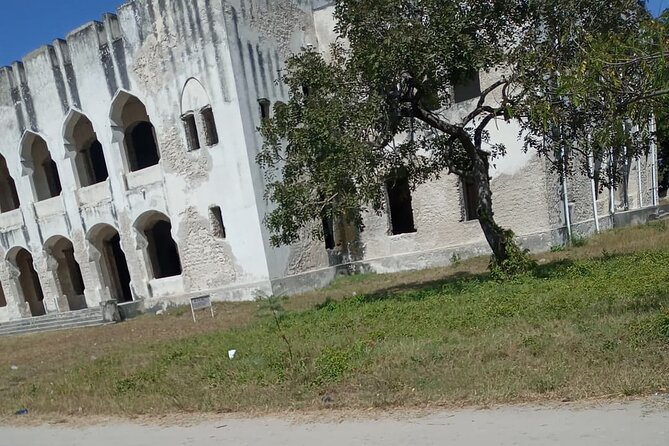
Old Boma is short on time but strong on meaning. You’ll get about 30 minutes here, with admission included. Located close to the heart of the city and by the beach, it focuses on the customs role of Bagamoyo—how the city participated in trade and why it mattered strategically during colonial times.
This stop is easy to underestimate if you think you’re only coming for “pretty sites.” But customs houses explain something big: ports run on paperwork as much as on ships. When you see a place like Old Boma, you start to understand why Bagamoyo’s location mattered to so many powers.
Because the time here is limited, it’s smart to pay attention to what your guide highlights. Ask simple questions if you can—where goods came from, how trade worked, and why customs mattered.
Old Bagamoyo Cathedral and David Livingstone’s Footsteps

After ruins and historical structures, you shift into a more personal, landmark-style stop. You’ll spend about one hour visiting the old Bagamoyo Cathedral and the areas connected to the explorer David Livingstone. Admission here is described as free, so you can focus on the experience rather than extra costs.
Cathedral visits can be quiet and reflective, but the tour frames it as a viewpoint into the colonial-era sweep of ideas and missions. Livingstone’s association gives you a familiar anchor name in a place that might feel unfamiliar at first.
If you like history that moves between places—coast to inland and one era to another—this stop helps stitch the day together.
Crocodile and Reptile Sanctuary: Up Close (Yes, You Can Hold Them)
This is the stop that changes the pace. You’ll have about 40 minutes at the crocodile and reptile sanctuary. Admission is free, but the time you spend here can feel longer because it’s hands-on.
The sanctuary experience includes the chance to hold crocodiles (if you want) for great pictures. Even if you’re not the photo type, standing close to these animals is a strong reminder that Bagamoyo isn’t just about old buildings. It’s a working coastal environment where local wildlife sits right in your face.
If you’re traveling with kids, keep in mind the tour notes a drinking minimum age of 18+ for alcoholic beverages. The sanctuary itself is animal-focused, but for family comfort, it’s still wise to check what your group members are comfortable handling in practice.
Lunch, Snacks, Water, and Alcohol: What’s Actually Included
Included in the price are lunch, snacks, bottled water, and alcoholic beverages. That’s a big part of why the tour can feel like more than just sightseeing. When a day tour handles meals and drinks, you avoid spending time and money on finding food between stops.
It’s also practical for energy. A tour that covers multiple historical sites works better when you aren’t hungry halfway through. One review highlighted the seafood as especially good, which lines up with why lunch is a big deal on this route.
One rule to remember: minimum age for drinking is 18 years and older. If you’re traveling with mixed-age groups, it helps to set expectations early.
Price and Value: Is $200 Fair for This Day?
At $200 per person, this isn’t a budget “hop on a bus and wander” kind of tour. You’re paying for a private, full-day schedule (around 10 hours), pickup offered, a guided approach at multiple sites, and included meals and drinks.
The value gets easier to see when you add up what’s included:
- Lunch + snacks + bottled water
- Alcoholic beverages (18+ rule applies)
- Museum and ruins admissions included
- A free cathedral stop and free sanctuary stop
If you were paying those pieces individually, the total typically climbs fast. The tour’s pricing makes more sense if you want a full story in one go and you don’t want the hassle of buying tickets and finding food at each stop.
Also, the average booking window is about 31 days in advance. If you’re planning around a tight travel schedule, booking early gives you a better chance at the date you want.
The Best Fit: Who This Tour Suits
This tour is ideal if you:
- like history that connects pre-colonial, Arab-era, and German colonial changes
- want a focused day that hits multiple Bagamoyo landmarks without DIY planning
- enjoy guided explanation rather than just reading signs
- like having meals solved for you, not shoehorned into gaps
It’s less ideal if you hate walking, dislike long days, or only want scenic stops with minimal context. Bagamoyo’s story includes difficult material, including slave trade history, and this tour doesn’t shy away from that framing.
Booking With Enroute Africa: Guides and a Professional Tone
The operator listed is Enroute Africa. Across feedback, the tone you’ll want to expect is friendly professionalism. People specifically mentioned guides such as Mr Erick and Emmanuel for being helpful and clear with explanations.
One comms point also comes up: Jacqueline and Miss Abby were described as welcoming and professional when advising or assisting with the tour. If you’re the type who likes to tailor the day to your interests—language, colonial history, or daily port life—having a guide who understands what you want makes a noticeable difference.
Should You Book This Ancient Bagamoyo City Tour?
Book it if you want a single day that makes Bagamoyo feel understandable: Swahili beginnings, Arab-era coastal influence at Kaole Ruins, customs and trade logic at Old Boma, cathedral and Livingstone connections, and an up-close reptile stop to break up the weight of the history.
Skip it or consider an alternative if you can’t handle a 10-hour schedule starting 7:00am, you’re not comfortable with the tour’s history framing around the slave trade, or you’re traveling with a group that’s very sensitive to animal handling even though holding crocodiles is optional.
FAQ
FAQ
What time does the Bagamoyo Ancient City Day Tour start?
The tour start time is 7:00am.
How long is the tour?
The duration is approximately 10 hours.
Is pickup included?
Yes, pickup is offered.
What’s included in the price?
The tour includes lunch, snacks, bottled water, and alcoholic beverages.
Is admission included for the museum and Kaole Ruins?
Yes. Bagamoyo Museum and Kaole Ruins include admission tickets.
Are the cathedral and reptile sanctuary admission fees covered?
Yes. The tour lists the old Bagamoyo Cathedral and the crocodile and reptile sanctuary as admission free.
What items are not included?
Tips & gratuities are not included.
Is the tour private?
Yes. It is a private tour/activity, so only your group participates.
Do I need good weather for the tour?
Yes, the experience requires good weather. If it’s canceled due to poor weather, you’ll be offered a different date or a full refund.
Is there a minimum age for alcohol?
Yes. The minimum drinking age is 18 years and older.
If you want, tell me your travel month and whether you care more about German colonial history, Swahili culture, or the port/slavery story—I can help you decide if this day fits your priorities.