REVIEW · DAR ES SALAAM
Bagamoyo Historical Tour – Everyday
Book on GetYourGuide →Operated by Dove Adventure Tanzania · Bookable on GetYourGuide
Bagamoyo can feel like stepping into a real-world timeline. This 8-hour tour takes you 65 kilometers north of Dar es Salaam to a former German East Africa hub and one of the east coast’s most important trading ports. I love how the day connects trade, slavery, and early Christian history in one practical route, and I also like the mix of archaeology and monuments with coast-town downtime you can actually enjoy.
Two things really work for me. First, Kaole Ruins is not just a pretty stop: you’ll see around 30 tombs and learn how Kaole fell into decline after the Portuguese arrived in the 15th century. Second, Bagamoyo’s faith landmarks are specific and well placed, including the Catholic Museum and Dr. Livingstone’s former resting place, plus the First Cross erected in 1867 by French missionaries.
One drawback to keep in mind: while the tour is listed with an English-speaking guide, the English level can be uneven, so if you’re picky about clear narration, it’s worth going in with patience and a history-minded attitude.
In This Review
- Key things to know before you go
- From Dar es Salaam to Bagamoyo: what this day trip really buys you
- Kaole Ruins: tombs, an old mosque, and the Portuguese turning the lights off
- The Bagamoyo slave-and-ivory trade sites: history you can’t unsee
- Old Boma and German WWI graves: colonial power in brick and stone
- Catholic Museum and Dr. Livingstone: tracing early Christianity on the coast
- The on-the-road experience: why the guide’s job matters on a history day
- Beaches and downtime: how to enjoy Bagamoyo after the monuments
- What’s included (and what you’ll need to plan yourself)
- Price and value: does $187 make sense for this itinerary?
- Who should book this Bagamoyo historical day trip?
- Should you book? My straight take
Key things to know before you go
- A full 8 hours with coast-to-coast history: trading port stories plus German colonial remnants and early Christianity.
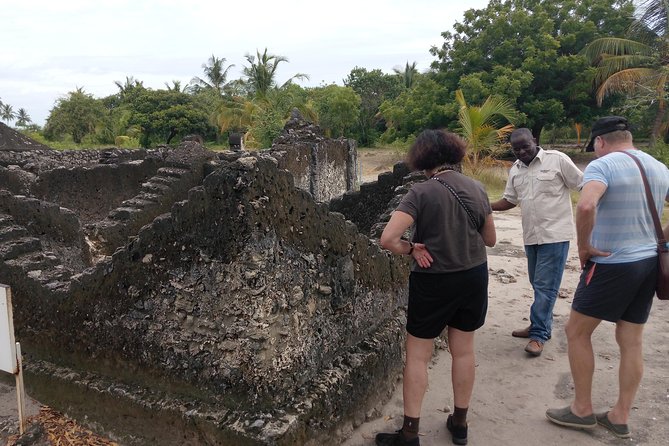
- Kaole Ruins (5 km south of Bagamoyo): about 30 tombs and the oldest mosque in East Africa.
- Hard topics, handled on-site: you’ll visit the prison used during the slave and ivory trade.
- Livingstone + the First Cross: Dr. Livingstone’s Catholic Museum connection and a milestone from 1867.
- A solid driver + guide setup: pickup from your hotel lobby and a named, English-speaking guide approach.
From Dar es Salaam to Bagamoyo: what this day trip really buys you
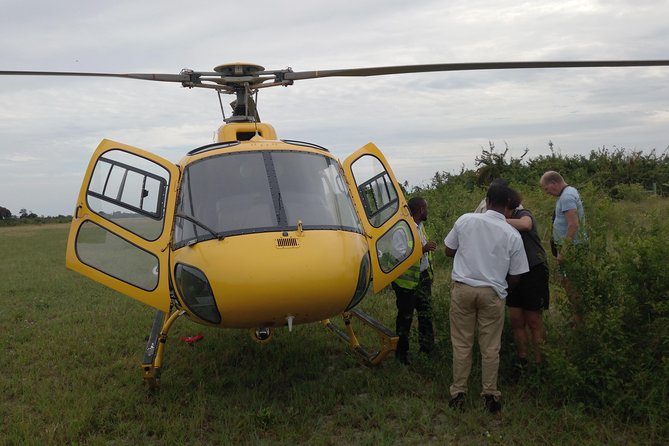
This is one of those tours that’s more than a checklist. You’re not just traveling to a place and taking photos. You’re moving along a stretch of Tanzania that shaped trade across the Indian Ocean—especially during the era when Zanzibar mattered and Europeans were expanding influence along the coast.
You’ll start with air-conditioned transport from your hotel lobby. A driver waits for you with a sign showing your name, which makes the start less chaotic than many group tours. The ride itself can be part of the experience: as you leave the Dar es Salaam vibe behind, you get a clearer sense that Bagamoyo is a coastal town where daily life slows down a bit.
And at $187 per person for an 8-hour format, the value comes from what’s bundled: guided access to multiple named heritage sites, plus water and soft drinks. It’s not a budget half-day. But if you want a focused day that covers Bagamoyo’s key sites in one go, it’s a decent way to avoid bouncing around on your own with limited context.
You can also read our reviews of more historical tours in Dar Es Salaam
Kaole Ruins: tombs, an old mosque, and the Portuguese turning the lights off
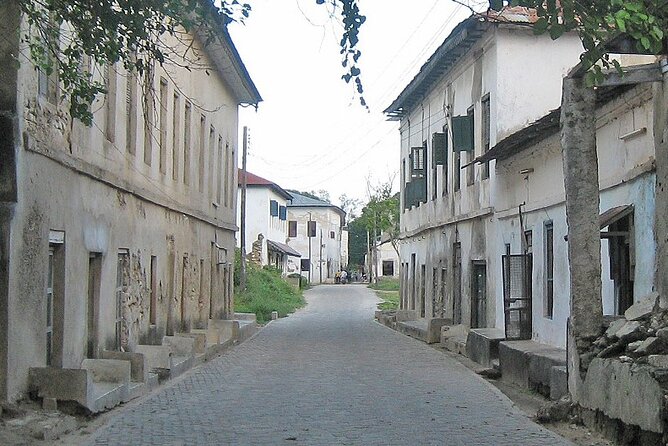
The day’s archaeology moment is Kaole Ruins, about 5 kilometers south of Bagamoyo. This is where the coast’s older layers come into view. The story you’ll hear is tied to Kaole, an Arab town that lost momentum after the Portuguese arrived in the 15th century.
What makes Kaole special is that it’s specific. You’re looking at ruins made up of around 30 tombs, and you’ll also learn about the site’s connection to the oldest mosque in East Africa. It’s the kind of stop where, once you understand what you’re seeing, the stones feel less random and more intentional.
Practical consideration: ruins are inherently exposed. You’ll be walking around heritage structures and tomb areas as a guided group. So wear comfortable shoes and plan to take it slow. Also, this tour is history-forward, not a leisure stroll.
The Bagamoyo slave-and-ivory trade sites: history you can’t unsee
Bagamoyo’s role in the slave and ivory trade is a hard chapter. The tour doesn’t dodge that. You’ll see reminders of the past, including the prison where enslaved people were held captive during the slave and ivory trade.
The word Bagamoyo itself matters here. You’ll hear that Bwagamoyo means Here I throw down my heart, reflecting the despair of those who would never return to Africa. It’s one of those phrases that lands emotionally because it’s not abstract.
What I like about having this on a guided itinerary is that you’re not just reading about suffering later. You’re standing near the physical traces of the system. That’s important—especially if you’re trying to understand the scale of the trade rather than treating it as distant tragedy.
One more note for your own comfort: this is not a gentle, feel-good history stop. If you’re traveling with anyone who struggles with difficult topics, decide ahead of time whether they’ll stay for the prison segment.
Old Boma and German WWI graves: colonial power in brick and stone
Next comes the colonial era reminders at the Old Boma, a statehouse constructed by the Germans in 1897. After the First World War, it was taken over by the British. That shift alone tells you a lot about how control of the coast changed hands.
Inside that broader colonial story, the stop also includes the tombs of German leaders who perished during the First World War. Seeing the administrative buildings next to the resting places helps connect two sides of power: the paperwork-and-plans side and the human cost side.
This is also a good moment to think about why Bagamoyo gets grouped with major historical trading ports. Even when European governments were far away, their authority and conflicts still showed up on the ground here.
Catholic Museum and Dr. Livingstone: tracing early Christianity on the coast
Bagamoyo’s religious history is not vague. The tour includes the Catholic Museum and the former resting place of Dr. Livingstone. Livingstone is often mentioned in general Africa travel stories, but here you’ll connect that name to a specific location tied to the spread of Christian mission work along coastal routes.
You’ll also see the First Cross erected in 1867 by French missionaries. That date makes the stop feel grounded in a timeline, not just a collection of places.
What I like about including this segment is that it balances the harder trading history. After you’ve seen the prison and colonial structures, the focus shifts to how missionaries and European religious networks left markers along the coast. It doesn’t erase the past. It adds a different lens.

The on-the-road experience: why the guide’s job matters on a history day
This tour lives or dies by storytelling. One of the best parts of the experience for me is how the guidance shapes what you see. I learned a lot about the port’s topography, geography, and how different groups operated through the area.
In particular, I heard how guide narration can cover everything from immigration and education to art and landscape—meaning you’re not stuck only with dates. A standout name that’s been connected with this tour is Michael, who handled the drive safely and kept the trip engaging along the way.
If you end up meeting Sedic as well, that can add another layer to how quickly the history starts making sense. The more someone can connect why these sites exist where they exist, the faster Bagamoyo clicks into place.
My practical takeaway: if you care about history more than photos, choose this kind of day trip and then let the guide do the heavy lifting.
Beaches and downtime: how to enjoy Bagamoyo after the monuments
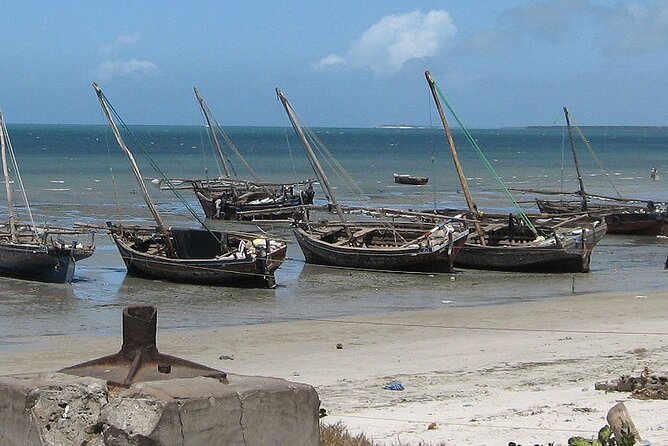
The itinerary ends with warm hospitality and Bagamoyo’s beaches making it a natural follow-up from Dar es Salaam. Even if you don’t spend the entire day lying down, having that coast-town finish changes the tone.
This matters because the earlier sites are emotionally heavy. A coastal reset is real. It gives you time to process what you learned without the day ending abruptly in a hotel room.
A small timing note: the tour is 8 hours total, so you may not get a long beach session as part of the formal program. But Bagamoyo’s location—right on the coast, opposite Zanzibar—makes it a place where you can keep the story going after the guided portion ends.
What’s included (and what you’ll need to plan yourself)
The tour includes:
- Air-conditioned transportation
- An English-speaking guide
- Water and soft drinks
Meals are not included, and alcohol is not included.
So if you’re doing this as a full day, plan for food before you go or budget for it when you’re back out. Also, since the stops are spread across a historical route, you’ll want to stay hydrated even though water is provided.
Wheelchair accessible is listed for the tour, and pickup is included from your hotel lobby. For most people, that reduces friction—you spend less time negotiating entry or finding meeting points.
Price and value: does $187 make sense for this itinerary?
At $187 per person, you’re paying for an 8-hour guided history route with specific, named stops (Kaole Ruins, prison, Old Boma, Catholic Museum with Livingstone’s connection, and the First Cross). That’s not a small amount of coverage.
You’re also getting the practical stuff that can cost time if you do it independently: air-conditioned transport, pickup coordination, an English-speaking guide, and water/soft drinks. If you try to replicate that on your own, you’ll often end up spending money on transport anyway—and you may still miss the context that makes the sites click.
The main thing that affects value for you is your interest level. If you want archaeology, colonial heritage, and mission-era history in one day, the price starts to look fair. If you mostly want relaxation, you might feel this is too structured.
Who should book this Bagamoyo historical day trip?
I think this tour fits best if you:
- Want a guided, context-heavy day rather than free roaming
- Enjoy connections between trade history, colonial-era power, and early Christianity
- Like geography and place-based history as much as landmarks
- Don’t mind that the slave trade portion is part of the real story here
It’s also a good fit if you’re staying in Dar es Salaam and want a day trip that’s still coherent—because the route is built around key sites rather than random stops.
If you’re traveling with someone who finds dark history overwhelming, talk it through first and decide whether they’ll join the prison segment.
Should you book? My straight take
Book it if you want a full day in Bagamoyo that actually explains what you’re looking at—Kaole Ruins with the tombs and the old mosque, the prison tied to the slave and ivory trade, the Old Boma German 1897 statehouse story, and the Catholic Museum and First Cross timeline. With Michael’s kind of guiding style and a setup that includes pickup plus transport, this can be the kind of tour where the places feel connected instead of scattered.
Skip it or at least adjust expectations if your top priority is beach time or if you’re very sensitive to clear narration quality—since English levels can vary, you’ll want to go in ready to ask questions and focus on the visuals and context the guide provides.