REVIEW · DAR ES SALAAM
Bagamoyo Historical Tour – Everyday
Book on Viator →Operated by Dove Adventure Tanzania · Bookable on Viator
Bagamoyo is history you can walk through. I love the way this tour ties German East Africa to real places, and you’ll appreciate the admission tickets included as you move from the Old Arab Fort to the Holy Ghost Mission Museum. One consideration: the slavery-era stories and museum exhibits can feel heavy, so give yourself a little mental space and don’t rush through the hardest parts.
What makes the day work is the human side of the guiding. On this kind of route, Derrick typically handles the drive and keeps things smooth, while Sadiq brings the timeline to life with clear, thorough explanations, so the ruins don’t stay silent. If you like history you can understand, this is a strong fit.
In This Review
- Key things I’d bank on before you go
- Bagamoyo is the kind of day trip you’ll remember for years
- Timing, pickup, and how the day flows from start to finish
- Old Arab Fort of Bagamoyo: where the harbor story starts
- Old Boma: a short stop that explains why Bagamoyo lost ground
- Kaole Ruins: Arab settlement remains by the sea
- Bagamoyo Museum and Holy Ghost Mission: David Livingstone’s footprint
- Mangroves and beaches: how the coast fits into the historical story
- Price and value: what you actually get for $199
- Who should book this tour, and who might want a different plan
- Should you book the Bagamoyo Historical Tour Everyday?
- FAQ
- How long is the Bagamoyo Historical Tour?
- What’s included in the price?
- Is lunch included?
- What time does the tour start?
- Does the tour offer pickup?
- Is this tour private?
- What happens if the weather is poor?
Key things I’d bank on before you go
- Old Fort to harbor story: You’ll follow the pathway from a prison site toward the dhows and departure point.
- German-built Old Boma: Short stop, strong payoff, with context on why the capital shifted to Mzizima (Dar es Salaam).
- Kaole Ruins by the Indian Ocean: Two mosques and around 30 tombs, plus remains tied to Arab settlement and trade.
- Holy Ghost Mission Museum connections: David Livingstone’s link shows up in the Livingstone Tower naming.
- Tickets included at multiple stops: Fewer surprises when you’re standing at entry gates.
- Private pace (with a cap on the activity): Plan around an 8-hour day that’s built to move steadily but not stampede you.
Bagamoyo is the kind of day trip you’ll remember for years
If you’re basing yourself in Dar es Salaam, Bagamoyo is one of those places where a day trip turns into a real education. This isn’t just “see a fort, take a photo, move on.” It connects port trade, shifting powers, and the lives of people who passed through here—often under brutal circumstances.
The tour is framed around multiple eras, from early Arab settlement patterns down through German colonial times and missionary history. The result is a day that feels chronological, even when the facts cover painful ground.
You’ll also get the sense that Bagamoyo isn’t stuck in the past. The sites sit along the town’s edges near the coast, and the tour description points you toward the area’s mangrove forest and beaches, which helps break up the heavier museum moments.
You can also read our reviews of more historical tours in Dar es Salaam
Timing, pickup, and how the day flows from start to finish
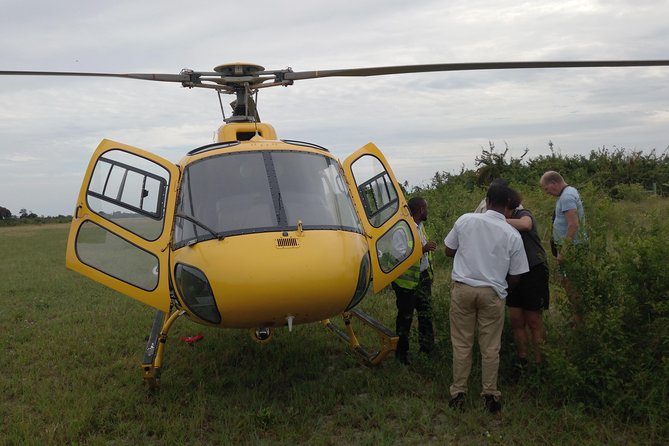
The tour starts at 8:00am and runs about 8 hours. That early start matters in Tanzania’s coastal climate—heat and brightness build quickly, and you’ll feel the difference once you’re out walking.
It’s a private tour, and that usually means your guide can set the pace, stop when you want photos or a closer look, and adjust if the light isn’t great. Still, the activity has a maximum group size listed (up to 100), so if you’re the type who hates any chance of overlap, ask your operator how your day is handled in practice.
Transport is handled in an air-conditioned vehicle, which is a big practical win on a coast day. You’ll also get a mobile ticket, which saves time at stops that use admissions or scanning.
One more practical note: this experience requires good weather. If conditions are poor, you may be offered another date or a full refund, which is reassuring when you’re planning just a single day.
Old Arab Fort of Bagamoyo: where the harbor story starts
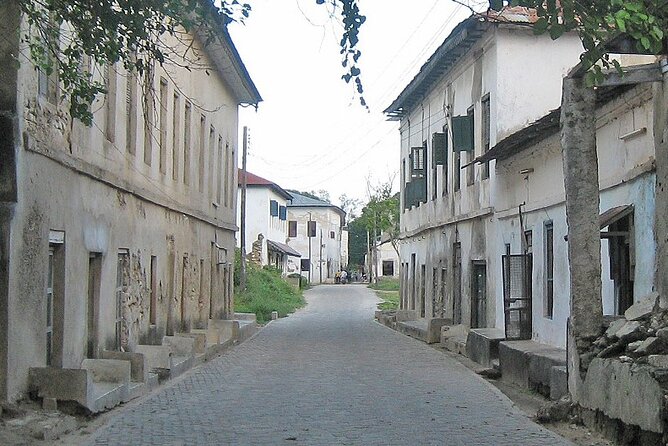
Your first major stop is the Old Arab Fort of Bagamoyo, a site tied to the grim logistics of the slave trade. The core story here is a prison where enslaved people were kept before being herded through underground tunnels to waiting dhows at the harbor.
This stop is powerful because it doesn’t talk in abstract terms. Even when you don’t see every piece of infrastructure up close, the layout and explanations guide you toward how people were processed and moved. It’s history you can trace with your feet.
Expect about 1 hour at this location, with an admission ticket included. If you’re sensitive to difficult historical material, plan to take breaks during the explanations rather than trying to power through.
A small tip: keep your expectations realistic. You won’t leave with a light, feel-good story from this first stop. You’ll leave with context, and that context will make the rest of the day hit harder—in a useful way.
Old Boma: a short stop that explains why Bagamoyo lost ground
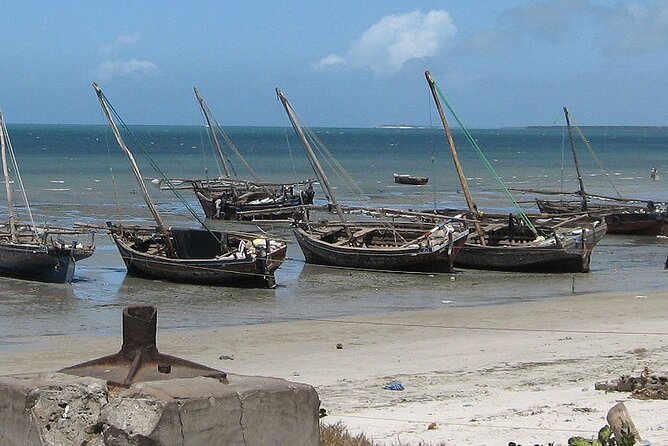
Next comes the Old Boma, one of the historical buildings used as an old state house. The building was constructed by the Germans in the late 19th century as a residence for local leaders.
What makes this stop worth your time isn’t just the walls—it’s the reason it didn’t last. The German capital shifted to Mzizima (now known as Dar es Salaam) because the Bagamoyo port had shallow water depth, making operations more difficult. That’s the kind of detail that turns a “historical building” into a living lesson about geography and power.
You’ll spend about 30 minutes here, and admission is included. Because it’s relatively brief, come ready to listen. The guide’s job is to connect the short time at the site to the bigger political change.
One consideration: if you’re the type who needs long time at every photo spot, this may feel quick. But quick here is also efficient—this is one of those stops that builds the day’s framework.
Kaole Ruins: Arab settlement remains by the sea
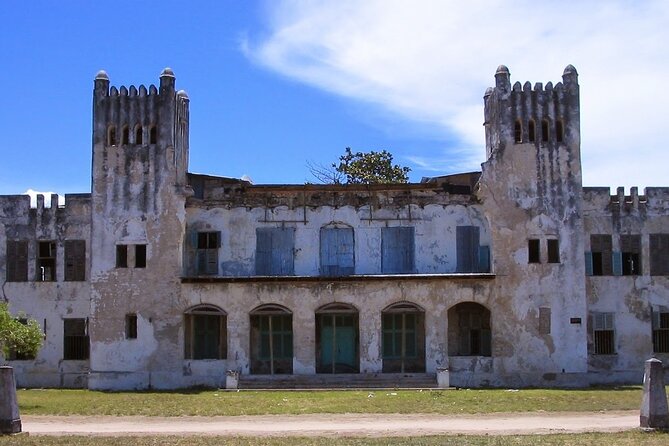
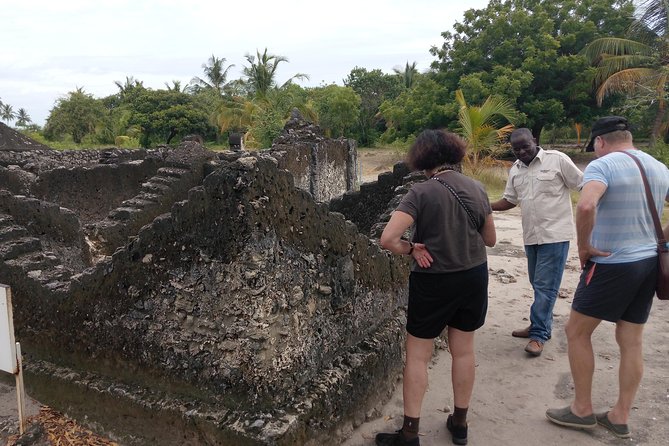
Then you head to Kaole Ruins, a place that mixes archaeological remains with the story of early Arab settlement. The site includes the remains of the first Arab foreigners’ settlement in Bagamoyo, and it’s also described as an active archaeological area where structures have been excavated.
The time period matters. Kaole was originally settled as a trading town as early as the 8th century, and the stone ruins you can see date to roughly between the 13th and 16th centuries. That’s a wide span, so your guide’s explanations help you understand what you’re seeing in context.
What you can look for here includes:
- Two mosques
- Around 30 tombs
- Evidence of houses, water wells, and graves of foreigners connected to the settlement
You’ll have about 1 hour at Kaole, and admission is included. The coastal setting also helps. Even with the history lessons, the environment keeps the visit grounded, since the site sits on the shores of the Indian Ocean.
Potential drawback: this is a small town and archaeological area, so if you expected a huge complex like a major world heritage site, it may feel more intimate and quiet. For many people, that’s the point. For others, it might not be enough alone.

Bagamoyo Museum and Holy Ghost Mission: David Livingstone’s footprint
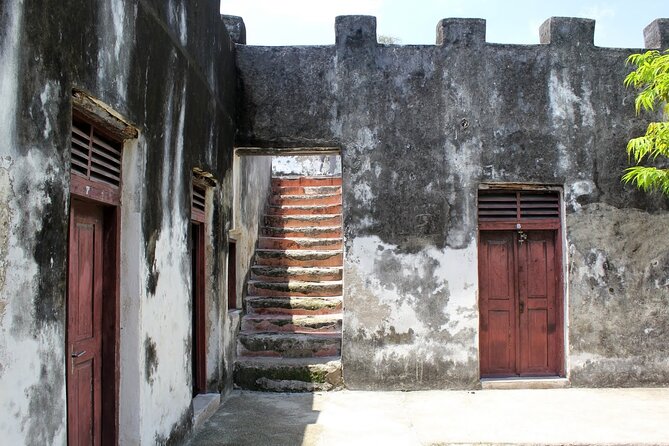
The day’s most emotionally complex stop is usually the Bagamoyo Museum, tied to the Holy Ghost Mission. The original Holy Ghost Church was built in 1872 and is reportedly the oldest church on the mainland of East Africa. The Sisters’ House, built in 1876, became part of the Roman Catholic Mission Museum.
One of the most specific historical connections here is David Livingstone. In 1874, he was interred for a night at the Holy Ghost Mission, and the Livingstone Tower is named in his honor.
The museum content also doesn’t shy away from the past. Exhibits include photographs of enslaved people tied together with chains to their necks, plus material about missionary work and conversion to Christianity, along with books and booklets connected to that era. You’re not getting a sanitized version of history here.
You’ll typically spend about 1 hour. This is a good moment to slow your pace and decide what you can emotionally handle. If you’re traveling with others, you can ask your guide to point out the Livingstone connection first, then you can choose how you want to approach the heavier slavery images afterward.
If you take anything from this stop, take it as a reminder that ports weren’t just about trade—they were about human choices, policies, and suffering shaped by global demand. That theme echoes backward and forward through the other sites on the route.
Mangroves and beaches: how the coast fits into the historical story
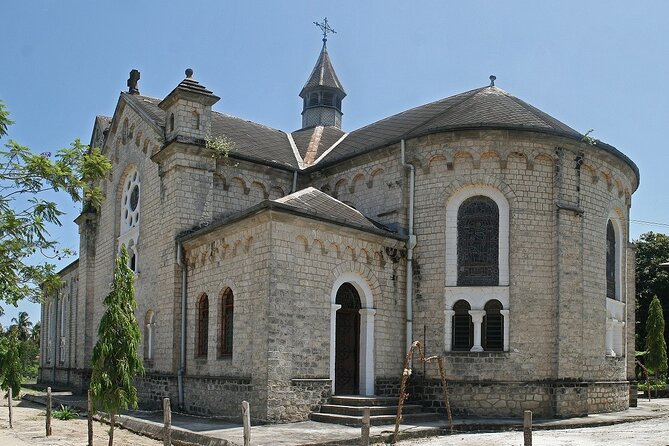
The tour description promises a look at Bagamoyo’s surrounding mangrove forest and beaches, even though the itinerary focuses on named historical stops. In real terms, you’ll likely see coastal scenery as you travel between sites or during brief pauses where the guide brings the landscape into the talk.
This part is valuable because it reminds you that history happened in a place with currents, harbors, and access problems. That’s not an academic detail when you learn that the German move to Mzizima related to shallow water at Bagamoyo.
If you care about photos, this is also where you can reset after the museum. Being out near the coast can make the day feel less like a lecture and more like a place you’re moving through.
Weather matters here. When the sky is clear, you’ll get nicer light and better visibility. When conditions are poor, it may feel slower or less scenic, and that’s part of why the operator flags good weather.
Price and value: what you actually get for $199
At $199 per person, this tour sits in the “serious day trip” category from Dar es Salaam. The value comes from how the day is packed without making you chase logistics.
Here’s what you’re paying for that’s clearly included:
- Private tour format with a driver/guide
- Air-conditioned vehicle
- All fees and taxes
- Admission tickets included at each of the listed stops
That last point matters. You’re visiting multiple sites—Old Fort, Old Boma, Kaole Ruins, and the Holy Ghost Museum—and each has admission included in the tour structure. Even if you weren’t tracking costs carefully, the inclusions reduce friction when you arrive at gates.
What’s not included: lunch. Your guide can stop so you can eat, but you’ll need to budget for it.
My advice for judging value: if your travel style includes guided context (not just walking around on your own), this price starts to make sense fast. If you’d rather spend your day roaming freely and reading on your own time, you might feel the guide’s value matters less—especially since some sites are smaller and more quiet.
Who should book this tour, and who might want a different plan
This is a great fit if you want:
- A guided day that connects ports, empire, and missionary history
- Clear storytelling that helps you understand what you’re looking at
- A structured 8-hour plan with multiple confirmed stops
It’s also a strong choice if you like archaeology and historical places that aren’t just big monuments. Kaole Ruins is the kind of stop where thoughtful guiding makes a big difference.
If you’re traveling with someone who needs a lighter day, you’ll want to talk it through first. The fort and museum covers slavery-era suffering. That doesn’t mean the tour is “bad.” It means you should plan your emotional bandwidth.
The day moves at a steady pace. You can go at your own pace because it’s private, but you’re still hitting four major sites plus driving time. If you’re prone to fatigue in the heat, start hydrated and consider adding light snacks so lunch doesn’t become stressful.
Should you book the Bagamoyo Historical Tour Everyday?
I’d book it if you want a meaningful Dar es Salaam day trip where you’ll actually understand the places, not just see them. The combination of Old Arab Fort, Old Boma, Kaole Ruins, and the Holy Ghost Mission Museum gives you multiple angles on Bagamoyo—trade, colonization, and religion—without turning the day into a rushed checklist.
I’d hesitate if you dislike heavy historical topics or if you’re hoping for a purely scenic coast break. The coast is part of it, but the core of the day is historical interpretation, including slavery-era stories.
If you book, do two simple things: wear comfortable shoes for the walking and make peace with the fact that some exhibits will be tough. With a guide like Sadiq helping translate context and Derrick keeping the day moving safely, you’ll get a clearer, more human picture of Bagamoyo—one you can carry back to Dar es Salaam with you.
FAQ
How long is the Bagamoyo Historical Tour?
The tour lasts about 8 hours.
What’s included in the price?
The price includes an air-conditioned vehicle and all fees and taxes. Admission tickets are included for the stops listed in the itinerary.
Is lunch included?
No. Lunch is not included, but you can stop for lunch during the tour.
What time does the tour start?
The tour starts at 8:00am.
Does the tour offer pickup?
Pickup is offered.
Is this tour private?
Yes, it’s described as a private tour, and it allows you to go at your own pace.
What happens if the weather is poor?
The experience requires good weather. If it’s canceled due to poor weather, you’ll be offered a different date or a full refund.