REVIEW · OSAKA
Ancient Capital Tour: Kyoto and Nara Highlights from Kyoto/Osaka
Book on Viator →Operated by LIMON Tours · Bookable on Viator
Bamboo, gold, and deer in one long day. This full-day combo trip strings together Arashiyama and Kinkaku-ji with an English-speaking guide and an air-conditioned bus, so you get the big hits without wrestling transit. I like that entry to Kinkaku-ji and Todai-ji is included on most options, which removes a lot of decision-making. The main drawback is the pace: it’s a highlight tour with plenty of walking, so it can feel a bit rushed if you prefer slow, deep time in each place.
You’ll start in central Kyoto or Osaka (two different meeting points), ride comfortably with free Wi-Fi, and then spend real time in two Kyoto icons and one Nara must-see. The payoff is huge: bamboo scenery, a gold-leaf temple that matches the mirror pond look, and Nara Park deer that come up close when you have shika-senbei. The only real caution I’d flag is that lunch options and ticket inclusions depend on which booking you choose, so check your exact option before you go.
In This Review
- Key Things I’d Focus On
- Kyoto and Nara in One Day: What the 9-Hour Rhythm Actually Means
- Pick Your Meeting Point: Namba vs Kyoto Station Starts at Different Times
- Arashiyama First Stop: Bamboo Walks, Tenryuji Edges, and Togetsukyo
- Kinkaku-ji Golden Pavilion: How to Make the Most of a 45-Minute Visit
- Nara Park and Todai-ji: Deer Close-Up, Senbei Snacks, and the Great Buddha
- Lunch Options and Ticket Coverage: The Stuff That Can Surprise You
- Guide and Group Size: Why Yuki, Haru, Maria, and Riku Get Mentioned
- Getting Around Without Stress: AC Bus, Free Wi-Fi, and Clear Timing Windows
- What to Pack and How to Avoid the Rushed Feeling
- Is This Tour Worth $90.75 for a Full Day?
- Should You Book the Ancient Capital Tour?
- FAQ
- Where are the meeting points and what time does the tour start?
- What’s included in the tour price?
- Is lunch provided?
- Are temple entry tickets always included?
- How long is the tour and what stops are included?
- What is the cancellation policy?
Key Things I’d Focus On

- Arashiyama first: bamboo forest walking plus the Katsura River area and Togetsukyo
- Kinkaku-ji timing: a short, efficient visit with the pond reflection photo moment
- Nara deer experience: feeding senbei and watching the deer bow behavior
- Todai-ji Great Buddha stop: one of the giant Buddha statues of Japan, on the same day
- Guide-led logistics: English guide, AC coach, and free Wi-Fi to keep you moving
Kyoto and Nara in One Day: What the 9-Hour Rhythm Actually Means
This is built for people who want maximum impact with minimal hassle. You’re out for about 9 hours, and the day is structured around three main stops: Arashiyama, Kinkaku-ji, then Nara Park and Todai-ji. The schedule works best if you treat it like a fast tour of the greatest hits rather than a chance to linger.
Why this rhythm is worth it: Kyoto highlights can be hard to string together on your own if you’re short on time. Here, the bus handles the between-city movement, and the guide helps you time photos and keep the day on track. Several guides—like Yuki and Haru—were praised for staying on schedule and helping with post-tour plans, which usually means fewer surprises and smoother transitions.
The trade-off is simple: short stop times. Even at the best parts—bamboo and the Golden Pavilion—you’re there to see, not to study. If you know you want long history talks or quiet museum-style pacing, you may feel the pressure. For many first-timers, though, that pressure is offset by not having to plan transport at all.
Pick Your Meeting Point: Namba vs Kyoto Station Starts at Different Times
You have to choose the right departure point when booking, because Kyoto-to-Osaka tours don’t run from the same start location each day. Your two options are:
- Osaka (Namba OCAT 1F near Daiso): meeting at 8:50 AM
- Kyoto (Kyoto Station Hachijo Exit, tourist bus parking): meeting at 9:05 AM
Check in 10 minutes before the booked start time. The bus leaves on schedule, and late arrivals are non-refundable, so build in a buffer if you’re coming from another train line or walking from your hotel.
One practical tip that came up in real-life feedback: meeting points can be confusing when buildings and storefronts look similar. People mentioned needing clearer directions about exactly which side to stand on near the Avanti building area, and that guides are in yellow. That means: when you arrive, look for the guide color first, then confirm your group.
Arashiyama First Stop: Bamboo Walks, Tenryuji Edges, and Togetsukyo
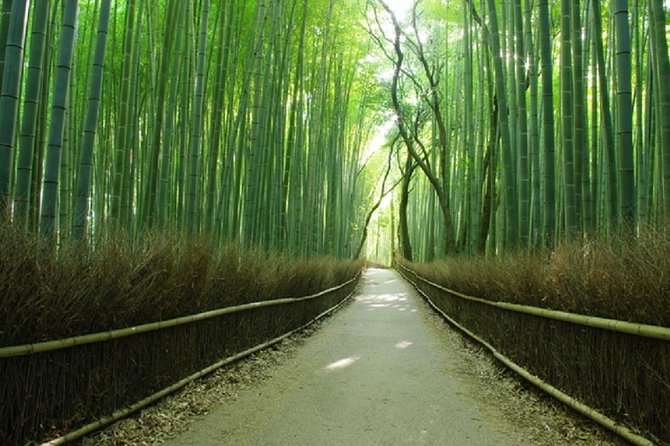
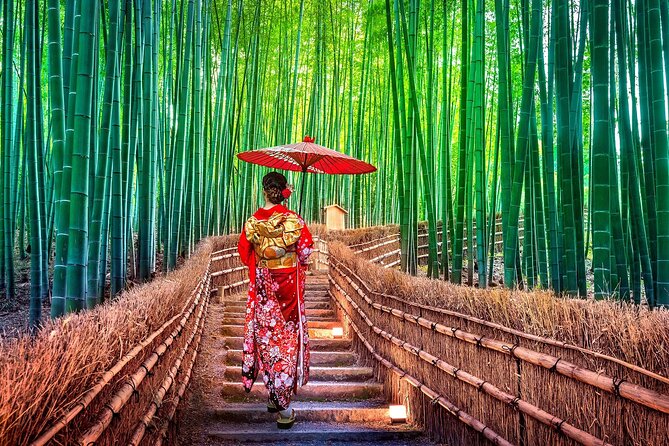
Arashiyama is where the day starts feeling distinctly Kyoto. You’ll begin with time in the Arashiyama area, with a big moment for nature walking: the Sagano Bamboo Forest experience. The walk is along the edge of the Tenryuji temple area, and you’ll be moving through a corridor of bamboo leaves rather than just looking from a distance.
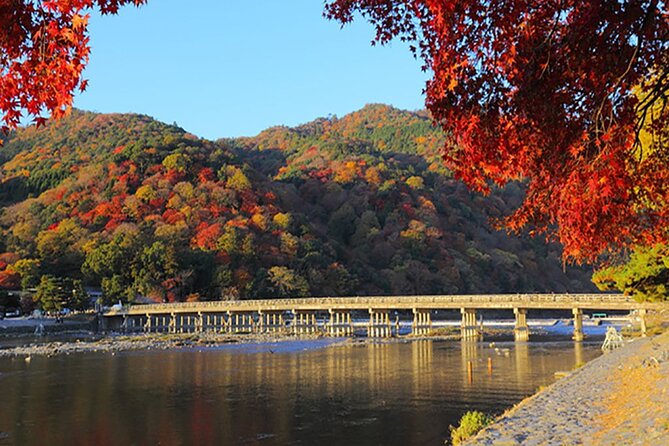
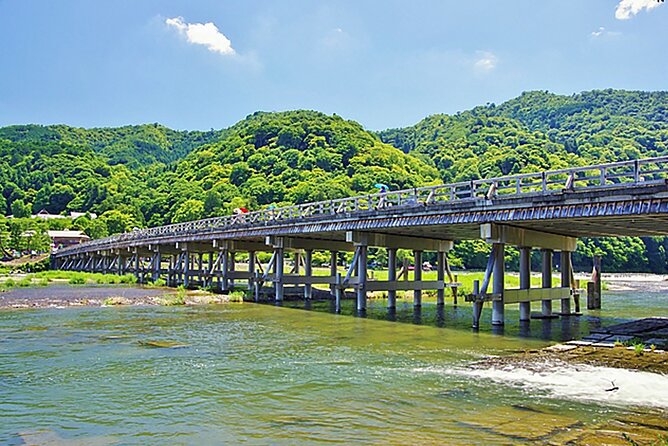
What I like about starting here: it sets a calm tone early, before the day becomes temple-and-photo-heavy. Even if you’ve seen bamboo in photos, the experience is different once you’re at ground level. You can also see Togetsukyo, the moon-crossing bridge, along the Katsura River area.
Seasonal context matters for expectations. If you’re there in April, cherry blossoms can add a bright top layer to the bamboo-and-river vibe. In November, you might catch fall color. In summer, there’s a note that locals may participate in cormorant fishing, which can add a living, local feel to the scenery.
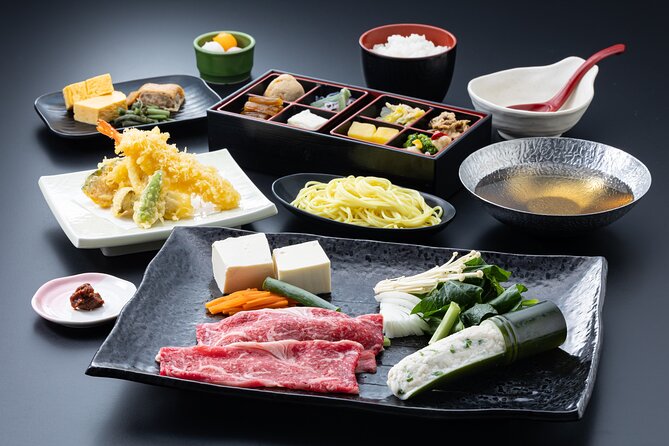
Lunch is built around this first chunk. If you select the lunch option, you get a traditional meal focused on seasonal Kyoto specialties. Several people suggested that skipping the lunch option can be smart if you prefer picking your own meal nearby, since Arashiyama has lots of choices. If you hate time pressure, consider bringing your own snack and choosing lunch on your own terms after the bamboo walk.
Kinkaku-ji Golden Pavilion: How to Make the Most of a 45-Minute Visit
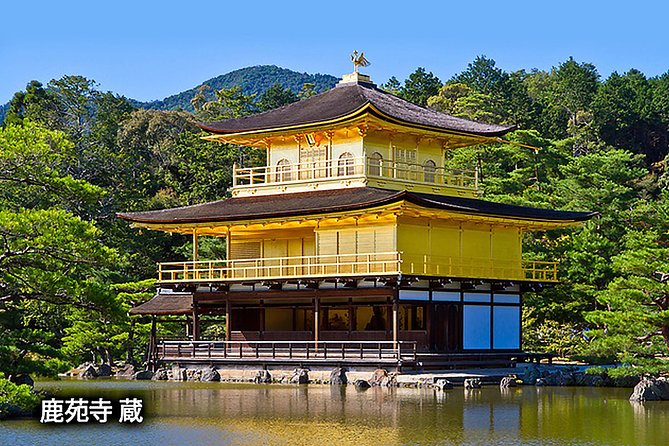
Kinkaku-ji is the stop most people come for, and for a reason. The Golden Pavilion is covered in gold leaf, and the view is designed to be dramatic in daylight. You’re looking for that classic look: the pavilion and its reflection in the pond below.
Your guided time here is short—about 45 minutes—but that’s not automatically bad. The guide’s job is to help you hit the best angles fast and understand what you’re seeing without turning it into a lecture marathon. After the main views, you’ll have time to wander the grounds, including the garden layout that keeps a design dating back to the 14th century.
Two things that make this stop work on a combo day:
- You don’t waste time hunting routes or timing tickets.
- You get just enough movement to feel like you did Kinkaku-ji justice, even with a full schedule.
The key logistics note: entry tickets for Kinkaku-ji are included on most tour package options, but not included in the last-minute option. If you booked last minute, double-check your confirmation so you don’t hit the entrance line wondering what’s covered.
Photo tip: arrive mentally ready to shoot quickly. You’ll get more pictures if you choose two or three key angles instead of trying to capture everything.
Nara Park and Todai-ji: Deer Close-Up, Senbei Snacks, and the Great Buddha
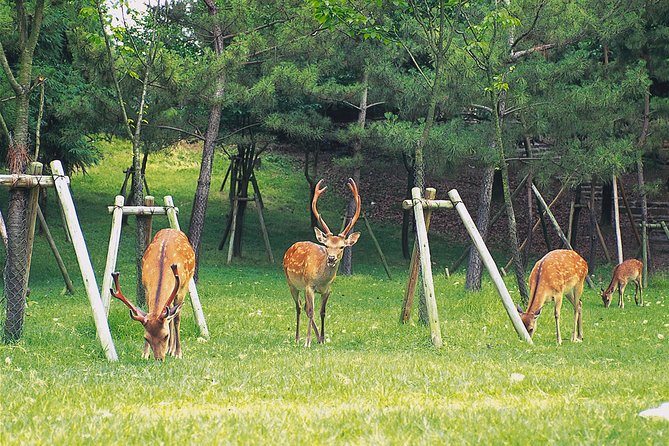
Nara is where the day gets playful. You’ll head to Nara Park, known for the roughly 1,200 wild deer that roam the area. These aren’t zoo deer. They’re part of the park’s daily life, and you’ll see them wandering between paths and near groups of visitors.
The tour encourages a fun interaction: you can buy senbei snacks (shika-senbei) to feed them. The deer are famous for their bowing behavior, so it helps to have the snack ready and stay calm while they approach.
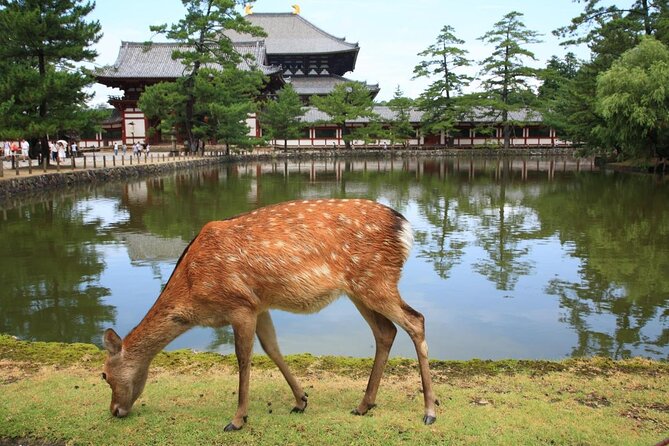
Then it’s on to Todai-ji Temple, home to one of Japan’s three titanic Great Buddha statues. Todai-ji is the kind of sight that’s hard to fully absorb in a short time, but it still lands fast because of scale alone. This stop is about 1 hour 30 minutes, so you get enough time to walk through, see the Buddha, and still have room for a couple of quiet moments.
Important ticket note again: entry to Todai-ji is included on most options, but not included in the last-minute option. Todai-ji is often where people feel the most disappointment if they discover a ticket cost at the gate, so confirm your option ahead of time.
Also, wear shoes you can trust. Nara Park involves walking on uneven ground and paths that get busy around feeding areas.
Lunch Options and Ticket Coverage: The Stuff That Can Surprise You
This tour offers a lunch upgrade, and it’s worth thinking about how you want your day to feel.
- If you choose lunch, it’s described as a traditional meal with seasonal Kyoto specialties.
- If you choose no lunch, you’re free to eat on your own around Arashiyama and Nara.
Real feedback from the field points in two directions. Some people enjoyed the day’s food rhythm and thought the guided meal was fine. Others suggested skipping lunch because there are many great places to eat along main streets, so you can customize your meal and avoid being stuck with a buffet style you don’t love.
Diet notes you should know:
- Vegan and halal meals can’t be provided.
- For vegetarian needs, you must contact the operator at least 3 days before the tour.
Ticket coverage is the other big “read your confirmation” issue:
- Kinkaku-ji entry: included on most options, not included on the last-minute option
- Todai-ji entry: included on most options, not included on the last-minute option
One more practical detail: the bus has free Wi-Fi, and it’s air-conditioned, which helps when the weather is hot or when the schedule runs a little behind due to traffic.
Guide and Group Size: Why Yuki, Haru, Maria, and Riku Get Mentioned
Most of what makes a day like this feel good or stressful comes down to the guide. This tour runs up to 42 travelers, so you’re not looking at a tiny private group, but you’re also not stuck in a massive crowd.
In the feedback, guides got credited for three things again and again:
- keeping the day on schedule
- offering helpful tips for what to do after the tour
- sharing context in a way that made sights click faster
Examples you’ll recognize from the feedback include Yuki (full of tips and kept things moving), Haru (kind, helpful, and good at pacing), Maria (shown pictures ahead of arrival and provided maps), and Riku (considerate and knowledgeable, with a clear focus on places and Japanese context).
There were also a few comments about feeling rushed or wanting more history earlier in the day. That’s not a bad sign; it’s a sign you care about pacing. If you’re the type who wants a slower ramp-up, arrive with the mindset that the tour is highlight-first.
Getting Around Without Stress: AC Bus, Free Wi-Fi, and Clear Timing Windows
One of the biggest reasons people choose a structured day trip like this is simple: you don’t have to plan transit between Kyoto and Nara while managing walking time, ticket lines, and language hurdles.
Here, you get:
- an English-speaking guide
- an air-conditioned vehicle with free Wi-Fi
- return bus service to your original departure point
And the day is set up with departure anchors. You know when to meet in Osaka or Kyoto, you know the order of the sights, and you know the bus runs on schedule. The only caveat: the schedule can change due to traffic or weather for safety. So if you have dinner or evening plans, don’t schedule them too tightly right after pickup time.
What to Pack and How to Avoid the Rushed Feeling
This is a full day with multiple outdoor components. To keep it pleasant, you’ll want to plan for your body first.
- Comfortable walking shoes are a must.
- Bring a small water bottle and a light layer; temple grounds and river areas can feel cooler or hotter than you expect.
- If you care about photos, decide ahead of time what your “must shots” are for each stop, then let the guide help you get there.
Timing can feel stressful if you jump from one photo idea to the next. A practical approach is to give each stop two goals:
1) capture the key view (Golden Pavilion reflection, bamboo path, deer feeding moment)
2) walk once at a slower pace through the area after you’ve got your main shot
Also, keep an eye out at the start of the day. People have had issues finding the correct spot at meeting locations, so check your instructions carefully, and look for the guide color.
Is This Tour Worth $90.75 for a Full Day?
At $90.75 per person, you’re paying for three things: guided time, bus transport, and (on most options) entry tickets for Kinkaku-ji and Todai-ji. For a day that covers both Kyoto and Nara, that can be solid value if you’d otherwise spend time and energy figuring out transit.
It’s especially worth it if:
- you’re on a tight schedule
- you want the big sights without planning
- you’d rather spend money than time on logistics
It’s less worth it if:
- you already know how you’ll get to everything and you want longer stays at fewer places
- you’re booking the last-minute option and end up paying for entry on your own (since ticket inclusions change)
Booking trend-wise, this is commonly purchased around 39 days in advance. That doesn’t guarantee anything about availability, but it’s a hint that planning ahead helps for popular days.
Should You Book the Ancient Capital Tour?
Book it if you want a smooth, guided highlights day across Kyoto and Nara—especially if this is your first time in either city. It’s a strong pick when you care more about seeing the icons than about deep, slow study. The included transport, English guidance, AC ride, and typically included temple tickets make the day feel manageable.
Skip or consider another option if you know you don’t handle rushed pacing well. You’ll also want to think carefully if lunch matters a lot to you, since lunch is optional and there’s mixed feedback about buffet-style meals. And if your ticket package is a last-minute option, double-check what’s included so you’re not surprised at the gates.
If you do book, show up early at the meeting point, wear comfortable shoes, and treat the day like a greatest-hits playlist: quick, fun, and very worth it when you want results in one long day.
FAQ
Where are the meeting points and what time does the tour start?
The tour has two meeting points depending on whether you choose Osaka or Kyoto. In Osaka, meet at Namba OCAT 1F near Daiso at 8:50 AM. In Kyoto, meet at Kyoto Station Hachijo Exit (tourist bus parking area) at 9:05 AM.
What’s included in the tour price?
Most options include an English-speaking guide, an air-conditioned vehicle with free Wi-Fi, and entry tickets to Kinkaku-ji and Todai-ji. Lunch is included only if you select the lunch option. The last-minute option may not include temple entry tickets.
Is lunch provided?
Lunch is provided only if you select the lunch upgrade option. If you choose not to add lunch, the tour notes that meals are not included. The operator also states vegan and halal meals cannot be provided, and vegetarian requests require contacting them at least 3 days in advance.
Are temple entry tickets always included?
No. Entry ticket to Kinkaku-ji Temple and entry ticket to Todai-ji Temple are included on most tour package options, but they are not included if you select the last-minute option.
How long is the tour and what stops are included?
The tour runs about 9 hours. The main stops are Arashiyama (including time in the bamboo forest area), Kinkaku-ji (Golden Pavilion), and Nara Park plus Todai-ji Temple.
What is the cancellation policy?
Free cancellation is available up to 24 hours in advance for a full refund. If you cancel less than 24 hours before the experience starts, the amount paid is not refunded.