REVIEW · HAVELOCK ISLAND
Ancient Lava Stream Trek through dense Tropical forest.
Book on Viator →Operated by Seashell Habitat Institute Activity Centre · Bookable on Viator
Rope-assisted jungle, with geology talk. This Ancient Lava Stream Trek on Havelock Island strings together coastal forest, an areca nut plantation, and thick tropical woodland before you reach a freshwater stream. I like that the experience is built around more than walking—you get hands-on, guide-led botany-and-geology lessons while you move through the island’s living ecosystems and landforms.
One important consideration: parts of the hike include rope-assisted climbing and rappelling, and conditions can get slippery. If you have back, knee, or cardio vascular issues, or feel weak, this is not the right fit.
In This Review
- Key Highlights to Know Before You Go
- Ancient Lava Stream Trek: the walk in plain language
- Price and value: why $33.56 feels fair here
- Where the trek starts on Havelock Island
- The route breakdown: coastal forest, areca nut, dense jungle, stream
- Coastal forest: your first taste of the island’s plant life
- Areca nut plantation: agriculture inside the ecosystem
- Dense tropical forest: where it gets real
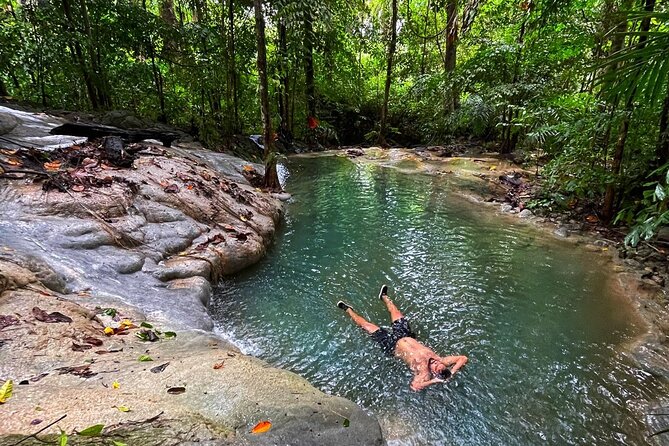
- The freshwater stream: a satisfying endpoint
- The rope-assisted sections: how to judge your comfort level
- Botany 101: why the guide’s plant-and-geology talk is the star
- Who this trek is perfect for (and who should skip)
- Group size, pacing, and timing: what 2.5 hours feels like
- What’s included vs not included (so you can pack smart)
- Weather matters: don’t bet on perfect conditions
- How to prepare like a pro (without overthinking it)
- Should you book the Ancient Lava Stream Trek?
- FAQ
- Where does the Ancient Lava Stream Trek take place?
- How long is the trek?
- What time does the tour start?
- How much does it cost?
- Is transportation included?
- How big is the group?
- Do I need to print anything?
- Is the trek safe if I have knee or back problems?
- What if the weather is bad?
Key Highlights to Know Before You Go
- A small-group trek (max 15) for a calmer pace and more time with the guide.
- Coastal forest → areca nut plantation → dense tropical forest → freshwater stream as a clear route arc.
- Rope-assisted climbing and rappelling elements when footing turns slick.
- Guide-led plant and tree explanations with a focus on Andaman ecology.
- Island formation and wildlife history clues woven into the walk, not dumped in a lecture.
- Price and inclusions: all fees and taxes are included, and you’ll use a mobile ticket.
Ancient Lava Stream Trek: the walk in plain language
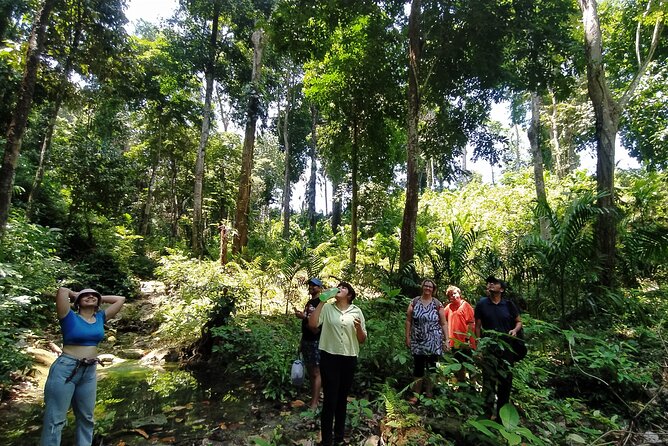
This is a 2 hours 30 minutes trek through dense Tropical forest on Havelock Island, India. The route starts in coastal forest and gradually works its way inland through more altered land, like an areca (betel nut) plantation, then back into denser jungle before ending at a freshwater stream.
What makes the experience more than a typical hike is the way the guide ties what you’re seeing to the island itself. You’re not just looking at trees—you’re learning how to notice them, and how the island formed and how wildlife adapted over time. The overall vibe is quiet and serious: you’ll be walking, looking, and listening, with occasional tougher sections that demand real footwork.
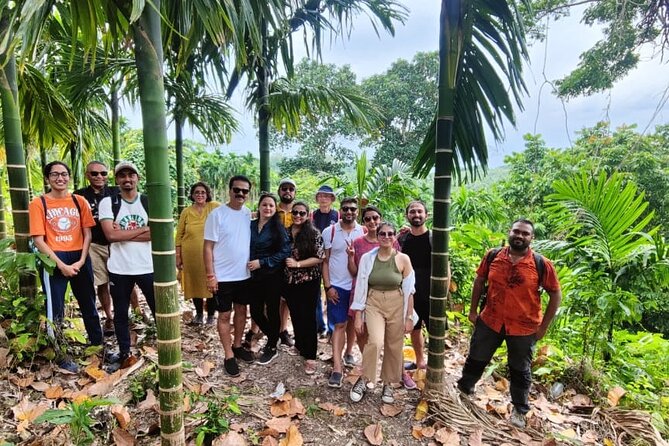
The group stays small (up to 15). That matters because rope sections and uneven ground feel less chaotic when you’re not sharing the route with a huge crowd.
Price and value: why $33.56 feels fair here
At $33.56 per person, this trek is priced like a budget outdoor experience—but with a couple of things that push it into better value. First, all fees and taxes are included. Second, the guide work is detailed, especially around plant life, trees, and geology of the Andamans.
If you’ve ever done hikes where you mostly get directions and a quick history stop, you’ll feel the difference here. This one is built around interpretation: you’re learning as you walk, and the scenery is part of a lesson plan.
Two value notes to keep expectations realistic: there’s no mention of an air-conditioned vehicle, and the trek includes technical-feeling terrain (rope-assisted climbing and rappelling elements). So yes, it’s great value—but it’s also a workout.
Where the trek starts on Havelock Island
Your meeting point is listed as: 7M3JXXM5+63HXXM5+63H Govind Nagar, Andaman and Nicobar Islands, India. The start time is 1:00 pm, and the activity ends back at the meeting point.
That “returns to start” detail is practical. It means you can plan the rest of your afternoon without a complicated transfer plan after you finish at the stream.
Also pay attention to the ticket type: you’ll use a mobile ticket. Bring your phone with enough battery, or at least an offline backup screen if your signal gets spotty.
The route breakdown: coastal forest, areca nut, dense jungle, stream
Coastal forest: your first taste of the island’s plant life
The trek begins in coastal forest. This is a good starting zone because coastal-edge vegetation often tells you a lot about wind, moisture, and salinity patterns—details that make the guide’s plant talk land fast.
You can expect an easy-to-moderate start where your eyes begin to tune into tree structure, leaf shape, and how the forest floor changes underfoot. Even if you’re not a botany person, this part helps you understand what you’ll be looking at later.
Areca nut plantation: agriculture inside the ecosystem
After the coastal section, the route shifts into an Areca Nut plantation. This stop is valuable because it shows how local livelihoods fit into the landscape, not as a separate world.
You’ll get a peek into the life of people involved in beetle nut plantation and harvesting. It’s the kind of human detail that keeps the walk from feeling like a museum display—everything is part of working land, with plants and routines that shape what you see around you.
A heads-up: plantation terrain can feel more open than deep jungle, but it still doesn’t mean it’s flat. You’ll still be on natural ground and dealing with roots and uneven surfaces.
Dense tropical forest: where it gets real
Next comes the dense tropical forest. This is the heart of the trek—cooler air under canopy, thicker growth, and more slippery surfaces once the shade and moisture build up.
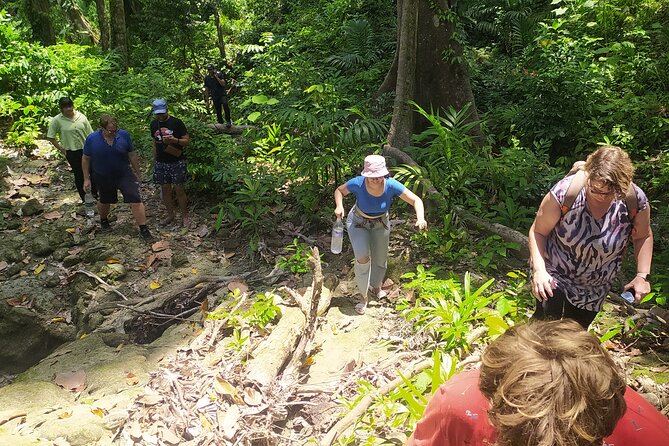
This is also where rope-assisted climbing and rappelling elements start to show up more clearly. The reason I’d treat this as a “serious hike” is simple: even strong walkers can misjudge slick footing when the ground is covered and gravity is doing its job.
The freshwater stream: a satisfying endpoint
The trek leads to a freshwater stream. Ending at water is a psychological reward—you’ve moved from coastal forest, through managed agriculture, into dense jungle, and now you reach something tangible and real on the ground.
Even if you’re not planning a long pause by the stream, it gives you a clean sense of completion. You’re not just turning around and heading back into the same patch of trail with no payoff.
The rope-assisted sections: how to judge your comfort level
The tour includes elements of rope-assisted climbing and rappelling, and it becomes slippery at times. That combination is the make-or-break factor for many people.
Here’s how to think about it practically:
- If you’re okay with hand-on-rope movement and controlled descents, you’ll likely be fine.
- If you hesitate when footing looks questionable, you might find these parts stressful.
- If you have a history of back or knee problems, or cardio vascular issues, the route is specifically described as not recommended.
I like that the guidance is direct. You don’t have to guess what kind of terrain it is. If you’re unsure, I’d rather you “over-skip” than take a gamble.
Botany 101: why the guide’s plant-and-geology talk is the star
One of the most praised aspects is how the guide explains plants and trees and also connects that to geology of the Andamans. That’s a rare combo for a short trek. Many hikes offer a generic nature walk script; this one sounds more like field-based learning.
You’ll probably notice the difference when you start getting explanations that match what you can physically see. If you like to understand environments—how forests work, how species adapt, how landforms relate—this kind of interpretive guidance gives you mental anchors.
The walk also includes observation of evidence of how the islands formed and hints at the history of wildlife on these islands. You don’t have to be a science person to appreciate that. The payoff is that the forest starts to feel explainable, not just pretty.
Who this trek is perfect for (and who should skip)
This is described as best for travelers with moderate physical fitness. And it’s also clearly not for everyone, especially if you have back, knee, cardio vascular issues, or weakness.
So I’d place it in the “fit but not elite” category. If you can handle a tougher jungle hike and you’re comfortable with ropes or slippery spots, you should enjoy it. If you want a gentle nature stroll, choose something else.
It also fits well if you like small group experiences. With a maximum of 15 travelers, you’re more likely to get genuine attention from the guide when you ask questions or when you pause to look closely at plants.
Group size, pacing, and timing: what 2.5 hours feels like
The duration is 2 hours 30 minutes (approx.). That’s long enough to feel like a real trek, but short enough that you won’t spend your whole day on the trail.
The start time is 1:00 pm, which means you’ll likely be out in afternoon conditions. In tropical settings, afternoons can bring higher humidity, so pace and hydration matter more than you might expect.
With the small group cap (15), you can usually move without constant stops for crowd management. But plan for slow moments—especially if rope-assisted sections require careful spacing.
What’s included vs not included (so you can pack smart)
Included:
- All fees and taxes
Not included:
- Air-conditioned vehicle
That means your main “logistics burden” is getting to the meeting point near Govind Nagar by 1:00 pm. Once you’re there, the trek itself is the focus, and the guide-led interpretation is part of what you’re paying for.
Because rope-assisted climbing and rappelling elements are included, I’d treat footwear and grip as non-negotiable. Bring shoes with traction and plan for wet, slick sections. Light, breathable clothing helps in a tropical forest environment, but you also want clothes that won’t snag or leave you exposed.
Weather matters: don’t bet on perfect conditions
This experience requires good weather. If it’s canceled due to poor weather, you’ll be offered a different date or a full refund.
That’s important for planning on Havelock Island. Tropical weather can shift quickly, and slick conditions increase the difficulty of rope sections. If you see rainy forecasts, consider waiting until closer to the start time to feel confident.
Even when the day is sunny, the forest can stay damp. So “good weather” here isn’t just about sunshine—it’s about trail conditions being safe enough for a trek that includes slippery moments.
How to prepare like a pro (without overthinking it)
I’d prep for this like a mixed terrain jungle workout:
- Wear grippy shoes. Don’t rely on sandals or smooth soles.
- Expect slick patches. Move slower than you want to.
- If you have any doubt about knees, back, or cardiovascular capacity, treat that as a stop signal.
- Bring water and simple snacks if you like (nothing is stated as included), and plan your food around the 1:00 pm start.
- Bring your phone battery plan for the mobile ticket and any map checks on your way back to Govind Nagar.
Also, mentally, go in expecting guide time. This isn’t only “get to the stream.” It’s a guided interpretation of plant life, trees, and geology, tied to island formation and wildlife history.
Should you book the Ancient Lava Stream Trek?
Book it if you want a true tropical forest trek on Havelock Island that mixes scenery with serious guide-led learning. If you enjoy understanding plants, trees, and the Andaman geology connection, you’ll get extra value for your time.
Skip it if you’re looking for an easy walk or if rope-assisted climbing and rappelling elements sound like a bad match for your body or comfort level—especially with back, knee, cardio vascular issues, or weakness.
One more quick decision filter: if you’re the type who likes small group hikes with a guide who can explain what you’re seeing, this rate ($33.56) and short duration (about 2.5 hours) make a lot of sense.
FAQ
Where does the Ancient Lava Stream Trek take place?
It’s on Havelock Island in India, meeting at 7M3JXXM5+63HXXM5+63H Govind Nagar, Andaman and Nicobar Islands, India.
How long is the trek?
The duration is approximately 2 hours 30 minutes.
What time does the tour start?
The start time is 1:00 pm.
How much does it cost?
The price is $33.56 per person.
Is transportation included?
No. An air-conditioned vehicle is not included.
How big is the group?
The tour has a maximum of 15 travelers.
Do I need to print anything?
No. It uses a mobile ticket.
Is the trek safe if I have knee or back problems?
It’s not recommended for anyone with physical issues, especially back, knee, cardio vascular issues, or weakness.
What if the weather is bad?
The experience requires good weather. If canceled due to poor weather, you’ll be offered a different date or a full refund.
If you want, tell me your fitness level and what kind of terrain you usually enjoy (easy trails vs. anything with ropes), and I’ll help you decide if this trek matches your comfort zone.