REVIEW · ROME
Rome: Trastevere street food and history tour – small group
Book on Viator →Operated by Rosy Smart City Tours · Bookable on Viator
Street food maps Rome fast.
This small-group tour helps you see Rome through two neighborhoods with real culinary clues: the Jewish Ghetto and Trastevere, with tastings that include fried artichoke, sliced pizza, supplì, and gelato. I also like the stop-and-walk pace, which gives you time to notice details like craft-shop windows on Via della Lungaretta. One thing to consider: it’s still a walking tour with uneven streets and some steps, so it helps if you’re comfortable on foot.
I like tours that do more than feed you, and this one does. You’ll connect dishes to the places that shaped them, then end with a “go back on your own” list so your trip doesn’t end when the tour does. And since the group maxes at 12, the guide can actually answer questions without rushing you.
In This Review
- Key Highlights to Look For
- Getting Oriented in Trastevere: Start at Piazza Benedetto Cairoli
- Jewish Ghetto First: Synagogues, Streets, and Food Connections
- Tiber Island Detour and Piazza in Piscinula: Rome’s In-Between Moments
- Chiesa di San Francesco a Ripa Grande: Walking Alleys and Your Food Tastings
- Via della Lungaretta: The Spine Street With Craft Windows and Climbing Green
- Fontana della Botte: A Wine-Measure Fountain You’ll Remember
- Piazza di Santa Maria in Trastevere: See the Square, Then Go Inside
- End in Trastevere Alleys: How to Turn Tastings Into Real Plans
- What You’re Really Paying For: $66.38 for 2.5 Hours of Food-Story Value
- Diet Needs and What to Expect From Tastings
- Guides, Pace, and the Small-Group Difference
- Rain, Sun, and Staying Comfortable
- Should You Book This Trastevere Street Food and History Tour?
- FAQ
- FAQ
- How long is the Rome Trastevere street food and history tour?
- What food is included on the tour?
- Do I need cash for the tastings?
- What are the main neighborhoods and sights you visit?
- Is the tour vegetarian-friendly?
- Can I get a refund if it rains?
Key Highlights to Look For
- Small-group size (up to 12) for more back-and-forth with your guide
- Two neighborhoods, one food theme: Jewish Ghetto to Trastevere
- Signature tastings included like artichoke, pizza, supplì, and gelato
- Craft-street scenery along Via della Lungaretta and its shop windows
- Landmark stops that match the story: Tiber Island, Fontana della Botte, Santa Maria in Trastevere
- Vegetarian-friendly by design, with advance notice for other dietary needs
Getting Oriented in Trastevere: Start at Piazza Benedetto Cairoli
Your tour starts at Piazza Benedetto Cairoli 118 and finishes near Via dei Pettinari 45, so you get that Rome “move-with-the-day” feeling without backtracking. The total time is about 2 hours 30 minutes, which is long enough to feel like you visited a real slice of Rome, but short enough that you’ll still have energy for dinner plans.
You’ll also get a mobile ticket, which keeps things simple when you’re juggling photos, gelato cravings, and train/bus schedules. And because it’s near public transportation, it’s easy to plug into the rest of your Rome day.
This is a smart first-visit-style tour, especially if you’re the kind of person who likes to learn where to eat before you start ordering randomly.
You can also read our reviews of more food & drink experiences in Rome

Jewish Ghetto First: Synagogues, Streets, and Food Connections

The tour begins in the Jewish Ghetto, which is the starting point for understanding the neighborhood’s role in Jewish life in Rome. You’ll spend about 20 minutes there, and it’s tied directly to food culture, not just architecture.
The practical value here is how the guide frames what you’ll see next. When you learn how communities shaped local shops and kitchens, the streets stop being just postcard background. You start noticing why certain foods feel “native” to a place instead of imported.
One small bonus: the tour keeps admission simple at this stop, since the time here is listed as free. That means you spend your energy looking and asking, not reading tickets.
Tiber Island Detour and Piazza in Piscinula: Rome’s In-Between Moments
Next you’ll cross through the city’s river rhythm with a stop at Tiber Island. It’s about 15 minutes, and the appeal is the location: an unusual island in the middle of the Tiber, between river banks. Even if you’ve seen big Roman sights, this one gives you an in-between angle on the city.
Then you’ll walk toward Piazza in Piscinula (about 20 minutes). This is a first approach to Trastevere from its medieval side, so it works like a transition chapter. If you’ve ever felt like Rome changes personality block by block, this is exactly that.
At this stage, keep your eyes up as well as ahead. The “history” you’re being shown isn’t just dates. It’s street shape, small corners, and how people still use these spaces today.
Chiesa di San Francesco a Ripa Grande: Walking Alleys and Your Food Tastings
When the tour hits Chiesa di San Francesco a Ripa Grande (about 20 minutes), the route leans into the fun part: walking through the alleys with time for food tastings. This is where the tour starts feeling like a street-food mission instead of a sightseeing stroll.
The church stop matters because it gives context to the neighborhood texture. Trastevere isn’t only about eating; it’s about the way life happens on narrow lanes, under laundry lines of time, with shops tucked close to doorways. Tastings in that setting feel more grounded than tastings in a sterile “food hall” style location.
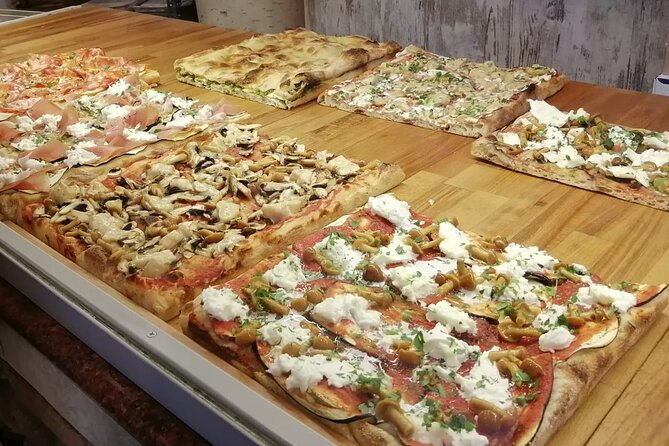
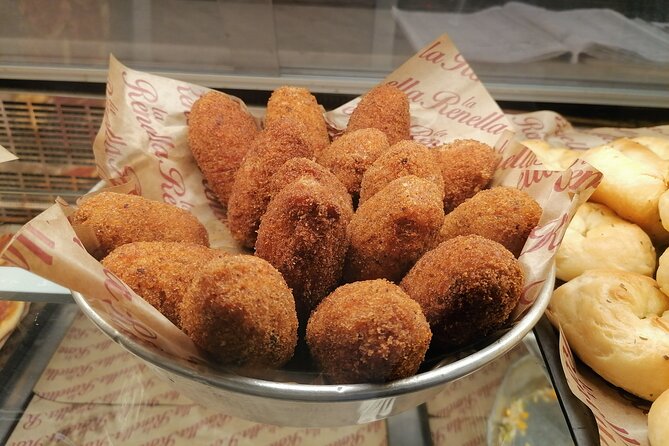
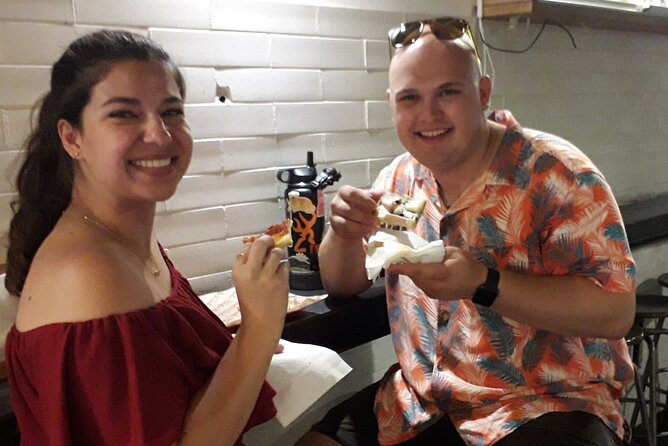
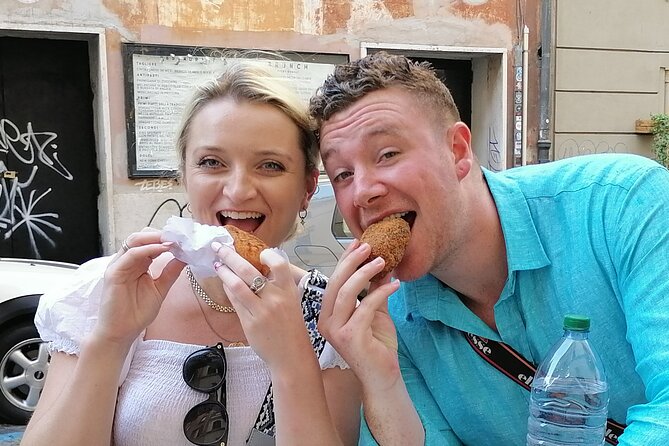
Food included here (and across the tour) centers on Roman classics such as artichoke, sliced pizza, supplì, and gelato, plus additional small bites. Alcohol isn’t included, so if you want a glass of something, plan to buy it separately.
If you’re a “I’ll try one bite” eater, this tour is still generous. If you’re a “I want to eat like I live here” eater, you may finish full, but you’ll also know exactly where to go next.
Via della Lungaretta: The Spine Street With Craft Windows and Climbing Green
After the tasting moments, you’ll follow Via della Lungaretta, the district’s spine street. It’s another about 20 minutes, and the details are the point.
This street is described as being enriched with climbing plants and picturesque window glass of craft shops. That means it’s not just a route between stops. It’s a walking “catalog” of small businesses. You’ll get ideas for things to buy that aren’t just souvenirs with mass-market packaging.
This is also a helpful stop for your planning mindset. You’ll likely spot shops you want to revisit, and you can remember what the guide pointed out when you’re deciding where to spend your last euros.
Tip for your feet: Rome cobblestones don’t care about your schedule. Wear shoes you trust.





Fontana della Botte: A Wine-Measure Fountain You’ll Remember
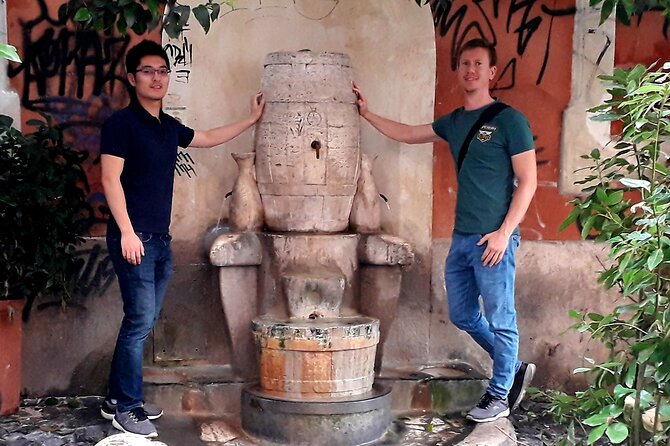
Then comes Fontana della Botte (about 15 minutes). It’s a fountain designed to reproduce the shape of wine measures, and that little detail is exactly why this tour works.
The point isn’t that you must photograph one fountain. It’s that the city hides food references everywhere once you start looking. A wine-measure fountain fits the theme perfectly and turns “street food tour” into “Rome food clues tour,” which is what you actually want on day one or day two.
Short stop, good payoff. You won’t feel dragged through time-waster crowds.
Piazza di Santa Maria in Trastevere: See the Square, Then Go Inside
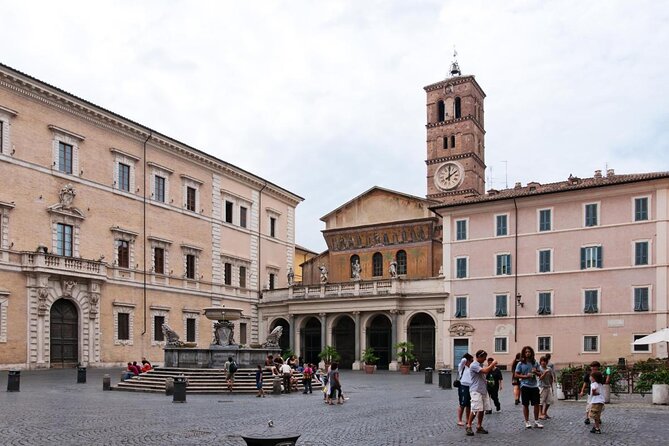
At Piazza di Santa Maria in Trastevere (about 20 minutes), you’ll see the square and visit the church from inside. This is a strong mid-to-late tour anchor because it shifts you from streets and tastings into a slower, more respectful moment.
The practical benefit: the church visit gives you a mental reset after the alley walking. And it helps you understand why Trastevere’s identity isn’t only food and nightlife. It’s also community landmarks that shaped local routines.
If you like tours that feel like a complete neighborhood story, this stop is a key chapter.
End in Trastevere Alleys: How to Turn Tastings Into Real Plans
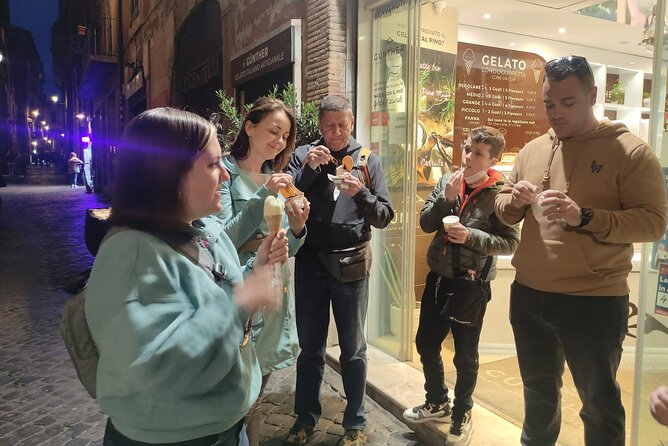
The tour wraps with walking through Trastevere’s alleys (about 20 minutes), focusing on off-the-beaten-path glimpses. This final leg is your “don’t just eat, explore” payoff.
Here’s how I’d use this part of the day if I were you: treat it like reconnaissance. During the walk, note (mentally or on your phone) any shop windows, small bakeries, or gelato places you’d want to return to. The tour’s own goal is to help you circle back later, armed with a better gut feeling for what fits the neighborhood.
You’ll also leave with a clearer sense of how Roman food moves from neighborhood culture to what ends up on plates. That makes your next meal more intentional, even if you’re just ordering off a menu.
What You’re Really Paying For: $66.38 for 2.5 Hours of Food-Story Value
At $66.38 per person for roughly 2 hours 30 minutes, the headline is street food plus history. But the real value is structure.
You’re paying for:
- A guided route that links dishes to place
- Multiple included tastings (artichoke, pizza, supplì, gelato and more)
- A small group size, max 12, so you’re not lost in the crowd
- Time at landmarks that match the theme, like the Ghetto, the wine-measure fountain, and the church interior
If you tried to copy this yourself, you’d spend time researching, hopping between neighborhoods, and playing tasting roulette. Here, you get a planned sequence and enough stops to feel like you learned something, not just ate.
One word of caution: the tour includes street food tastings, not a sit-down feast. You’ll likely still want a real dinner after, but you’ll know better where to go.
Diet Needs and What to Expect From Tastings
This tour is planned to suit vegetarians, as long as you tell the operator when booking. That’s a meaningful detail because a lot of street-food plans struggle once meat and cheese become the default.
If you’re vegan, or you have gluten or lactose intolerance (not allergies), you can participate, but you should know the fine print: not all tastings can be guaranteed. You need to communicate restrictions at booking, and last-minute changes may not be considered. In practical terms, that means you might get the most flexibility by booking early and being very clear.
Also, because alcoholic beverages aren’t included, your experience stays focused on the tastings and walking. If alcohol is part of your plan, you’ll add it on your own pace.
Guides, Pace, and the Small-Group Difference
The tour is designed for interaction, and the small-group cap matters. With fewer people, your guide can pause for questions, point out details at your speed, and adjust when someone wants to step into a shop.
From guide styles described in feedback, one common theme is clear storytelling and an upbeat way of connecting food with what you’re seeing. Names that have come up include Chris, Serena, Christian, Virginia, Daniel, Sabrina, Marco, Daniele, Emmanuele, Emanuel, and Victoria. If you want a guide who keeps things lively without rushing, this tour is generally the right bet.
Pace-wise, this is not a slow “sit and snack” walk. You should expect real walking on uneven streets, and there can be steps. If mobility is an issue, the company invites you to book a private tour so your timing isn’t impacted by the main group.
Rain, Sun, and Staying Comfortable
The tour runs with sun or rain, unless you hit extreme weather. It’s a good idea to wear layers and bring a compact umbrella or rain jacket. Also, since there’s no mention of stopping due to normal weather, plan your day around the fact that Rome weather can be unpredictable.
For comfort, bring water if you run warm. And keep snacks in your plan for after, since the tastings can make you full but not necessarily “done eating.”
Should You Book This Trastevere Street Food and History Tour?
Book it if:
- You want a first or early-neighborhood tour where food and history actually connect
- You like street snacks more than formal meals
- You prefer a small group where your guide can talk with you
- You’re visiting Trastevere and want a route that gets you beyond the most obvious lanes
Skip or choose a different style tour if:
- You have trouble with uneven streets and steps, since the main tour is still a walking experience
- You need strict dietary certainty at every single tasting, since some restrictions aren’t guaranteed for all participants
One smart move: if you’re early in your trip, book it soon. It’s often reserved about 46 days in advance, which tells you demand is real, especially for a limited group size.
FAQ
FAQ
How long is the Rome Trastevere street food and history tour?
It runs for about 2 hours 30 minutes.
What food is included on the tour?
Included tastings cover items such as artichoke, sliced pizza, supplì, gelato, and more street food.
Do I need cash for the tastings?
No cash is needed for included tastings, but alcoholic beverages are not included, so you would pay separately if you want drinks.
What are the main neighborhoods and sights you visit?
You start in the Jewish Ghetto, then move through stops including Tiber Island, Piazza in Piscinula, Chiesa di San Francesco a Ripa Grande, Via della Lungaretta, Fontana della Botte, Piazza di Santa Maria in Trastevere (church inside), and finish with a walk through Trastevere alleys.
Is the tour vegetarian-friendly?
Yes. The tour is planned to suit vegetarians, but you need to inform the operator at booking.
Can I get a refund if it rains?
The tour runs in sun or rain except extreme weather conditions. For last-minute cancellations due to rain, the data says there is no refund. For standard cancellations, you can cancel up to 24 hours in advance for a full refund.