REVIEW · PELOPONNESE
Ancient Olympia: Archaeological Site and Museum Entry Ticket
Book on GetYourGuide →Operated by Key Tours · Bookable on GetYourGuide
Ancient Olympia hits hard, even if you like sports only a little. With pre-booked museum entry plus flexible access to the archaeological site, you get a smooth start and more time to soak in the sacred grounds where the Olympic Games were born. I especially liked seeing the ruins up close and then walking through the museum stops that explain what you’re looking at—without being herded around.
One thing to consider: the Archaeological Museum part runs on a specific time slot, and you can enter only in that window (15 minutes before or after). Plan your day so you’re not racing across the site with the clock ticking.
In This Review
- Key highlights to know before you go
- Ancient Olympia ticket basics: what you’re really buying
- Time slots and the 15-minute rule: the biggest logistics detail
- Archaeological Museum of Ancient Olympia: where the finds make sense
- Temple of Zeus: Doric strength in real scale
- Temple of Hera plus training grounds: where athletes’ days lived
- Museum of the History of the Olympic Games: more than trophies
- How long it really takes: planning a smooth 1-day route
- Price and value: why $30 can be worth it
- Who this works best for (and who should think twice)
- Should you book this ticket?
- FAQ
- Do I need a specific entry time for everything?
- Can I enter the museum outside my exact time slot?
- Is the audio guide available in English?
- Do I need to bring earphones or an audio device?
- Is there a cheaper ticket for young people or students?
- Is this ticket refundable?
- Is the site accessible for wheelchairs?
Key highlights to know before you go
- Skip the ticket-queue stress: the pre-booked entry is built for easier entry at the ticket office
- See the core temples: Temple of Zeus (Doric, massive scale) and Temple of Hera (one of the oldest monumental temples in Greece)
- Athlete training ground feels real: stadium, hippodrome, wrestling school, and gymnasium are part of the experience
- Museums connect the dots: the Archaeological Museum focuses on finds from the sacred precinct of the Altis, then the History of the Olympic Games Museum adds context
- Audio is self-guided: English audio tours are included, but you may need your own way to listen (physical devices/earphones aren’t included)
Ancient Olympia ticket basics: what you’re really buying
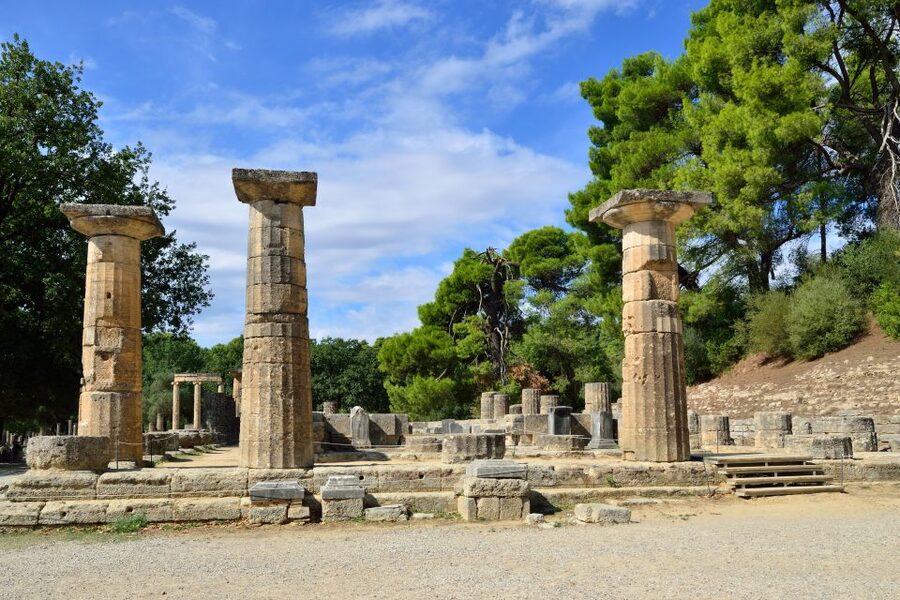
This is a 1-day ticket built for self-guided exploring of one of Greece’s most famous archaeological zones—Ancient Olympia in the Peloponnese. For about $30 per person, you’re covered for two museum experiences and the main archaeological site, with audio included for the museum of the Olympic Games and (if you select it) the archaeological site itself.
Here’s the practical heart of it: you’re not paying for a guided tour, you’re paying for entry + audio so you can set your own pace. That matters here because the site is spread out, and the best moments often happen when you pause. Think of it like touring a major museum with outdoor galleries—tempo helps.
Also, don’t confuse the three “components”:
- Archaeological Museum of Ancient Olympia: requires a specific time slot on your selected date
- Archaeological site of Ancient Olympia: you can enter anytime on your selected date
- Museum of the History of the Olympic Games: you can enter anytime on your selected date
If you time it right, it feels like a full day with a logical flow instead of check-in chaos.
Time slots and the 15-minute rule: the biggest logistics detail
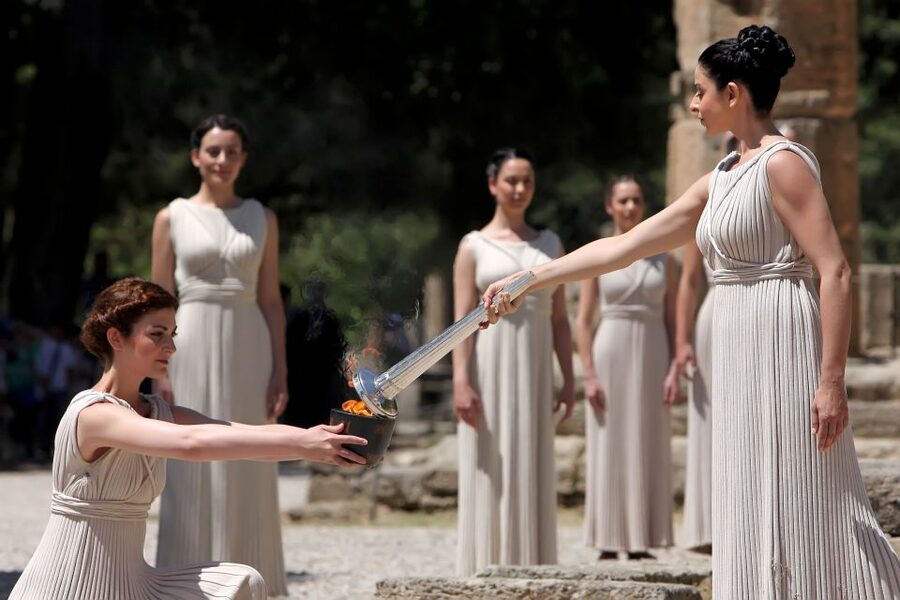
The biggest “gotcha” is the time slot for the Archaeological Museum (not the ruins). Entrance to that museum is tied to the slot you choose, with permission to enter only at that time or within a 15-minute window before or after.
So what’s the best strategy?
- Pick a slot that gives you buffer time for the site later.
- If you’re visiting in peak summer heat, you’ll thank yourself for not cramming your schedule too tightly.
One more note that affects your planning: the ticket office may not always have free tickets available for your preferred time slot, even if you’re trying. Pre-booking solves that problem for the regular adult ticket, and reviews support that people appreciated getting in faster.
Archaeological Museum of Ancient Olympia: where the finds make sense
The museum is your first “decoder ring” for what you’ll see outside. It’s focused on the long story of the sanctuary of Zeus, and it presents major finds from excavations in the sacred precinct of the Altis.
Why I think this museum is worth your attention—even if you’re not a sports superfan:
- The ruins outdoors can look like dramatic columns and stone fragments.
- The museum helps translate those fragments into meaning: what was where, and how the site worked as a sacred place.
What to expect from your visit
- You’ll spend time with prehistoric and ancient archaeological finds (the museum is known for the kind of artifacts that make the site feel lived-in, not just photographed).
- The audio tour is included in English, and it’s meant for self-guided pacing rather than a scripted route.
One practical detail from the experience: the audio tour can be helpful, but it isn’t always guaranteed to be in the most intuitive order for your walking path. If you notice it feeling off, use a map and follow where you want to stop—don’t let the audio control you.
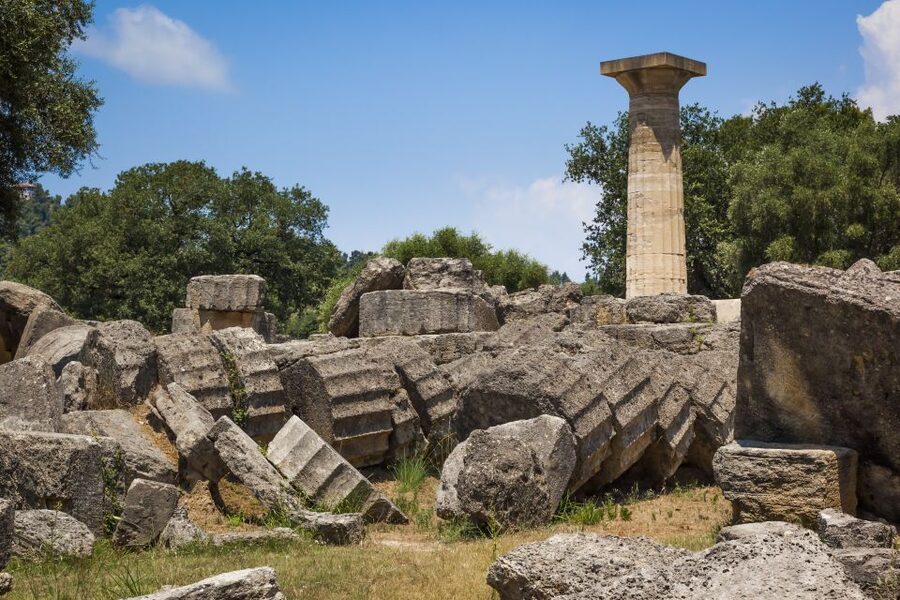
Temple of Zeus: Doric strength in real scale
After the museum, you move from explanation to impact. Ancient Olympia’s main temples give you that rare feeling of reading architecture like a sentence.
The star for many visitors is the Temple of Zeus. It’s described as the largest temple in the Peloponnese and widely considered a strong example of Doric architecture. Even without getting technical, you can feel what that means: simple lines, heavy proportions, and a sense of permanence.
Here’s what I recommend you do on site:
- Walk slow early, when it’s quieter.
- Keep stepping back to see how the temple sits within the broader sanctuary space—not just as a single building.
You’ll also get that emotional “oh wow” moment when you realize how long these structures have survived and what kind of society could build and maintain them. One of the best things about Olympia is the quiet setting—so even during busy times, you can still find stretches of calm to look closely.
Temple of Hera plus training grounds: where athletes’ days lived
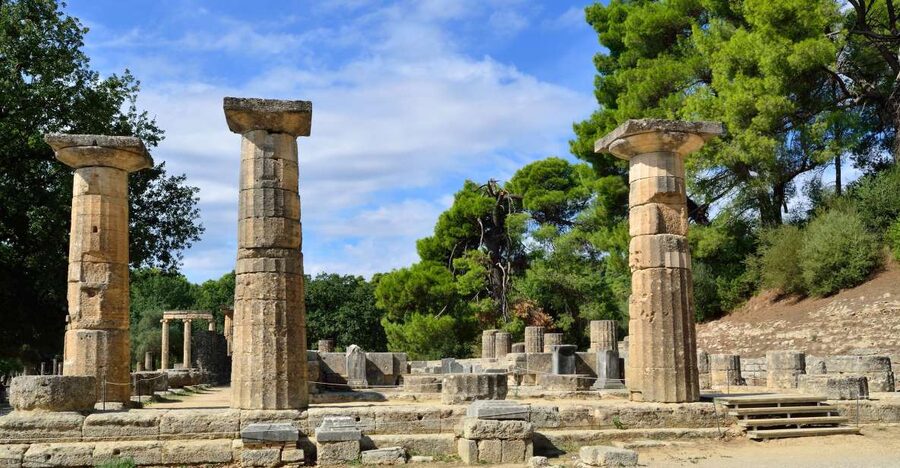
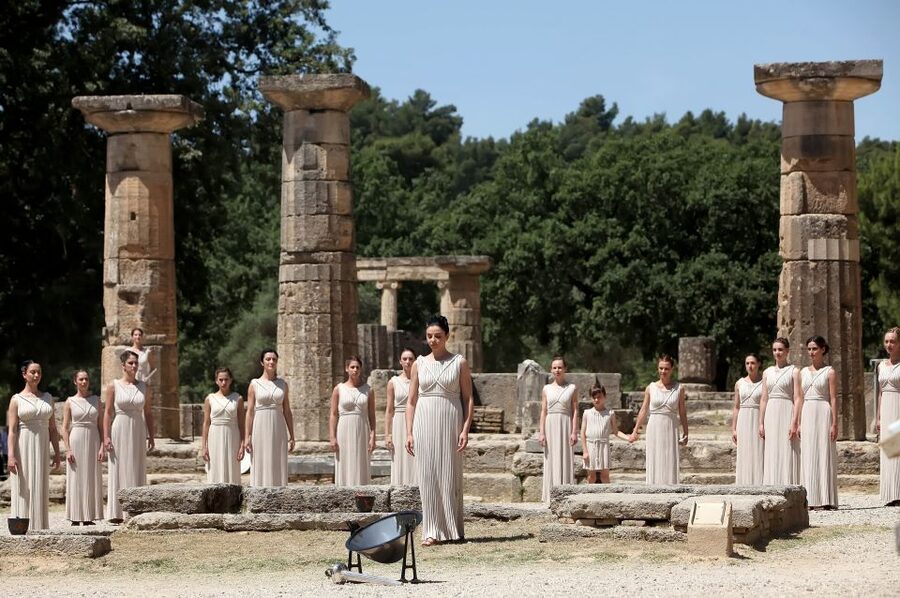
Next comes the Temple of Hera, described as one of the oldest monumental temples in Greece. If Zeus gives you size, Hera gives you a different kind of presence—older, foundational, and tied closely to the sanctuary’s long story.
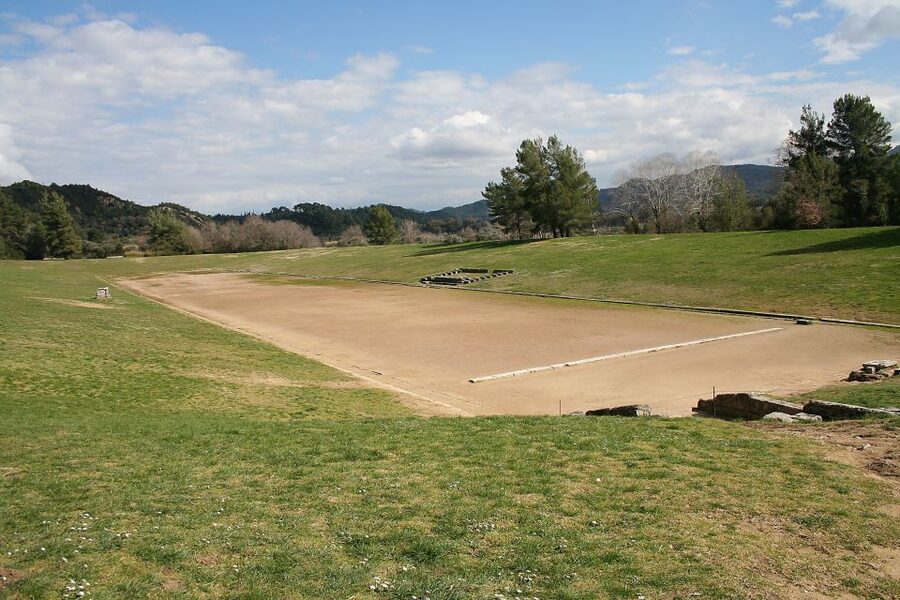
But for many people, the biggest payoff isn’t just the temples. It’s the athletic area:
- the stadium
- the hippodrome
- the wrestling school
- the gymnasium
This is where the site stops being “ruins in a field” and starts being a place where you can almost imagine routines. If you’ve ever watched track-and-field events, wrestling, or training schedules, you’ll naturally start matching the space to the activity. Even if the details are lost, the layout still suggests how competition and preparation were structured.
Also, this part of the day is usually the hottest. Bring water and plan for sun. One tip that came up in practical feedback: an umbrella and even a facecloth you can wet can make the afternoon more tolerable.
Museum of the History of the Olympic Games: more than trophies
After the ruins, the Museum of the History of the Olympic Games gives you the narrative layer. It focuses on the important history of the Olympic Games and hosts findings related to the period when the ancient games took place.
This is a good shift in gears. Outdoors you’re seeing the physical remains; indoors you’re understanding the human system behind it. You’ll likely walk away thinking differently about what the Games were—less like a one-off event, more like a recurring cultural ritual connected to the sanctuary.
Audio is included here as a self-guided experience with English options. If you want the most value from audio, aim to listen during indoor stops and use the exterior time for looking with your eyes first. That way the audio supports what you see, instead of distracting you while you’re trying to orient yourself.
How long it really takes: planning a smooth 1-day route
The ticket gives you access over one date, but your pacing is up to you. A realistic rhythm for a satisfying day looks like:
- Museum of Ancient Olympia in your selected time slot (plus audio)
- Ruins exploration at your own pace
- Museum of the History of the Olympic Games later, when you want a break from sun
This structure works because the museums explain the site, then you return to the outdoor areas with better context.
If you’re trying to “do it all” in a rush, you’ll miss the quiet magic. The site rewards slow looking. Give yourself time to step back, find viewpoints, and linger at the Temple of Zeus and Hera area.
Price and value: why $30 can be worth it
At $30 per person, you’re paying for more than admission. You’re also paying for:
- entry control (especially the museum time slot)
- included self-guided English audio for the Olympic Games museum
- included site entry without needing a separate ticket purchase process for the archaeological site and museum components
Is it cheaper to buy locally? Possibly, depending on what you’d otherwise do and what queues look like. But the experience is set up to prevent the common pain point: wasting time in lines for tickets while you’re already in the heat.
From the reviews, the most praised practical benefit was getting in quickly rather than standing around at the ticket office. For a one-day stop—especially if your schedule is tight—that time saved can be worth real money.
Who this works best for (and who should think twice)
This ticket works best if you:
- want a self-guided visit rather than a full-on group tour
- like combining outdoor ruins with museum explanations
- want English audio that helps you learn at your own pace
- prefer to minimize ticket lines and keep your day flexible
It may be less satisfying if you:
- only want a quick photo stop (Olympia rewards more time than that)
- dislike historical sites unless there’s a specific sports angle driving your interest
- hate audio that doesn’t match your walking order (you can still manage, but you need flexibility)
If you’re traveling with kids who like learning games or sports history, this is a strong option because the training-ground areas are visually easy to understand.
Should you book this ticket?
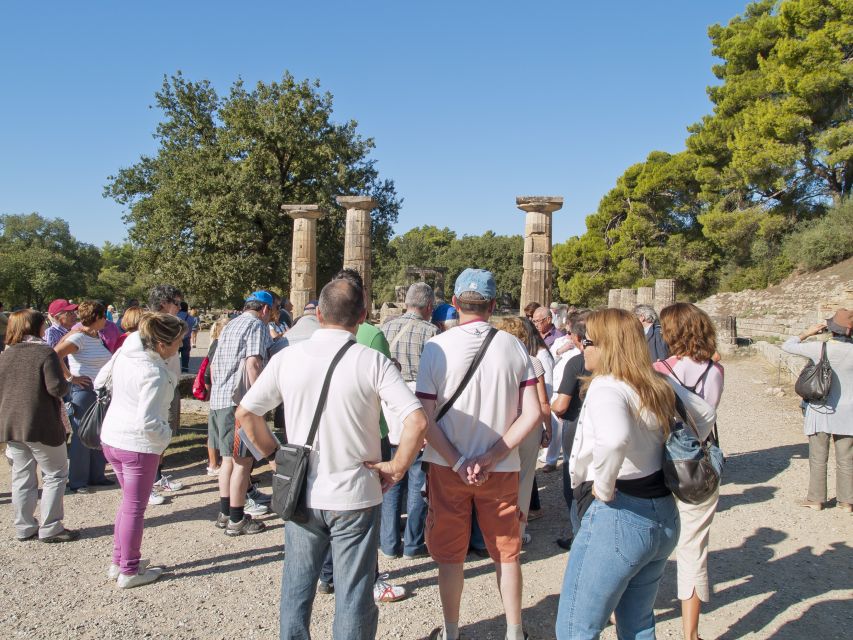
If you want the most stress-free day at Ancient Olympia, I’d book it. The mix of pre-booked museum entry, easy access to the ruins on the same date, and included English audio makes this feel like a smart use of a limited time window in the Peloponnese.
I’d choose it especially if:
- you’re visiting during busy season
- you’re heat-sensitive and want to avoid ticket lines
- you want to explore at your own pace instead of syncing with a live guide
Just remember the one rule that can affect your day: the Archaeological Museum time slot is real. Plan around that, bring water, and you’ll get a day that feels both iconic and personal.
FAQ
Do I need a specific entry time for everything?
You need a specific time slot only for the Archaeological Museum of Ancient Olympia. The archaeological site and the Museum of the History of the Olympic Games can be entered anytime on your selected date.
Can I enter the museum outside my exact time slot?
Entrance is permitted only at the selected time slot or within 15 minutes before or after.
Is the audio guide available in English?
Yes. The audio guide included is in English.
Do I need to bring earphones or an audio device?
Physical audio devices and earphones are not included. Plan to use your own listening setup.
Is there a cheaper ticket for young people or students?
From April 1st, 2025, EU citizens under 25 and non-EU citizens under 18 can receive free admission by providing their ID at the ticket booth. People with disabilities can receive free admission with a Disability Certificate.
Is this ticket refundable?
No. The activity is non-refundable.
Is the site accessible for wheelchairs?
Yes. The experience is wheelchair accessible.