REVIEW · KATAKOLO
Katakolo Port: Transfer to Ancient Olympia and VR Audio Tour
Book on GetYourGuide →Operated by SIGHTS OF ATHENS-GRAY LINE · Bookable on GetYourGuide
Ancient Olympia is just a cruise bus ride away. This Katakolo shore excursion takes you to the birthplace of the Olympic Games with roundtrip air-conditioned transport and a VR audio guide in 10 languages on your phone, set up while you’re already on the way.
I really like two things here: the short, low-stress transfer (the check-in is close to the cruise port, and departures are organized around ship timing), and the freedom to roam Olympia at your own pace once you arrive. I also enjoyed how the staff on the bus and at check-in helped with the app setup, including guides like Chrisy and drivers such as George, who kept things moving and answered questions.
The biggest consideration is that the VR audio experience depends on your phone (Android/iPhone or tablet), and the app can be a bit awkward for navigation. If you expect a perfect map-and-glasses system, you may end up using the ground signage and stopping points instead of the VR most of the time.
In This Review
- Key highlights to know before you go
- From Katakolo Port to Ancient Olympia: a cruise-friendly route that actually fits the day
- Check-in at the Grekaland shop: easy meeting points, clear instructions, and less hunting
- The bus ride: when the app gets set up and why air-conditioning matters
- VR audio tour on your phone: what it does well, and where it can annoy you
- Ancient Olympia in 3 hours: ruins, temples, stadium, and how to use your time
- Museums: what you can expect without a professional guide inside
- Olympia village: a realistic chance for lunch, coffee, and a last stroll
- Tickets and entry fees: your option matters, and lines can happen
- Value check: why this can beat expensive cruise land tours
- Who should book this Katakolo-to-Olympia VR excursion
- Should you book this tour from Katakolo?
- FAQ
- Do I need to download anything for the VR tour?
- Is admission to the archaeological site and museums included?
- How long do I spend at Ancient Olympia?
- What languages are available for the audioguide?
- Is transportation air-conditioned?
- Where does the tour end?
Key highlights to know before you go
- Port-close check-in makes it easier to hit your departure time without stress
- VR audio on your phone in 10 languages, activated during the drive
- 3 hours on site is long enough for ruins plus museum time
- Modern air-conditioned coach and punctual running help on cruise days
- Olympia village time for lunch, coffee, snacks, and shopping
From Katakolo Port to Ancient Olympia: a cruise-friendly route that actually fits the day
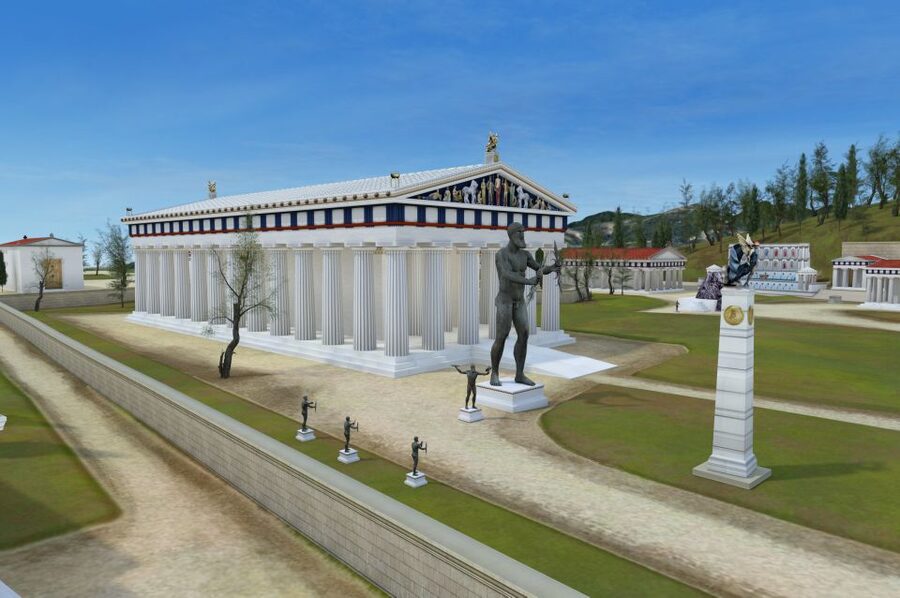
This excursion is built for cruise schedules. You start from Katakolo Port, hop into a modern air-conditioned bus, and head to Ancient Olympia, where the Olympic Games began in 776 BC and continued until 393 AD. The drive is about 30–40 minutes, so you’re not burning half your shore time just getting there.
Once you arrive, the experience is designed to let you “do Olympia” without feeling rushed. You get a solid block of time to see major monuments, use the audio/VR guidance as you walk, and then return before you have to worry about missing the ship.
A few more Katakolo tours and experiences worth a look
Check-in at the Grekaland shop: easy meeting points, clear instructions, and less hunting
Your main advantage on a cruise day is simply finding where to go. Many people noted the starting point was very close to the ship, and that the instructions were clear, with people directed to the Grekaland Tours shop a few minutes early.
Meeting points can vary based on the option you book, but the overall rhythm stays the same: you disembark, find the local partner at the cruise terminal exit, and go from there. If you like knowing you’ll be in the right place quickly, this format feels practical.
The bus ride: when the app gets set up and why air-conditioning matters
On the ride to Olympia, the VR guidance gets installed and you’re brought up to speed. The value here is that you arrive ready, instead of trying to fight with menus while standing in full sun.
You’ll also appreciate the new, comfortable coach reported by many visitors. Olympia can get hot, and having air-conditioning during the transfer is one of those small things that genuinely changes how enjoyable the day feels. The bus is also described as safe and punctual on both directions.
VR audio tour on your phone: what it does well, and where it can annoy you
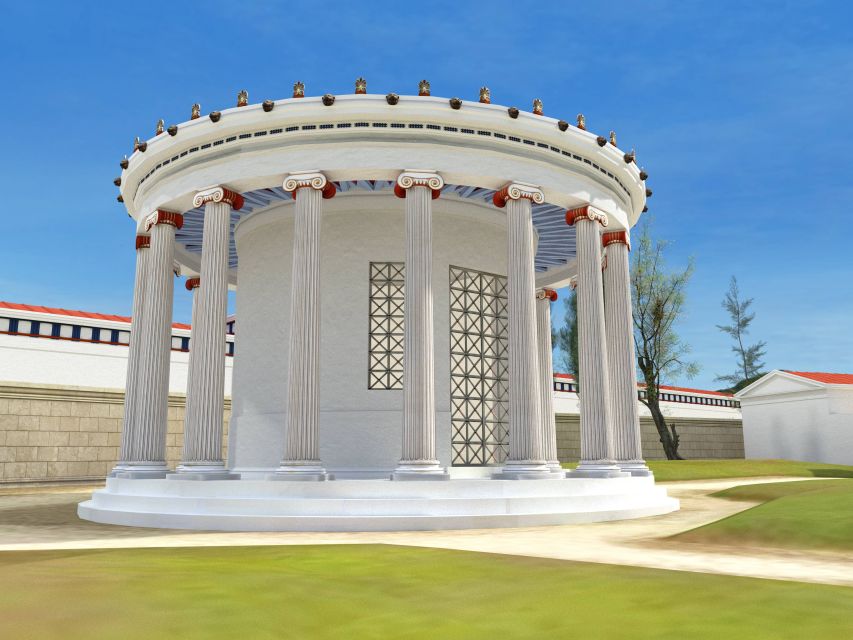
This is a phone-based VR experience, not separate goggles. You’ll need an Android or Apple phone (or a tablet) to activate the application, and you should come with your device charged and ready.
Here’s what the VR adds: it’s designed to help you relive key moments and understand what you’re looking at as you move through Olympia. The audio guide is offered in 10 languages (including English, French, German, Spanish, Italian, Polish, Russian, Japanese, Chinese, and Portuguese), and there’s also an optional audio guide in multiple languages if you prefer audio only.
Now the realistic part. Several people said the VR portion can be so-so or not worth extra effort, especially if you struggle with navigation on the grounds. A common issue is that the map and site instructions can be confusing at first, and in some cases the audio app needs restarting. One review even called out a phone signal problem as a reason it didn’t work smoothly.
Also, you should know the VR coverage isn’t necessarily “everywhere.” One visitor noted it only accounts for 10 spots, while Olympia has far more to see. So think of it as helpful guidance for highlights, not a replacement for your own curiosity.
Practical tip: bring personal headphones if you want discreet audio. The tour instructions say headphones aren’t provided, and using your own can make the experience more comfortable.
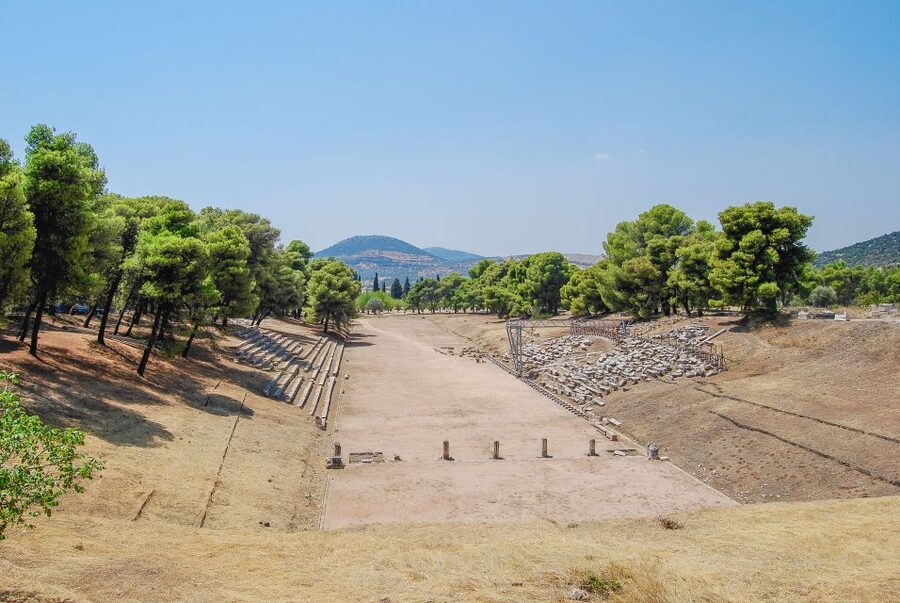
Ancient Olympia in 3 hours: ruins, temples, stadium, and how to use your time
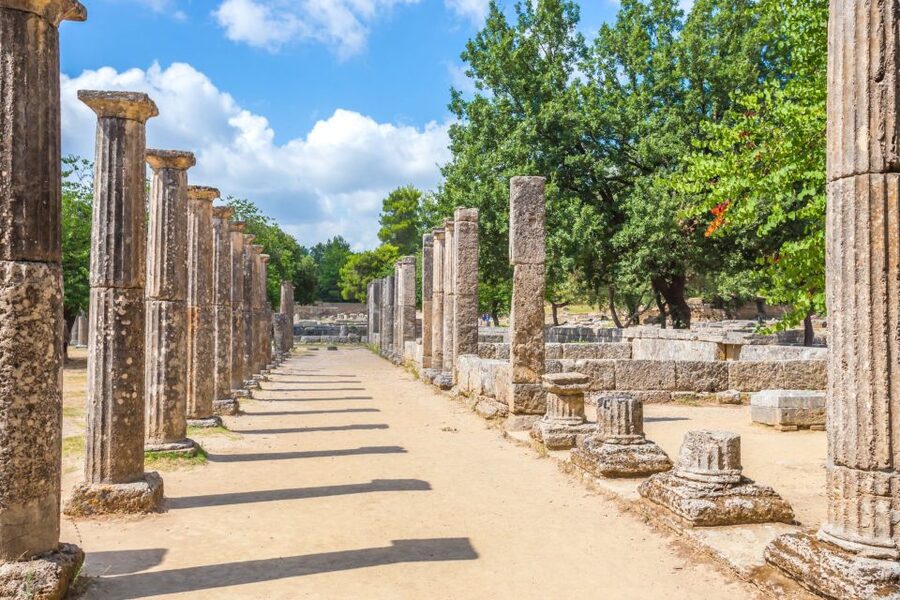
Your main stop is Olympia itself, with about 3 hours for breaks, photos, and visits. This is enough time to see the big monuments without feeling trapped on a stopwatch. Many people also appreciated that the tour gives clear suggestions about when and where to return.
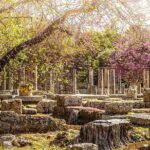
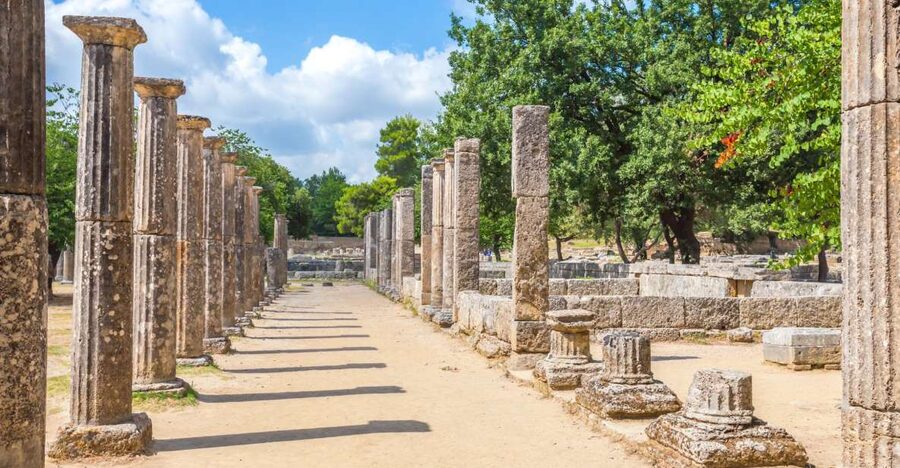
What you’re looking at matters, so here’s what makes Olympia special:
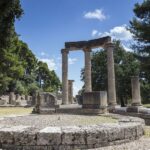
- Temple of Hera: You’ll see it as the major landmark tied to the Olympic Flame tradition in modern Games.
- Temple of Zeus: This is where the legendary gold and ivory statue of Zeus once stood, known as one of the Seven Wonders of the Ancient World.
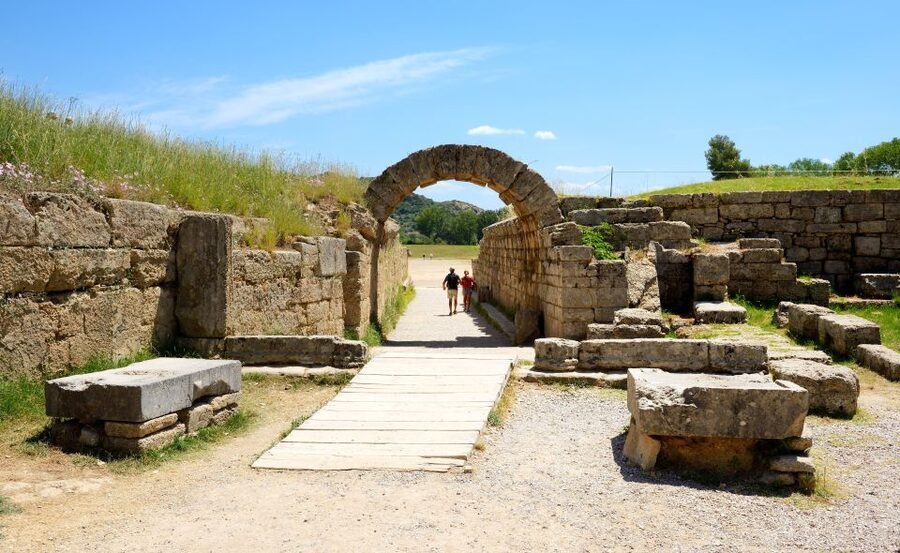
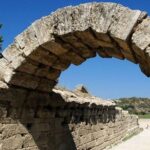
- Stadium and Bouleuterion: The stadium is the recognizable event space, and the Bouleuterion is where competitors took oaths to follow the rules.
The audio/VR guidance and signage work together. Visitors noted that plaques help at key points, and the app can provide context as you walk. In an ideal flow, you’d do a quick museum first, then follow the ruins at your own pace using the guidance at specific stop points.
A downside to planning self-guided time: some people said they’d prefer a bigger, clearer printed map, because the grounds signage alone isn’t always obvious. If you like a structured route, arrive with a mental list (Hera, Zeus, stadium, and the oaths/Bouleuterion area) so you’re not constantly guessing.

Museums: what you can expect without a professional guide inside
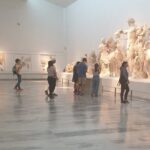
Within your 3-hour block, the day typically includes museum time. People described two museum options: an Archaeological Museum with good context and artifacts, and a separate Museum of the Olympics that felt shorter with fewer artifacts.
A key benefit here is that you’re not forced into a “talk the whole time” schedule. Instead, you listen through your app/headphones while you explore. Some visitors also pointed out that the facilitator on the bus might not be a monument guide, which is fine if you’re comfortable learning on your own with the audio support.
If you want a deep, guided explanation of every feature, this format might feel a bit self-directed. But if you like moving at your own speed and letting the ruins do the talking, it works well.
Olympia village: a realistic chance for lunch, coffee, and a last stroll
You also get time near Olympia village. This matters more than it sounds on a cruise day because it gives you space to breathe between ruins and your return trip.
You can use this window for:
- lunch or snacks
- coffee and a sit-down break
- shopping for souvenirs
Many visitors said the time felt well balanced: enough for the ruins and museum, plus time to enjoy the village without feeling like you’re rushing every step.
Tickets and entry fees: your option matters, and lines can happen
One important detail: entrance to monuments is not always included. You’ll typically have two booking options—one where entry tickets are included and one where they aren’t. In practice, many people were given printed entry tickets for paid attractions, which helps reduce friction.
If your chosen option does not include monument entry, expect to pay on arrival and potentially wait in line. That’s the biggest “day-of” hassle risk with this kind of shore excursion: you’re already on a schedule, so any ticket line eats into your museum/ruins time.
So before you go, check whether your booking includes museum and archaeological site entry. It’s the difference between a smooth arrival and a bit of waiting under the Greek sun.
Value check: why this can beat expensive cruise land tours
At $13.55 per person, this excursion is priced like a smart transport-and-audio combo. The value is in what you actually get:
- roundtrip coach transportation
- air-conditioning
- VR audio/guide support in 10 languages
- time to explore ruins and museums on your own
Compared to pricier cruise excursions that feel like “bus + quick stop,” this one gives you a longer, more flexible on-the-ground experience. You’re paying for access and guidance, not for a full-time monument guide.
The catch is that the VR isn’t guaranteed to be perfect for everyone. If you’re the type who needs a very intuitive app and clear navigation, you may not use the VR as much as you expected. Still, even in that case, the trip can be worthwhile because you’re already getting a reliable transfer plus enough time to explore.
Who should book this Katakolo-to-Olympia VR excursion
This is a great fit if:
- you want low-stress logistics from the cruise port
- you like self-guided exploring once you’re there
- you’re comfortable learning with an app and audio rather than constant narration
- you want a budget-friendly way to reach Olympia and still have time for the village
It may be less ideal if:
- you hate phone-based navigation and need a printed map or a traditional guide
- you expect the VR experience to function like a flawless, every-step system
- you know your phone struggles with apps when signal is weak (since one person reported audio issues tied to phone service)
Should you book this tour from Katakolo?
I’d book it if your goal is a practical, cruise-friendly route to Ancient Olympia plus the freedom to explore. The strong points are the close check-in near the ship, the modern air-conditioned bus, and the well-timed 3-hour slot at Olympia that leaves room for both ruins and museum time.
I would hesitate only if you’re expecting a high-tech VR system that replaces signage and maps. Several people found the app confusing at first, and some turned it off and relied on the site itself. If you plan to use the VR as a helpful layer, not the main plan, you’ll likely be happy.
If you do book, go prepared: charge your phone, consider bringing headphones, and pick the ticket option that best matches how you want to spend your time once you arrive.
FAQ
Do I need to download anything for the VR tour?
Yes. The VR audio tour requires an Android or Apple phone or a tablet to activate the application.
Is admission to the archaeological site and museums included?
It depends on the option you choose. Entry into monuments is not included by default, and the tour offers choices with or without entry tickets.
How long do I spend at Ancient Olympia?
You get about 3 hours at the archaeological site area, including break time, photos, and visiting.
What languages are available for the audioguide?
The tour offers audioguides in 10 languages, and the optional audio guide includes multiple languages such as English, German, Spanish, Italian, Portuguese, Russian, Polish, French, Chinese, Japanese, and Greek.
Is transportation air-conditioned?
Yes. Roundtrip transport is provided in an air-conditioned coach.
Where does the tour end?
It ends back at the meeting point, with return drop-offs in the Katakolo area.