REVIEW · ALMATY
Ancient petroglyphs of Tanbaly – UNESCO World Heritage
Book on Viator →Operated by NEOmad · Bookable on Viator
Stone stories in Kazakhstan’s sun. This UNESCO-listed stop at Tamgaly Gorge turns rock into a timeline, with petroglyphs spanning the Bronze Age through the 13th–14th centuries. I like that the tour builds in a focused 3-hour guided visit (with the site ticket included), and I also like how a guide such as Nursultan (sometimes listed as Nur Sultan/Noor Sultan) helps you spot carvings you’d miss on your own. One real consideration: there’s very little shade, so you’ll want sunscreen and sun protection.
This is a longish day—about 8 to 9 hours total—built around a morning drive and a serious time outdoors among hills, canyons, and rock faces. You’ll get hotel pickup, air-conditioned transport, bottled water (1.5L per person), and a professional guide, and you can keep lunch simple with snacks you bring or a possible roadside café stop.
In This Review
- Key highlights worth planning for
- UNESCO Tanbaly Gorge: Why This Petroglyph Site Matters
- Price and Logistics: What You’re Actually Paying For
- Hotel Pickup and the 2.5-Hour Drive to the Reserve
- The Tamgaly Gorge Stop: 3 Hours of Rock Art in Multiple Eras
- How the Guide Helps You See What You’d Miss on Your Own
- Sun-Ready Packing Tips (You’ll Be Glad You Did)
- Timing: An 8–9 Hour Day That Stays Focused
- Who This Tour Suits Best (And Who Should Rethink It)
- Weather and Best-Case Scenarios
- Should You Book Tanbaly Petroglyphs?
- FAQ
- How long is the Tamgaly Gorge petroglyph tour?
- Is hotel pickup included?
- What’s included in the tour price?
- Is lunch included?
- Do I need to buy a ticket for the UNESCO site?
- Is there shade at the petroglyph reserve?
- What fitness level do I need?
- What if the weather is bad?
- Is the tour private?
Key highlights worth planning for
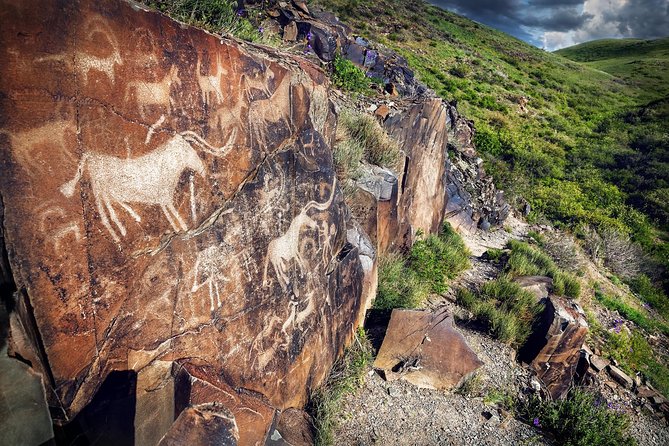
- UNESCO World Heritage at Tamgaly Gorge with petroglyphs from multiple eras
- 3 hours on site while you observe the available rock-art groups
- A strong guide experience: Nursultan is repeatedly praised for English and for pointing out details
- Cooling comfort on the ride with an air-conditioned vehicle and bottled water
- Plan for sun: the visit is outdoors with no shaded areas
- Lunch is on your schedule (bring snacks or plan for a roadside café)
UNESCO Tanbaly Gorge: Why This Petroglyph Site Matters
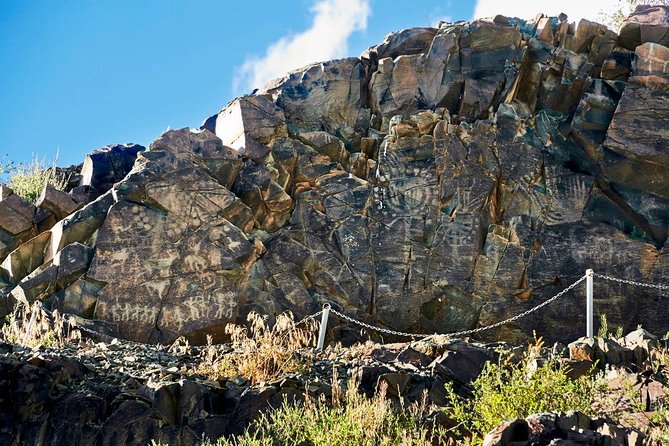
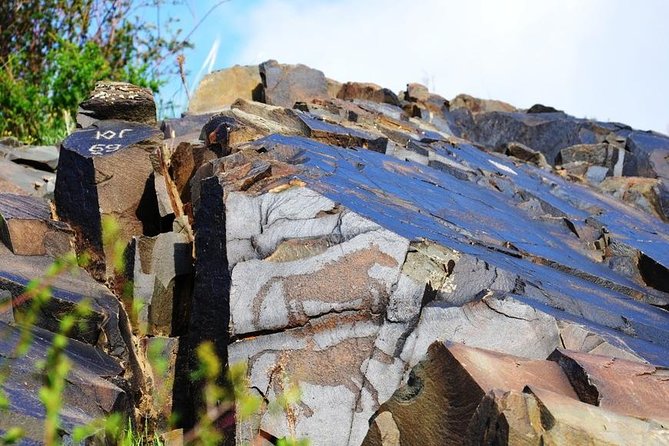
Tamgaly Gorge is one of those places where the setting does half the work for you. You’re not looking at petroglyphs in a clean, controlled museum hall. You’re out on a vast reserve with hills, canyons, and rock faces, and the carvings sit where people once gathered, worked, and expressed beliefs. That physical context makes the art feel less like an exhibit and more like a record left in the landscape.
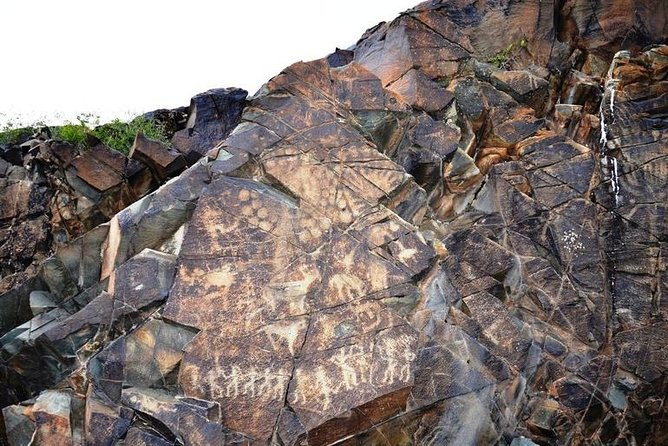
What makes the UNESCO status feel deserved is the time span. The petroglyphs here cover several eras, starting from the Bronze Age and continuing through the 13th–14th centuries. In practical terms, that means you’re not just seeing one style of rock art. You’re seeing evidence that different generations returned to these same kinds of places and added their own marks.
There’s also something quietly satisfying about how the tour is structured. You’re taken to see the available groups of petroglyphs rather than doing a quick drive-by. That longer, guided viewing time helps you build connections between what you see and the explanations you get.
Price and Logistics: What You’re Actually Paying For
At $131.12 per person, the price isn’t just about reaching the site. You’re paying for the whole day structure: hotel pickup, air-conditioned private transport, bottled water, admission included for the main stop, and a professional guide.
Here’s where the value becomes clearer:
- Admission to the petroglyph museum-reserve is included, so you’re not juggling extra ticket costs once you’re on the ground.
- Bottled water (1.5L per person) matters because the site is outdoors, and the sun factor is real.
- Private transportation is a big deal for a spot that isn’t easy to reach by public routes. A direct, planned transfer beats piecing together your own timing.
The one thing to watch is lunch. It’s not included, so you should budget either for snacks you bring or a stop at a local roadside café if the schedule allows. If you skip food entirely, you’ll feel it by mid-day.
Hotel Pickup and the 2.5-Hour Drive to the Reserve
Your day starts in the morning with hotel pickup in Almaty. The drive is about 2.5 hours to reach the museum-reserve area. That time matters because it sets expectations: you’re committing to a true excursion, not a quick half-day.
Inside the vehicle, you’ll have a comfort advantage—air-conditioned transport—which is especially useful in warm seasons when you’ll later step into full sun. Also, you’ll have bottled water ready, so you’re not forced into convenience-store shopping right away.
If you’re the type who likes to get oriented early, arrive with a little patience. You’re heading toward a site built on hills, canyons, and rock formations, and the viewing really hits once you’re in the right terrain.
The Tamgaly Gorge Stop: 3 Hours of Rock Art in Multiple Eras
This tour’s heart is the Tamgaly Gorge visit, scheduled for about 3 hours. That’s enough time to slow down and actually read the rock art instead of rushing your eyes across hundreds of marks.
You’ll see petroglyph groups from different time intervals, from the Bronze Age all the way to the 13th–14th centuries. The carvings weren’t made at one moment and then abandoned forever. Instead, the site reflects long-term attention—people returned across centuries and added their own imagery.
A few practical notes about how that plays out on your hike:
- Expect walking and standing on uneven ground, since you’ll be observing carvings across a reserve rather than in one flat courtyard.
- Plan for moderate physical fitness. The tour doesn’t present it as extreme, but it does assume you can handle outdoors walking without issues.
- Bring your best eyes early. If you’re sensitive to sun, start with protection and keep hydrated, because you’ll still want to focus on details even later in the visit.
What you’ll leave with is more than a few photos. You’ll have the feeling of stepping into a layered timeline where the same rock surfaces hold messages from very different worlds.
How the Guide Helps You See What You’d Miss on Your Own
Petroglyphs can be tricky at first glance. Some carvings pop immediately; others are faint, partially weathered, or easy to overlook if you’re scanning too fast. This tour solves that problem with a professional guide who helps you connect the visual to the story.
The reviews put real emphasis on interpretation and sighting technique—especially with guides named Nursultan (and variants such as Nur Sultan/Noor Sultan). The consistent theme is that the guide points out petroglyphs you might otherwise miss, and then explains them in a way that makes the site feel understandable rather than random.
One extra detail that’s worth highlighting: the explanations don’t stop at identifying figures. The guide may also talk about rituals associated with the site—so you start thinking about how people used these places, not just what they carved.
For you, that means the tour is more than a transport-and-ticket package. It’s a guided viewing experience that can turn confusion into clarity.
Sun-Ready Packing Tips (You’ll Be Glad You Did)
If you remember just one thing: there are no shaded areas. That warning isn’t optional—sun exposure affects comfort and your ability to focus.
Here’s what I’d pack for this kind of outdoors rock-art visit:
- Sunscreen (high protection) and lip balm if you burn easily
- A hat or cap plus sunglasses
- A light long-sleeve layer if you’re heat-sensitive
- Snacks in case you get hungry before lunch plans work out
Good news: you do get 1.5L of bottled water per person, which is a lifesaver on long days outdoors. But water doesn’t replace shade and sun protection. You’ll still want that basic kit.
Also consider shoes. You’ll be spending hours in terrain tied to hills and rock formations. Sturdy footwear will keep you comfortable and confident.
Timing: An 8–9 Hour Day That Stays Focused
The tour runs about 8 to 9 hours total. That can sound long until you map it out: a morning drive, the main 3-hour on-site visit, and time for the return.
The structure keeps the day from turning into chaos. You’re not bouncing between multiple attractions. Instead, you get one big meaningful stop, which is often better for rock-art sites. When you’re staring at carvings, concentration matters.
If you’re deciding whether this fits your energy level, plan around the outdoor time. Most people can handle the day if they treat the sun seriously and bring snacks. If you hate long hot outings, then this one might feel like hard work.
Who This Tour Suits Best (And Who Should Rethink It)
I think this tour is a strong match if you want:
- Authentic, outdoors archaeology rather than a quick scenic stop
- A guided interpretation so you understand what you’re seeing
- A day trip that solves transport problems with hotel pickup and private transport
- A UNESCO site visit without having to plan complex logistics on your own
It may be less ideal if you:
- Strongly prefer shaded attractions or short outdoor segments
- Need a very light walking experience (the route involves outdoor observation across the reserve)
- Want lunch fully handled by the tour (you’ll need your own snacks or a roadside option)
Weather and Best-Case Scenarios
This experience depends on good weather. If conditions aren’t suitable, the tour may be canceled and you’ll be offered another date or a full refund.
For you, that means flexibility helps. If your schedule in Almaty is tight, consider booking with enough buffer to accept a change. Rock art stays rock art even on cloudy days, but visibility and comfort can vary, and the operator is clearly set up to prioritize safe, workable conditions.
Should You Book Tanbaly Petroglyphs?
Yes, I’d book it if you want a UNESCO-tagged petroglyph experience that gives you time to actually see the carvings and understand what they might mean. The value is helped by the included admission, bottled water, and the guide role that makes a big difference in spotting and interpreting rock art.
But book with eyes open about the practical reality: this is an outdoor day with limited shade and a true drive. If you come prepared for sun, bring some food, and don’t mind a moderate level of walking, you’re likely to feel like you got a meaningful cultural visit rather than a hurried stop.
If you want, tell me what month you’re going and your comfort level with heat and walking, and I’ll help you judge whether this is the right day trip to fit your trip pace.
FAQ
How long is the Tamgaly Gorge petroglyph tour?
The experience lasts about 8 to 9 hours in total, with the Tamgaly Gorge museum-reserve visit taking about 3 hours.
Is hotel pickup included?
Yes. Pickup from your hotel is offered.
What’s included in the tour price?
The price includes air-conditioned vehicle, private transportation, bottled water (1.5L per person), all fees and taxes, a professional guide, and admission ticket for Tamgaly Gorge.
Is lunch included?
No. Lunch is not included. You can bring snacks or a lunch box, and you can also stop at a local roadside café.
Do I need to buy a ticket for the UNESCO site?
You don’t need to buy the admission ticket separately for Tamgaly Gorge because it’s included.
Is there shade at the petroglyph reserve?
Plan for very little shade. You should use sunscreen on sunny days.
What fitness level do I need?
A moderate physical fitness level is recommended.
What if the weather is bad?
This experience requires good weather. If it’s canceled due to poor weather, you’ll be offered a different date or a full refund.
Is the tour private?
Yes. It’s a private tour/activity, meaning only your group participates.