REVIEW · BALI
Bali: Tanah Lot UNESCO World Heritage Sites Full-Day Tour
Book on GetYourGuide →Operated by TripGuru · Bookable on GetYourGuide
Bali is best seen in a full-day loop. This tour strings together major UNESCO sights, from royal temple water gardens to crater-lake views, then finishes with Tanah Lot sunset. I like that the day feels paced by a guide who can keep things calm on Bali’s roads, with drivers praised by name such as Didik, Dewar, and Alit. One drawback to plan for: it’s a long 10 hours, so you’ll feel the drive time, especially if your pickup puts you early.
My favorite part is the mix of temples and working countryside. Jatiluwih rice terraces aren’t just pretty photos; you see how people still farm these hills in a way that looks built for the long run. Just keep in mind the sites have dress rules, and the tour asks you to be ready with long pants, covered shoulders, and a sarong/scarf backup.
In This Review
- Key highlights worth planning around
- The UNESCO combo that works when you only have one day
- Pickup, timing, and why that 10 hours feels longer than it sounds
- Pura Taman Ayun: the royal water temple that sets the tone
- Ulun Danu Bratan at Lake Bratan: crater-lake magic with meaning
- Jatiluwih rice terraces: terraced paddy farming that still makes sense
- Lunch at a local restaurant: eat well, stay loose
- Tanah Lot Temple: the sea-edge finale you remember
- Price and value: is $40 worth it for four UNESCO stops?
- Small-group guides: why you’ll feel the difference
- What to pack and how to handle Bali’s temple dress rules
- Who this tour suits, and who should skip it
- Should you book it?
- FAQ
- How long is the Bali UNESCO full-day tour?
- Does the tour include hotel pickup and drop-off?
- What’s included in the price?
- What should I bring for temple visits?
- Is the group size small?
- Are there entrance fees if I don’t choose the inclusive option?
Key highlights worth planning around
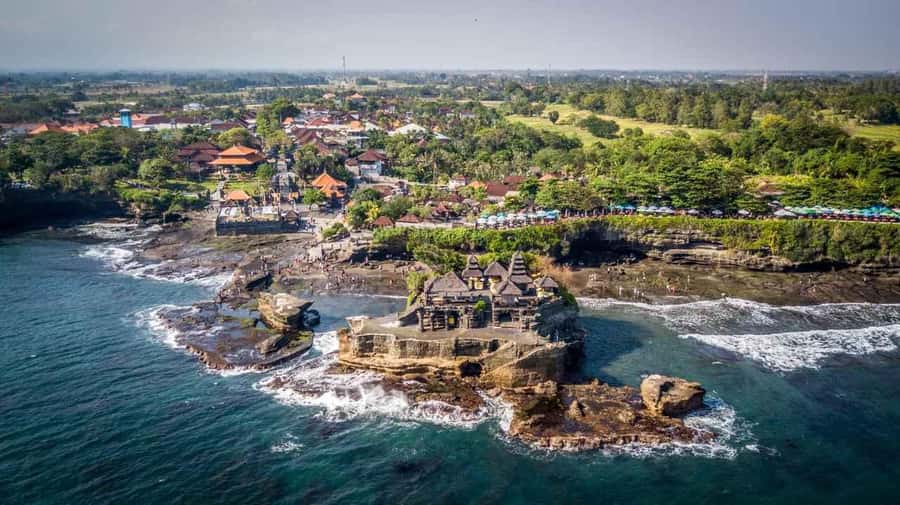
- Tanah Lot at sunset: dramatic sea-edge temple views with the right timing built into the day
- Pura Taman Ayun: Bali’s largest royal water temple, tied to UNESCO significance and strong architecture
- Lake Bratan crater setting: stand above the water at Ulun Danu Bratan, said to be the origin of springs and rivers
- Jatiluwih rice terraces in action: see terraced paddy farming that still relies on local, sustainable practice
- Small group limit of 5: more room for questions and photo stops than big buses
- Air-conditioned vehicle + hotel pickup: practical for a day that runs 10 hours
The UNESCO combo that works when you only have one day
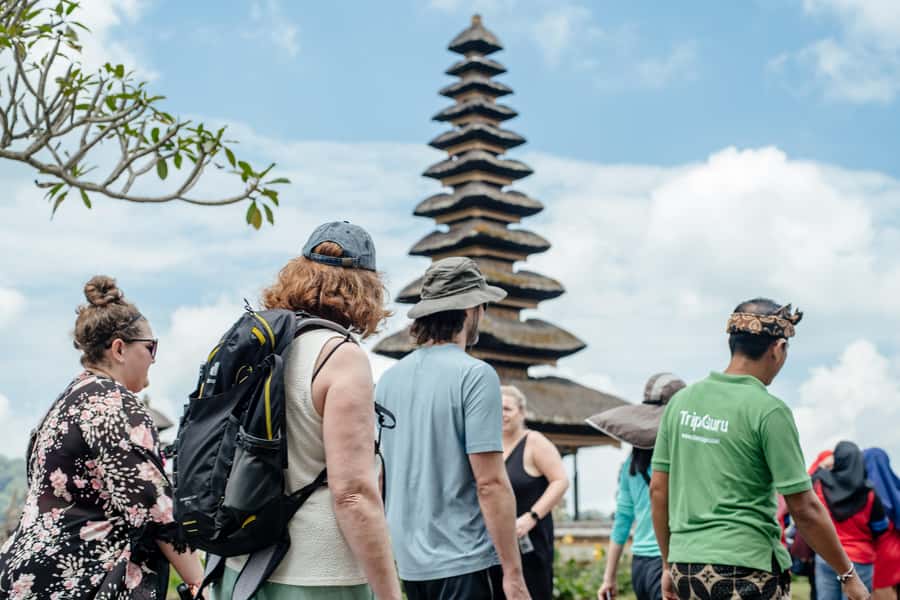
This is the kind of day trip that’s made for first-timers. You get four of Bali’s headline experiences without bouncing around on your own schedule. The flow matters: the morning temples come first, the rice terraces come mid-day, and Tanah Lot gets saved for the sunset moment.
What I like most is how the tour connects three themes that can feel separate when you plan alone: water (temples and springs), land (terraces and farming), and sea (Tanah Lot’s sea-god setting). You’ll start with a royal water temple garden, then move toward a crater lake fed by Bali’s springs, then end where the island meets the ocean.
You can also read our reviews of more historical tours in Bali

Pickup, timing, and why that 10 hours feels longer than it sounds
You start with hotel pickup and end with hotel drop-off. The day runs about 10 hours, and the exact pickup time depends on where you’re staying. The driver contacts you the evening before to confirm the time, and you’ll wait at your hotel lobby.
Two practical points:
- Expect a full day logistically, not a relaxed half-day.
- The tour is designed to hit sunset, so you’ll likely still be out late compared to what you may want after a beach morning.
The good news: the vehicle has air-conditioning, and the group stays small (limited to 5 participants). Also, water is included, which helps when the day starts warm.
If you’re a planner, build a mental buffer: in Bali, road time is real. One review even suggests leaving your accommodation early to help with traffic. So if you’re thinking of stacking another activity the same evening, don’t.
Pura Taman Ayun: the royal water temple that sets the tone
Your first major stop is Pura Taman Ayun, a royal water temple. It’s from the 18th century, and it’s described as Bali’s largest and most architecturally distinguished shrine of its type under UNESCO recognition.
This is a smart first move. You’re fresh enough to notice details, and the setting is calmer than a sunset crowd. As you tour with your guide, you’ll also get the cultural context behind why water temples matter in Balinese worship life, and you’ll see how the design supports ritual and flow.
What to watch for:
- This is one of those sites where good shoes help more than you’d expect.
- Dress rules can be strict at temple sites, so your outfit matters early, not only at the last stop.
Time on site is about 95 minutes at this stop, which gives you room to walk, pause for photos, and still stay on schedule.
Ulun Danu Bratan at Lake Bratan: crater-lake magic with meaning
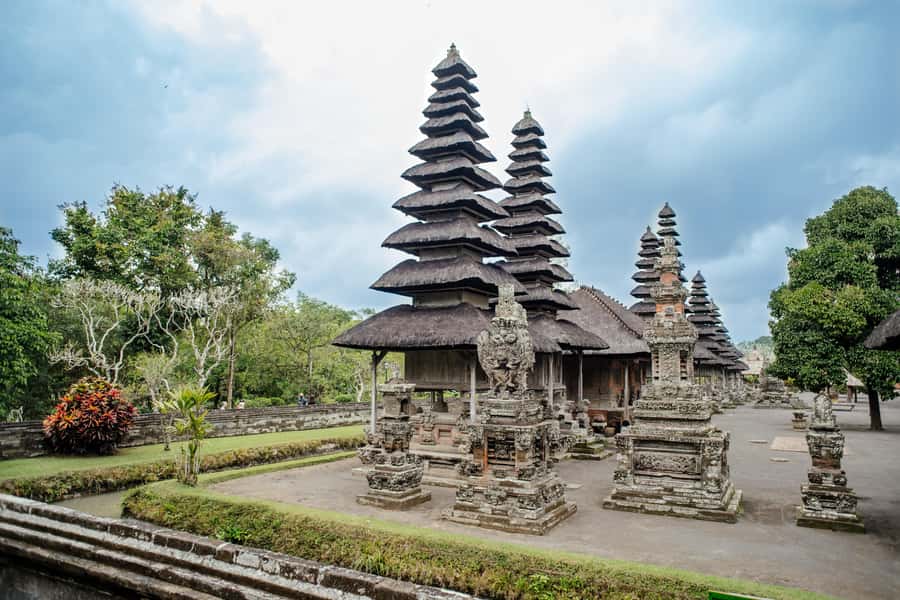
Next comes Pura Ulun Danu Bratan near the edge of Lake Bratan. Here, the scenery is the headline, but the tour also frames it with the temple’s spiritual role: the lake is regarded as the ultimate origin of every spring and river in Bali.
This is where you’ll understand why water is such a big theme on this island. You stand with views over the crater lake, then you shift your attention back to what the temple represents within that water system. It’s a rare combo: “wow, look at this” and “okay, now I get why it’s here.”
Time on site is about 2 hours, so it’s not just a quick photo stop. You can take a slow route around the viewpoints, and your guide can explain the meaning of key elements you’ll notice as you move.
One tip from the tour’s overall style: don’t rush your questions here. The lake-and-temple setting is big-picture, and a clear explanation helps the place stick in your memory instead of just becoming a scenic checkbox.
Jatiluwih rice terraces: terraced paddy farming that still makes sense
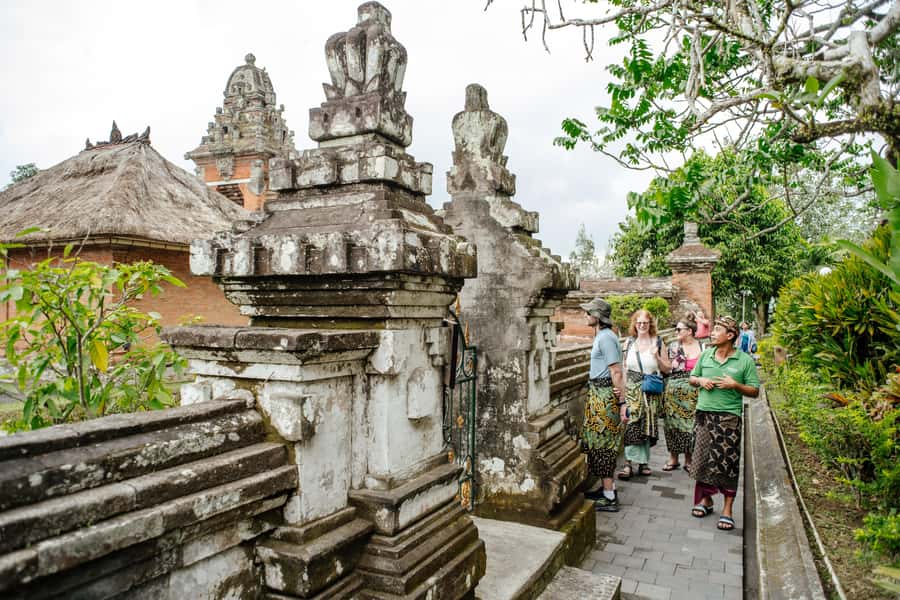
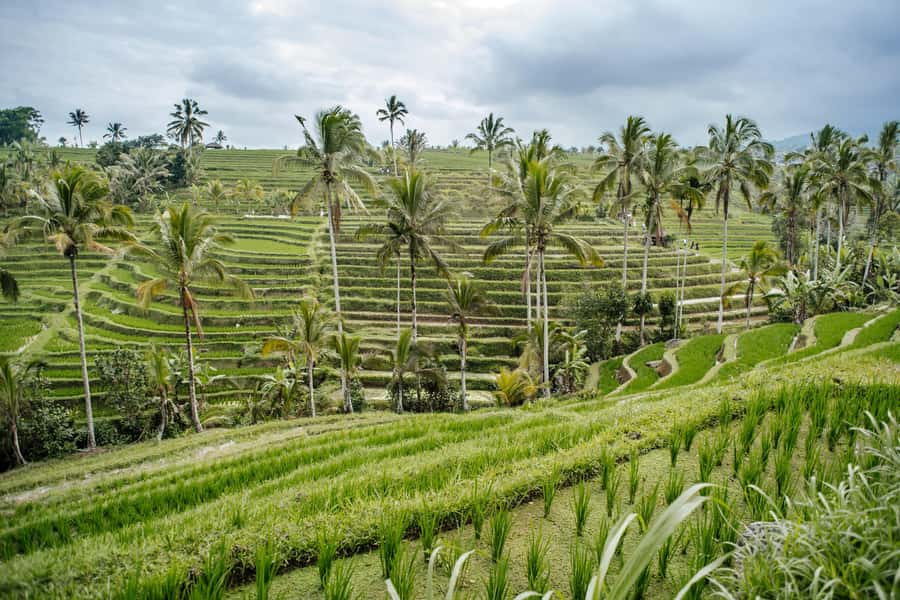
After lunch, you head to Jatiluwih Rice Terraces, one of Bali’s oldest and best examples of terraced paddy scenery. The main reason this stop lands so well is that it’s not staged in the way some “look at this from a viewpoint” attractions can feel.
You’re visiting a living system. The tour highlights that local communities still practice sustainable farming here. That matters because it changes how you look at the terraces. Instead of treating them like a backdrop, you start noticing the practicality: how the terracing shapes the land, how water and cultivation work together, and how the fields connect daily life to the environment.
On time: the stop is listed at about 30 minutes. That’s short, so your best move is to focus. If you can, pick one or two angles for photos rather than trying to see everything at once. Ask your guide which spots are best for views and where the best lines are for your camera.
If you’re the kind of person who likes to slow down, keep an eye out: because the group is small, guides often find room for small adjustments. Some feedback also mentions extra add-ons on certain days (like surprises such as waterfalls or coffee plantation stops), but don’t count on that. Use it as a bonus if it happens.
Lunch at a local restaurant: eat well, stay loose
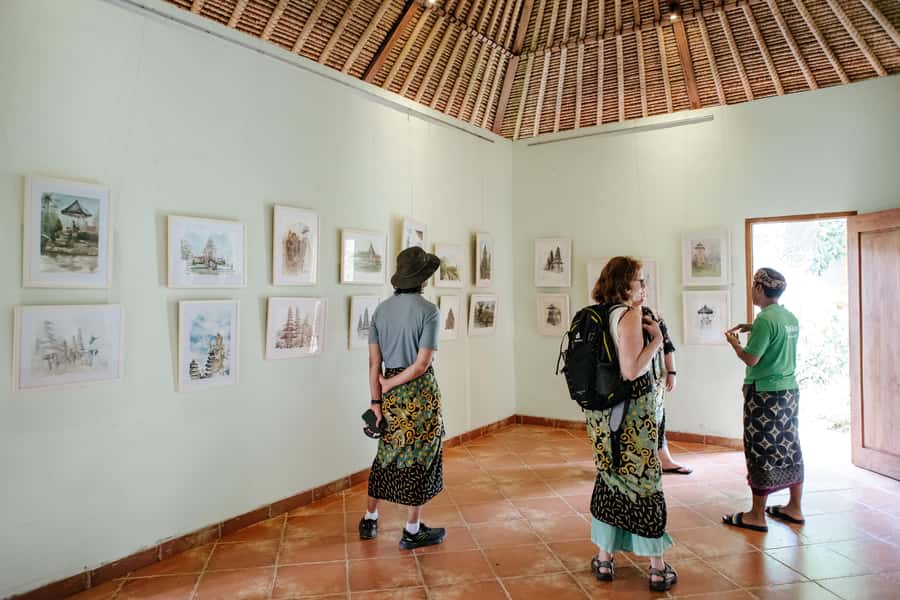
Lunch is included as a 1-hour break at a local restaurant. The goal here is simple: give yourself energy without dragging the day.
Keep expectations realistic. This tour doesn’t position lunch as a culinary mission. It’s there so you can keep walking comfortably through the rest of the day, especially if the temples and terraces make you sweat a bit.
Practical move: if you’re sensitive to heat, choose something that settles your stomach and hydrate before you head back out. You’ll appreciate it later when the timing pushes you toward sunset.
Tanah Lot Temple: the sea-edge finale you remember
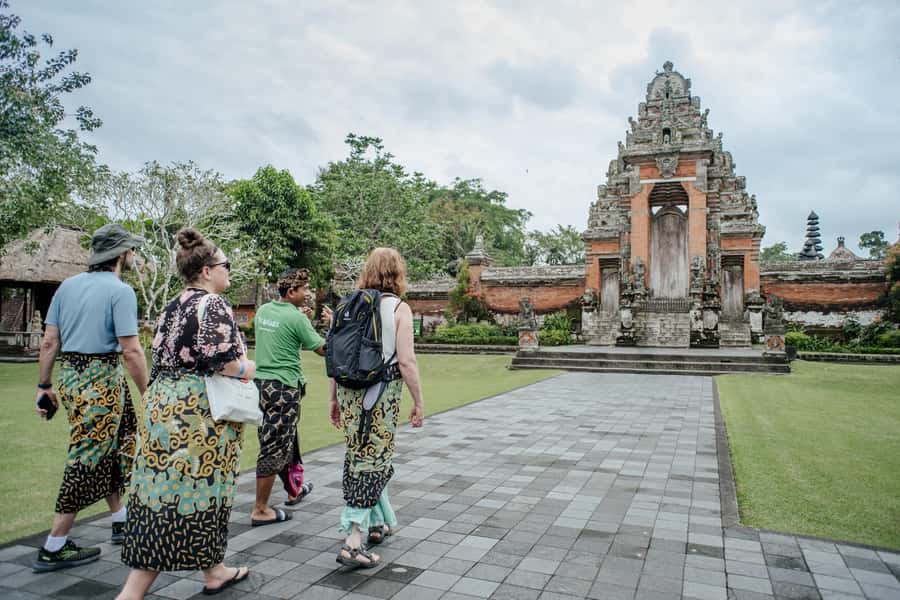
The last stop is Tanah Lot Temple, where the tour is built around Bali’s best sunset chance. “Tanah Lot” means land in the sea in the local language, and the temple sits on the edge of the water. The tour also notes that people have been worshipping sea gods here for centuries, so the atmosphere isn’t just about the view.
This stop is famous for a reason. You get the dramatic setting, plus the sense that you’re watching a living practice anchored to the coastline. Even if you’re not the type to get emotional about temples, the light and the tide-side drama make it hard to be bored.
Time on site is about 1.5 hours. That’s enough to arrive, find a good spot, and settle in as the sky changes. The best strategy is to stay flexible with your photo timing: take one set early, then keep your camera down for a few minutes so you can actually see the sky without looking through glass the whole time.
Price and value: is $40 worth it for four UNESCO stops?
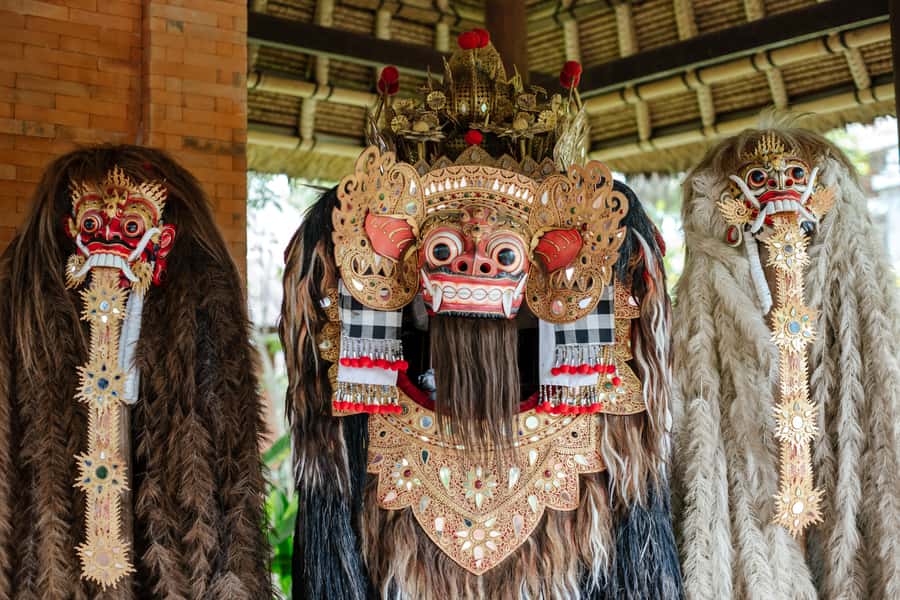
At $40 per person for a 10-hour day with hotel pickup/drop-off, a small-group format (up to 5), an air-conditioned vehicle, an English-speaking guide, and water, the value looks strong.
What you’re really paying for:
- Convenience: you don’t have to manage driving, routing, or timing.
- Coverage: you hit major UNESCO-recognized sites in one day instead of spending your limited Bali time piecing together multiple half-days.
- Guidance: the guide role matters at temples and culturally loaded sites, where an explanation can turn photos into understanding.
Two cost details to watch:
- Entry fees can be included depending on the option you select.
- If you don’t choose the inclusive option, plan for entrance fees (around IDR 210K per person). Having some cash helps.
If you compare “transport + guide + timed sunset + multiple UNESCO stops” against doing it piece by piece, the math usually favors this style of tour—especially if you want the sunrise/sunset rhythm without the stress.
Small-group guides: why you’ll feel the difference
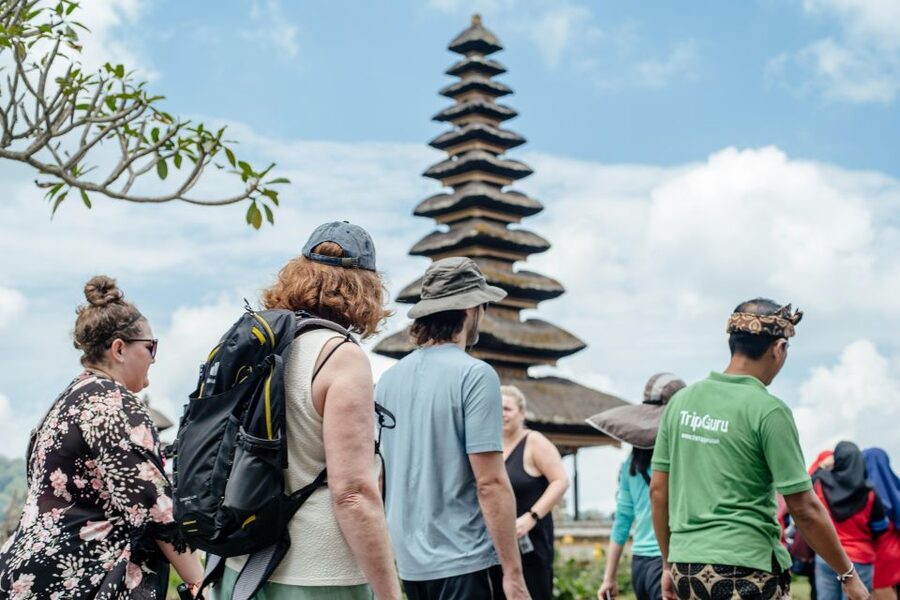
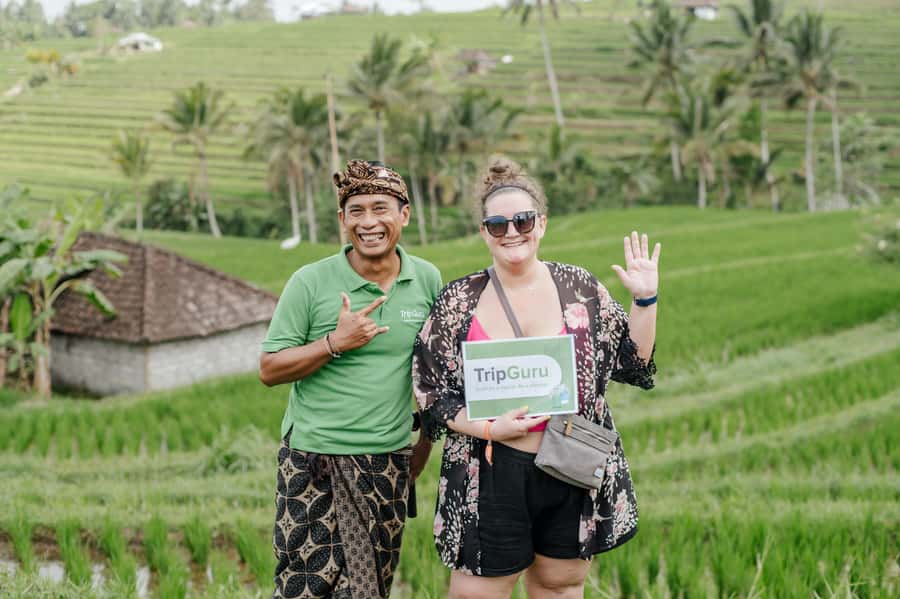
This tour runs with small group size (limited to 5). That changes the experience in practical ways. You can ask questions without feeling like your guide is rushing to the next bus stop, and you can get help with photos at the best angles.
The feedback includes lots of specific guide praise. Names that come up include Didik, Dewar, Alit, Made Pasek, and Nyoman Sudarma, with repeated themes like:
- Calm, careful driving
- Clear explanations about the sites and Balinese culture
- Helping with photos and videos
- Not rushing people through the sites
Also, because some days may end up with fewer people than expected, the tour can feel more custom than you’d think for a “group” product.
What to pack and how to handle Bali’s temple dress rules
Temple dress codes are not optional on this route. Some sites enforce rules strictly, including restrictions on revealing shoulders, underarms, back, and knees.
Bring a fallback:
- A sarong/scarf/sweater to cover up, or wear clothing that already fits the rules.
- Long-sleeved shirt and long pants are listed as recommended items.
- Comfortable shoes matter because you’ll be walking.
Also pack smart for outdoors time:
- Sunglasses, hat, sunscreen
- Insect repellent
- Camera
- Cash (useful for entrance fees if needed)
- Long day means you’ll want to be comfortable in the heat
And one logistics note: luggage or large bags aren’t allowed. If you’re traveling with bulky items, plan to keep them out of the day’s hands.
Who this tour suits, and who should skip it
This is a great fit if you:
- Want a one-day “greatest hits” introduction to Bali’s UNESCO highlights
- Prefer a small group with an English-speaking guide
- Care about cultural context, not just screenshots
- Plan your day around a proper sunset moment
It’s not a good match if you have:
- Heart problems
- Respiratory issues
- Mobility impairments
That’s not about attitude; it’s about the physical demands of a full-day route with temple walking and travel time.
Should you book it?
Yes, if you want your first Bali day to feel purposeful. This tour hits four major sights that connect water temples, crater-lake meaning, working terraced farming, and a sea-edge sunset finish. For $40 with pickup/drop-off and a small-group guide, it’s a strong value, especially if you don’t want the stress of coordinating transport and timing yourself.
Book it with realistic expectations: it’s a full 10 hours, you’ll follow a schedule, and you need to come dressed for temple rules. If you’re ready for that tradeoff, you’ll likely come away with both photos and a better sense of how the places fit together.
FAQ
How long is the Bali UNESCO full-day tour?
The tour lasts about 10 hours.
Does the tour include hotel pickup and drop-off?
Yes. Pickup and drop-off are included, and the pickup time depends on where you’re staying. The driver contacts you the evening before.
What’s included in the price?
Included items are hotel pickup and drop-off, an English-speaking tour guide, an air-conditioned vehicle, entry fees depending on your selected option, and water. Meals are not included.
What should I bring for temple visits?
Bring comfortable shoes, sunglasses, a hat, a camera, sunscreen, insect repellent, cash, and long-sleeved clothing/long pants. Also bring a sarong/scarf/sweater or wear clothes that meet the dress code.
Is the group size small?
Yes. The tour is limited to 5 participants, making it feel more like a guided day out than a large bus trip.
Are there entrance fees if I don’t choose the inclusive option?
If you don’t choose the inclusive option, you’ll need cash for entrance fees, listed as around IDR 210K per person.