REVIEW · VIENNA
Time Travel-Magic Vienna History Tour Ticket
Book on Viator →Operated by Time Travel Vienna · Bookable on Viator
Vienna doesn’t have to be all walking and lectures. This indoor Time Travel Vienna show uses 5D cinema and hands-on tech to move you through Roman camps, Habsburg glory, plague-era fear, and WWII-era survival. I like that it’s built for short attention spans and big questions alike. One possible catch: it’s not a slow, realistic museum. If you want hard history with zero special effects, you may feel it’s more show than documentary.
What really makes it worth the money is the range of set pieces in just about an hour, plus the fact you can switch how you listen. You get an audio setup that supports 10 languages, and you can also follow along in German. The other watch-out is group dynamics: when kids aren’t well managed, it can break the mood and make translations harder to follow.
In This Review
- Key highlights that make this show different
- A 400-Year-Old Vault Turns Vienna’s Story Into a Fast, Feelable Show
- Price and timing: what $27.76 gets you (and what it doesn’t)
- Entering Time Travel Vienna: your first cue is the tech mix
- Stop 1: the time-travel pathway through Roman Vindobona
- Habsburgs, a plague pit, and a show that uses fear responsibly
- Mozart and Strauss moments: connecting characters to the city
- WWII on stage: the air-raid shelter and what you should expect
- Virtual fiaker ride: seeing landmarks without leaving the building
- Audio in 10 languages and German options: how to pick the best way to listen
- Group size, pacing, and the kid-factor (good and bad)
- The value test: is it worth $27.76 for you?
- Who this suits best in Vienna (and who might skip)
- Should you book Time Travel Vienna?
- FAQ
- How long is the Time Travel Vienna history show?
- What language options are available?
- Is the ticket mobile?
- Where does the tour take place?
- What’s included in the ticket price?
- Are there any restrictions on bringing animals?
- Can I cancel for a refund?
Key highlights that make this show different
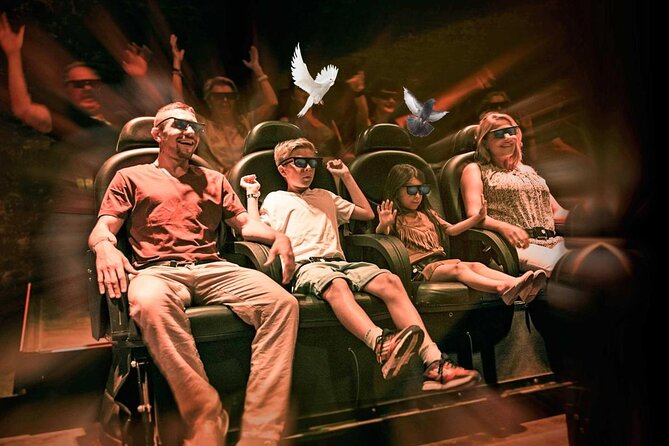
- 5D cinema and VR goggles: high-impact visuals that replace long explanations
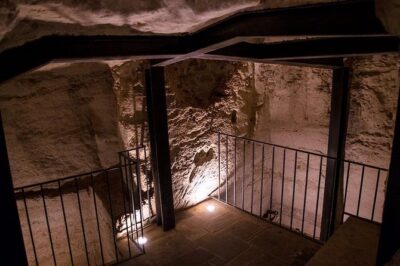
- Historic vaults at Michaelerkloster: the building adds atmosphere before the show even starts
- Spinning waltz-car ride: a fun way to connect Vienna to music history
- Air-raid shelter sequence: WWII themes are presented through a staged, interactive moment
- Virtual fiaker ride: a quick hit of landmark-viewing without stepping outside
A 400-Year-Old Vault Turns Vienna’s Story Into a Fast, Feelable Show
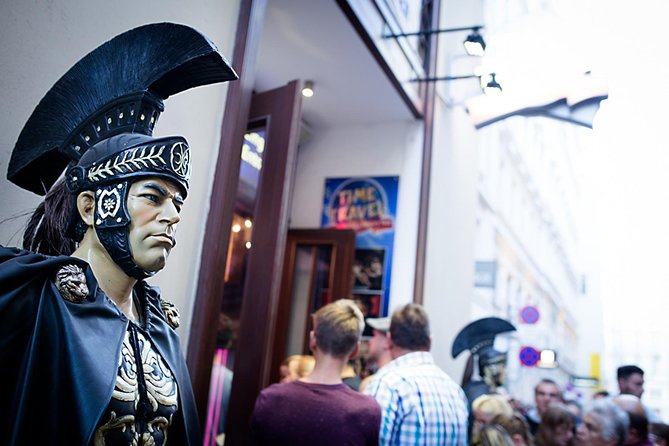
Time Travel Vienna runs in the historic vaults of the 400-year-old Michaelerkloster. That setting matters. Even before the first screen, you’re in a place that feels made for stories, not just tickets and lines.
The format is straightforward: you move through themed rooms while a live guide and audio narration guide you. It’s designed to keep the pace up, which is great if you only have a day to sample Vienna’s eras without packing in four museums.
Yes, there are moments of humor and lightness. But the themes also cover Vienna’s darker stretches, including plague-era life and an air-raid shelter experience tied to WWII.
A few more Vienna tours and experiences worth a look
Price and timing: what $27.76 gets you (and what it doesn’t)
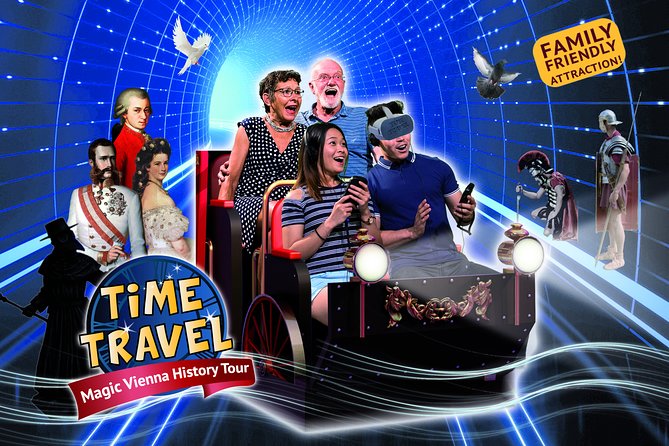
The ticket price is $27.76 per person, and the tour lasts about 1 hour. That’s a key value point. You’re paying for an organized, tech-heavy history experience that stays contained—no wandering, no ticket-hunting, no “which stop next?” math.
Most days you’ll see departures booked roughly 10 days in advance, so plan to lock in your slot if your dates are tight. The group size is capped at 32 travelers, which is small enough to feel like a guided experience instead of a cattle-car show.
What it doesn’t promise is deep, slow scholarship. The whole experience is meant to be broad and fast. If you’re hoping for a museum-grade, footnote-heavy WWII deep dive, you might feel the timeline moves on quickly.
Entering Time Travel Vienna: your first cue is the tech mix
The show opens with you stepping into an interactive timeline, supported by state-of-the-art tech like a 5D cinema, virtual reality, and animatronics. Reviews and the show design point to a strong focus on visuals—3D effects, hologram-style elements, and realistic figures (like wax figures) that help scenes feel tangible.
This is where the experience either clicks or doesn’t. If you enjoy learning through scenes—video, sound, motion, and rides—this setup is a win. If you prefer quiet reading rooms and original artifacts, you’ll likely have less patience for the theatrical presentation.
A practical tip: go in ready to listen. Between the guide and the audio track, you’ll get the best results if you don’t half-tune it while checking your phone.
Stop 1: the time-travel pathway through Roman Vindobona
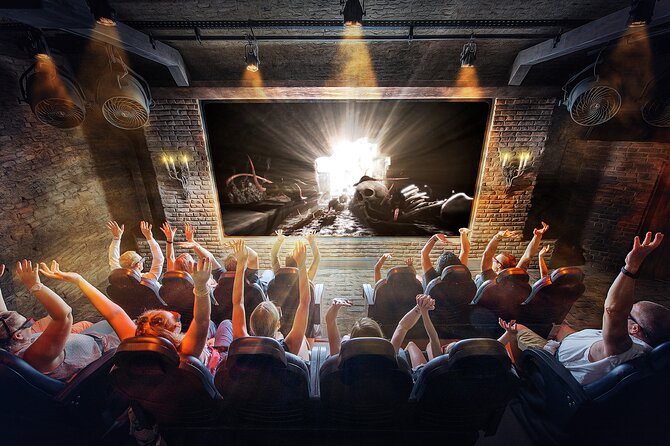
The main journey starts with Time Travel Vienna in the vaults, where you travel into the time of the Roman camp Vindobona. You follow a storyline through different eras rather than sampling random exhibits.
This Roman segment is important because it gives you a foundation. Vienna’s later identity doesn’t appear out of nowhere; you’re being shown the city’s roots as part of a long thread. The show’s special effects and staged characters are meant to help you form a mental map, not memorize dates.
The drawback here is the same as the whole experience: it’s curated into a show format. It won’t satisfy someone looking for granular details about Roman daily life. Think “high-impact orientation” more than “encyclopedia.”
Habsburgs, a plague pit, and a show that uses fear responsibly
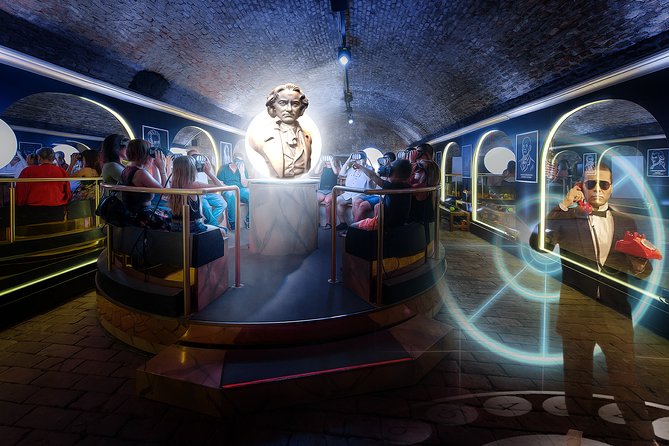
Next you move along the footsteps of the Habsburgs and into a plague pit. Those choices shape how you remember Vienna. The Habsburg section ties the city to power and culture, while the plague era brings Vienna’s vulnerability into focus.
The show uses animatronics and visuals to make those themes feel immediate. In practice, that can be a good compromise for families: kids learn the story without it being dry. It’s also a way for adults to get a clearer sense of mood—what daily life could feel like when disease is around you.
One thing to keep in mind: this is still a staged attraction. So if you’re someone who needs a purely realistic historical portrayal, you may view it as slightly softened or simplified.
You can also read our reviews of more historical tours in Vienna


Mozart and Strauss moments: connecting characters to the city
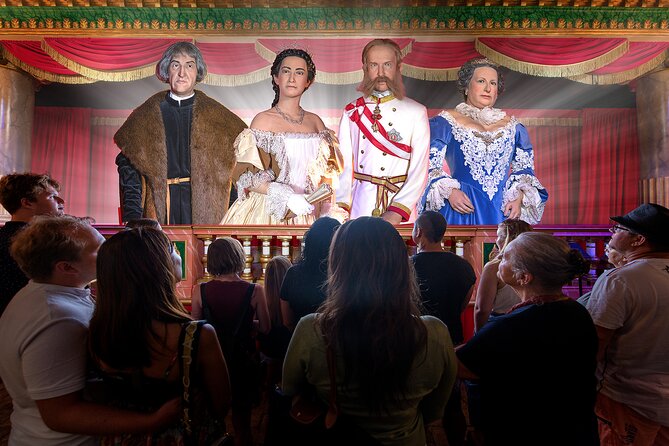
One of the most fun features is meeting Mozart and Strauss during the time-jumps. This isn’t just name-dropping. It’s a way to tie Vienna’s music identity to a narrative you can recall later when you see concert halls or hear classical pieces in the city.
The show also includes a spinning waltz car ride that highlights Vienna’s musical heritage. That kind of movement-based “learning” is exactly why the experience works as a break from sightseeing. You’re not only reading about music. You’re feeling something physical that matches the theme.
For people who already love Vienna’s musical legacy, this part can feel like the best “light switch” moment of the tour. For people less interested in classical music, the show still gives a quick cultural framework.
WWII on stage: the air-raid shelter and what you should expect
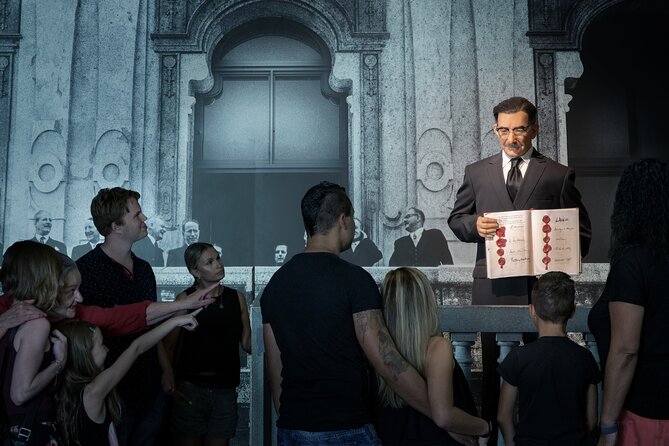
Then comes one of the heavier sequences: an original air raid shelter moment, plus a look at what Vienna was like during a WWII bombing raid. The show is handling big subject matter through staged environments and immersive-style effects.
This is worth your time if you want a quick, emotional grasp of what survival might have meant—especially if you’re pairing it with later visits to memorials or WWII-related exhibits outside. It’s not designed to replace deeper history resources, but it can help you ask better questions later.
A balanced note: some people felt the WWII coverage could be more extensive. So if WWII is your top priority, treat this as a first look, not the final word.
Virtual fiaker ride: seeing landmarks without leaving the building
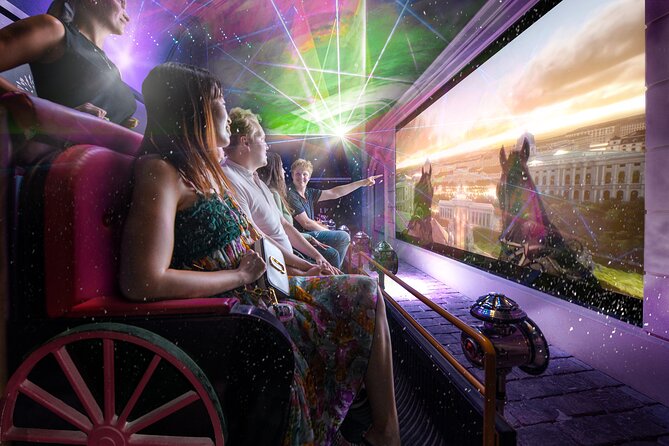
You also get a virtual fiaker ride that shows top Vienna landmarks in a new way. This is one of those clever time-savers: you get orientation and visual anchors without spending energy on transportation inside the city.
The show adds variety with a magical carriage ride that takes you back toward the present. That arc makes it easier to keep track of the learning theme: past to present, and how the city’s story shapes what you see today.
If you’re traveling with mixed interests—someone who wants landmarks and someone who wants history—this virtual sightseeing piece often helps everyone feel included.
Audio in 10 languages and German options: how to pick the best way to listen
One of the strongest practical values here is the language setup. Audio guides are available in English, Spanish, Italian, French, Japanese, Chinese, Russian, Hungarian, Polish, and Czech. That’s a full multilingual system rather than a single translated script.
Even better, you can listen in German with simultaneous headphones translation. So if you’re trying to practice German in Vienna but still want full comprehension, you can try it without taking a total gamble.
If you’re in a group, keep an eye on volume habits. When people start talking, it can ruin the translation experience because the audio and narration are central to the pacing.
Group size, pacing, and the kid-factor (good and bad)
The show caps at 32 travelers, and the reviews strongly suggest it works well for families. There’s VR, 5D effects, motion rides, and visual characters—so kids and teens usually stay engaged. Adults often appreciate that the history is packaged in a way that doesn’t feel like homework.
But there’s a real downside if the group is unruly. One review described kids that neither parents nor the guide could control, and that caused problems with listening and immersion. So if you’re sensitive to noise, choose a quieter time slot when you can.
If you’re traveling with younger children, this is a solid option because it’s contained and fast. If you’re traveling with older teenagers who want deeper historical analysis, plan to use this as a primer, then supplement with one or two focused museum visits afterward.
The value test: is it worth $27.76 for you?
Here’s how I’d judge value for your trip. At $27.76 for about an hour, you’re buying organization plus high production. You’re also buying relief from weather and from decision fatigue. For people with limited time, this can be a fast way to get bearings.
It’s most worth it if you:
- want a short indoor history experience instead of another long museum plan
- like learning through visuals and interactive set pieces
- are traveling with kids, teens, or mixed-age groups
- want quick connections to what you’ll see later around Vienna
It’s less worth it if you:
- want strictly realistic, low-theatrics presentations
- prefer slow, text-based history with minimal effects
- need a deep WWII timeline and specifics in one sitting
Who this suits best in Vienna (and who might skip)
Time Travel Vienna is a strong family and first-timer option. The format is built to keep people moving through scenes, and the show covers a wide sweep: Roman Vienna, Habsburg eras, plague-era life, music history, and WWII air-raid themes.
For solo travelers, it’s also a good rainy-day plan. You’ll leave with mental snapshots of eras, plus a few landmark images to connect to later walks.
For history purists, take it for what it is: a multimedia show that teaches through staging, motion, and modern presentation tools. You can still enjoy it, but don’t mistake it for a textbook.
Should you book Time Travel Vienna?
If you want a fun, fast, inside-the-building way to grasp Vienna’s story arc, I think it’s a smart booking. The biggest selling points are the combination of 5D cinema, VR, and the motion ride (that spinning waltz car), plus the fact that you can follow it in 10 languages.
I’d skip or consider another option if realism is your top priority, or if you’re traveling with enough time to do museum-style history instead. Also, if you’re worried about noise from a mixed group, pick your timing carefully.
Overall: for a one-hour stop that gives you clear visual anchors for Vienna’s major eras, this is good value.
FAQ
How long is the Time Travel Vienna history show?
It runs for about 1 hour.
What language options are available?
Audio guides are available in English, Spanish, Italian, French, Japanese, Chinese, Russian, Hungarian, Polish, and Czech. You can also listen in German with translated headphones.
Is the ticket mobile?
Yes, you receive a mobile ticket.
Where does the tour take place?
It takes place in Vienna, in the historic vaults of the Michaelerkloster, near public transportation.
What’s included in the ticket price?
Your ticket includes admission to Time Travel: The Vienna History Show. Hotel pickup and drop-off, and food and drinks are not included.
Are there any restrictions on bringing animals?
Bringing animals is not allowed at Time Travel.
Can I cancel for a refund?
Yes. You can cancel up to 24 hours in advance for a full refund. If you cancel less than 24 hours before the start time, the amount paid won’t be refunded.