REVIEW · MADRID
Black History Tour of Madrid: Heritage & Resistance
Book on GetYourGuide →Operated by Afroibérica Tours · Bookable on GetYourGuide
Madrid hides a whole Black story. This Black History Tour of Madrid pulls Afro-European presence—through slavery, colonization, the Moors, and resistance—into the center of your walk, using story-driven stops and conversation, not just facts on a plaque.
I especially like the way the tour frames Africa in Iberia as part of everyday Madrid, not a side topic. And I really value how the guide (often called Kwame) ties what you’re seeing—major landmarks, city layout, visible symbols—to the bigger question of who benefitted and who paid.
One watch-out: it’s only 2 hours, so if you want a slower, museum-style experience, you’ll likely crave more time after you reach Puerta del Sol.
In This Review
- Key takeaways before you go
- Madrid Black History Tour: Heritage & Resistance in 2 Hours
- Meet at Plaza de Isabel II: Getting Started in Central Madrid
- Royal Palace Photo Stop: Power, Trade, and Who Paid the Price
- Almudena Cathedral Stop: Guided Storytelling and Symbolic Madrid
- Walking the city with an Afro-European lens
- Ending at Puerta del Sol: You’ll leave with a different Madrid map
- Price and value: Is $41 worth it?
- What’s included, what’s not, and how to plan your day
- Who should book Afroibérica Tours, and who might want something else
- Should you book this Black History Tour of Madrid: Heritage & Resistance?
- FAQ
- Where is the meeting point for the tour?
- How long is the Black History Tour of Madrid: Heritage & Resistance?
- What languages is the live guide available in?
- What does the tour price include?
- Is food or drinks included?
- How much does the tour cost?
- Is the tour wheelchair accessible?
Key takeaways before you go
- Afro-European focus: Madrid viewed through Black presence and resistance in plain sight
- Real central landmarks: photo stops plus guided moments at major sights
- Story + visuals + conversation: not just a walking lecture
- Short but pointed: a focused 2-hour route that changes how you read the city
- Guide-led in English or Spanish: with a strong emphasis on symbolism
- Good for a range of ages: works well for families and teens when expectations are set
Madrid Black History Tour: Heritage & Resistance in 2 Hours
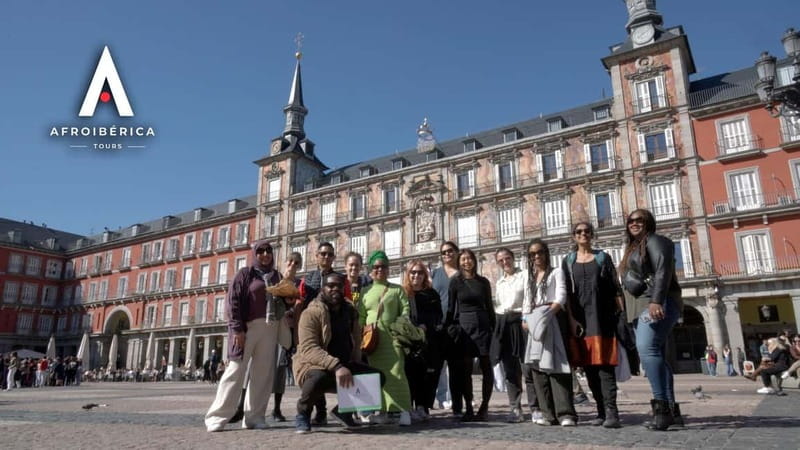
This tour is built for people who want Madrid without the usual only-one-story version of history. You start downtown, walk between iconic places, and hear how Black life and influence shaped what you’re looking at—past and present. The tone is direct. The goal is clarity, and the pacing is tight enough that you stay engaged instead of fading out halfway through.
The name Echoes of Africa matters here. It signals that this isn’t a generic heritage lecture. It’s specifically aimed at connecting Afro-European history to the city’s streets, architecture, and power. You’ll hear about Spain’s role in the Atlantic slave world—Spain was the penultimate territory to abandon slavery definitively—which helps explain why the traces still show up in the built environment and in cultural memory.
I like that the tour doesn’t treat this as a history you have to travel out of Madrid to find. You learn to notice the city as evidence. And you get tools for future walks, too: you’ll think in context, not just sightseeing boxes.
Still, because the tour is 2 hours, it works best as a strong first step. If you’re the type who wants to linger, take extra photos, and then process for another hour, plan a follow-up stop after the tour.
You can also read our reviews of more historical tours in Madrid



Meet at Plaza de Isabel II: Getting Started in Central Madrid
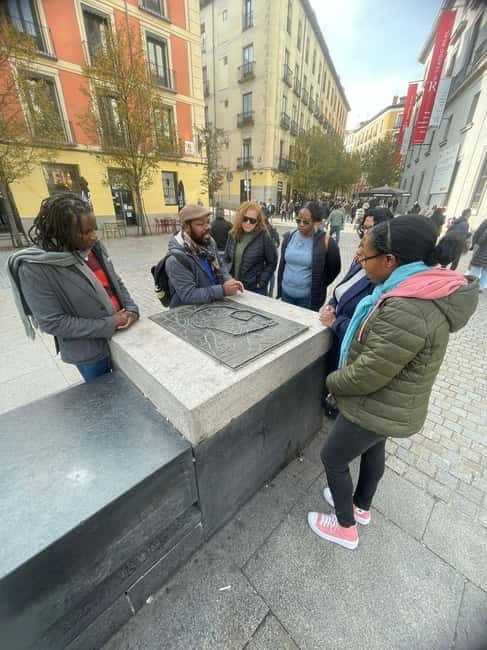
You meet outside Starbucks at Plaza de Isabel II, near the Metro Opera stop. That’s convenient because you can get there easily from multiple lines and you won’t waste time hunting for a meeting point deep in a side street.
From the start, you’re set up for a structured walk: photo moments, a safety briefing early on, and then a guided rhythm as you move to the next landmarks. That matters because Madrid’s center is busy—pedestrian traffic, quick turns, and lots of people taking photos. A clear flow helps you focus on the story instead of constantly checking where you’re supposed to be.
One practical tip: arrive a few minutes early. Even though this is a straightforward meeting spot, you want time to confirm the guide and get your bearings fast. Comfortable shoes also help a lot here, since you’ll be on your feet between major points in the city.
If you’re coming from outside the center and you’re tempted to show up late, don’t. This tour’s value is in how the guide builds meaning step-by-step. Missing the opening context makes the rest less powerful.
Royal Palace Photo Stop: Power, Trade, and Who Paid the Price
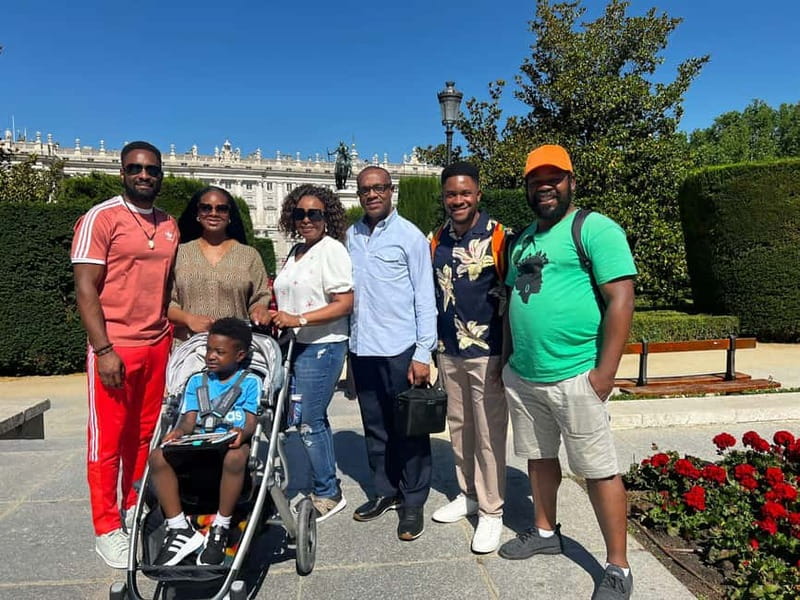
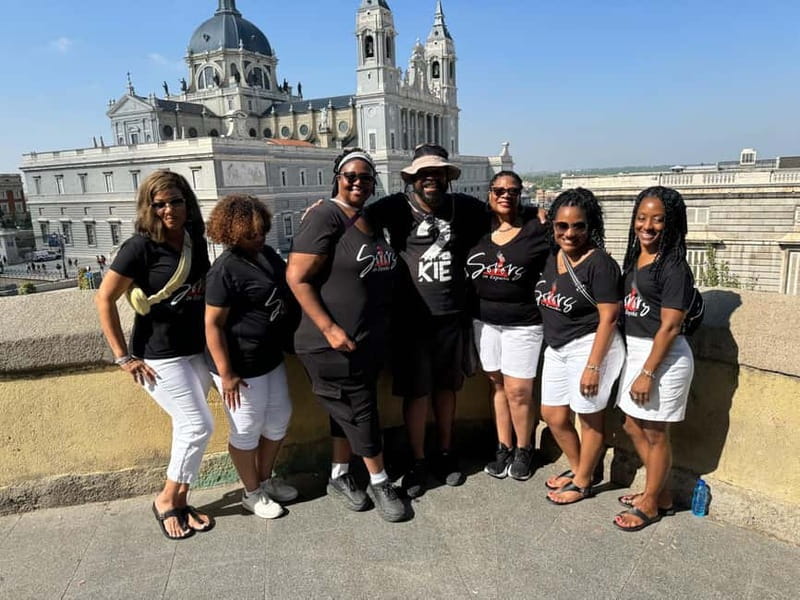
Your first big stop is the Royal Palace area, with a photo moment and an early safety briefing. Even if you’ve seen the palace from the outside before, this is where the tour starts changing your visual habit. Instead of only appreciating royal grandeur, you’re prompted to think about power systems tied to exploitation and wealth.
You don’t need to be a history expert to follow this. The guide frames Madrid’s rise through global connections and the Atlantic world, and you’re encouraged to consider how enslaved labor and colonization shaped European cities. That’s especially important in Spain because the traces aren’t just in distant archives—they’re suggested in the city’s structure and in the public spaces you pass every day.
Think of this stop as a lens-setter. The guide’s storytelling gives you a new set of questions to carry forward:
- Who was built into the story?
- Who is missing?
- What did wealth rely on?
- What does the city still show you today?
The palace stop also gives you a quick win for photos, which makes the tour feel practical rather than purely academic. You get a moment to anchor the theme visually, then the walk keeps moving.
Almudena Cathedral Stop: Guided Storytelling and Symbolic Madrid
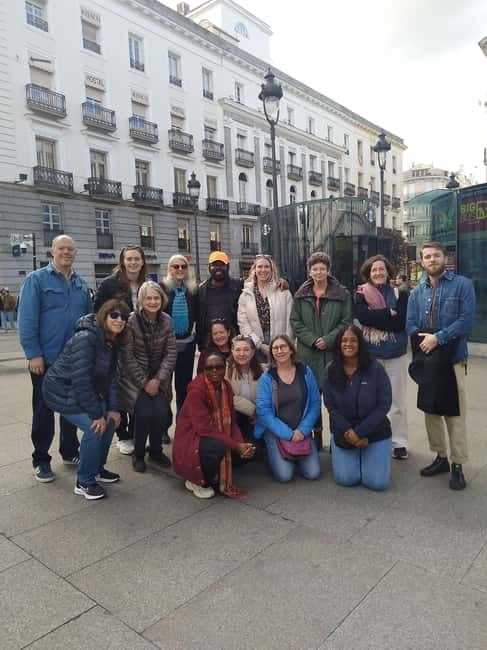
Next comes Almudena Cathedral. You get another photo stop plus a guided segment. This is a strong pairing with the Royal Palace because the tour isn’t only about politics and economics. It also turns to how culture, public symbolism, and institutions shape what gets remembered and what gets minimized.
The tour’s messaging is that Spain’s Black history often sits hidden in plain sight. You’ll hear about how African legacy and influence lived alongside Iberian society long before the usual Columbus-centered timelines. One of the bigger points you’ll pick up is that the Black presence in the Iberian Peninsula predates commonly taught turning points in European history.
This is also where the tour’s structure—visuals and guided storytelling—helps you keep your attention. Instead of dumping a timeline on you, the guide connects the story to what you see and what you might otherwise skip over.
A note on expectations: this is not a quiet, sit-and-read experience inside a cathedral. You’re moving, looking, and listening. If you’re sensitive to crowd noise, bring a calm mindset. The payoff is that your understanding becomes more concrete because it’s tied to specific city spaces.
Walking the city with an Afro-European lens
What makes this tour different from a typical sightseeing walk is the through-line. You’re not just learning that Black people existed in Spain at some point; you’re learning how slavery, colonization, and the Moors connect to Madrid’s identity and its power dynamics.
You’ll hear about African legacy and resistance as active forces, not background notes. That matters for how the story lands. It shifts you from passive learning to a more honest reading of the city. You start to notice how history is often told from the perspective of the conqueror—and how that can hide the lived experiences of ordinary people who helped create the wealth and culture you see now.
Spain being one of the late Atlantic World territories to definitively abandon slavery also adds weight. It helps explain why the echoes last. The guide connects these themes to how Madrid functions today, so you’re not stuck in a purely historical mood. You end with a sharper sense of why certain narratives are easy to find and others feel harder to locate.
I also like that the tour is designed with Black travelers and educators in mind, but it’s not limited to one type of participant. The conversation angle and the focus on heritage and culture make it work for people who want meaningful engagement, not just a checklist of sites. If you’re visiting as a family, it’s a good fit when you’re ready for real history with age-appropriate conversation.





Ending at Puerta del Sol: You’ll leave with a different Madrid map
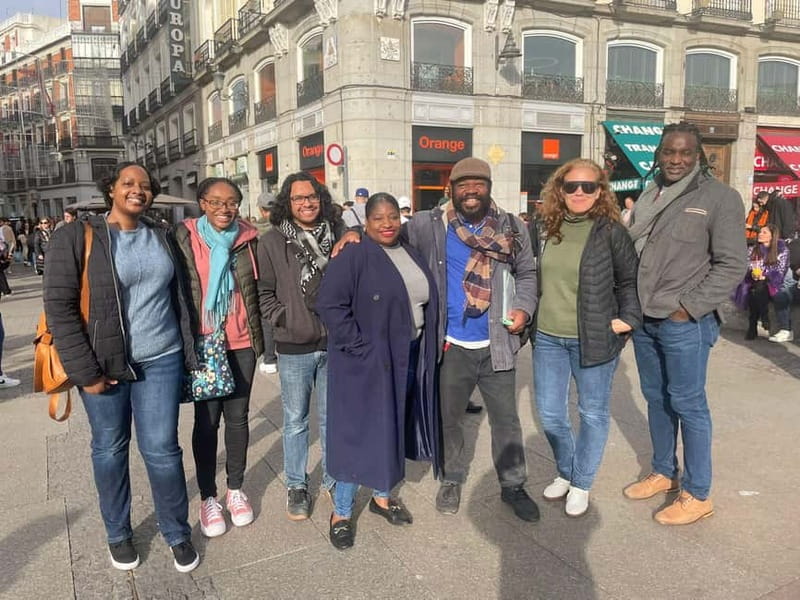
You finish at Puerta del Sol, one of Madrid’s main “hub” squares. That’s smart. The end point is easy to reach from almost anywhere, so you can transition smoothly into your own plans—tapas, a museum, a long walk, or just sitting with what you learned.
Puerta del Sol is also thematically perfect because it’s a place associated with crowds, public life, and national identity. Ending there makes the last message stick: this history is not tucked away. It’s part of the public city you move through every day.
By the time you get there, you should feel like your brain has a new filter. You’ll probably catch yourself looking at faces, symbols, and spaces with more questions. That’s the real takeaway: not just remembering what you heard, but learning how to read the city differently on your next day out.
If you want to make the most of that shift, do one simple thing after the tour: pause in a public space near where you’ll be walking next, and compare what you see now with the themes you just heard about. Ask yourself what you notice and what you miss. It takes 2 minutes, and it locks in the learning.
Price and value: Is $41 worth it?
At $41 per person for a 2-hour guided experience, the value depends on what you want from Madrid. If you only want photos and famous facades, you might feel like you could spend less on a self-guided walk. But if you want context—real interpretation that changes how you understand major landmarks—this price starts looking fair.
Here’s why the cost feels reasonable: you’re paying for a guide plus a focused narrative route through central sights. The tour isn’t selling add-ons like a big meal. Instead, it invests the time in guided storytelling, visuals, and conversation-driven stops. You also get the benefit of a private group format, which usually means you’re less likely to get ignored if you have questions.
The tour includes guide services and that’s it—no food or drinks. So if you tend to get hungry during walks, plan ahead. Bring a reusable water bottle (you’ll thank yourself in Madrid heat), and consider a small snack before or after. The simplest way to protect the experience is to keep your energy steady.
Also, the ratings are strong—five stars across 11 reviews—which matters because it suggests consistent guide quality and a clear fit for people seeking this specific perspective.
What’s included, what’s not, and how to plan your day
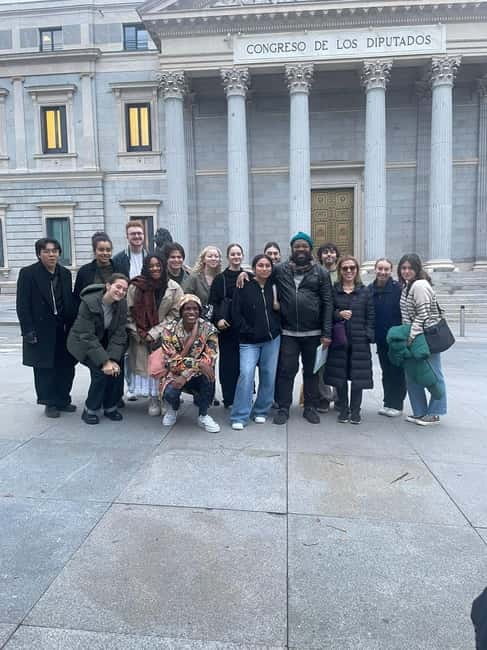
You’ll get a live guide in English or Spanish, and you’ll have guided moments at the palace area and Almudena Cathedral, plus photo stops and a clear walk through the center. The tour is designed as a single through-line experience, not a choose-your-own-adventure.
What’s not included: food and drinks. That means you have freedom, but you also have responsibility to manage your own comfort. Madrid’s summer can be intense. Even in cooler months, you’ll still be outside. Bring what keeps you comfortable so you can stay present for the story.
Packing checklist from the info you should take seriously:
- Comfortable shoes
- Sunglasses and sun hat
- Sunscreen
- Reusable water bottle
- Sunscreen
- Cash and a credit card (handy if you grab something after)
If you plan to do your next stop right after Puerta del Sol, keep your wallet and hydration ready. This tour is short enough that you’ll still want to move on immediately.
Who should book Afroibérica Tours, and who might want something else
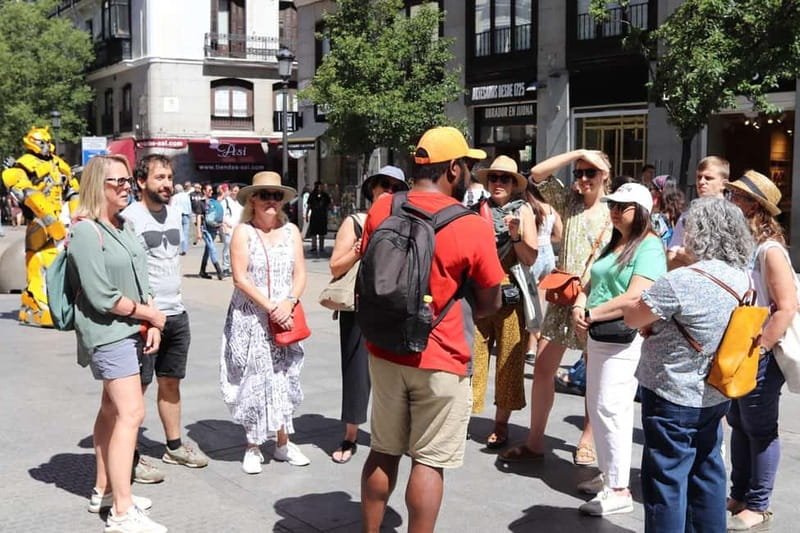
This tour is a great match if you want Afro-European history connected to real Madrid spaces. It’s also a strong choice for educators, cultural organizations, and institutions that value meaningful engagement with Black history rather than surface-level storytelling.
It also makes sense if you’re the type who likes symbolism and noticing how the city communicates. The guide’s explanations focus on the symbolism hidden in plain sight, which is exactly what you want if you’ve ever walked past a statue or facade and wondered why history textbooks made it feel irrelevant.
It’s a good family option too. One family booking included kids ages 16 and 12, and the guide’s explanations worked for multiple ages when they stayed engaged. That suggests the narration is clear enough to reach younger listeners, as long as the family enters with open curiosity.
Who might not love it? If you’re looking for a standard highlights tour focused only on art, views, and fast photo stops, the story themes can feel heavier than you want on a single outing. In that case, you might enjoy this more when you balance it with a lighter day afterward.
Should you book this Black History Tour of Madrid: Heritage & Resistance?
I think this is an excellent booking if your trip includes time in central Madrid and you want history that’s harder to ignore. It’s short, structured, and guided—so you don’t lose the thread—and it offers a specific point of view: African legacy, resistance, and Black presence woven into Madrid in ways you may never have been taught to notice.
Book it if you want:
- Meaningful context at major landmarks
- A tour that treats Black history as part of Madrid’s reality, not a niche add-on
- A strong guide-led narrative with conversation and visuals
Skip it only if you’re set on a light, casual sightseeing mood and don’t want symbolism and exploitation themes in your walk. Otherwise, this $41, 2-hour format is a very efficient way to make your Madrid days more honest.
If you go, do one thing: go in with curiosity, but also with patience. This tour changes how you look, not just what you know.
FAQ
Where is the meeting point for the tour?
Meet the guide outside Starbucks at Plaza de Isabel II, Metro Opera.
How long is the Black History Tour of Madrid: Heritage & Resistance?
The duration is 2 hours.
What languages is the live guide available in?
The live tour guide is available in English and Spanish.
What does the tour price include?
It includes guide services.
Is food or drinks included?
No. Food and drinks are not included.
How much does the tour cost?
The price is $41 per person.
Is the tour wheelchair accessible?
Yes, it is wheelchair accessible.