REVIEW · MADRID
Prado Museum Art History Tour
Book on Viator →Operated by Buzziler · Bookable on Viator
The Prado can overwhelm you fast. This small-group art history tour with Jaime Sánchez helps you see Spanish painting from Gothic through the 19th century by focusing on a smart selection of masterpieces, including Goya and Velázquez. I like that you get story-driven context (not museum wandering), and I also like the tight group size that makes questions feel normal. One thing to consider: the museum admission isn’t included, so your final spend will be higher than the headline price.
You’ll meet at the Monument to Goya at 11:00 am, walk into the Museo Nacional del Prado for about 2 hours 30 minutes, and then finish back at the same meeting point. With a maximum of 6 travelers, the experience stays human-scale in a museum that can feel endless once you’re inside.
In This Review
- Key Points at a Glance
- Why This Prado Tour Works When the Museum Feels Too Big
- Meeting at the Monument to Goya and Getting Your Bearings
- Admission Ticket Not Included: How to Budget the Real Cost
- The Prado Route: What You’ll See in the Museo Nacional del Prado
- Stop Focus: Why the “Best Pieces” Approach Matters
- Watching Art History Happen: The Jaime Sánchez Teaching Style
- Pacing and Timing: 2 Hours 30 Minutes in a 1,300+ Work Museum
- Who This Tour Suits Best (And Who Might Skip It)
- Practical Tips to Get More Out of the Tour
- Should You Book the Prado Art History Tour?
- FAQ
- Is the Prado admission ticket included in the $75 price?
- How long is the Prado Museum Art History tour?
- Where do we meet for the tour?
- What time does the tour start?
- What group size should I expect?
- Is the tour offered in English?
- What should I do if the weather is poor?
- How and when will I receive confirmation?
Key Points at a Glance
- Small-group size (max 6) means more back-and-forth and less standing around
- Jaime Sánchez’s guided selection keeps the Prado manageable by focusing on key works
- Chronological art-history storytelling links painters, style shifts, and political context
- In-depth looks at standout Spanish masters like Bosch, Patinir, Goya, and Velázquez
- Support materials for details with images/photos help you catch what’s easy to miss
- Good pacing for a time-limited visit (about 2.5 hours) without trying to “do it all”
Why This Prado Tour Works When the Museum Feels Too Big
The Prado has more than 1,300 works. That’s not a lot for a lifetime, it’s a lot for one afternoon. The smart move here is that the tour does not try to cover everything. Instead, you get a focused route through major periods and artists, with explanations that connect paintings to what came before and what came after.
I love tours like this because they respect your attention span. You’re not just looking at pretty images on walls. You’re learning what to notice: technique, symbolism, and why certain works became touchstones. And because it’s capped at six people, the guide can slow down when someone needs a clarifying question answered on the spot.
The biggest advantage for you is that you leave knowing how to keep seeing. Even after the guided part ends, the museum doesn’t become a random maze of paintings. You’ll have a mental map: eras, styles, and a handful of anchors that make other works start “clicking” too.
You can also read our reviews of more historical tours in Madrid



Meeting at the Monument to Goya and Getting Your Bearings
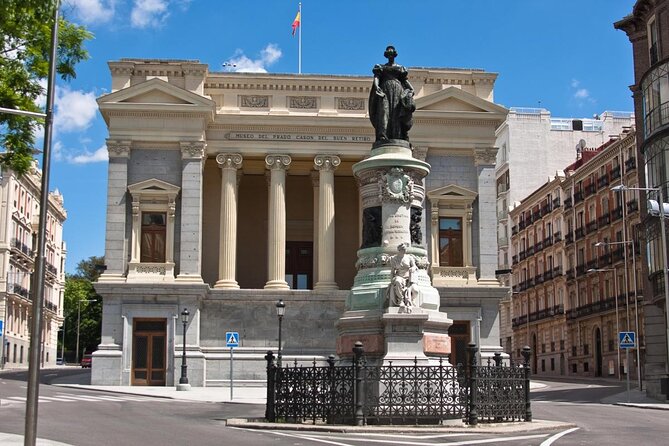
You start at the Monument to Goya, on C. de Felipe IV, s/n, in the Retiro area of Madrid (28014). It’s a clear landmark start and the tour notes it’s near public transportation, which matters in Madrid because the schedule can run smoothly only if you’re already where you need to be.
A practical timing point: the start time is 11:00 am, and the tour runs about 2 hours 30 minutes. If you’re planning lunch or a next activity, give yourself a bit of slack. One of the most common ways people feel disappointed after a big museum tour is realizing they should have left more time to stand with the works again after the explanations land.
Also, the tour ends back at the meeting point. That’s helpful. You don’t have to worry about regrouping or figuring out how to exit the Prado efficiently while your feet are already negotiating with your brain.
Admission Ticket Not Included: How to Budget the Real Cost
The tour is $75.00 per person, but admission to the Prado is not included. That’s the key budget detail. When admission isn’t bundled, the best way to judge value is to think of this as a paid guide service plus your museum entry.
Here’s why I still think it can be good value: the price buys you 2.5 hours of someone selecting the most meaningful works out of an overwhelming collection and then giving you layered context. Without that, you’re more likely to wander and miss what makes certain pieces historically important.
So, build a simple plan:
- Set aside museum entry cost on top of the tour price
- Treat the guided tour as your “learning engine”
- If you want more time with favorite works, schedule it right after
If you’re the type who likes reading labels slowly and lingering, you’ll likely feel the guide earns its keep. If you mostly want a casual stroll, you might find 2.5 hours is a lot of structure for you.
The Prado Route: What You’ll See in the Museo Nacional del Prado
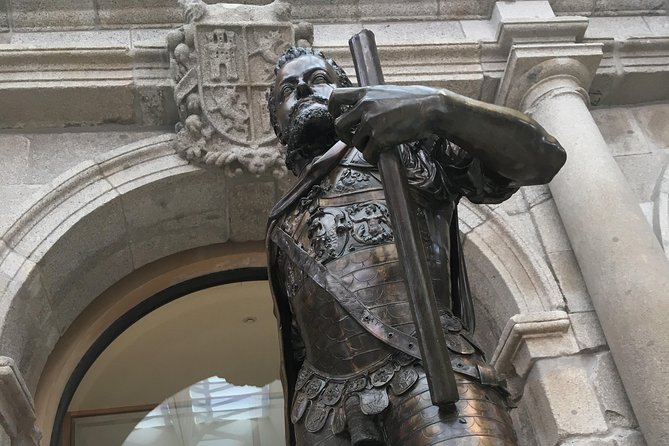
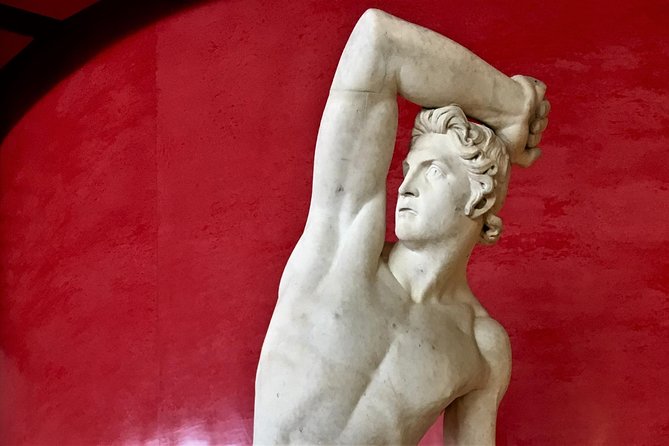
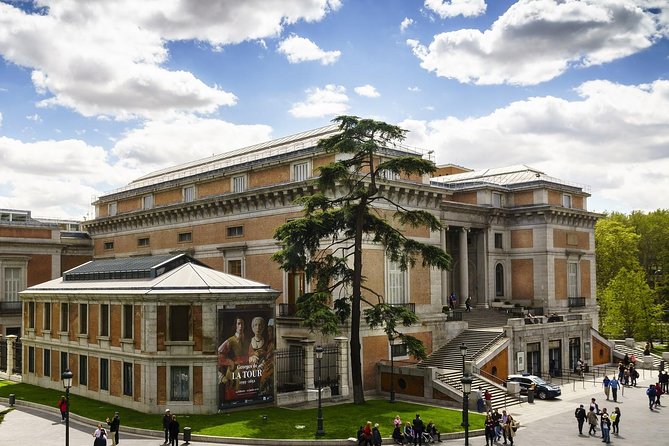
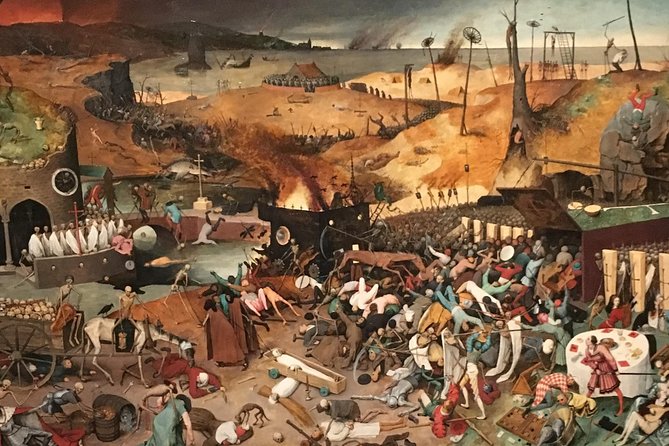
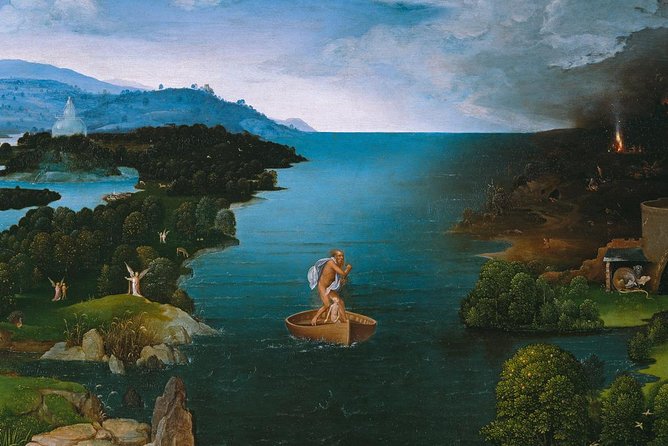
Inside the Prado, the tour is built around a special selection of masterpieces. The description highlights works by artists such as Bosch, Patinir, Goya, and Velázquez, with more names coming from the broader sweep of European painting. Another review theme is that the guide covers a range from Gothic through the 19th century, so you can see how Spanish art changes over time.
This is where the small-group approach really helps. A larger group can mean you move quickly and lose detail. Here, the guide can slow down to explain what you’re seeing:
- How paintings connect to historical events and ruling powers
- How style shifts across periods
- Why certain works became significant enough to be remembered and collected
From the experiences shared, one standout feature is the balance between chronological flow and depth. The route is designed so you don’t just get isolated facts. You get a story that moves from era to era, with comparisons that make earlier works easier to understand.
Stop Focus: Why the “Best Pieces” Approach Matters
The Prado collection is so large that a self-guided visit often turns into either rushing or getting stuck in one room. The tour fixes both problems by selecting around a set number of works for in-depth attention (you may hear the guide talk about favorites and surprises, and the overall number of featured masterpieces is around the mid-twenties).
That number is important. It signals a compromise that actually works: enough works to feel like you visited something, not so many that you skim everything.
You’ll also get help with details. One account describes the guide using additional images or photos to show aspects you can’t easily see from far away. That matters because in major museums, the distance is real. A good guide helps you “see what you came for,” not just “see some paintings.”
You can also read our reviews of more museum experiences in Madrid

Watching Art History Happen: The Jaime Sánchez Teaching Style
The guiding force here is Jaime Sánchez, described as an engaging storyteller who links the paintings to real context. What you’re getting is not just a tour of art objects. You’re getting a guided way to interpret art.
The best part, based on the feedback, is that the explanations come in layers:
- What you’re looking at on the surface
- The deeper meaning tied to its time
- The artistic technique and why it matters
I like that approach because it changes how you stand in front of a painting. Instead of waiting for the label to tell you what to feel, you start noticing visual cues and historical clues.
You’ll also have room for questions. With only up to six people, the visit feels more like a conversation than a lecture where you’re afraid to slow the group down.
And yes, the guide has favorites. That’s not a downside. Favorites often mean energy, and energy means you remember things. It also helps you find a few works you’ll want to return to after the tour ends.
Pacing and Timing: 2 Hours 30 Minutes in a 1,300+ Work Museum
Two and a half hours doesn’t sound huge until you’re inside the Prado and your eyes start glazing over from overload. This tour’s pacing works because it treats time like a resource.
You’ll cover enough ground to feel the arc of Spanish art history, but you won’t be forced to spend the whole visit staring straight ahead without stops for explanation. In fact, multiple accounts emphasize that without a guide it can be overwhelming in the first hour. With guidance, you get your bearings quickly.
Still, keep one consideration in mind: if you’re the type who wants to linger for a full museum sweep, the tour is only the beginning. One helpful strategy is to leave time after the tour to revisit the pieces the guide discussed, especially the ones you connect with most.
If you schedule a tight next appointment right after, you might miss the chance to turn new knowledge into deeper viewing.
Who This Tour Suits Best (And Who Might Skip It)
This is a strong fit if:
- You want a guided entry point into the Prado without getting lost
- You care about Spanish art history across eras, not just one artist
- You appreciate context tied to rulers, style changes, and why works became important
- You like asking questions and getting answers in real time
It might be less ideal if:
- You’re only interested in a quick photo-stop
- You plan to sprint the museum and don’t want structure
- You already know Spanish painting history and feel you can build your own route
If you’re visiting Madrid with limited museum time, this tour can give you a big payoff in a short window. It’s also a good choice for first-timers who want the museum’s scale to feel manageable.
Practical Tips to Get More Out of the Tour
Here’s how I’d set yourself up for success based on how the experience is designed.
Arrive ready to focus. When you start at 11:00 am, you’ll benefit from being alert for explanations. If you start the tour already tired, the details won’t stick as well.
Wear comfortable shoes. Even with a smart route, you’re moving through museum spaces. Two and a half hours in a major museum adds up.
Plan to revisit favorites. If there’s any flexibility in your day, build time after the tour. The guide’s explanations are most useful when you can return to the works with new sight.
Bring your curiosity. Since the guide is open to questions, ask what you actually want to know. A good question often turns into a better understanding of several paintings, not just one.
Should You Book the Prado Art History Tour?
I’d book this if you want the Prado to make sense quickly. The biggest selling point is the combination of a curated focus (a manageable set of masterpieces) with story-driven teaching by Jaime Sánchez. With a maximum of six travelers, you’re likely to feel seen, not processed.
It’s also a great way to get more out of your Prado admission because the tour helps you decide what to pay attention to when you’re on your own. And if you’ve got any doubt about whether a museum this large can be enjoyable, this format is designed to prevent the overwhelm.
One final check: remember that admission is not included and the tour needs good weather. If you’re visiting on a day when conditions are shaky, keep your schedule flexible. If that’s not an issue, this tour is a smart, high-impact way to experience the Prado without guessing where to start.
FAQ
Is the Prado admission ticket included in the $75 price?
No. The tour price is for the guided experience, and the admission ticket to the Museo Nacional del Prado is not included.
How long is the Prado Museum Art History tour?
The duration is about 2 hours 30 minutes.
Where do we meet for the tour?
You meet at the Monument to Goya, C. de Felipe IV, s/n, Retiro, 28014 Madrid, Spain.
What time does the tour start?
The start time is 11:00 am.
What group size should I expect?
The tour has a maximum of 6 travelers, which keeps it small-group.
Is the tour offered in English?
Yes, the tour is offered in English.
What should I do if the weather is poor?
The experience requires good weather. If it’s canceled due to poor weather, you’ll be offered a different date or a full refund.
How and when will I receive confirmation?
Confirmation is received at the time of booking, and the tour uses a mobile ticket.