REVIEW · YANGON
Chinese Heritage Cultural Immersion Tour
Book on Viator →Operated by Myanmar Indigenous Tours · Bookable on Viator
Chinese temples and street life in one day. This Yangon Chinese Heritage Cultural Immersion Tour stands out for its one-ethnicity focus and the way veteran, licensed guides connect temple architecture and religious teachings to real life in Chinatown.
I also like the “small group” setup (max 10) paired with higher-quality comfort—premium air-con transport, soft drinks, and a local lunch that’s actually frequented by locals. One drawback to think about: you’re moving through active neighborhoods and religious sites, so it’s not the best fit for kids under 10.
In This Review
- Key things to know before you go
- Why Yangon’s Chinese heritage tour feels like a neighborhood story
- Small-group comfort and community-first values
- Long Shan Tang Temple: where temple design meets everyday Chinatown life
- What to watch for at this stop
- Guanyin temple Yangon: learning the story behind the worship space
- Kheng Hock Keong Chinese Temple: more than one temple lesson
- Walking Yangon Chinatown for hours: markets, texture, and a real lunch
- Price and value: what $138.47 really buys you in Yangon
- Longyi, soft drinks, and the little extras that prevent a tiring day
- The guides: licensed expertise, clear storytelling, and real conversation time
- Who should book this Chinese heritage tour (and who should skip it)
- Should you book the Chinese Heritage Cultural Tour in Yangon?
- FAQ
- What’s the duration of the Chinese heritage tour in Yangon?
- How many people are in the group?
- What stops are included during the day?
- Are admission tickets included for the temples?
- Is lunch included, and what kind of food will I get?
- Do I get a longyi to wear during the tour?
- Can I cancel for a full refund?
Key things to know before you go
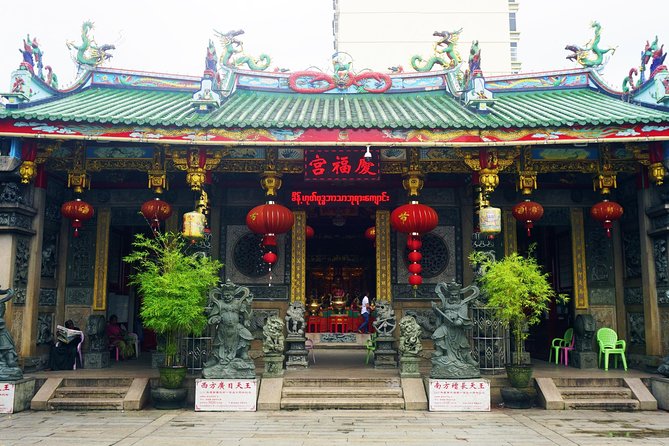
- One ethnicity, four temple moments: Long Shan Tang Temple, Guanyin temple Yangon, Kheng Hock Keong Chinese Temple, then Chinatown on foot.
- Max 10 people: You’ll get more real conversation time with the guide and community-focused flow.
- Admission tickets are included: Every temple stop has admission covered.
- Longyi included (and you keep it): A sarong-style wrap for both men and women to wear on tour and take home.
- Comfort details matter: Premium air-conditioned vehicle plus bottled water and soft drinks.
- Community support is built in: Donations on your behalf and partnerships with indigenous communities.
Why Yangon’s Chinese heritage tour feels like a neighborhood story
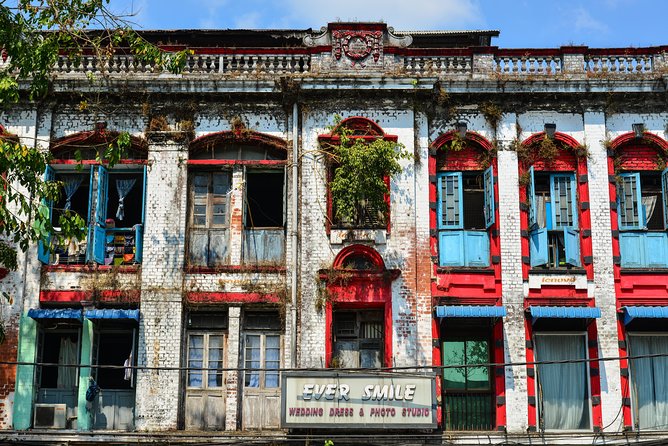
Yangon’s Chinatown is not just a photo stop. It’s a living patchwork of temples, clan life, and everyday routines, and that’s what this tour is built around. Instead of racing through dozens of sights, you focus on the Chinese Buddhist world and the surrounding community rhythm.
I like that the day is structured around three temple visits that each come with a guide-led introduction to history, architecture, and religious teachings. Then you shift gears to a walking exploration of Chinatown’s historic streets, with time to take in the neighborhood texture without feeling rushed.
You can also read our reviews of more historical tours in Yangon

Small-group comfort and community-first values
This isn’t a huge coach-and-herd tour. It’s limited to 10 travelers, so the pace stays human and questions don’t get swallowed. The transport is also “proper comfort” level: a premium air-conditioned vehicle, plus branded soft drinks, bottled water, and juice along the way.
What makes it feel different is the stated partnership model with local indigenous communities. The tour is designed to help sustain traditional cultures and lifestyles, and it includes community donations on your behalf. If you care about where your tourism money goes, this structure is a big plus.
And there’s a thoughtful touch many days like this skip: a complimentary catalogue with museum-quality selection. It’s the kind of item that helps you remember what you saw once you’re back in your hotel room.
Long Shan Tang Temple: where temple design meets everyday Chinatown life
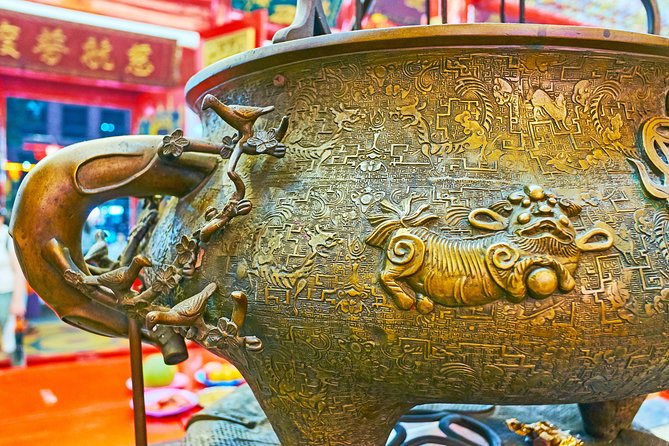
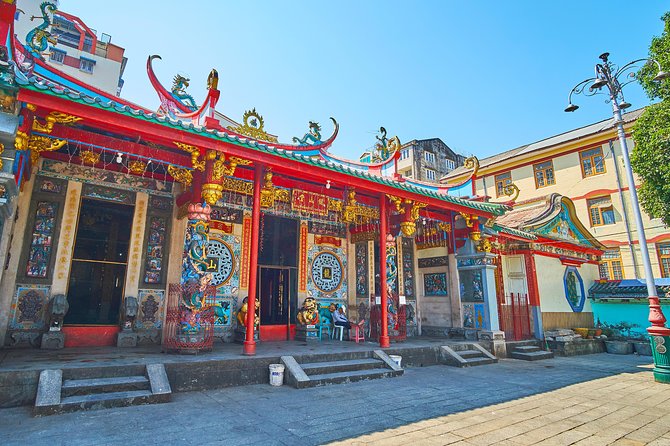
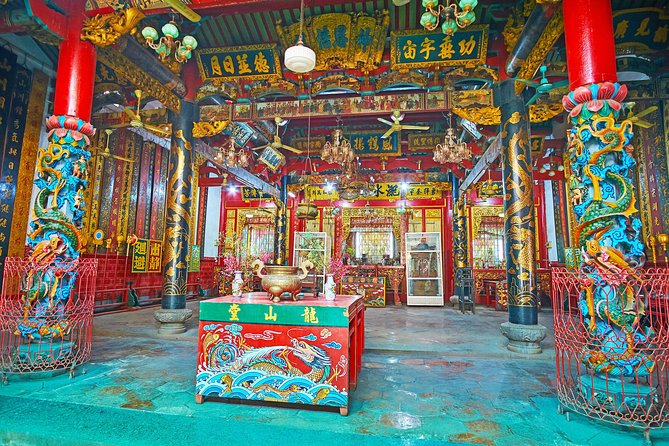
Your first stop, Long Shan Tang Temple, is your entry point into Yangon’s Chinese Buddhist temple culture. You get an introduction that covers history, architecture, and religious teachings, which matters because temples can look similar at a glance—but the meanings behind the layout and symbols often differ.
Another practical reason this stop works well early in the day: it sets your mental map before you hit the streets. After the temple intro, the tour includes time to observe Chinatown community daily life, so you’re not just looking at buildings—you’re seeing how the neighborhood functions around them.
You also get lunch here, with a local Chinese meal frequented by people who live nearby. It’s one of those details that can make or break a “cultural” day: if the food is targeted at locals, it usually tastes better and feels more grounded.
What to watch for at this stop
You’ll be guided to notice how temple space connects to practice. Even if you’re not an expert on religious symbolism, the guide’s framing helps you read what you’re seeing without turning it into a lecture you can’t use.
Guanyin temple Yangon: learning the story behind the worship space
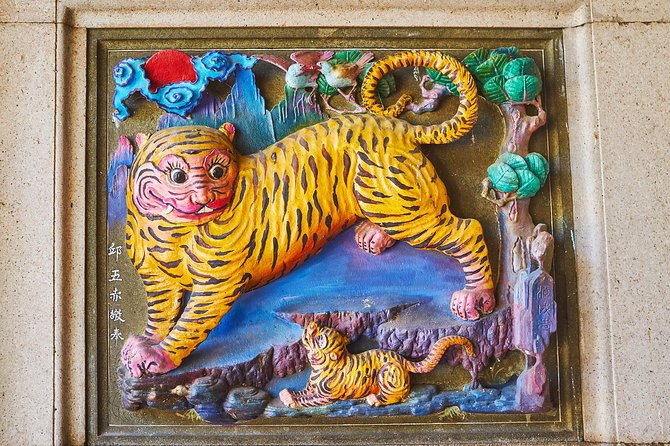
Next up is Guanyin temple Yangon. This stop follows the same successful pattern: history, architecture, and culture, plus religious beliefs explained in plain terms by the licensed guide.
This is where the tour’s depth shows. Three separate temple introductions means you start noticing differences in emphasis—what the community values, how religious life is expressed through building choices, and how worship shapes how people move through the space.
You’ll likely appreciate the timing, too. At around an hour, it’s long enough for real context but not so long that you lose the thread. And because you’re with a small group, it’s easier to follow the guide’s pacing.
Kheng Hock Keong Chinese Temple: more than one temple lesson
Kheng Hock Keong Chinese Temple is the third temple stop, and it gives you another distinct look at Chinese temple culture in Yangon. Like the others, you’ll get a guide-led introduction to history, architecture, culture, and religious beliefs.
This is also a key part of why the tour feels worth paying for. A lot of tours slap a couple of temples into an itinerary and call it a day. Here, you’re getting three different introductions with enough repetition to build understanding, without feeling like you’re doing the same thing three times.
If you’re the type of traveler who likes to compare how places teach you things, you’ll probably enjoy the way these stops “talk to each other.” By the time you leave the third temple, Chinatown isn’t just scenery—it’s the living backdrop to what you’ve been learning.
Walking Yangon Chinatown for hours: markets, texture, and a real lunch
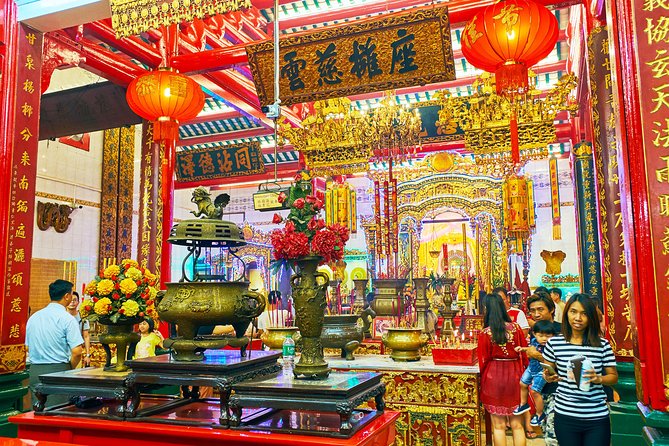
The final major block is the Chinatown walking tour. You get about four hours on foot, which is the right amount of time for a neighborhood to start making sense. You’ll move through the historic and dynamic Chinese neighborhood, taking in street life in a way that’s hard to replicate from a car window.
This is also where some of the most memorable “everyday” details tend to pop up. In past experiences shared by participants, street markets and the everyday energy of the area have been a highlight. That checks out with the way this tour ends: you’re meant to absorb the neighborhood rather than just pass through it.
Lunch is also part of this final section, served at a local indigenous eatery aligned with the tour’s Chinese focus. Like the earlier meal, it’s designed to be local, not tourist-safety food. If you’re trying to eat what people actually eat, this is a strong approach.
Price and value: what $138.47 really buys you in Yangon
At $138.47 per person for about seven hours, this tour isn’t trying to be the cheapest option. So the real question is: what do you get for the money?
You’re paying for:
- A small-group format (max 10) for better pacing and more guide attention
- Premium air-conditioned transport with included drinks
- Admission tickets included for each temple stop
- Three guided temple introductions plus a longer Chinatown walk
- Lunch included (aligned with the day’s Chinese focus)
- Longyi included—and you take it home as a souvenir
On top of that, there’s a built-in value layer from the community donation component and the partnerships intended to support traditional cultures and lifestyles. If that matters to you, the price starts to make more sense.
And from the practical side, you also get less friction. Mobile ticketing and pickup support reduce the time you’d spend figuring things out on your own. For a first-time visitor, that time savings can be worth real money.
Longyi, soft drinks, and the little extras that prevent a tiring day
This tour includes a complimentary longyi (sarong worn by men and women). You wear it on the tour and keep it as a memento. That’s more than a gimmick—having the correct local-style wrap makes the day feel respectful and comfortable while you move between religious sites and neighborhood streets.
The included drinks also help keep your energy steady. You’ll have premium branded soft drinks, bottled water, and juice. It’s a small comfort, but in Yangon heat and humidity, it can be the difference between enjoying the day and counting minutes.
Past participants have also praised the comfort level, including the feeling of a new, higher-quality transport setup. Even without chasing luxury, comfort here directly supports the cultural focus: you can stay attentive and enjoy the stops without feeling worn down.
The guides: licensed expertise, clear storytelling, and real conversation time
This tour uses licensed tour guides with an average of 20+ years experience. That matters because temple visits work best when you understand what you’re looking at and why it matters to the community.
One name that stands out in participant feedback is Gloria, who’s been highlighted for how warmly and clearly she helps people understand what they’re seeing. Even if your guide isn’t Gloria, the key point is consistency: you’re not stuck with a script read at speed. In a max-10 group, you should feel more like a participant than a passenger.
The guided format also helps with pacing. You get structured introductions (history, architecture, religious teachings/beliefs), then time to see the neighborhood around the temples. It keeps you from turning the day into a checklist.
Who should book this Chinese heritage tour (and who should skip it)
This is a great fit if you:
- Want a deeper cultural day focused on one Chinese community in Yangon
- Enjoy temple architecture and want help understanding what you’re seeing
- Like food that feels local and tied to the neighborhood
- Prefer small groups and guided context over independent wandering
It may not be ideal if you’re traveling with very young kids. The tour isn’t recommended for children under 10, likely because the schedule includes multiple temple sites and several hours of walking.
If you’re short on time and want a focused day, this itinerary also works. You’re out for roughly 7 hours, starting at 8:30 am, which helps you beat the busiest later-day hours.
Should you book the Chinese Heritage Cultural Tour in Yangon?
Yes, if you want a day that connects Yangon Chinatown temples to the people who use them every day. The big reason to book is the combination of small-group depth, included admissions, and thoughtful community-support structure—plus the included longyi and local lunches.
I’d think twice if you’re hoping for a cheap, flexible, do-it-yourself day. This tour is a guided, scheduled experience with a clear focus. In return, you get a more meaningful understanding and a more comfortable day than you’d likely craft alone.
If your style is “show me what locals actually pay attention to,” this tour is a strong match.
FAQ
What’s the duration of the Chinese heritage tour in Yangon?
The tour runs for about 7 hours.
How many people are in the group?
The group is limited to a maximum of 10 travelers.
What stops are included during the day?
The itinerary includes Long Shan Tang Temple, Guanyin temple Yangon, Kheng Hock Keong Chinese Temple, and Yangon Chinatown with a walking tour.
Are admission tickets included for the temples?
Yes. Admission tickets are included for the temple stops.
Is lunch included, and what kind of food will I get?
Lunch is included at local restaurants aligned with the tour’s Chinese focus, described as local indigenous eateries frequented by locals.
Do I get a longyi to wear during the tour?
Yes. A complimentary longyi is provided to wear on the tour and take home as a memento.
Can I cancel for a full refund?
Yes. Free cancellation is available up to 24 hours before the experience’s start time for a full refund.