REVIEW · KOCHI
Kochi Offbeat Shore Excursion-4 Hour Old Kochi Heritage Tour with Private Guide
Book on Viator →Operated by Iris Holidays · Bookable on Viator
Kochi feels different when you walk with local context. In just about 4 hours, you’ll move through Fort Kochi and nearby areas with a guide who links the city’s mix of communities to what you’re seeing, from the Chinese fishing nets to temples and a kolam art demo. The tour is limited to 12 people, and it’s run as a private experience for your group—so you’re not fighting crowds for answers, especially with guides like Mr. Anil or Lalan sir, who people describe as helpful and calm on the route.
I love the hands-on cultural moments. The kolam making demonstration by women in a Brahmin ancestral home is the kind of thing you can’t replicate from a photo, and the markets plus food-making stops give you a real sense of daily Kerala life (not just famous landmarks). I also like that you get religious and architectural variety: the St. George Orthodox Koonan Kurish Old Syrian Church with relics of St. George, plus temple visits that show different layers of faith in Kochi.
One consideration: the pace is scheduled. You meet the guide at the Chinese fishing nets area (the day starts around 10:30am), and you may also want to plan around optional add-ons like henna (own expense for treatments) while the tour keeps most key admissions covered.
In This Review
- Key things I’d circle before you go
- How the “private, small-group” format makes this tour better
- Cruise-ship and pickup reality check (and how to plan your arrival)
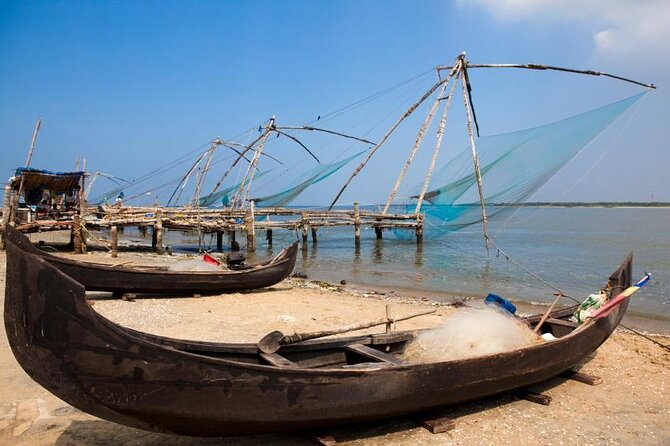
- Chinese Fishing Nets at Fort Kochi: more than a photo stop
- Dutch-era shoreline stops and beach-lane walking time
- Markets in Mattancherry: where Kochi’s daily life shows up
- A quick tip for market time
- St. George Orthodox Koonan Kurish Church: relics and architecture in focus
- What to watch
- Tirumala Devaswom Temple and Sarpa Kavu (Snake God Park)
- Safety and comfort note
- The Kolam demonstration in a Brahmin ancestral home (the emotional payoff)
- Coconut dehusking and winnowing tools: why the kitchen demo is worth time
- Henna and that optional extra creativity moment
- Ending near the Dutch Palace entrance: what you’ll have (and what you might add)
- Price and value: is $68.39 per person a fair deal?
- Who this tour fits best (and who might want a different style)
- Should you book this 4-hour Kochi heritage tour?
- FAQ
- What time does the tour start, and how long is it?
- Where do we meet, especially if we’re on a cruise?
- Is hotel pickup and drop-off included?
- How big is the group?
- Is this tour truly private?
- Are entrance fees included?
- Does the tour include food and drinks?
- Is henna included?
- Can I cancel for a full refund?
Key things I’d circle before you go
- Small group up to 12 with private touring for your group
- Kolam demonstration with colored rice flours in a Brahmin Agraharam home
- St. George Orthodox Koonan Kurish Church stop, tied to the relics of St. George
- Markets and food-making views, including a henna option nearby (cost varies)
- Kerala food tools demo showing coconut dehusking and winnowing processes
- Entrance fees included, so you’re not doing last-minute cash math
How the “private, small-group” format makes this tour better
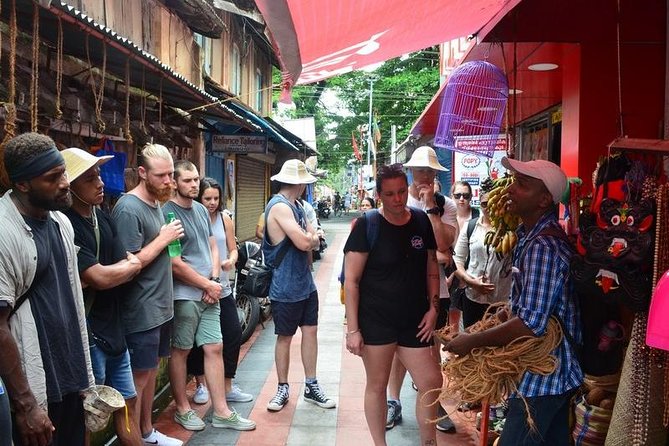
This is built for people who like their travel to feel guided, not like a bus drop-off with a brochure. With a maximum of 12 people, the guide can actually answer questions as you walk—especially on the “why this place matters” parts, like the layered influence of Hindu, Christian, Arab, Dutch, and British communities on Kochi’s development.
You’ll also appreciate the routing logic. The tour uses air-conditioned transport (private car or tuk tuk) to connect Fort Kochi-area spots efficiently, so your time stays focused on the cultural stops rather than endless transit. And because it’s private for your group, you won’t have strangers slowing your pace at each switchback street.
You can also read our reviews of more guided tours in Kochi
Cruise-ship and pickup reality check (and how to plan your arrival)
If you’re on a cruise, the tour meets you at the Cruise Ship Terminal, with pickup and drop-off included. If the operator needs a permit to come close to your ship, they ask you to share your ship details and pickup time after booking. That’s a small step that can save you from awkward timing problems later.
If you’re not cruising, there’s a hotel pickup and drop-off option. The tour pricing you see is higher when you select that convenience, but it’s often worth it if you’re staying across the water or don’t want to taxi around Fort Kochi for just a few stops.
Either way, bring a working phone. The tour uses a mobile ticket, so charge your device and keep it handy.
Chinese Fishing Nets at Fort Kochi: more than a photo stop
The day starts at the Chinese Fishing Nets area, with about 45 minutes there. You’ll learn the background of the nets and why this coastal setup became part of Kochi’s identity. Then you even get a chance to try your luck fishing—don’t expect a seafood career launch, but it’s fun, and it helps you understand the mechanics rather than just staring.
From a practical point of view, this stop does two jobs at once. First, it sets the “coastal Kochi” tone—salt air, fishing routines, and the rhythm of Fort Kochi. Second, it gives you a baseline before you go inland toward markets and temples, so the rest of the day feels connected instead of random.
If you’re sensitive to sun, start thinking about shade early. This is an outdoor stretch, and Fort Kochi weather can move from pleasant to bright pretty quickly.
Dutch-era shoreline stops and beach-lane walking time
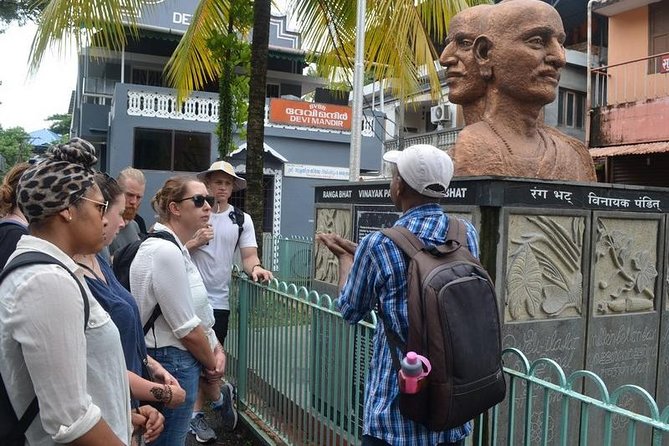
After the nets, the route takes you through the Dutch Cemetery and Fort Emmanuel area, then along a beach lane toward the Manjal Bhagvati temple. This is one of those “small but important” segments where you get more context for why Fort Kochi looks the way it does—European fortifications and cemeteries sitting next to everyday coastal scenes.
The Manjal Bhagvati temple stop also works as a breather. You get a pause from constant motion, with time to observe rather than sprint. And if you want it, there’s also a nearby chance to get a henna treatment (note: henna costs are own expense for the treatment itself, even though the tour includes henna for ladies in the group later).
This is the part of the day where good walking shoes earn their keep. The route includes promenade-style walking and street-level transitions, and you’ll be happier if your feet are supported.
Markets in Mattancherry: where Kochi’s daily life shows up
Next you head into the Mattancherry area and spend around 1 hour around local market streets (including time walking Princess Street in Fort Kochi). This is a strong value stop because it’s not just “look at shops.” You get to see how common foods are made, and you can watch the processes that keep Kerala kitchens running.
Markets can be sensory overload. That’s why I like this segment with a guide: they can point out what you’re seeing without you needing to decode everything yourself. You’ll also get a sense of what ingredients matter here, which makes later temple-and-heritage stops feel less abstract.
You can also read our reviews of more private tours in Kochi
A quick tip for market time
If you get tempted to buy snacks, remember the tour doesn’t list food as included. I’d plan to snack later with your own picks, not because the tour skimped you, but because market food is part of the experience and you’ll want to choose what suits your taste.
St. George Orthodox Koonan Kurish Church: relics and architecture in focus
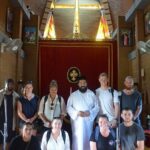
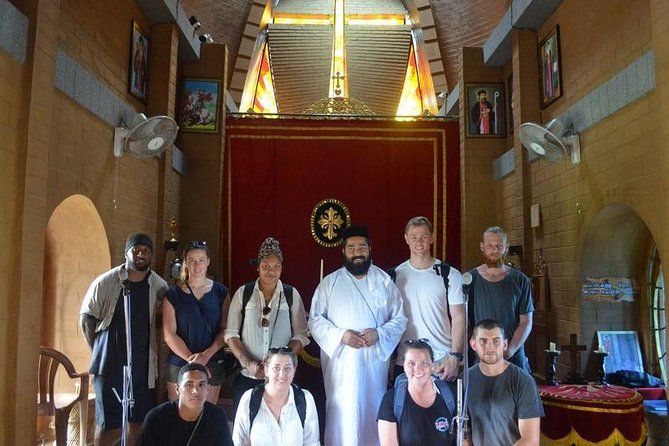
You’ll visit the St. George Orthodox Koonan Kurish Old Syrian Church (also known as Koonankurishu Pally). This stop takes about 30 minutes, and entrance is free as part of the tour inclusions.
The focus here is the church’s significance, including the storage of the relics of St. George. Even if you’re not a religious-history superfan, this is worth your attention because you’re seeing how Christian heritage shaped the Kochi landscape. The time window is short, so it’s best for absorbing key details rather than lingering for long photoshoots.
What to watch
Look at how the space is organized and how the congregation context feels on-site. A guide helps a lot here—especially for explaining what you’re looking at without turning it into a lecture.
Tirumala Devaswom Temple and Sarpa Kavu (Snake God Park)
Later, you’ll see the Tirumala Devaswom Temple from the outside, then visit the Abode of Snakes, known as Sarpa Kavu. This area is associated with snake deities and is believed to be inhabited by snakes. Whether you’re thinking about spirituality, symbolism, or local tradition, it’s a memorable shift from church and coastal heritage.
From a travel-writer standpoint, this stop is about contrast. Kochi isn’t one story—it’s multiple belief systems and local practices living close together. The snake-deity symbolism also connects back to daily life: plants, animals, and nature show up in ways outsiders might not expect.
Safety and comfort note
You should follow any on-site guidance, especially if there are areas you’re asked not to enter. The tour doesn’t give special handling instructions here, so treat this as a normal sacred-site visit: watch your footing, keep your voice low, and respect boundaries.
The Kolam demonstration in a Brahmin ancestral home (the emotional payoff)
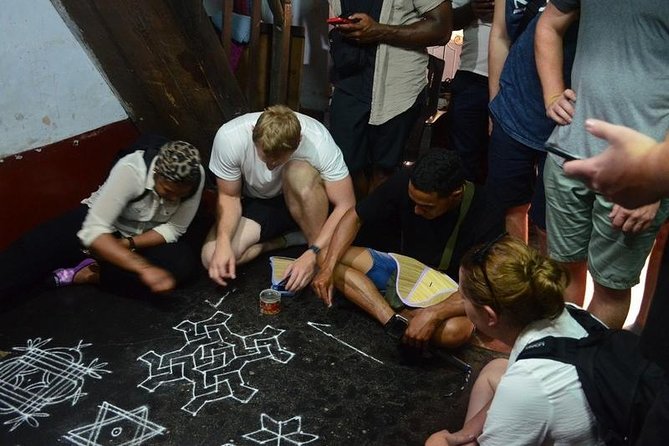
If there’s one stop that feels like the heart of this tour, it’s the kolam demonstration. You’ll learn about kolam as geometric line painting made with colored rice flours, traditionally placed in front of Hindu houses by female family members.
The tour sets this up in a Brahmin Hindu ancestral home setting—so you’re not just seeing a craft. You’re seeing a tradition tied to home, routine, and community. And because it’s a demonstration, you’ll get the “how” and not only the final “wow.”
This is also the moment when small details matter. Kolam isn’t complicated math on paper, but it’s exacting on the ground—lines need to be placed carefully, and the rhythm of creating them is part of the point. Watching it with a guide makes the symbolism feel less mysterious.
Coconut dehusking and winnowing tools: why the kitchen demo is worth time
Another high-impact inclusion is the demonstration of tools used for coconut dehusking, winnowing, and other food-related processes in Kerala. It’s not as famous as a monument, but it’s exactly the kind of stop that makes a cultural tour feel real.
This is how you connect heritage to the present. Kochi’s food culture isn’t only about restaurants—it’s built on tools, techniques, and everyday labor. If you’ve ever wondered how something as basic as rice or coconut becomes dinner, this segment helps answer it without turning it into a workshop fantasy.
If you’re the type who loves practical crafts (think: how things work, not just where they are), you’ll likely enjoy this section a lot.
Henna and that optional extra creativity moment
There are two henna possibilities in the flow. First, near the Manjal Bhagvati temple area, there’s time you might use for henna on your own expense. Second, later in the tour, the group includes an henna application for ladies in the group at a local house.
If you’re traveling as a mixed-gender group, that second part will follow what the tour includes, not a universal option for everyone. Either way, bring a bit of patience—henna takes time, and that’s okay because it becomes part of the day’s sensory rhythm.
Ending near the Dutch Palace entrance: what you’ll have (and what you might add)
The tour ends after about four hours back near the Dutch Palace area (the tour description notes ending at the Dutch Palace entrance). One useful heads-up: the tour specifically avoids some of the most crowded big-name stops like St. Francis Church and the Dutch Palace itself unless you request them as an add-on for extra cost.
So you get a calmer version of the Fort Kochi experience. If you want the big postcard sites inside, you’ll need to plan a separate visit or add-on.
Price and value: is $68.39 per person a fair deal?
At $68.39 per person for roughly four hours, the value depends on what you care about most. This price makes sense for two reasons: entrance fees are included, and you’re getting a professional English-speaking guide plus private transportation between stops.
It’s also not a “wandering with a map” tour. The guide does the connecting work—linking the city’s mix of communities to what you see at nets, churches, markets, temples, and home-based traditions like kolam.
What’s not included: food and drinks. That’s normal for this kind of guided heritage tour, but it means your total day cost will depend on what you choose to eat after (or during any market breaks). If you’re budgeting tightly, plan to snack lightly and reserve your meal for later.
Also: the tour can include hotel pickup/drop-off if you select that option. If you’re near the meeting areas already, you may prefer to skip the extra transfer cost and use local transport.
Who this tour fits best (and who might want a different style)
This works great if you want a heritage-focused Kochi look without being stuck in traffic or crowds. I’d point you toward this tour if you like:
- religious and cultural variety in a short time
- market life and food-making processes
- craft traditions like kolam
- a guide who explains meaning, not only location
You might consider another option if you’re mainly chasing the most famous photo stops inside major sites, since this route avoids some of those unless you add them.
Should you book this 4-hour Kochi heritage tour?
Yes, I’d book it if you want a compact day that feels local: fishing nets, church relic significance, temples, markets, a coconut tool demo, and a real kolam experience. The small group size and included entrance fees are practical wins, and the tour’s mix of religious heritage plus daily-life skills makes it more memorable than a checklist walk.
Skip it only if your priority is big interior attractions inside the biggest landmarks. This tour keeps the day moving and the crowds down, so you’ll get the most from it when you’re happy to trade a few famous interiors for deeper cultural context.
FAQ
What time does the tour start, and how long is it?
The tour start time is listed as 10:30am, and the duration is about 4 hours.
Where do we meet, especially if we’re on a cruise?
You meet at the Cruise Ship Terminal for pickup and drop-off. The meeting point is listed near Ernakulam Wharf, Willingdon Island.
Is hotel pickup and drop-off included?
Hotel pickup and drop-off is included for free if you select that option.
How big is the group?
The tour is limited to a maximum of 12 people, with a minimum of 2 people per day.
Is this tour truly private?
Yes. It’s described as a private tour/activity, with only your group participating.
Are entrance fees included?
Yes. All entrance fees are included in the tour.
Does the tour include food and drinks?
No. Food and drinks are not included, unless specifically stated.
Is henna included?
Henna is included in the form of henna application for ladies in the group. There’s also mention of henna being available nearby at own expense if you choose.
Can I cancel for a full refund?
Yes. You can cancel up to 24 hours in advance for a full refund.