REVIEW · SEOUL
Seoul: Colonial History Tour with Prison&Palace, Market Food
Book on GetYourGuide →Operated by TRIPPER · Bookable on GetYourGuide
History gets real fast on this Seoul walk. I love the way this tour pairs Seodaemun Prison with the food chaos of Namdaemun Market, so colonial history doesn’t stay stuck in a museum. I also like the architecture stop at Deoksugung, where traditional Korean palace design meets Western-style influence. The one drawback: Seodaemun Prison is emotionally heavy, so if you want only light sightseeing, this may hit harder than you expect.
Guides like Janice and Ron bring strong context in clear English, and you’ll get food tastings like hotteok and gimbap at the end rather than just standing near stalls. You’ll cover multiple sites in about four hours with a moderate amount of walking, so bring comfortable shoes and expect to be on your feet.
In This Review
- Key things to know before you go
- Colonial Seoul and Namdaemun: what this tour actually feels like
- Meeting at Dongnimmun and getting oriented fast
- Seodaemun Prison History Hall: the emotional center of the day
- Dilkusha and Albert W. Taylor: the international link
- Deoksugung Palace: where traditional and Western styles meet
- Seoul City Hall and Sungnyemun Gate: quick looks, big symbolism
- Namdaemun Market: the payoff for your brain and your stomach
- How the tour pieces together Korea’s story
- Price and value: what $58 gets you in real terms
- Best for: who should book this tour
- Practical tips that make the day smoother
- Should you book the Seoul Colonial History and Market Food tour?
- FAQ
- How long is the tour?
- Where do I meet the guide?
- What language is the tour in?
- Which stops are included?
- Are entrance fees included?
- Is food included?
- Is transportation included?
- What should I bring?
- Is the tour wheelchair accessible?
- Is it okay to book if I’m not sure about my schedule?
- Will I get details before the tour?
Key things to know before you go
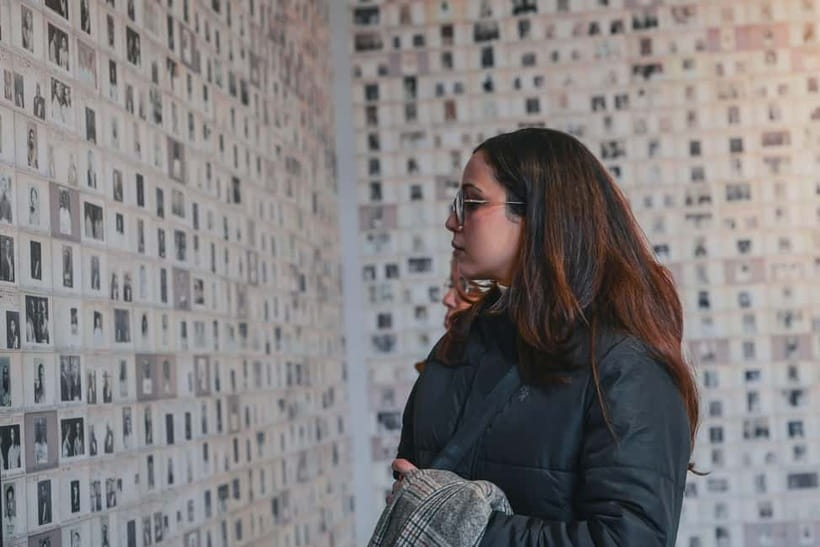
- Seodaemun Prison History Hall sets the tone with real stories from Korean independence fighters under Japanese rule
- Dilkusha connects Korea to an American supporter via Albert W. Taylor’s role in sharing Korea’s cause
- Deoksugung shows architectural mixing between traditional Korean and Western design styles
- Namdaemun Market is the payoff with street food tastings plus a classic stop for knife-cut noodles
- You get a guide who handles the emotional weight well and keeps the pace moving toward the market
Colonial Seoul and Namdaemun: what this tour actually feels like
This isn’t the kind of tour where history stays behind glass and then you wander off for lunch. The flow matters. You start with the hardest, most direct site of Korea’s struggle during Japanese rule at Seodaemun Prison History Hall, then you move into places tied to palace-era power and international support, and finally you end in one of Seoul’s most established food districts.
That structure is why I think this tour works. It helps you see how Seoul’s story moves from oppression to resistance, from political turbulence to modernization, and from survival to everyday comfort food. And yes, you’ll eat—warm, filling things that taste like a reward for learning something intense.
If you’re the type who likes to understand what you’re seeing instead of just checking boxes, you’ll enjoy the connections. If you want a chill afternoon with no heavy content, you’ll still see beautiful buildings, but you might wish the first stop were shorter or less serious.
You can also read our reviews of more tours and experiences in Seoul.
Meeting at Dongnimmun and getting oriented fast
You meet at Dongnimmun (Independence Gate) Station, Exit 5. The guide holds a Tripper sign, which makes it easier to spot each other right away. This is helpful because the tour has several locations, and you want to get your bearings without wasting time searching.
The tour also uses WhatsApp to send tour-related information 1–2 days before you go. If you book, make sure the contact number you provide can actually receive messages. It’s the kind of small step that keeps day-of stress down, especially when the vehicle route can change to a walking route depending on on-site conditions.
Seodaemun Prison History Hall: the emotional center of the day
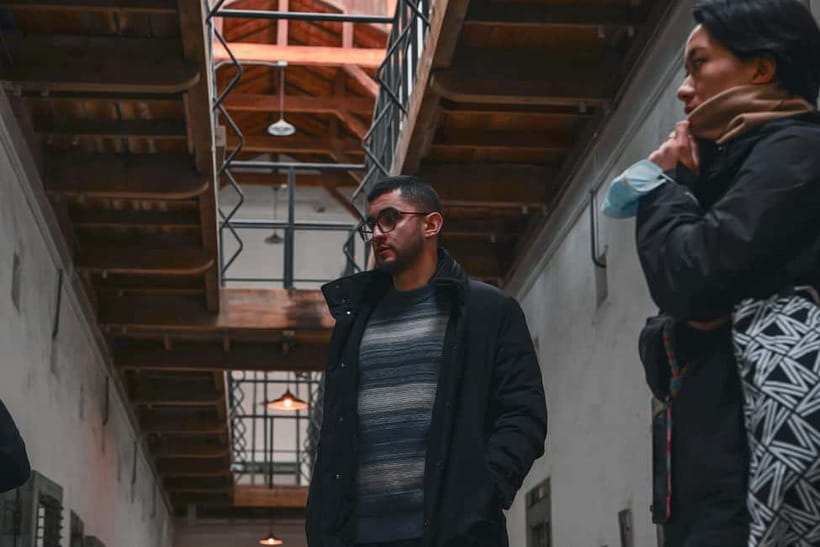
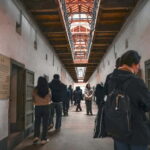
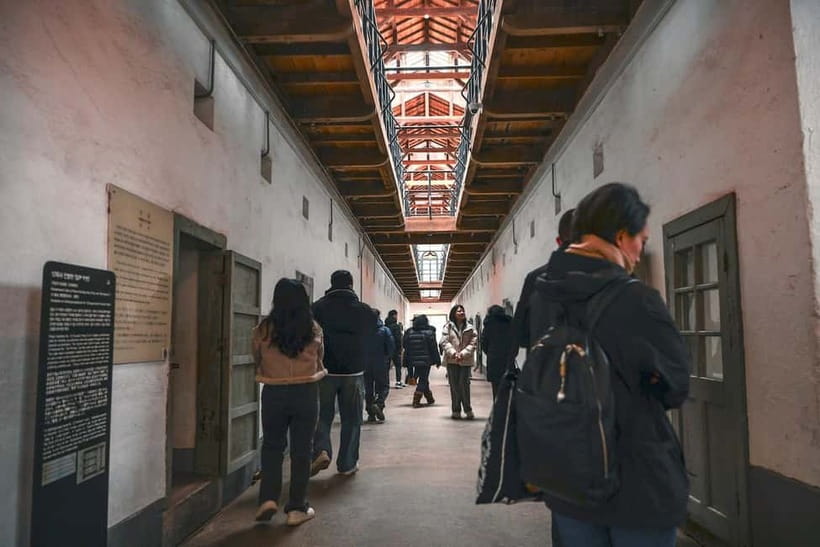
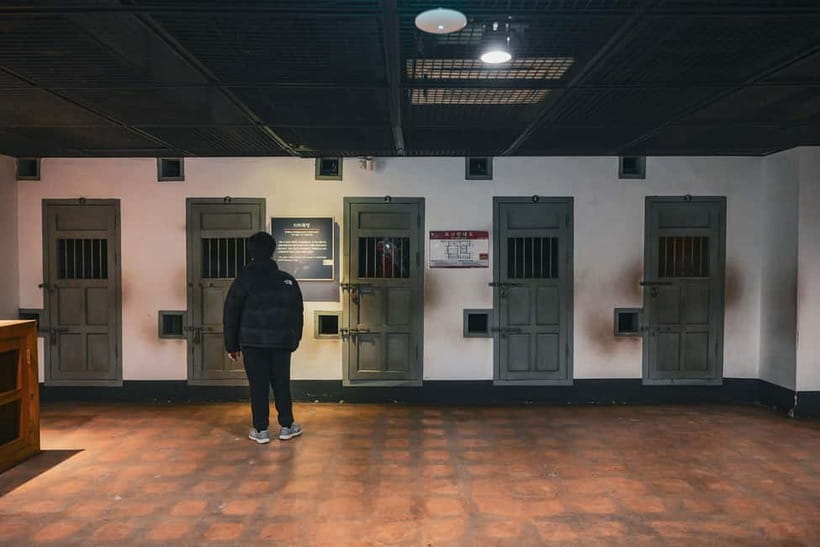
The first big stop is the Seodaemun Prison History Hall. This is a former Japanese colonial prison, and the tone is somber. You’ll spend about 80 minutes here with a guided visit, which is long enough to really understand the setting instead of rushing through.
What makes this stop valuable is that it’s not abstract. You get the stories of Korean independence fighters and the hardship they faced for freedom. You also learn how to read the space—not just as old walls, but as part of a system that tried to control voices and movement.
Practical reality check: this is the emotional weight of the tour. The setting is intense, and it’s normal if you feel a bit quiet afterward. I’d treat this stop like a museum visit with a purpose, not like a casual walk-through.
Dilkusha and Albert W. Taylor: the international link
After the prison, the tour shifts to a different angle: support from outside Korea. You’ll visit Dilkusha (the Albert W. Taylor House). The guide covers Albert W. Taylor’s connection to Korea’s cause and how, as an American journalist, he helped share Korea’s journey for independence with the world.
This is a short stop—about 15 minutes—so it won’t try to replace your own reading. Instead, it gives you a key reminder: resistance and independence efforts didn’t happen only inside Korean borders. International attention played a role, and Taylor is one of the specific names the tour highlights.
I like this stop because it adds balance. After the heavy content at Seodaemun, it’s a small shift toward relationships, communication, and the idea that outside voices can still matter during political struggle.
Deoksugung Palace: where traditional and Western styles meet
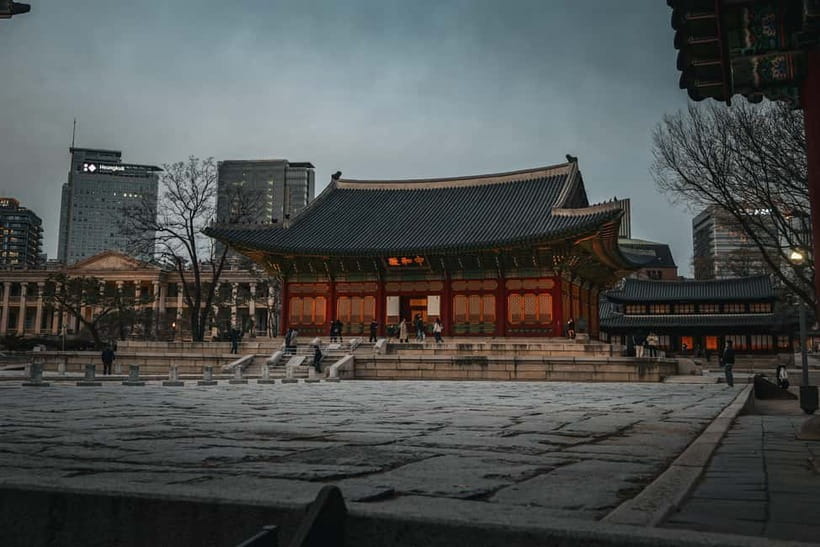
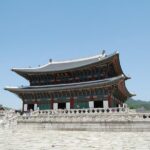
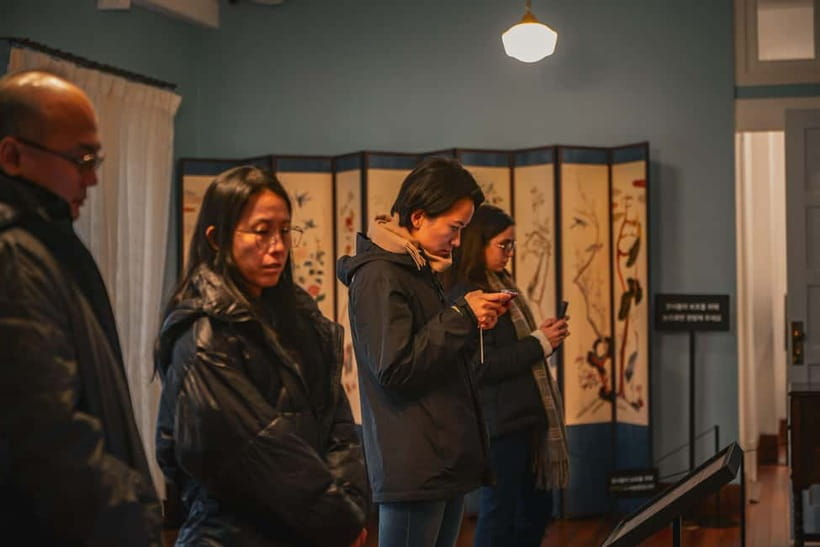
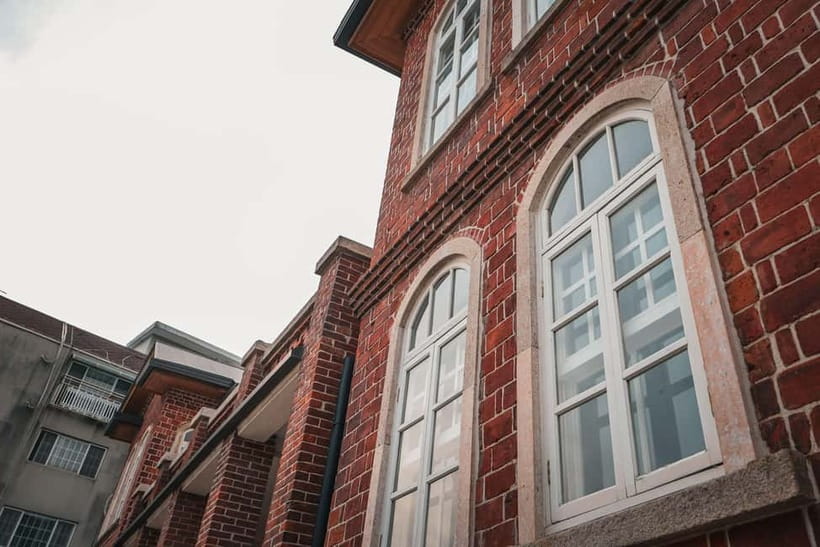
Next is Deoksugung Palace, guided for about one hour. The standout theme here is the blend of architectural influences. You’ll see how traditional Korean palace design and Western-style elements show up together, and you’ll get the context for how Korea adapted to modernization amid political turbulence.
If you enjoy architecture, this is one of the best ways to read history with your eyes. You’re not just hearing dates and names. You’re spotting style changes—details in structure and design—that reflect a period when Korea was navigating pressure from outside and rapid change at home.
A practical note: palaces mean walking on uneven surfaces and spending time outdoors. Bring shoes that can handle real pavement and real steps.

Seoul City Hall and Sungnyemun Gate: quick looks, big symbolism
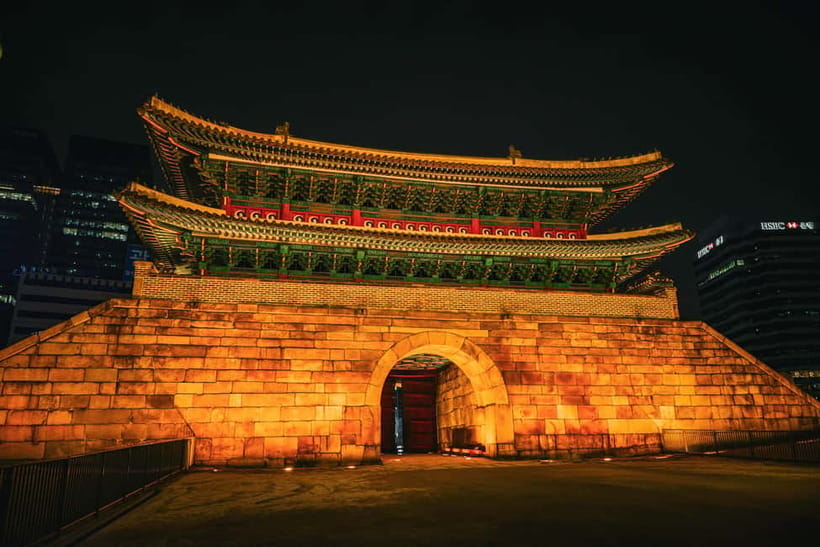
After Deoksugung, you’ll pass by the historic Seoul City Hall and then get a close look at Sungnyemun (Namdaemun) Gate, a national treasure with roots stretching back about 600 years since the Joseon Dynasty era.
You’re not in a classroom here. This part is more like focused sightseeing with context—short, meaningful, and designed to connect the day’s themes. The city hall stop is about transformation: moving from a colonial past toward a functioning democracy. The gate stop is about endurance: a landmark that has stood as a southern entrance for centuries.
Since these are brief visits, don’t plan on getting every photo angle you can think of. Think of it as getting your baseline view, then using that as a launching point for any extra exploring you want later.
Namdaemun Market: the payoff for your brain and your stomach
The last part of the tour is Namdaemun Market, the largest and oldest traditional market in Seoul, with vendors selling goods for over 600 years. This is where the day changes mood in a good way. After prison stories and palace architecture, you move into noise, smells, and the comfort of people doing what they do every day.
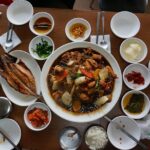
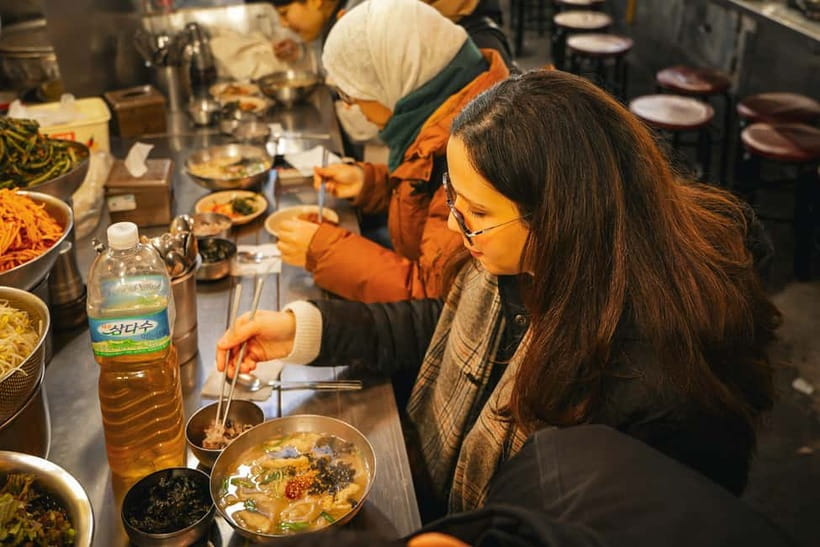
The tour time here is about one hour, and the emphasis is street food with tasting. You’ll get to try favorites like hotteok and gimbap, plus a stop at the famous Kalguksu Alley, where locals gather for steaming bowls of handmade knife-cut noodles.
Here’s why this matters: food is the easiest way to make a history tour land. You’re not trying to force connections with facts at the end of a long day. You’re tasting everyday Seoul, and that helps your understanding stick.
One practical caution: markets are not quiet. If you’re sensitive to crowds and sound, it helps to go with the mindset that this is part of the experience. Wear breathable layers if it’s warm, and expect you’ll want to slow down at stalls when the guide points things out.
How the tour pieces together Korea’s story
Even though the stops are very different, the tour builds a through-line:
- Resistance and punishment at Seodaemun Prison: the reality of struggle under colonial rule
- Communication and outside support at Dilkusha through Albert W. Taylor: showing that the independence movement had international attention
- Modernization pressures and architectural change at Deoksugung: reading history through what’s built
- Continuity and civic identity around Seoul City Hall and Namdaemun Gate: symbols that have survived upheaval
- Daily life after all that through Namdaemun street food: the human payoff of culture continuing
If you do other Seoul sightseeing afterward, this tour tends to make the rest of the trip feel more connected. You’ll notice the differences between eras faster. You’ll also have an easier time understanding why certain places matter beyond their postcard look.
Price and value: what $58 gets you in real terms
At about $58 per person for a four-hour tour, the price feels fair for what you’re getting: an English-speaking professional guide, entrance fees, and transportation costs are included, plus food tastings at Namdaemun Market.
If you tried to recreate this yourself, you’d need to manage:
- getting yourself to multiple sites
- paying separate admissions
- figuring out what to prioritize at Seodaemun and how to interpret it
- dealing with the language barrier while trying to order street food confidently
This tour handles a lot of that for you. And the food component isn’t just an afterthought. It’s built into the ending so you can recharge after a heavy and thoughtful first half.
Best for: who should book this tour
I think this tour is especially good for you if:
- you want a mix of history and food, not one or the other
- you like guided context at major landmarks, especially Seodaemun Prison
- you enjoy architectural details and historical meaning at palace sites
- you’re happy to walk moderately and spend time outdoors
You may want to skip or choose something lighter if:
- you’re not up for emotionally intense history
- you have mobility limitations that make moderate walking tough
- you need accessibility support, because the tour is not suitable for wheelchair users
- you’re dealing with altitude sickness concerns (the tour is listed as not suitable for that)
Practical tips that make the day smoother
A few things will help you enjoy this tour more:
- Wear comfortable shoes. You’ll be walking through palace and market areas, not just moving between stops.
- Expect a moderate walking day. If you’re thinking of doing lots of extra walking afterward, keep some energy in reserve.
- Plan for WhatsApp updates. If you don’t check your phone, you might miss tour-related info sent 1–2 days before.
- Be ready for slight route changes. The vehicle route may become a walking route depending on conditions, so don’t treat the day as perfectly rigid.
Also, mentally prepare for Seodaemun to be serious. It’s not a scare attraction, but it is intense. If you give it the respect it deserves, you’ll likely come away with a stronger understanding of why these places are preserved and taught.
Should you book the Seoul Colonial History and Market Food tour?
If you want Seoul in one organized afternoon—colonial history at Seodaemun, architectural context at Deoksugung, a specific international figure at Dilkusha, and then real street food at Namdaemun—I’d say book it.
It’s a good value because included admissions and transportation reduce friction, and the tasting portion gives you a satisfying ending. The only real reason to hesitate is emotional readiness. Seodaemun Prison is the center of gravity here. If you can handle that, you’ll leave with both stronger context and a full stomach.
FAQ
How long is the tour?
It runs for about 4 hours.
Where do I meet the guide?
You meet at Dongnimmun (Independence Gate) Station, Exit 5. The guide holds a Tripper sign.
What language is the tour in?
The tour is offered in English.
Which stops are included?
The tour includes Seodaemun Prison History Hall, Dilkusha (the Albert W. Taylor House), Deoksugung, passes around Seoul City Hall and Sungnyemun Gate (Namdaemun), and Namdaemun Market.
Are entrance fees included?
Yes. Entrance fees are included.
Is food included?
Yes. You’ll have food tastings at Namdaemun Market, including street foods like hotteok and gimbap, and a stop for kalguksu in Kalguksu Alley.
Is transportation included?
Yes. Transportation cost is included.
What should I bring?
Bring comfortable shoes, since the tour involves a moderate amount of walking.
Is the tour wheelchair accessible?
No. It’s not suitable for wheelchair users.
Is it okay to book if I’m not sure about my schedule?
You can reserve now and pay later, and you can cancel up to 24 hours in advance for a full refund.
Will I get details before the tour?
Yes. Tour-related information is sent via WhatsApp 1–2 days before the tour, so you’ll need a contact number that can be reached on WhatsApp.