REVIEW · CUSCO
Cusco: Full-Day Sacred Valley History Tour
Book on GetYourGuide →Operated by PVTravel · Bookable on GetYourGuide
Cusco Sacred Valley in one packed day.
That’s the draw here: you roll through the high Andes countryside, stop at major Inca-era sites, and get a real sense of how farming shaped this region. I especially like the Písac market stop for people-watching and craft browsing, and the Ollantaytambo ruins for big, dramatic Inca stonework. One thing to consider: the day runs long and starts early, and the pick-up can feel a bit chaotic before you finally roll out.
This is a small group tour (up to 15 people) with a bilingual guide (English/Spanish), so you’re not stuck in a giant cattle-car. You’ll also have a proper sit-down buffet lunch in Urubamba before continuing to the next stops. The trade-off is time: each place is rewarding, but you won’t linger like you would on a slow, independent day.
In This Review
- Key Points to Know Before You Go
- The Sacred Valley Day Tour Rhythm (and Why It Works)
- Morning Pickup and the El Mirador Lookout Point
- Písac Market: Color, Crafts, and Inca Terraces
- Urubamba Lunch and the River Drive Between Sites
- Ollantaytambo Ruins: Wiracocha-Linked Stonework
- Chinchero: Natural Dyes, Knitting Traditions, and Everyday Continuity
- Guides Matter: Bilingual Interpretation and Real Clarity
- Price and Value: Is $45 a Good Deal?
- Small-Group Reality: Waiting, Timing, and the Lunch Window
- Who This Tour Suits Best
- Should You Book This Sacred Valley Day Tour?
- FAQ
- What is the duration of the Cusco Sacred Valley history tour?
- What time does the pickup from Cusco usually happen?
- Where do you get dropped off at the end of the tour?
- How many people are in the group?
- What’s included in the price of $45?
- Is the touristic ticket included?
- What stops are included on the itinerary?
- What language is the guide?
- Is lunch included, and where do you eat?
- What should I bring?
Key Points to Know Before You Go
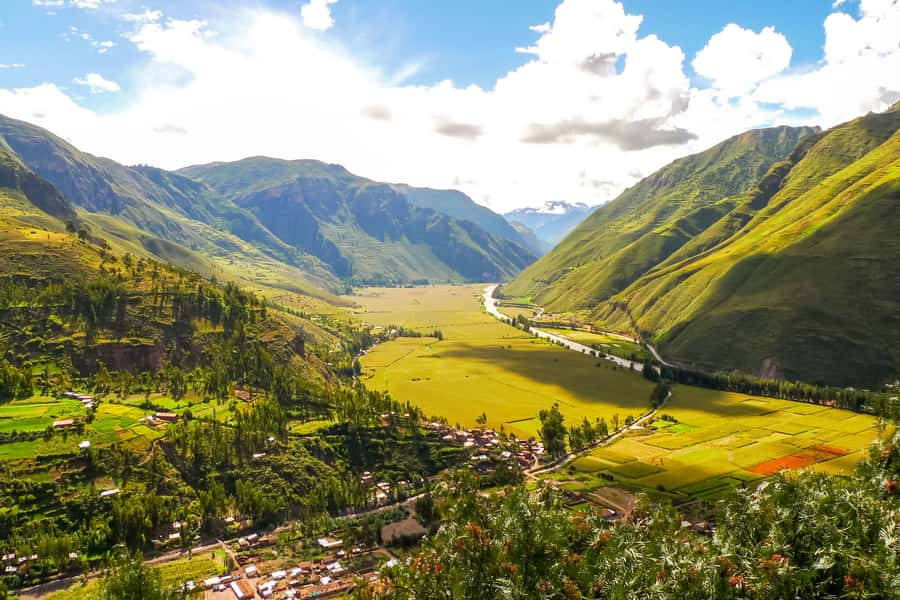
- El Mirador viewpoint gives you an easy way to understand the Sacred Valley before you start visiting sites.
- Písac blends ruins, terraces, and market energy in one stop.
- Urubamba buffet lunch is included, with time built in between the morning ruins and the afternoon sites.
- Ollantaytambo is the Inca stronghold stop where Wiracocha-themed rock formations help you connect the dots.
- Chinchero focuses on natural dyes and textile traditions using alpaca and sheep wool, plus Quechua language and daily customs.
- Comfortable shoes matter more than you think; this day includes walking on uneven ground.
The Sacred Valley Day Tour Rhythm (and Why It Works)
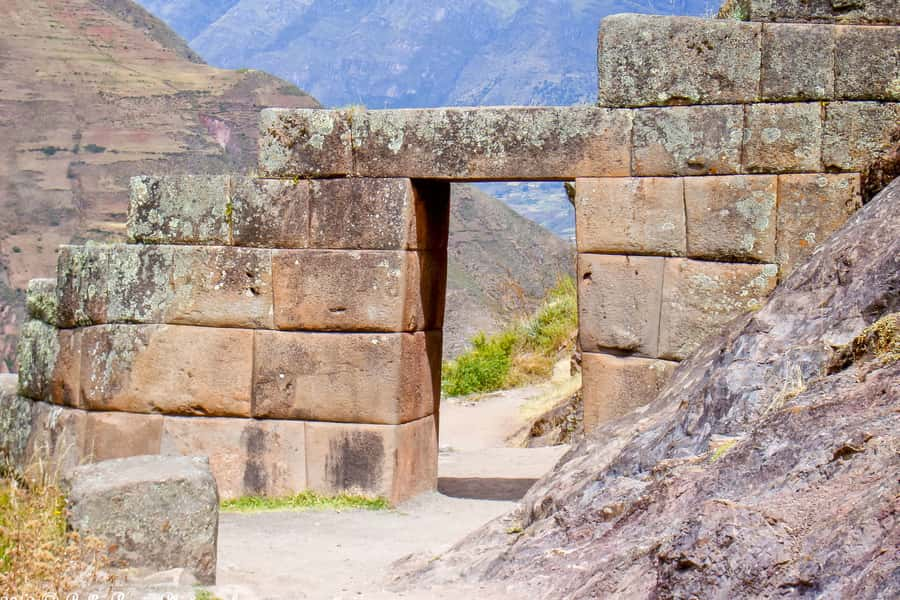
A good Sacred Valley day tour hits two goals at once: you see the big-name ruins, and you also understand how people lived here. This one does that with a steady route north of Cusco: viewpoint first, then market and archaeological terraces, then river driving and a lunch break, and finally two more culture-heavy stops.
The value is in how the day builds. Morning begins with context at El Mirador, then you move into Inca engineering and agriculture at Písac. After lunch, the tone turns toward defensive architecture and spiritual symbolism at Ollantaytambo. Then Chinchero brings it down to everyday life—textiles, dyes, and community continuity.
Just remember: because the tour is timed, it’s best if you’re okay with a “see, learn, move on” pace. If you’re hoping for quiet hour-long wandering, you’ll probably want to visit one site more deeply on another day.
Morning Pickup and the El Mirador Lookout Point
You’re picked up from hotels in Cusco’s historic center at around 7:30AM, and the total day runs to roughly 7:00PM. In practice, you may get picked up closer to the later end of that early window because the van has to collect everyone and get organized. Once you’re on the road, it’s a smooth start: the drive winds around the mountains north of Cusco.
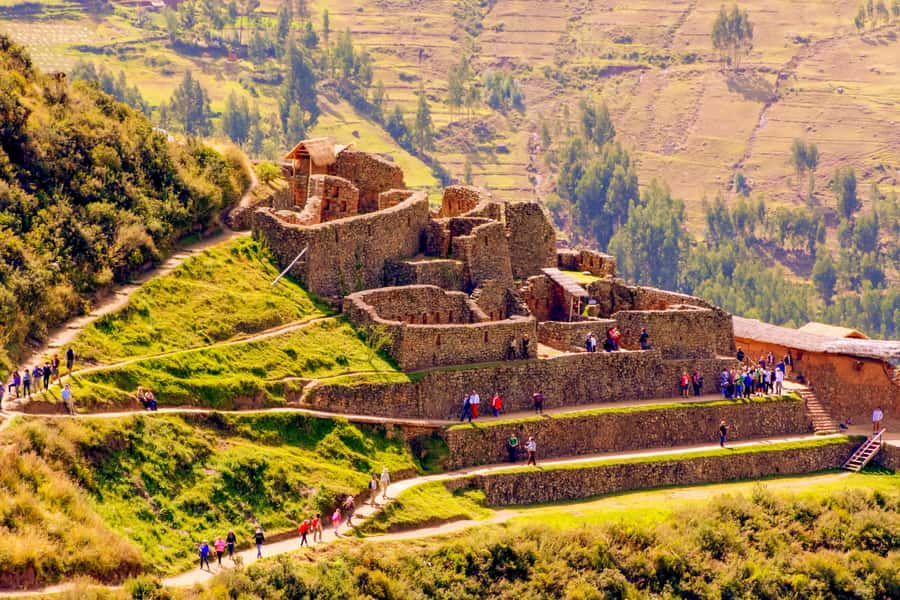
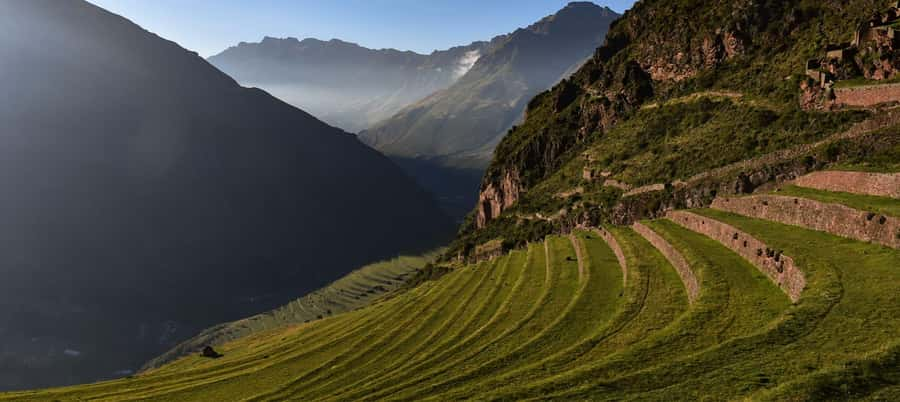
Then comes El Mirador, the lookout point that gives you the Sacred Valley view in one glance. It’s one of those stops that helps your brain attach meaning to what you’ll see later. The guide explains how the Incas made use of this area: despite being in the high Andes, the valley holds unusually fertile plains, plus contour terracing and irrigation channels that still show the logic of engineered agriculture.
This is also where you learn how to read the land. When you later look at Písac’s agricultural terraces or follow the river, you’ll understand that these aren’t random slopes. They’re part of a system built to store water, control runoff, and make farming possible in a tough climate.
Practical tip: start the day well-rested. Even though you’re in a vehicle for much of the route, the early start and walking breaks add up.
Písac Market: Color, Crafts, and Inca Terraces
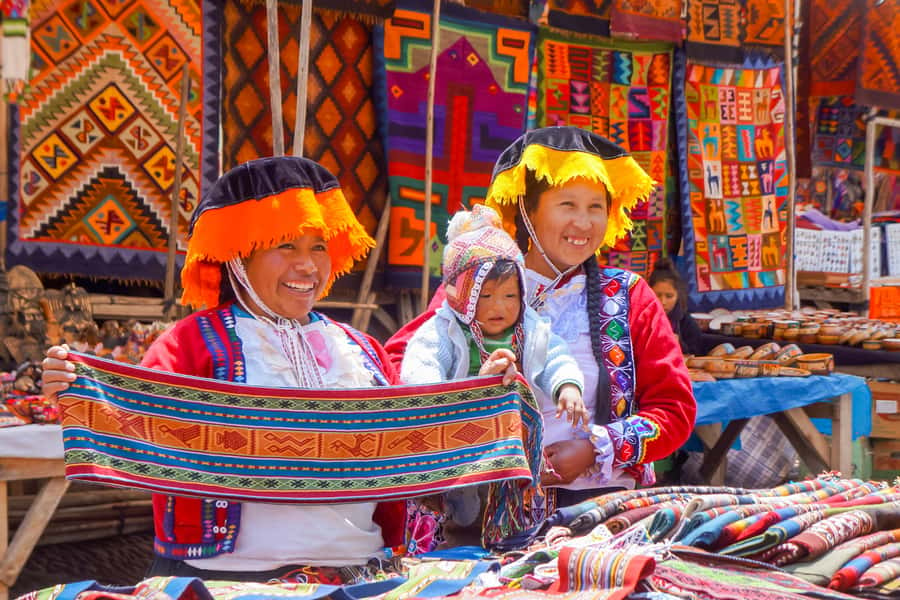
After the viewpoint, you head toward Pisac, where the day mixes archaeology and market time. On the Inca side, you’re looking at impressive stonework and agricultural terraces—evidence of how the Incas shaped the hillside into usable land. On the human side, you’re in the middle of the region’s craft and commerce scene.
I like this stop because it feels grounded. You don’t just look at stones and leave. You get to see how people keep making things, selling things, and using the valley’s identity in daily life. You can also pick up a feel for local style—textiles, colors, and materials that later connect directly to what you’ll see in Chinchero.
There may also be time to browse craft-focused shops around Pisac. One highlight described by a traveler involved learning about Inca jewelry being made, which fits the bigger theme: tradition as a living skill, not just a museum artifact.
If you want souvenirs, this is one of your better windows. Just keep your expectations realistic: you’re visiting as part of a schedule, so don’t plan on endless bargaining. Go for what you truly like, and move when the group moves.
Urubamba Lunch and the River Drive Between Sites
Once Pisac is done, you drive toward Urubamba. Here you’ll stop for a buffet lunch at a restaurant in town. The meal is included, and this is your main decompression break of the day.
A small note on timing: one review experience described lunch starting around 1:30PM and lasting longer than they expected, with the buffet beginning later than ideal. Another review mentioned they had about an hour for lunch. So plan for the possibility that lunch could feel either rushed or drawn out depending on the flow of your specific day.
Either way, the break is useful. You’ll be heading into the afternoon drive along the Urubamba River toward Ollantaytambo. Seeing the river corridor after you’ve learned about Inca irrigation logic makes the geography click. The valley isn’t only pretty; it’s functional.
If you’re sensitive to hunger or timing, consider keeping your stomach flexible—this is the only structured meal, and the day doesn’t treat it like an early coffee stop.
Ollantaytambo Ruins: Wiracocha-Linked Stonework
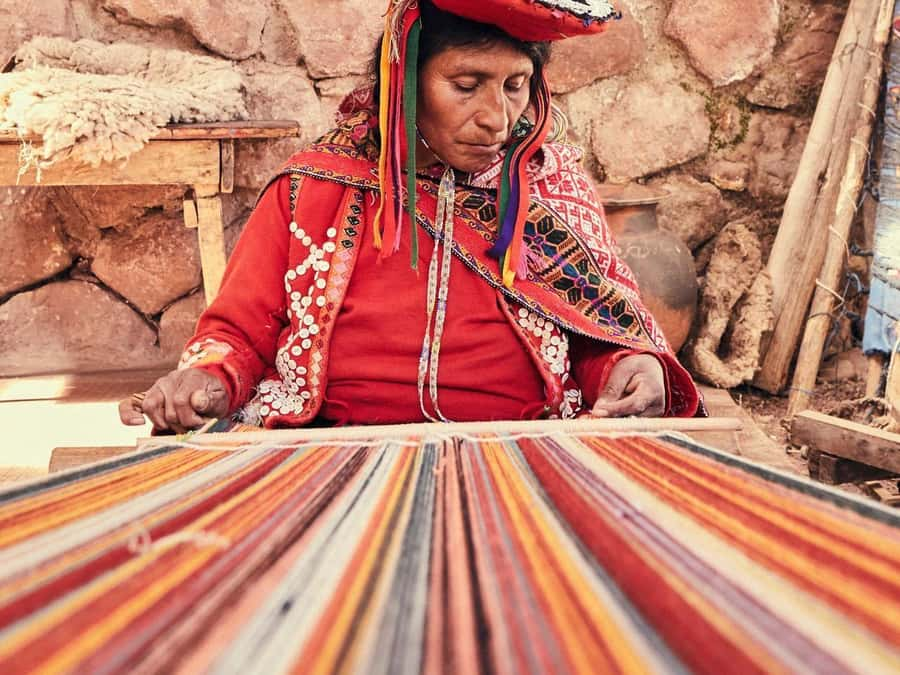
Next up is Ollantaytambo, one of the most important Inca construction areas in the Sacred Valley. The ruins here feel different from what you might expect because the site is all about scale and stone intention—architecture built to last and to matter.
This stop also includes a cultural layer from the guide. You’ll hear explanations about the Inca heyday and the site’s connection to spiritual ideas, including rock formations tied to the Inca god Wiracocha. That kind of interpretation helps you look at the stones as symbols, not just ruins.
I like Ollantaytambo as a “memory anchor” for the day. Once you’ve been here, it’s easier to understand why the Incas invested in strongholds and how their built environment supported both defense and belief.
How long you spend can vary based on your group pace, but the core idea stays the same: you’ll visit an extraordinary Inca site, learn from a bilingual guide, and get time to take photos without feeling totally rushed.
If you’re traveling at high altitude, keep your walking slower than you would at sea level. It’s not technical climbing, but the ground can be uneven, and the day is long.
Chinchero: Natural Dyes, Knitting Traditions, and Everyday Continuity
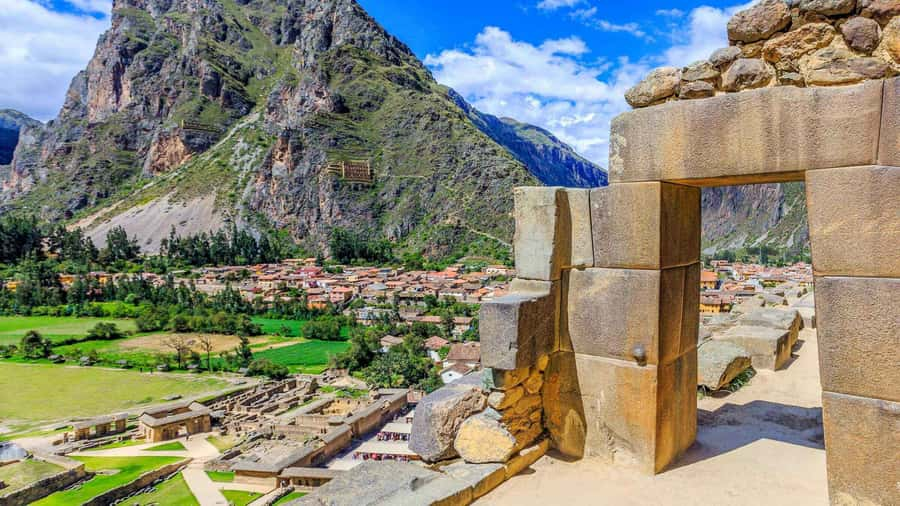
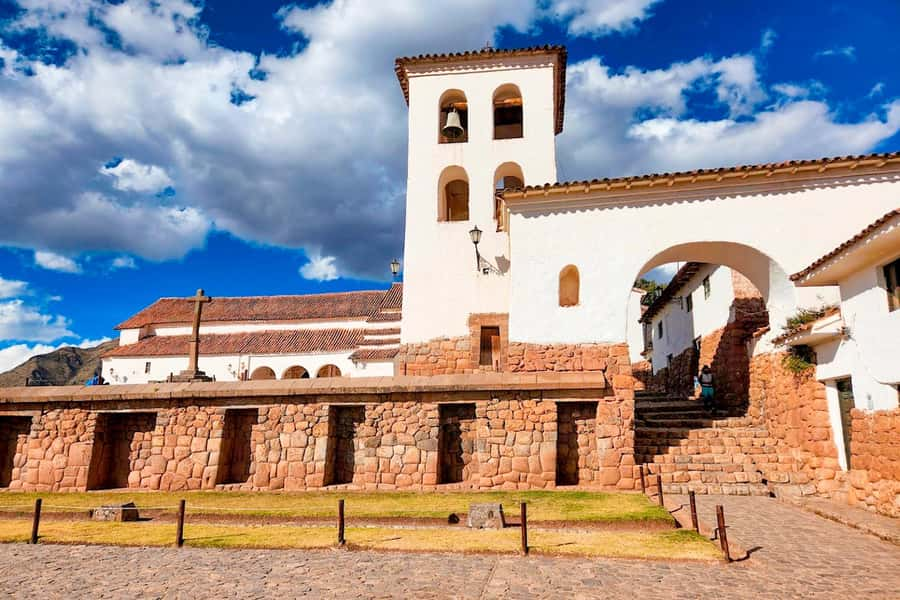
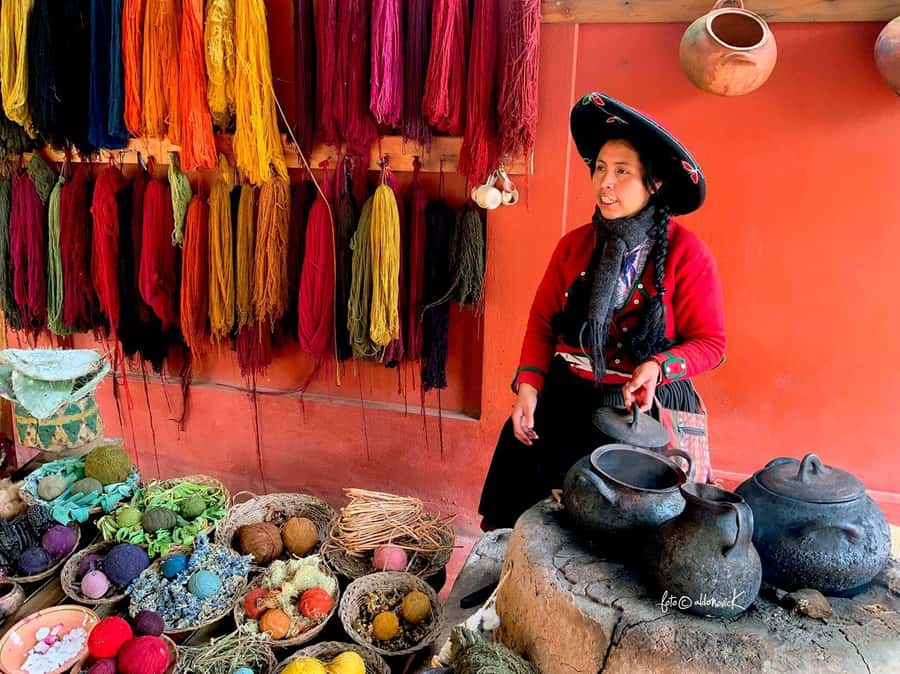
The final major cultural stop is Chinchero, a town known for textile traditions. Here you’ll see how natural dyes are made for artisanal textiles, and you’ll learn about dyeing and knitting techniques linked to Inca traditions.
What makes Chinchero special on this itinerary is that it’s not only about making. It’s about community. The tour explains how residents still live in dwellings and conditions nearly like those of ancestors, and that they dress in multicolored clothing and speak Quechua. You’re also shown how older customs continue rather than disappearing.
If you like craft work, this stop is often the most memorable because it’s practical and visual. The day turns from ruins and terraces to hands-on materials and color—something you can almost feel when you watch dyes being prepared and hear about how wool gets turned into clothing.
One useful tip pulled from a traveler’s experience: bring some cash if you want to buy textiles or related items. This helps you avoid the frustration of finding something you truly want after you’ve already planned your spending.
Wear comfortable shoes here too. Even if the pace is gentle, you’re still moving around in a town setting, and you’ll likely step on uneven areas.
Guides Matter: Bilingual Interpretation and Real Clarity
This tour stands or falls on guide quality, and the good news is that you’re set up with a professional bilingual guide in English and Spanish. Some travelers have specifically credited guides named Eddy and Manuel for explaining history clearly and speaking well in both languages.
What you want from a Sacred Valley tour is context you can actually use. Good guides connect the dots: why terracing exists, how irrigation supports crops, what a site’s layout says, and how traditions like textile dyeing fit the broader Inca story. When that happens, every stop feels more meaningful, not just like a sightseeing checklist.
If you’re English-speaking, this is a plus even for mixed groups. One experience noted that the van had mostly Spanish speakers, but the guide kept strong bilingual interpretation. That’s exactly what you’re paying for: explanations that don’t leave you behind.
Price and Value: Is $45 a Good Deal?
At $45 per person, this is positioned as a mid-range, full-day culture and archaeology route from Cusco. The headline value comes from the combination of:
- multiple major Sacred Valley stops (Pisac, Ollantaytambo, Chinchero),
- a bilingual guide,
- transportation all day,
- and a buffet lunch in Urubamba.
Also pay attention to the fine print around sites. A touristic ticket is listed as S/70.00 per person, and entrances to ruins are included only if the selected option includes them. That means the all-in cost can vary depending on what you choose when booking. Before you go, make sure you understand whether you’re paying extra at the sites or whether entrances are already covered.
Still, even with possible add-ons, this tour often feels like good value because you’re not just paying to get driven—you’re paying for guided interpretation that turns the route into an actual learning day.
Small-Group Reality: Waiting, Timing, and the Lunch Window
A “small group” tour sounds perfect, but the real world includes a little chaos. One experience described initial confusion about pickup timing, plus a period where the van sat at a transport area before the tour officially started. Once things got moving, the tour itself delivered.
That’s the part to plan for: the big stops start once everyone is collected and the group is coordinated. If you have a tight schedule that day (like a later appointment), give yourself buffer time.
Then there’s lunch timing. Even though lunch is included, you may not eat at the time you expect. One traveler described lunch starting later than ideal and running longer. In a long day like this, that can affect your energy and appetite, so go in prepared to be flexible.
The good part: with only up to 15 participants, you typically get more attention from the guide and more comfortable movement through stops than on large group tours.
Who This Tour Suits Best
This Sacred Valley full-day tour is a strong match if you:
- want a structured route that covers major stops without planning transportation,
- enjoy guides who explain Inca history in both English and Spanish,
- like markets and textiles as much as ruins,
- and prefer one-day “highlights” over slow, multi-day wandering.
It may feel less ideal if you’re the type who wants to spend lots of quiet time in one place. The itinerary is full, so you’ll likely experience each site at a good-but-not-long level.
One additional note: the tour is not suitable for wheelchair users. You’ll be walking on uneven terrain across ruins and around town areas.
Should You Book This Sacred Valley Day Tour?
Yes, if you want a well-paced overview that ties together the Sacred Valley’s geography, Inca engineering, and living traditions. The strongest reasons to book are the combo of Písac (market plus terraces), Ollantaytambo (big Inca stonework with guide interpretation including Wiracocha references), and Chinchero (natural dye and textile traditions in a living Quechua community).
Book with a realistic mindset about timing. Start your day ready for an early pickup and some waiting before departure. Bring comfortable shoes, and if you want textiles, plan for cash.
If you’re trying to decide between this and a slower option, pick this when you want one day to do the heavy lifting. Then, if a site truly grabs you, you can always return on your own later with more time.
FAQ
What is the duration of the Cusco Sacred Valley history tour?
The tour is listed as 11 hours long.
What time does the pickup from Cusco usually happen?
Pickup from hotels in the historic center of Cusco is around 7:30AM.
Where do you get dropped off at the end of the tour?
You’re dropped off at Plaza Regocijo.
How many people are in the group?
The tour is limited to a small group of up to 15 participants.
What’s included in the price of $45?
Pickup and drop-off (historic center Cusco to Plaza Regocijo), transportation, a bilingual professional guide (English/Spanish), and a buffet lunch in Urubamba are included. Entrances to ruins are included if the selected option includes them.
Is the touristic ticket included?
No. The touristic ticket is listed as S/70.00 per person.
What stops are included on the itinerary?
You visit El Mirador, Písac, Urubamba for lunch, Ollantaytambo, and Chinchero.
What language is the guide?
The guide provides live interpretation in English and Spanish.
Is lunch included, and where do you eat?
Yes. You’ll have a buffet lunch in Urubamba.
What should I bring?
The tour recommends comfortable shoes. If you want to buy textiles, you may also want cash for purchases in Chinchero.