REVIEW · COIMBRA
Cycle to Ancient Dolmens in Azenha. History, Theory & Folklore Guided Tour
Book on Viator →Operated by Out of the Norm Experiences · Bookable on Viator
Dolmens wait just beyond the cycle path. This 4.5-hour ride near Coimbra mixes biking with guided history, theory, and folklore, then takes you inside ancient dolmens that date back about 3500BC. The small group size (up to 8) and the energetic storytelling style led by Ross make the route feel personal, not rushed.
I especially like how the tour builds in multiple reset points: a nature stop at Cara Creek, a water break along the Mondego, and a proper pause for food in Azenha. One thing to consider before you go: this is a cycling tour with moderate physical fitness in mind, and parts of the ride can feel demanding, especially in strong sun or wind.
In This Review
- Key moments you shouldn’t miss
- Why Azenha’s dolmens feel like a time machine
- Cara Creek Eco Lodge: your first taste of the route
- Mondego River cycling and the River of Poets water stop
- Azenha café break: snack, local flavor, and a reset
- The seven-site circuit: views, folklore, and chakra rituals
- Fiais da Telha: stepping into a passage mound dolmen from 3500BC
- Back to Azenha and onward to Cara Creek: cool-down time
- Price, pace, and what $36.05 buys you
- What to bring so the day feels easier
- Who this tour suits best (and who might pause)
- Should you book Cycle to Ancient Dolmens in Azenha?
- FAQ
- How long is the Cycle to Ancient Dolmens in Azenha tour?
- What is included in the price?
- How many people are in the group?
- What physical fitness level do I need?
- Is the tour fully guided and in English?
- Is the tour affected by weather?
Key moments you shouldn’t miss
- Small group size (max 8) keeps the pace friendly and the stories easy to follow
- Cara Creek Eco Lodge stop gives you access to a natural pool and river-style swim areas
- Mondego River water break includes a poetic stop point called River of Poets
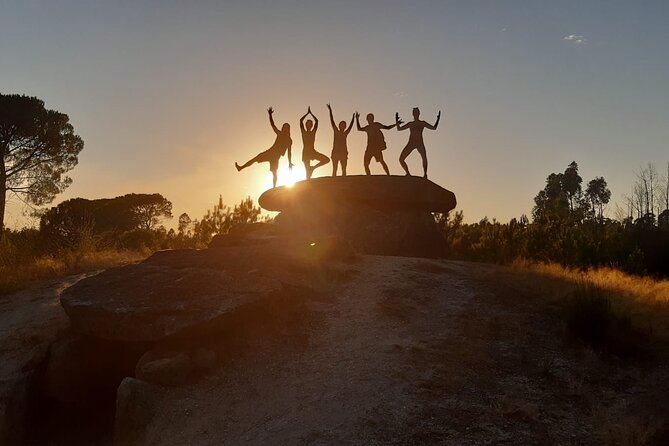
- Seven-site circuit blends views with Portuguese folklore and a group ritual component
- Fiais da Telha dolmen entry lets you step into a larger remaining passage mound tomb
- Breathwork and mindful eating turn the stops from sightseeing into something calmer
Why Azenha’s dolmens feel like a time machine
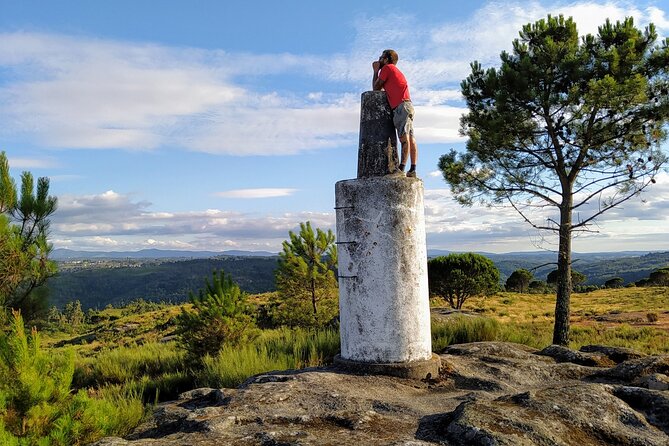
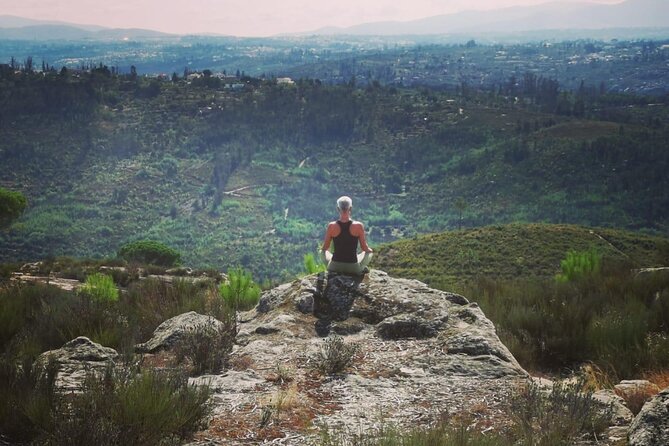
Azenha’s prehistoric sites don’t sit in a museum box. They’re out in the open—on paths, viewpoints, and earthy grounds where wind and light do the talking. That matters because you don’t just learn facts. You start to understand why people kept returning to these places and why folklore grew around them.
The tour’s format is also smart. You don’t get one long lecture and then rush to photos. Instead, you cycle, stop, snack, learn, and then reconnect with the land again through short breathwork and simple chakra-based rituals. It’s a rare mix of movement and stillness, all within a half-day.
And Ross’s guide style seems built for attention spans. People consistently describe him as funny, animated, and actively keeping the group engaged—without turning the tour into a nonstop performance. If you like history with personality, this kind of guide can make the difference.
Cara Creek Eco Lodge: your first taste of the route
The day starts at Cara Creek Eco Lodge. The meeting point is straightforward, and you begin with registration in the main lodge plus complimentary refreshments. It’s a nice way to settle in before you start cycling, especially if you’re arriving from Coimbra and just want things to feel simple.
What I like here for practical reasons: Cara Creek isn’t just a backdrop stop. You get an orientation of the facilities and access to natural pool options and river beach-style areas (plus a swimming creek area). Even if you don’t have time to linger long, knowing that you can cool off after the ride is genuinely useful.
A small caution: this is a bike tour, so you’ll likely want comfortable clothes you can move in. At the same time, Cara Creek is the right place to plan for cooling down later, since you’ll be heading downhill on the way back.
Mondego River cycling and the River of Poets water stop
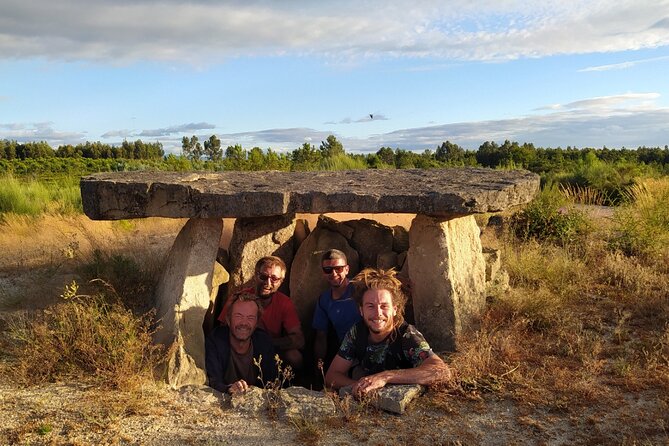
After setup, the ride shifts into real rhythm. You cycle with the guide toward a first nature stop called River of Poets, along the Mondego River area. This is where you get a regular water stop as part of the planned route.
The route distance mentioned is 3.7km to the archaeological complex area. That’s not a huge number, but cycling distance doesn’t work like distance on a map—you feel hills, wind, and the stop-start flow. The good news: this tour doesn’t treat water breaks like an optional extra. It builds them in, which helps you keep your energy for the dolmen section later.
If you’re the type who likes small pauses to look around, this stop is a good one. The river setting gives you a calmer break before you start climbing into the prehistoric sites where the stories and rituals take over.
Azenha café break: snack, local flavor, and a reset
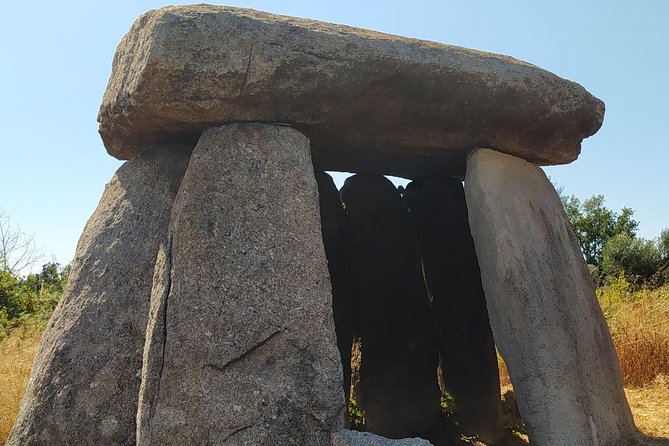
About halfway through the tour, you get a short stop at a local cafe in Azenha. The food is described as artisanal meats and cheese, plus there’s knitwear on offer—so it’s a community stop, not a tourist-only snack bar.
Your guide will purchase a refreshment included with your tour admission. That small detail matters because it removes a decision point. You don’t have to figure out what to order while you’re also thinking about bike legs and sun exposure.
Time-wise, it’s about 45 minutes, which is long enough to eat and relax, but not long enough that the day drags. If you like tours that feel efficiently scheduled without being tight, this is the balance.
One practical note: cafes in small towns can be a little informal. Keep it simple—grab your included refreshment, eat what feels good, and then be ready to hop back on the pace once the guide calls the group.
The seven-site circuit: views, folklore, and chakra rituals
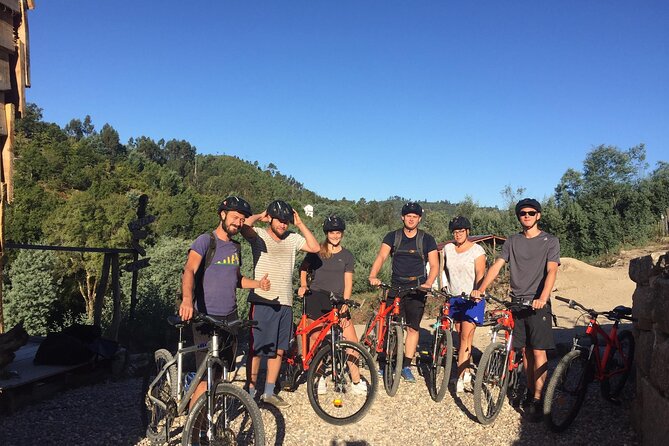
Now you move into the heart of the experience: a circuit around the prehistoric area labeled Circuito Pre-histórico Fiais/Azenha. This part focuses on seven sites and is built for both learning and group connection.
Here’s what makes it different from a typical archaeology walk:
- You go to seven sites for views, so it’s not just one dolmen, but several stops where you can compare settings and scale.
- You learn Portuguese history and folklore connected to the dolmen locations. Even when you don’t catch every detail, the way the stories are framed helps the terrain feel meaningful.
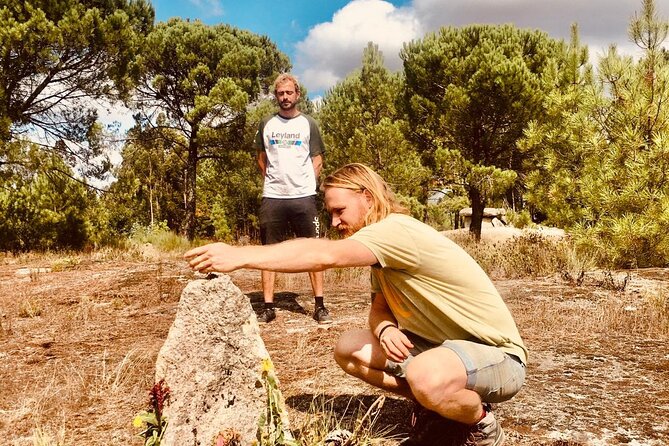
- You also come together to perform seven simple chakra-based rituals. This is participatory, but it’s structured and light, not something that requires any prior belief system.
The rituals component is the wild card. Some people will love it because it makes the day feel like a shared experience, not just a checklist. Others may find it a little unusual if they prefer pure academic interpretation. Either way, it’s brief and guided, and it happens while you’re surrounded by the very land the stories refer to.
If you’re worried about getting bored on tours, this section usually fixes that. The mix of viewpoint stops plus story plus short group rituals keeps the energy moving.
Fiais da Telha: stepping into a passage mound dolmen from 3500BC
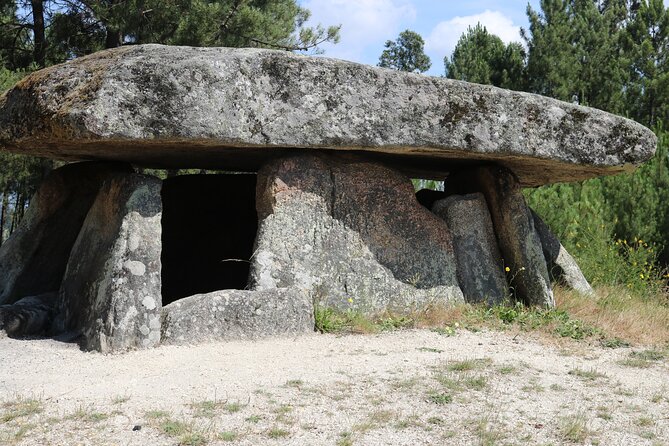
The tour’s dolmen peak is Fiais da Telha. Here you enter one of the larger remaining passage mound dolmens in the world, dating back to around 3500BC. Being able to enter is important. Dolmens are easier to feel than to picture from outside, and scale changes your understanding fast.
This stop also slows down. You get light snacks for mindful eating and then a short breathwork meditation led by the guide. That combination is thoughtful: food first keeps you steady, then breathwork gives you a moment to settle your attention after physical effort.
If you’re a photo person, you’ll likely want time here. But don’t spend the whole moment behind your camera. The breathwork portion is short, yet it can make the site land differently. It’s less about wow-factor and more about quiet focus.
Also, expect a slightly longer commitment than the quick viewpoint stops earlier. This dolmen entry is the section where you may feel the most “present” because you’re inside a structure built for another era’s understanding of the world.
Back to Azenha and onward to Cara Creek: cool-down time
After the main dolmen section and the rituals and meditation, you loop back with a final cafe stop in Azenha for a quick refresh. Then you return downhill with wind in your hair back toward Cara Creek Eco Lodge, which is also your end point.
What’s smart here: you don’t just finish the ride and disappear. You’re given a chance to shower or cool down with a quick dip in the pool at Cara Creek. That’s practical comfort, not a luxury extra, especially after cycling in warmer weather.
If you prefer comfort for the end of a tour, this is a highlight. Many bike tours end with you figuring out how to get cleaned up and how to cool down. Here, the venue already has natural pool space and river-style swim areas.
Price, pace, and what $36.05 buys you
At about $36.05 per person for roughly 4 hours 30 minutes, the value comes from what’s included rather than just the “guided tour” label. You get a guided cycling route, multiple stops, and food components at least twice—refreshments at the start, a cafe snack break, and light snacks at the dolmen stop.
You also benefit from the mix of admission types along the way. Cara Creek includes an admission ticket, while other stops are listed as admission-free within the tour flow. In plain terms: the price doesn’t just pay for storytelling. It covers time in specific places tied directly to the experience.
Add the group size limit (max 8), and you get a better shot at paying attention. Small groups often mean fewer delays and more time at the meaningful points.
The pace is best described as active with thoughtful pauses. You should expect cycling plus walking through site areas. The physical requirement is listed as moderate fitness, so if you can handle a few active hours with stops, you’re in the right zone.
What to bring so the day feels easier
I’d plan for sun and wind since at least one participant specifically called out hot sun. Practical basics help a lot:
- sunscreen and a hat (for the cycling and viewpoint stops)
- a water bottle backup, even if the plan includes water stops
- light layers, since a downhill return can feel cooler
- shoes that work on uneven ground near prehistoric sites
Who this tour suits best (and who might pause)
This tour fits you well if you want:
- guided stories tied to real prehistoric sites, not just a general overview
- a day that combines cycling with slower, mindful moments (breathwork and mindful eating)
- a small-group feel where Ross can keep the group connected and moving
It might be less ideal if:
- you prefer only academic, lecture-style archaeology with zero participatory elements
- you don’t want any cycling beyond very easy flat routes
- you get uncomfortable in heat, since the route includes open-air viewpoints and outdoor dolmen entry
If you’re visiting Coimbra and want an authentic experience that’s still structured, this is a strong choice because it’s built around a specific region rather than a “drive-by” tour style.
Should you book Cycle to Ancient Dolmens in Azenha?
If you like tours that feel like a story you can walk through, I’d book it. The combination of a guided cycling route, dolmen entry at Fiais da Telha (around 3500BC), and Ross’s engaging storytelling style creates a memorable mix of body and mind.
The “yes” decision is even easier if you want something active but not punishing. The tour’s moderate fitness level, built-in water stops, snack breaks, and end-of-ride cooling options at Cara Creek make it easier on a practical level.
The one reason to pause is weather. The experience requires good weather, and if conditions aren’t right you’ll be offered another date or a full refund. If your trip dates are flexible, that makes booking low-stress.
FAQ
How long is the Cycle to Ancient Dolmens in Azenha tour?
The tour runs about 4 hours 30 minutes.
What is included in the price?
You get a guided tour in English, a mobile ticket, and included food or refreshments at key stops, plus admissions where specified (Cara Creek includes an admission ticket and dolmen entry is part of the experience).
How many people are in the group?
The tour has a maximum group size of 8 travelers.
What physical fitness level do I need?
The tour asks for moderate physical fitness. Cycling and some site walking are part of the experience, so you should be comfortable with that.
Is the tour fully guided and in English?
Yes. It’s offered in English with a guide leading the route and activities.
Is the tour affected by weather?
Yes. It requires good weather, and if it’s canceled due to poor weather, you’ll be offered a different date or a full refund.