REVIEW · DURHAM NORTH CAROLINA
Durham African American History Tour
Book on GetYourGuide →Operated by Triangle Walking Tours · Bookable on GetYourGuide
Durham’s Black Wall Street story hits hard. This 1-hour walking tour links downtown landmarks to the bigger arc of Black enterprise and hope—especially during and after Reconstruction—with a local historian guiding the way. I like that the route is built around real, street-level places you can see, not just a slideshow.
Two things I also love: the guide’s storytelling, and the specific stops tied to Black-owned business life—like Merrick-Wright Barbers and Mutual Life Insurance. One thing to consider before you go: there’s no bottled water, and you should expect that you’ll view most sites from the outside since many remain private.
In This Review
- Key Highlights You Should Care About
- Finding The Right Starting Spot: Bronze Bull at C.C.B Plaza
- Why This Tour Works in Only One Hour
- The Downtown Framing: Ella West Gallery and the Black Wall Street Story
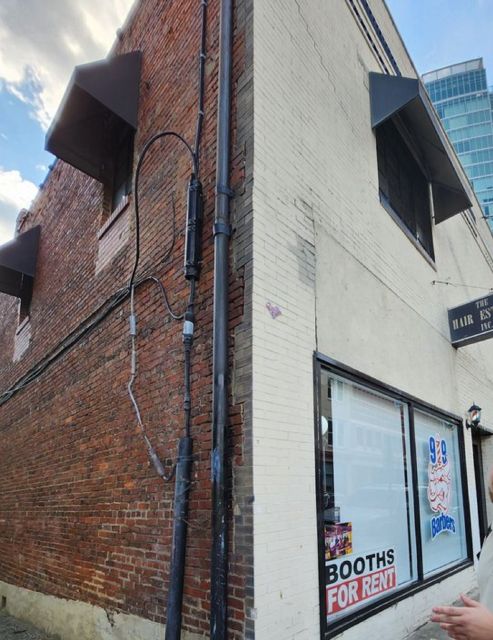
- Merrick-Wright Barbers: Where Community Belongs to Itself
- Mutual Life Insurance (and the NC Mutual Legacy): Power in Ownership
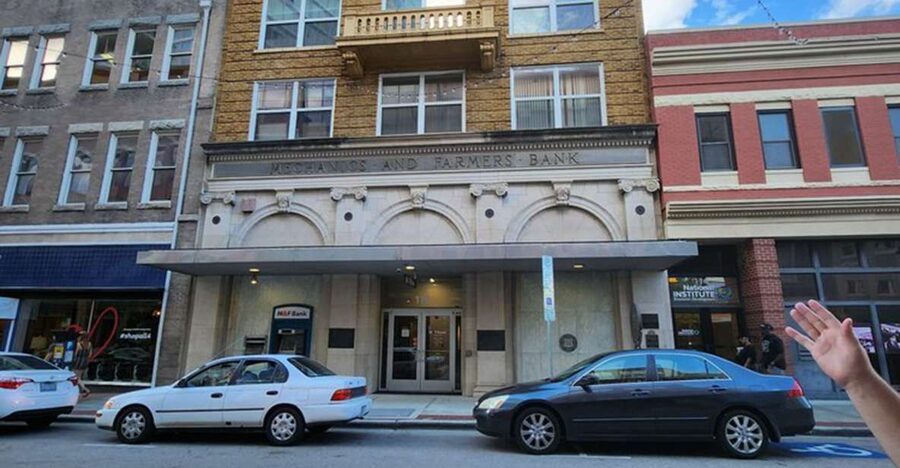
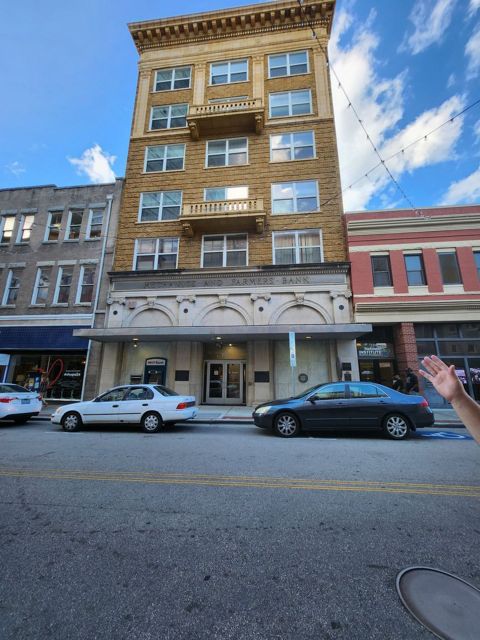
- Mechanics and Farmers Bank: Finance as Community Infrastructure
- How the Guide Connects Business to Civil Rights and Neighborhood Life
- Respect the Rules: No Recording, and Don’t Expect Building Access
- What to Bring (and What You’ll Wish You Brought)
- Price and Value: Why $19 Feels Fair for This Format
- Logistics That Matter More Than You Think
- Who This Tour Suits Best
- Should You Book the Durham African American History Tour?
- FAQ
- Where is the meeting point?
- How long is the tour?
- How much does it cost?
- Who guides the tour, and what language is it in?
- What should I bring?
- Is the tour allowed to record video or audio?
Key Highlights You Should Care About
- Meet at the bronze bull statue in C.C.B plaza so you can start on time and avoid wandering.
- A local historian, not a generic script, with lively, detailed explanations that connect the dots.
- Black Wall Street on foot with multiple downtown stops, including early business roots and later institutions.
- Real names, real places like Merrick-Wright Barbers, Mutual Life Insurance, and the Mechanics and Farmers Bank.
- A respectful ruleset for the walk: no video recording or audio recording.
- Bring water and comfortable shoes because it’s a tight, city-walking hour.
Finding The Right Starting Spot: Bronze Bull at C.C.B Plaza
The tour starts downtown, and the meeting point is easy to miss if you assume it’s by a landmark you know. Go to C.C.B plaza and look for the bronze bull statue—that’s where you’ll meet the guide. It’s a solid setup because you get your bearings fast before the walking begins.
If you’re coming with friends, this is one of those tours where meeting precisely matters. The route is only one hour, so plan for getting there a few minutes early.
Why This Tour Works in Only One Hour
Some history tours try to be everything. This one stays focused, which is exactly why it’s a good value—$19 for a guided walk with a historian voice and multiple downtown stops.
In an hour, you’ll get the story arc that ties Durham’s African American community to opportunity, ownership, and survival. The guide frames Durham as a symbol of hope for Black Americans, particularly in the Reconstruction era, then connects that theme to the institutions you can point at along the walk.
The Downtown Framing: Ella West Gallery and the Black Wall Street Story
The walk begins at Ella West Gallery in downtown Durham. Starting here matters because the tour doesn’t treat history like a distant museum subject; it treats it like something rooted in place and community.
From the start, expect the guide to talk about how Durham became a refuge of hope and opportunity. You’ll also hear how Black enterprise grew across different kinds of people—architects, artists, activists, and entrepreneurs—so the story feels human and varied, not one-note.
Merrick-Wright Barbers: Where Community Belongs to Itself
One of the standout named stops is the original site of Merrick-Wright Barbers. That matters because it represents everyday business life, not just big institutions. Small shops like this often served as social anchors—places where people gathered, exchanged news, and built networks.
On a tour like this, those kinds of stops are important because they help you understand how economic independence supported dignity. You start to see why a Black-owned business district could feel like more than commerce—it could feel like protection.
A practical note: since the tour doesn’t promise interior access, you should be ready to treat each stop as an outdoor interpretation. Comfortable shoes help here, because you’re constantly shifting from one “story location” to the next.
Mutual Life Insurance (and the NC Mutual Legacy): Power in Ownership

The route includes Mutual Life Insurance Company, highlighted as the largest Black-owned company in America for much of the 20th century. Even if you don’t know insurance history, the point of the stop is clear: this is what leadership and ownership can build over time.
This is where the tour’s Reconstruction theme really shows its long legs. The guide connects the early hope of Black community building to later stability created by financial power and institution-building. In other words, it’s not only about overcoming oppression—it’s also about creating something that endures.
When you’re standing downtown looking at a site like this, the story shifts from abstract to concrete. You can see how one organization’s growth can ripple through a neighborhood and beyond.
Mechanics and Farmers Bank: Finance as Community Infrastructure
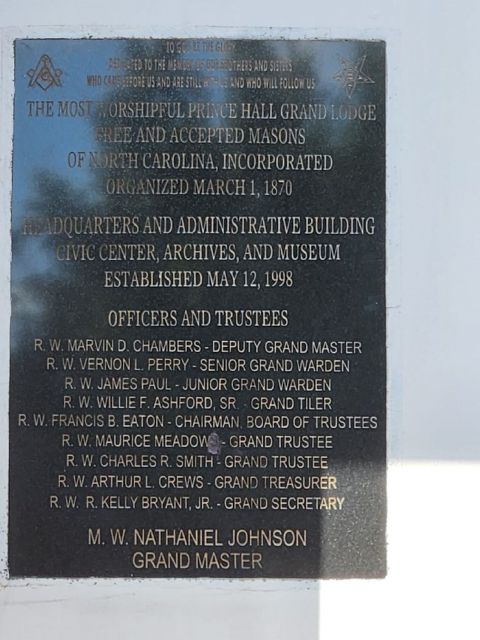
Another key stop is the Mechanics and Farmers Bank. Finance sounds boring until you understand what it means on the ground. A bank is where credit, savings, and stability can become real tools for people building businesses, homes, and futures.
This stop helps you understand why “Black Wall Street” is more than a nickname. It signals a place where Black economic life wasn’t dependent on permission from the outside. Instead, local institutions—run by and for the community—created momentum.
How the Guide Connects Business to Civil Rights and Neighborhood Life
The best part of a guided history walk is when the guide doesn’t just name places, but explains why the story continues to matter. The guide on this tour—often Andrew, sometimes called Andy—is a historian-storyteller who doesn’t keep things locked to one time period.
You may hear discussion that reaches into civil rights history and touches neighborhoods such as Hattie neighborhood. That kind of connection helps you leave with a fuller picture of Durham, instead of memorizing a list of sites that don’t connect to anything else.
It’s also why this tour feels engaging rather than dry. Andrew’s style tends to bring the past alive in a way that’s easy to follow while you’re walking and looking around.
Respect the Rules: No Recording, and Don’t Expect Building Access
Two rules affect your experience more than you might think. First, there’s no video recording or audio recording. That means you should plan to rely on your attention and whatever you can jot down by hand if you like to take notes.
Second, the tour does not necessarily include interior access to historic sites. Many locations remain private property, so you’ll often be viewing exterior sites and learning from their public street presence. This is normal for walking tours like this, but it’s worth mentally preparing for so you’re not disappointed when a door stays closed.
What to Bring (and What You’ll Wish You Brought)
Bring comfortable shoes. You’ll be moving around downtown, and the tour is only one hour, so you want your feet ready for a quick pace.
Also bring water. The tour does not provide bottled water or other walking accommodations, so plan to carry your own. In warm months, this becomes non-negotiable.
If you’re the type who likes photos, plan to take them where allowed. Since recording video/audio is not permitted, you’ll want to use your phone for quick visuals only, if that’s practical for you.
Price and Value: Why $19 Feels Fair for This Format
At $19 per person, you’re paying for a guided walking experience plus a historian’s explanations across multiple locations. That’s good value for a few reasons.
You’re getting:
- a local historian guide (the biggest quality factor here)
- a tight route with several named stops
- context that turns street corners into story anchors
If you compare this to paying for transit into multiple places on your own, the guided part becomes the real savings. The guide helps you understand what you’re looking at fast, instead of spending extra time figuring it out after you’ve already walked past the meaning.
Logistics That Matter More Than You Think
This is a wheelchair-accessible walking tour, which is helpful if you use a mobility device. The route is downtown walking, so do consider how your group handles sidewalks, curb cuts, and the pace of a one-hour itinerary.
The tour runs in English and is timed for about one hour, so it’s best as a standalone history orientation. If you pack another big activity immediately afterward, leave a little buffer. History walking is mentally active, even when you’re not going far.
Who This Tour Suits Best
This is a great fit if you:
- want a fast, high-impact introduction to African American history in Durham
- prefer guided interpretation over solo wandering
- like learning how business, institutions, and community pride connect
It’s also a good choice if you’re already interested in Black Wall Street themes and want a local, place-based version tied to specific downtown sites.
If you’re expecting a long museum-style experience or guaranteed inside access to buildings, you might find it too short. But if you want a focused walk with strong storytelling, it’s exactly the right length.
Should You Book the Durham African American History Tour?
If you want a compact tour that turns downtown Durham into a timeline of hope, business, and community-building, I’d book this. The strongest reason is the guide’s approach—Andrew/Andy’s style tends to be engaging, detailed, and connected to the bigger themes you actually care about: opportunity, resilience, and the way institutions shaped daily life.
Book it if:
- you like walking tours with named stops
- you want context that connects Reconstruction-era hope to later civil rights themes
- you want a fair-priced guided start point for exploring more Durham
Skip it (or at least adjust expectations) if:
- you need bottled water provided
- you’re counting on interior access to historic sites
- you strongly prefer audio/video recording during tours
FAQ
Where is the meeting point?
You meet in front of the bronze bull statue in C.C.B plaza.
How long is the tour?
The tour lasts about 1 hour.
How much does it cost?
It costs $19 per person.
Who guides the tour, and what language is it in?
A live guide leads the tour in English.
What should I bring?
Bring comfortable shoes and water.
Is the tour allowed to record video or audio?
No, video recording and audio recording are not allowed.