REVIEW · STOCKHOLM
From Stockholm: Viking Culture and Heritage Small Group Tour
Book on GetYourGuide →Operated by Sweden History Tours · Bookable on GetYourGuide
Vikings feel real here, not museum-flat. This small-group trip takes you from central Stockholm into Uppland’s countryside to see 1,000-year-old runestones and lived-in-looking sites. I love how the guide ties the stones to people and daily life, and I also love the small group size that makes questions easy (not just fast photo stops). One drawback: it’s mostly outdoors, so if you’re sensitive to cold or long periods outside, plan for it.
You’ll get a focused 3-hour route with hotel pickup, then a clear story arc from Viking burial rites to road-building and on to how society was organized. Just remember: there’s no food included, so bring a plan for snacking before or after.
In This Review
- 6 things that make this Viking Culture and Heritage tour worth your time
- From Stockholm city noise to Uppland Viking sites
- Broby bro burial ground: Jarlabanke Runestones and real Viking rites
- Jarlabanke Bridge and causeway: runestones that explain how travel worked
- Arkils tingstad: seeing the remains of a Viking parliament
- The countryside between stops: the view is part of the lesson
- How the 3 hours are paced (and what you might miss)
- Price and value: is $138 a smart spend?
- What to bring so the tour feels easy, not miserable
- Who this Viking Culture and Heritage tour is best for
- Should you book this Viking tour from Stockholm?
- FAQ
- Where does the tour start?
- How long is the tour?
- How big is the group?
- Is food included?
- What’s the language of the guide?
- What Viking sites are visited?
- Are there runestones on the tour?
- Is there pickup only in central Stockholm?
- Is the tour refundable if plans change?
6 things that make this Viking Culture and Heritage tour worth your time
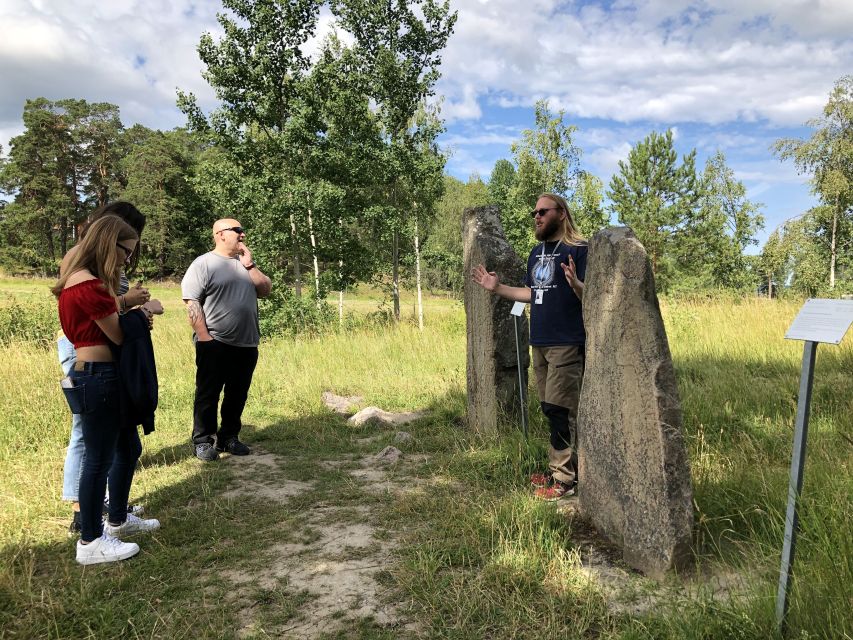
- Broby bro (Jarlabanke Runestones) burial ground: learn Viking burial rites and the mix of pagan and Christian traditions
- Estrid the Viking woman: a specific, memorable character in the story, not just generic Vikings
- Jarlabanke Bridge and causeway sites: see runestones tied to roads and movement through the countryside
- Reconstructed Viking bridge experience: helps the site make sense fast, even if you’re not a history person
- Arkils tingstad Viking parliament remains: get a practical sense of how society worked
- Max 16 people: you’re not lost in a crowd, and the guide can answer real questions
From Stockholm city noise to Uppland Viking sites
This tour is built for people who don’t want a big, slow day trip. You start with hotel pickup in central Stockholm (within 5 kilometers of Stockholm Central Station), then you head out toward Uppland, where the pace drops fast. By the time you start stopping at sites, the countryside view does more than look pretty—it helps you understand why Vikings chose certain routes and settlement locations.
A key value here is focus. Instead of trying to cover everything Viking-related, the tour follows a theme: how people marked status and memory (runestones and graves), how they moved through territory (bridges and roads), and how they organized community decisions (the parliament remains at Arkils tingstad). That structure makes the history stick.
Also, the guide style matters. On this kind of tour, you either get a talk that’s mostly film-and-series trivia, or you get grounded explanations. The best part of this experience is that the facts are delivered clearly, with enough color to keep it interesting—without turning it into a performance.
You can also read our reviews of more historical tours in Stockholm

Broby bro burial ground: Jarlabanke Runestones and real Viking rites
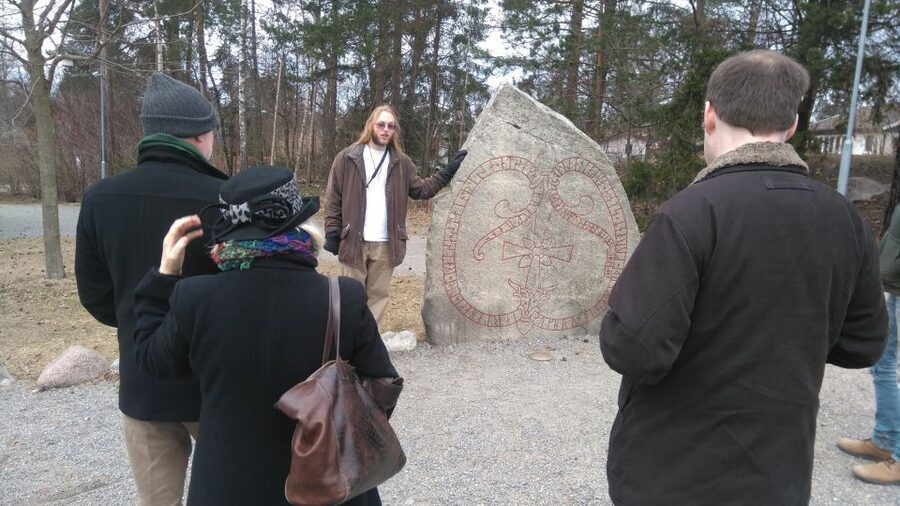
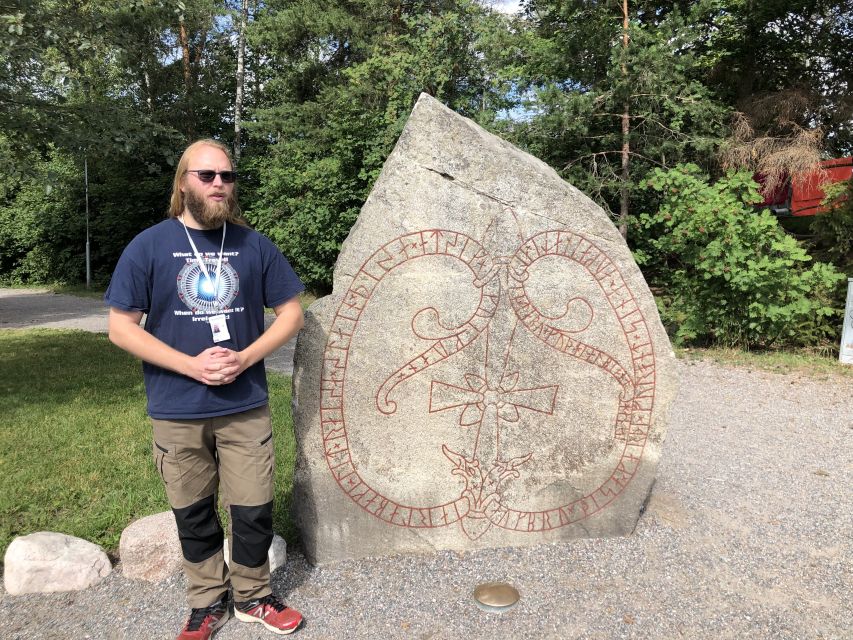
The first major stop is Broby bro, tied to the famous Jarlabanke Runestones. This isn’t just a place to read inscriptions from a distance. You learn how burial practices worked, and you also get stories that connect pagan and Christian traditions. That blend is important because it reflects how real communities change over time, not a clean before-and-after switch.
What I like is that you’re not only hearing about death. You’re learning about identity. Runestones weren’t random memorials; they were statements—about families, power, and belonging. At Broby bro, you get a sense of how families wanted their presence to last.
You’ll also hear about Estrid, described as a mighty Viking woman. That detail matters because a lot of Viking history you see online is too male-focused and too generic. Bringing Estrid into the story gives you a broader picture of who held influence and how they might be remembered.
One practical consideration: this is a standing and walking stop. If it’s cold (and in winter it can be very cold—one group experienced around -10°C), wear proper layers and bring gloves. Comfort affects how much you can actually take in.
Jarlabanke Bridge and causeway: runestones that explain how travel worked
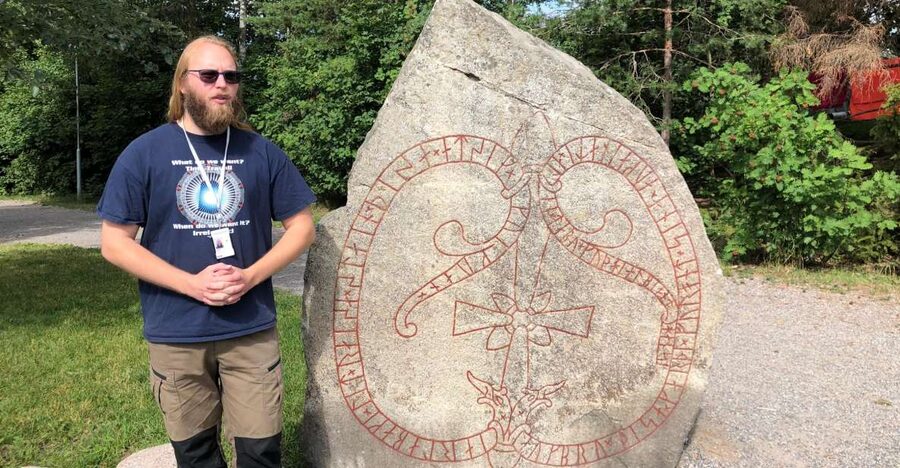
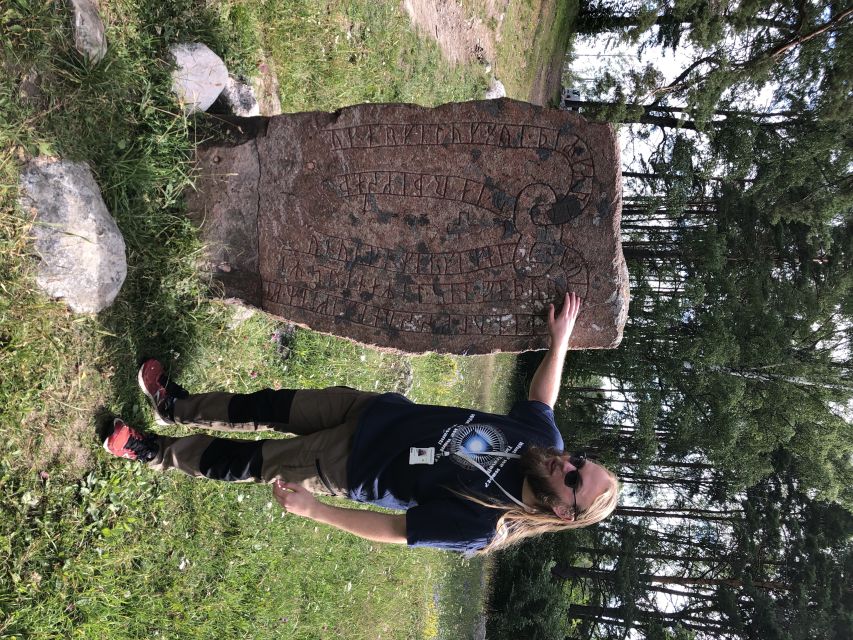
Next comes the Jarlabanke Bridge area at the entrance to a causeway. This is where the tour turns from memorials to infrastructure. You’ll visit raised runestones typical of the Vikings, and you’ll hear how bridges and roads were built and used to move through the landscape.
For me, this is one of the most satisfying parts of the tour because it stops the history from feeling abstract. When you understand that bridges and routes were practical tools for control, trade, and travel, the runestones make more sense. They become more than “old carved rocks.” They mark places where people would have had reason to stop, cross, and remember.
You’ll also get the story of the Viking chief Jarlabanke and his clan. That’s useful because it gives names and relationships to the sites you’re seeing. Instead of memorizing dates, you learn who mattered in this region and why markers like these got placed where they did.
If you’re the type who likes photos, this stop has lots of visual payoff: stone details, the bridge structure, and the sense of a route leading somewhere. Just don’t rush it. Take a few minutes to look at how the stone placements relate to the pathway and crossings.
Arkils tingstad: seeing the remains of a Viking parliament
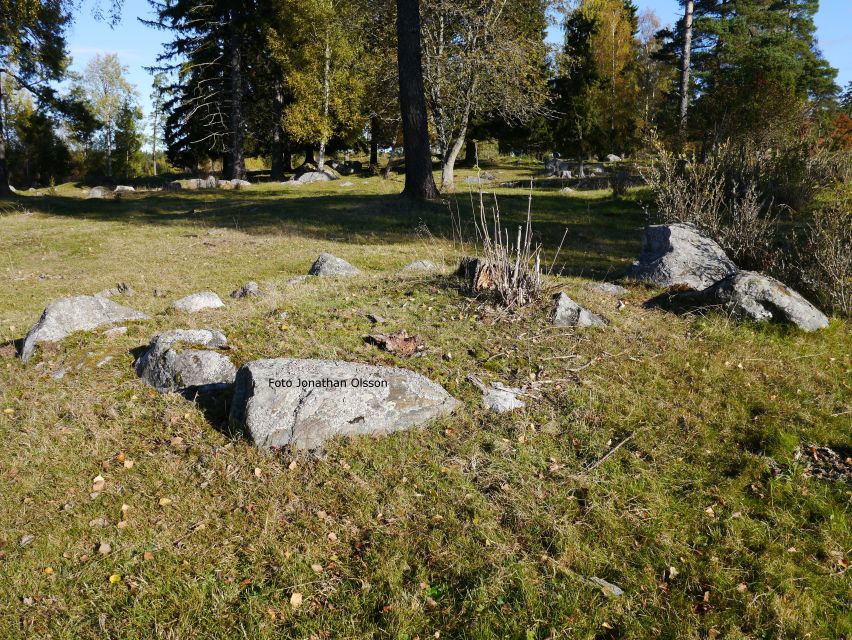
The final big history stop is Arkils tingstad, where you can see the remains of a Viking parliament. This is the part that surprised me (in a good way), because it shifts the story away from raids and ships—toward how societies actually made decisions.
You’ll learn how Viking society was organized, and you’ll see how the space itself supports the idea of assembly and discussion. Even without dramatic reconstructions, the concept becomes clear: people needed a place to gather, talk, and settle matters. It’s one of the most “wait, really?” moments on a Viking-themed outing—because it shows governance, not just fighting.
One thing to keep in mind: because this is a historical remains site, it’s not designed to look like a modern attraction. Your payoff comes from the explanations your guide gives while you’re standing there. If you like a guide who points out what you’re actually looking at, this is a good match.
The countryside between stops: the view is part of the lesson
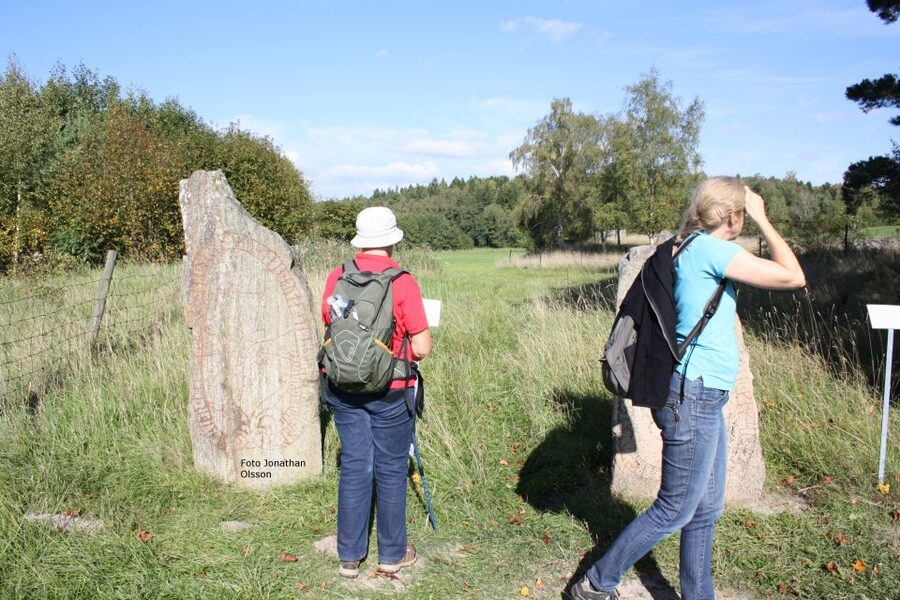
This tour is only 3 hours, but it spends time in the countryside enough that you’ll feel like you left the city. That matters because Viking-era sites are tied to terrain: crossings, burial ground location, and meeting places. The countryside helps you understand why those spots would have mattered.
You’ll get a sense of the region surrounding Stockholm—quiet roads, open stretches, and the kind of “you can see far” geography that supports movement and visibility. It’s hard to explain, but standing in those spaces makes the history feel less like a textbook and more like a map you can mentally reconstruct.
In practical terms, the ride time gives you a warm-up buffer before the walk stops. If you start the tour dressed lightly for a city day, you’ll likely feel it once you’re outside between stops—again, layers are your best friend.
How the 3 hours are paced (and what you might miss)
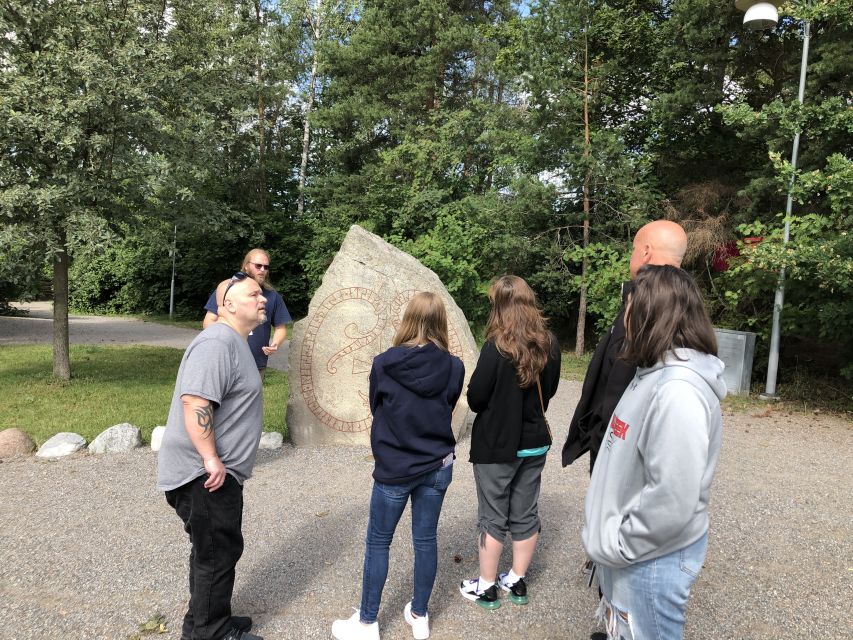
This is a short tour by design, and that’s a strength if you want a high-impact introduction. You’ll cover multiple sites—Broby bro, the Jarlabanke Bridge area, and Arkils tingstad—without burning an entire day on transit.
The trade-off is depth. You can’t expect museum-level reconstruction at every stop. Instead, you get guidance that connects the dots: burial rites and memorial culture, then travel infrastructure, then social decision-making. If you like your history delivered as a story you can carry, this timing works well.
Also, small-group pacing means you can move at a comfortable pace. With a maximum group size of 16, you’re not stuck behind a wall of shoulders. That makes it easier to keep up with stone details and explanations.
If you’re the type who wants a long, slow visit to one site to read every inscription, you may want a second longer stop afterward. But for a first Viking outing from Stockholm, this tour is an efficient way to get oriented fast.
Price and value: is $138 a smart spend?
At about $138 per person for a 3-hour small-group tour, you’re paying for three things: guided interpretation, transportation, and access to multiple specific historic sites tied to Viking-era themes.
Here’s how I think about value:
- You get pickup and drop-off within 5 kilometers of Stockholm Central Station. That convenience is real in a city like Stockholm, where getting out to the countryside without a plan can be tricky.
- The guide is doing the work of translation. Runestones and remains are much easier to understand with an English guide who can connect what you’re seeing to Viking life.
- You cover several distinct site types (burial ground, bridge/causeway marker area, and parliament remains). In a short window, that variety gives your brain a fuller picture.
Food isn’t included, so you’ll want to plan a snack stop before or after. If you’re the kind of traveler who would rather spend time in one or two places for a longer period, you might feel rushed. But if you want an organized overview with meaningful stops, $138 for 3 hours with pickup and a small group can feel fair.
What to bring so the tour feels easy, not miserable
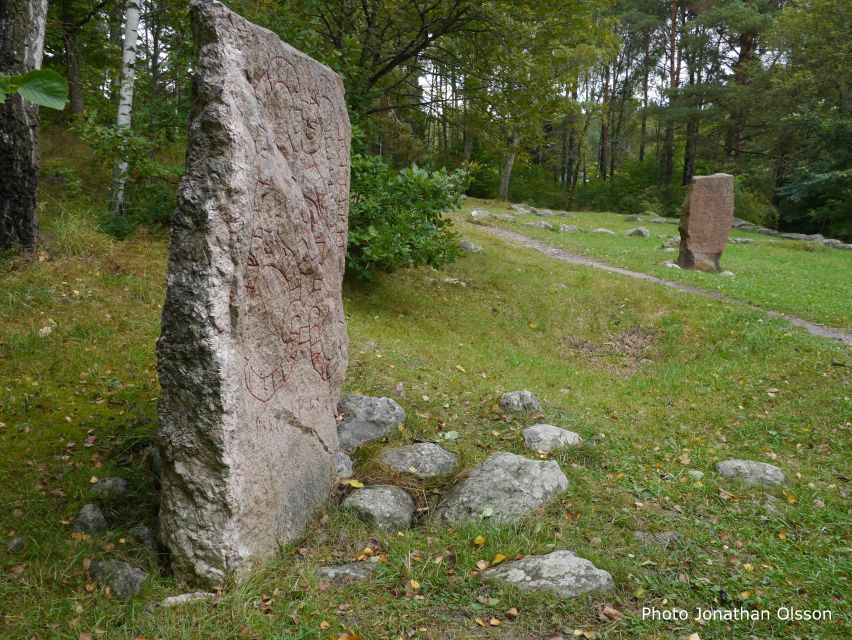
Because this is a countryside walk-and-stand style experience, your clothing matters more than you think. Bring:
- Warm layers (thermal base layer helps)
- Gloves and a hat for cold stops
- Good winter footwear if there’s ice or packed snow
- A snack or drink since food isn’t included
One review mentioned touring in around -10°C, which is a big hint about how winter conditions can bite. Even if your weather is milder, you’ll be outside long enough for cold to become the main character if you’re underdressed.
If you forget something, it won’t ruin the tour, but comfort will impact how much you can absorb.
Who this Viking Culture and Heritage tour is best for
This tour fits best if you:
- Want a Viking overview with real place names, not generic “Vikings 101”
- Like hands-on history where you can connect runestones, infrastructure, and society
- Prefer small-group tours over crowded bus experiences
- Enjoy guides who explain facts clearly and keep it grounded
It may not be ideal if you:
- Need long seated time or minimal walking
- Want lots of indoor activities
- Are hoping for a full day devoted to one site
Should you book this Viking tour from Stockholm?
If you’re visiting Stockholm and want a focused Viking outing without committing to an all-day excursion, I’d say yes—especially if you enjoy learning how people lived, not just what they did in stories.
Book it if you want:
- A 3-hour plan that hits multiple meaningful Viking sites
- A small-group experience where your guide can explain the details
- Hotel pickup convenience that keeps the day from turning into logistics
Skip it if you’d rather spend more time reading inscriptions slowly or if you’re not up for cold outdoor stops. Otherwise, this is a strong way to get Viking history to feel real—runestone by runestone—while still being back in Stockholm at a reasonable hour.
FAQ
Where does the tour start?
It includes hotel pickup and drop-off if you’re located within 5 kilometers of Stockholm Central Station.
How long is the tour?
The duration is 3 hours.
How big is the group?
It’s a small group tour with no more than 16 people.
Is food included?
No, food is not included.
What’s the language of the guide?
The live tour guide is in English.
What Viking sites are visited?
You’ll see Broby bro (Jarlabanke Runestones) burial ground, the Jarlabanke Bridge area and causeway sites, and the remains of a Viking parliament at Arkils tingstad.
Are there runestones on the tour?
Yes. You’ll see 1,000-year-old runestones, including those typical of Viking raised runestone placements.
Is there pickup only in central Stockholm?
Pickup is available from hotels and accommodation located within 5 kilometers of Stockholm Central Station.
Is the tour refundable if plans change?
Free cancellation is available up to 24 hours in advance for a full refund.