REVIEW · WALVIS BAY
From Walvis Bay: Sandwich Harbour World Heritage Site
Book on GetYourGuide →Operated by Africa Edge Tours and Safari cc · Bookable on GetYourGuide
That first stretch of coast feels like a secret world. From Walvis Bay to Sandwich Harbour, this 4×4 tour takes you through wetlands where birds rule, then into dune-and-beach country where your guide helps you spot wildlife and small critters that most people miss.
I like how the experience mixes big sightings (think flamingos and wetland birds) with smaller, close-up nature finds such as the fog-basking beetle and the “white lady of the Namib” dancing spider. I also like the personal guiding style—English/Afrikaans guides stay focused on your pace and your photos, with several stops designed for viewing and camera time.
One thing to consider: the coastal driving depends on weather and tides, so the exact beach segments and what you see can shift day to day. Bring the right gear for wind and sand, and keep expectations flexible.
In This Review
- Key things to know before you go
- Walvis Bay Flamingos First: Where the Wetland Begins
- 4×4 Driving Through Namibia’s Wetlands (And Why It’s Worth It)
- Wildlife odds: what you should watch for
- Ramsar Wetland Birding at a Local Hotspot
- Timing, Tides, and the Drive to Sandwich Harbour Lagoon
- When you might miss a piece
- Lunch Over the Atlantic: How the Day Breaks
- Wildlife on the Return Drive: What You Might Spot
- Optional Dune Climbing and Sandboarding-Style Moments
- What to Pack for Wind, Sand, and Camera Time
- Price and Value: What $138 Buys You
- Who This Tour Suits Best
- Should You Book the Walvis Bay to Sandwich Harbour 4×4 Tour?
- FAQ
- How long is the tour from Walvis Bay to Sandwich Harbour?
- Where do we meet for the tour?
- Does the tour visit Sandwich Harbour Lagoon?
- What’s included in the price?
- Is lunch included?
- Is sandboarding or dune climbing part of the experience?
- What wildlife and birds should I expect to see?
- What should I bring?
- Are pets or drones allowed?
- Is the tour wheelchair accessible?
- Is there a cancellation window for a full refund?
Key things to know before you go
- Two wetland sites in one outing, including Sandwich Harbour (UNESCO World Heritage) and a second Ramsar stop.
- A 4×4 route built for tidal lagoons, mudflats, and sandbars, where birds feed and rest.
- Strong focus on photo-friendly stop times, not just driving past the views.
- Optional dune climbing when conditions allow, and reviews mention sandboarding-style fun.
- Likely wildlife moments beyond birds, such as oryx/springbuck, ostrich, and jackal on the return drive.
Walvis Bay Flamingos First: Where the Wetland Begins
You start near Walvis Bay’s lagoon area, meeting your guide around Walvis Bay parkrun and the waterfront zone. If you’re coming in with a cruise liner, the meeting point switches to the harbor gate, which is handy if you’re trying to save time in port. Either way, the day kicks off with that classic Walvis Bay moment: a lagoon packed with flamingos, seen at a scale that’s hard to recreate anywhere else.
This first stop matters because it sets the tone. You’re not just looking at scenery—you’re learning how this coastline works. Your guide points out how the tidal system shapes where birds gather. And once you understand that simple rhythm (wetland areas, mudflats, sandbars, birds moving with the tide), the rest of the tour becomes easier to “read” with your eyes.
Also, flamingos are a great warm-up for the day’s main skill: scanning. After a few minutes, you start noticing the different behaviors—standing, feeding, shifting in small groups—rather than just counting birds. Your photos will look better for it.
You can also read our reviews of more historical tours in Walvis Bay
4×4 Driving Through Namibia’s Wetlands (And Why It’s Worth It)
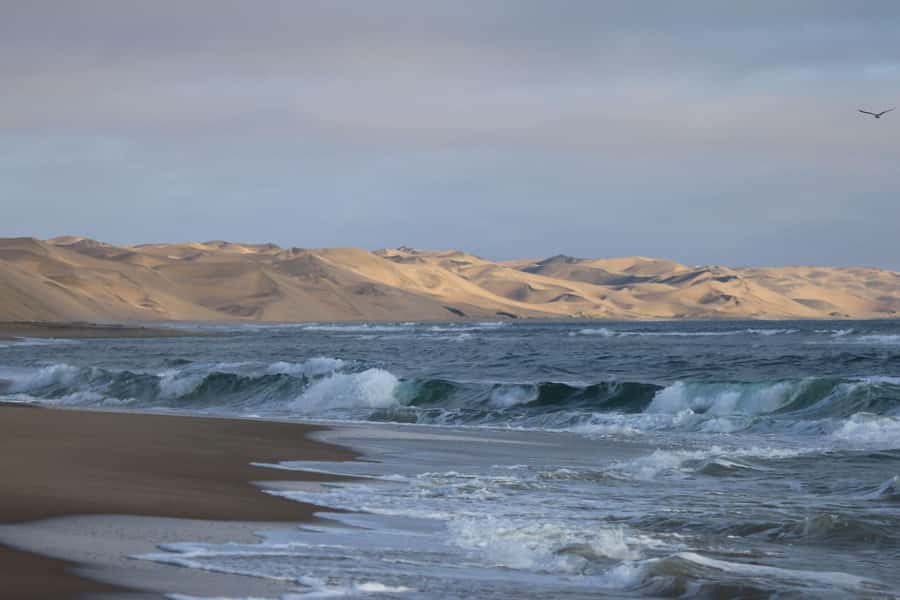
The core transport is a reliable, maintained 4×4, and you’ll be on that vehicle for much of the outing. Why does this matter? Because these wetlands are not the kind you wander into on sidewalks. The areas include intertidal zones, mudflats, and sandbars where a normal car just wouldn’t be practical.
Your guide’s role here is big. In reviews, people highlighted guides like Chris, Herman (sometimes written as Gerhaardt), Hans, Harald, and Gérgaardt, praising the way they found wildlife and stopped at the right spots for photos. That’s not just nice service—it’s the difference between seeing a bird in the distance and getting a usable view.
You’re also driven with local competence. Several comments mention expert dune driving and, importantly, that the driving feels safe even when you’re bouncing over sand or getting close to open coastal areas. If you’re sensitive to motion, bring your motion-sickness prevention items listed in the packing list (a practical move in a vehicle that’s doing more than smooth highway cruising).
Wildlife odds: what you should watch for
Even though birds are the headline, the tour is designed to help you notice the smaller stuff. Your guide may help you spot creatures like:
- Fog-basking beetle
- Dancing spider, sometimes called the white lady of the Namib
- Golden mole
- Shovel-snouted lizard
- Palmetto gecko
Do not expect a zoo-style guarantee. Instead, think of this as a guided “search and see” outing. Your attention gets trained. And that’s where the best moments usually come from.
Ramsar Wetland Birding at a Local Hotspot
After the opening flamingo views, you head into a tidal lagoon made of adjacent intertidal areas, mudflats, and sandbars. This is one of Namibia’s most important wetlands for birds, including endangered species that are regularly observed at the site.
The data says 11 species of endangered birds are regularly observed here. That’s a meaningful number. It tells you this is not casual bird spotting; it’s a place where conservation status intersects with daily life in the wetland. When your guide points birds out, you’re learning to identify not only what you see, but why those species depend on this specific habitat.
And this is where binoculars help. The packing list includes them for a reason. Even if the bird isn’t close, you can still get details from distance—patterns on wings, different shapes of beaks, and the subtle behavior differences between species.
Timing, Tides, and the Drive to Sandwich Harbour Lagoon
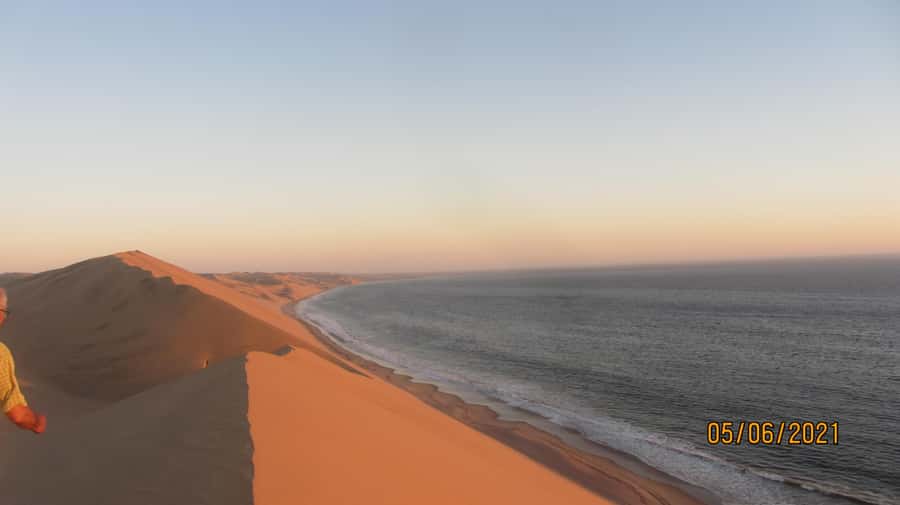
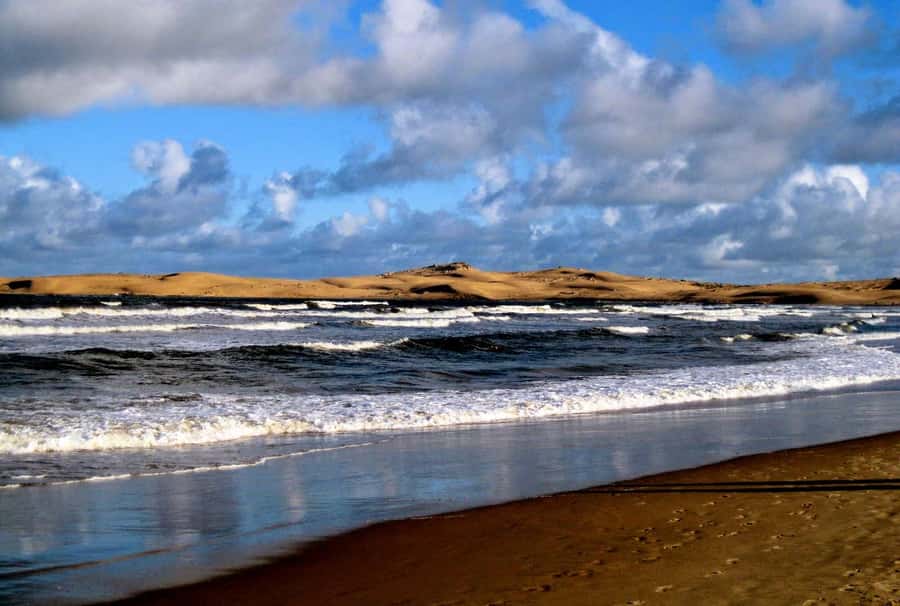
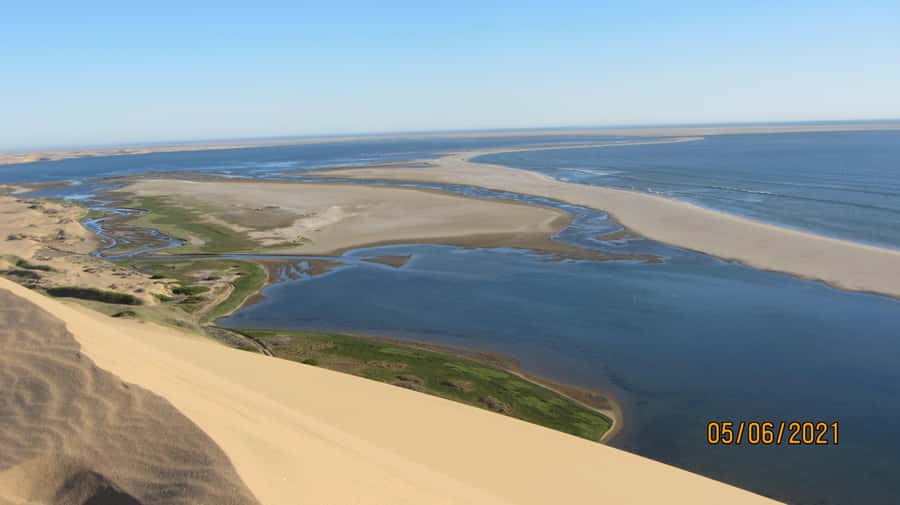
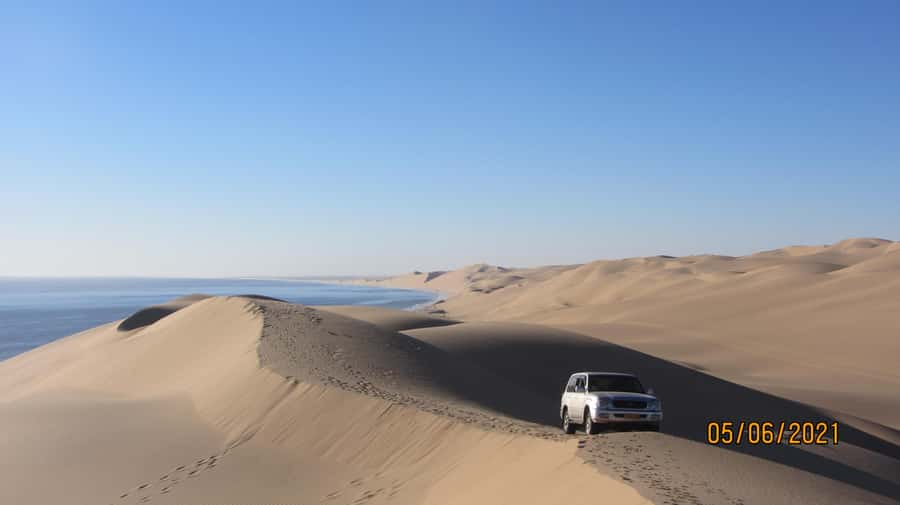
If the weather and tides allow, your route continues toward the Sandwich Harbour Lagoon. This is the second Ramsar site of the day and also part of Namibia’s UNESCO World Heritage area. You’re wedged between the sea and the Namib Dunes, which creates that signature coast-and-sand contrast: open Atlantic light on one side, dunes on the other, and wetland feeding areas in between.
The value of going here is twofold:
- Scale: the wetland is large enough to support huge numbers of wading birds.
- Conservation importance: the site supports eight endangered species among the birds.
Your guide’s job again is to decide how close you can realistically get and where you’ll have the best viewing. Reviews frequently mention guides who took extra time to find things you wouldn’t spot on your own, like a quick stop to look for a gecko in the sand. That same “slow down and look” approach is what turns Sandwich Harbour from a drive-by into a memory.
When you might miss a piece
Because the drive depends on tides and conditions, you may not get the exact same beach segments every day. Still, you should aim to get dune-and-lagoon views plus bird time at the wetland areas. Just go in knowing Mother Nature sets some rules here.
Lunch Over the Atlantic: How the Day Breaks
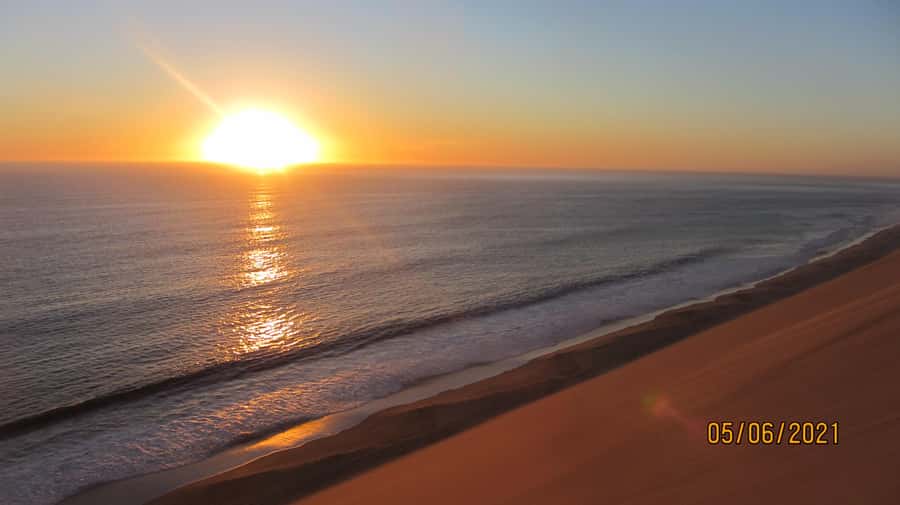
At some point, you’ll take a light lunch and drinks either atop a high dune overlooking the Atlantic Ocean or on the beach. This stop is more than a meal. It’s a reset.
Bird watching can be mentally tiring because you’re scanning all the time. Dune lunch gives your eyes a different job: looking farther out, soaking in the coastline, and letting the earlier bird details sink in. It’s also when photos shift from “close action” to “big context” shots—dunes, ocean lines, and the wetland ribbon that birds depend on.
If you’re traveling with kids, this is a good moment. You get a break from driving and walking, while still keeping the day’s nature focus.
Wildlife on the Return Drive: What You Might Spot
On the way back, you might see more than just birds. The tour description specifically notes a chance at springbuck (oryx), black-backed jackal, and ostrich. That’s not a guarantee, but it’s a useful way to stay alert on the sand and open flats when you’re no longer in the main bird stops.
Here’s how to maximize your odds without stressing:
- Keep your eyes out for movement against the sand (jackal and ostrich often show up as silhouettes first).
- Listen to your guide’s quick pointers rather than trying to figure everything out at once.
- Use your time during stops for scanning, not just looking at the nearest patch of ground.
Optional Dune Climbing and Sandboarding-Style Moments

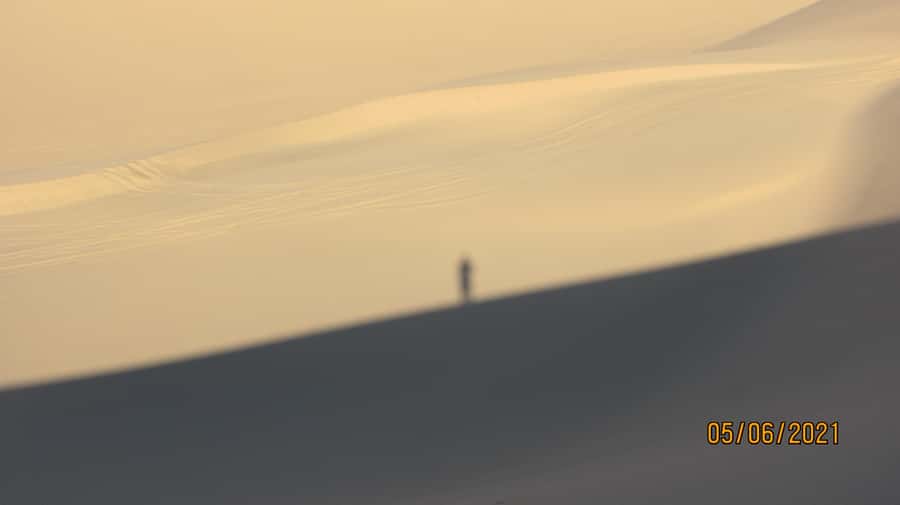
One of the most fun parts of this outing is optional dune climbing when conditions allow. In reviews, people also mention sandboarding/dune surfing as part of the experience, which lines up with this idea of getting a bit more action once you’re up on the dunes.
This is where you’ll feel the physical difference between “seeing dunes” and “doing dunes.” If you’re comfortable walking on sand and you’ve got the right shoes, you’ll likely enjoy it. If not, you can always focus on photos and views from a safer spot—your guide will manage the pace.
Just make sure you pack sun protection. Wind and reflected light off sand can be brutal, especially when the ocean air meets open dunes.
What to Pack for Wind, Sand, and Camera Time
You’ll be outside for a full 4.5 hours, and the environment is the main character: wind, sun, sand, and changing light. The provided packing list is solid, and I’d treat it as your checklist.
Bring:
- Comfortable shoes (sand-grip matters)
- Windbreaker
- Sun protection: sunglasses, sun hat, sunscreen
- A camera and a charged smartphone
- Change of clothes (you’ll be glad you did)
- Binoculars
- Motion-sickness prevention if you’re prone to it
- Hand sanitizer or tissues
Also note the rules:
- No pets
- No drones
- No feeding animals
- No smoking indoors, and no vaping
- No intoxication
- Drinks in the vehicle aren’t allowed
- No nudity
- Explosive substances are not allowed
Those rules keep things safe and respectful in sensitive wetland areas. It also means you should plan to rely on what the tour provides: light snacks and drinks, and the chance to eat at the dune or beach lunch stop.
Price and Value: What $138 Buys You

At $138 per person for about 4.5 hours, you’re paying for more than sightseeing. You’re paying for guided access to habitats that require permits, the expertise to spot wildlife (including smaller creatures), and a 4×4 vehicle that can reach the right areas.
The included items support that value:
- Permit fees
- Trained guides
- Reliable 4×4 vehicles
- Light snacks and drinks
What you’re not just buying is a ride. You’re buying time spent where the birds are, plus guidance that helps you interpret what you’re seeing. Reviews also strongly emphasize the guides’ personal attention and their willingness to make extra photo stops. When a guide stops to find something like a gecko or angles the vehicle for better views, that kind of on-the-ground work is where your money turns into real experience.
If you’re the type who enjoys photography, bird spotting, or nature spotting beyond the usual big-ticket monuments, this tour is a good match for your travel style.
Who This Tour Suits Best
This is ideal if you:
- Want a real-world nature day in Namibia, not just a quick photo stop
- Enjoy birding and scanning wetland wildlife
- Like guided driving with frequent viewing breaks
- Prefer a compact tour length that fits into a broader trip plan
It’s also a smart choice for people who care about comfort and safety. The vehicle is maintained, the driving is described as expert, and the tour is designed for day-wilderness conditions without a long, punishing hike.
Should You Book the Walvis Bay to Sandwich Harbour 4×4 Tour?
I’d book it if you want your time in Namibia to include wetlands that feel alive—flamingos at the start, Ramsar bird habitat in the middle, and the dramatic Sandwich Harbour Lagoon area if tides and weather cooperate. The mix of big bird views, guidance for smaller critters, and photo-focused stops gives you multiple “types” of memories in one outing.
Skip or reconsider if you’re expecting a guarantee of one specific route segment (the description is clear that beach access depends on conditions), or if you can’t handle wind and sand without major discomfort.
If you’re flexible, pack properly, and show up ready to look closely, this tour delivers exactly what Namibia’s coast does best: wild space, real wildlife, and views that hold your attention.
FAQ
How long is the tour from Walvis Bay to Sandwich Harbour?
The tour lasts about 4.5 hours, and starting times vary based on availability.
Where do we meet for the tour?
You meet your guide at the Walvis Bay Waterfront area. If you’re traveling with a cruise liner, the meeting point is the harbor gate. The start point guidance also mentions spotting the car with the local partner logo.
Does the tour visit Sandwich Harbour Lagoon?
Yes, the plan is to visit Sandwich Harbour Lagoon, but it depends on weather and tides to drive along the beach there.
What’s included in the price?
Permit fees, trained guides, a maintained 4×4 vehicle, and light snacks and drinks are included.
Is lunch included?
You’ll have a light lunch during the tour, either atop a high dune overlooking the Atlantic Ocean or on the beach.
Is sandboarding or dune climbing part of the experience?
Optional dune climbing is available, and reviews mention sandboarding-style fun during the dunes.
What wildlife and birds should I expect to see?
You’ll look for many wetland birds, including flamingos. The description also notes endangered bird species regularly observed at the Ramsar sites, plus smaller animals like the fog-basking beetle and dancing spider. On the return drive, you might also spot springbuck (oryx), black-backed jackal, or ostrich.
What should I bring?
Bring comfortable shoes, a windbreaker, sunglasses, a sun hat, a camera, sunscreen, change of clothes, a charged smartphone, and binoculars if you have them. Motion-sickness prevention is also suggested.
Are pets or drones allowed?
No pets are allowed, and drones are not allowed.
Is the tour wheelchair accessible?
Yes, the tour is listed as wheelchair accessible.
Is there a cancellation window for a full refund?
Free cancellation is available up to 24 hours in advance for a full refund.