REVIEW · AMRITSAR
Heritage Amritsar & Spritual Dharamshala 4 Days Guided Tour
Book on Viator →Operated by Walk and Explore · Bookable on Viator
Two cities, one spiritual reset. In just four days, you’ll move from Harmandir Sahib in Amritsar to Tibetan culture in Dharamshala, with time for the Golden Temple, Jallianwala Bagh, and the evening show at Wagah Border.
I especially like two things about this tour. First, the logistics feel handled: airport/rail pickup, an English-speaking guide, and an AC sedan or SUV with bottled water. Second, the schedule gives you a smart contrast—history and worship in Amritsar, then monasteries, McLeod Ganj culture, and tea-garden views in the hills.
One possible drawback: the days are packed, and a few stops list tickets as not included (for example HPCA Stadium and Norbulingka Institute). If you hate tight timing, you’ll want to plan for limited free time and be ready to pay extra at select sights.
In This Review
- Key highlights worth getting excited about
- Why Amritsar to Dharamshala is such a good pairing
- Day 1: Golden Temple, Jallianwala Bagh, and Wagah’s border ceremony
- Golden Temple (Sri Harmandir Sahib): plan for a real visit
- Jallianwala Bagh: short stop, heavy subject
- Wagah Border ceremony: go in knowing it’s showtime
- Day 2: Namgyal Monastery, McLeod Ganj, and Bhagsu Falls
- Dalai Lama Temple complex (Namgyal Monastery): the spiritual center of Upper Dharamshala
- McLeod Ganj: crafts, Tibetan food, and the Mall Road vibe
- Bhagsu Nag and Bhagsu Falls: a scenic break behind the temple
- Day 3: Dharamshala cricket views, tea gardens, monasteries, and Naddi sunset
- HPCA Stadium: sport with a mountain backdrop
- Norbulingka Institute: Tibetan art in a hands-on style
- Gyuto Monastery: tantric tradition, compact timing
- Dharamshala tea gardens (and why they matter)
- Museum of Kangra Art: a structured way to understand the valley
- Naddi View Point and Church of St. John: two very different stops, same day
- Day 4: The easy exit from Dharamshala back to Amritsar
- Price and value: what $260.45 includes, and what to budget for
- How the guided format helps you (and where it can pinch)
- Who this tour is best for
- Should you book this Amritsar and Dharamshala guided tour?
- FAQ
- How long is the Heritage Amritsar & Spiritual Dharamshala tour?
- What’s the starting time for the tour?
- Do I get airport or railway pickup?
- Is there an English-speaking guide?
- Is the tour private?
- Is admission to attractions included?
- What parts of the day are likely to cost extra?
- What’s the cancellation window?
Key highlights worth getting excited about
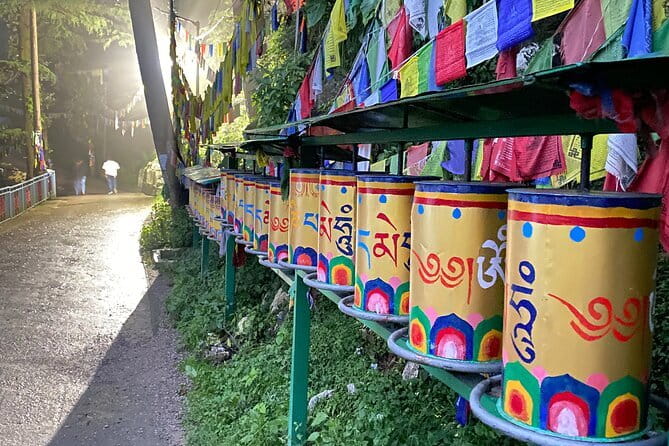
- Golden Temple timing (3 hours planned): enough time to slow down, not just rush through.
- Jallianwala Bagh memorial stop: a short, focused history lesson on a heavy day in 1919.
- Wagah Border evening ceremony: a set-piece moment with a very predictable schedule.
- Dalai Lama Temple complex (Namgyal Monastery): Tibetan spiritual atmosphere in Upper Dharamshala.
- Tea gardens + Naddi sunset: one of the easiest ways to enjoy Dhauladhar mountain views.
- Guide-led routing: you’re not left figuring out connections between sites in two cities.
Why Amritsar to Dharamshala is such a good pairing
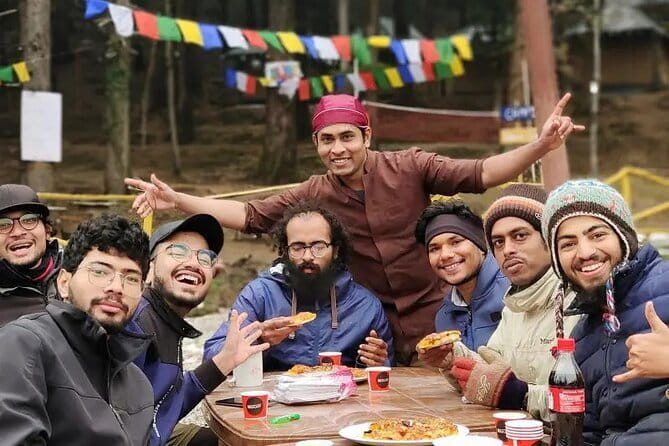
Amritsar and Dharamshala don’t just feel different. They teach you different ways of seeing the world. Amritsar brings Sikh devotion and modern history into the same streets, while Dharamshala shifts the mood toward Tibetan Buddhism, hillside quiet, and views of the Dhauladhar range.
What I like about this kind of combined route is that you get real variety without wasting your whole trip in transit. You’re still guided through core sights, but the pacing is varied enough that you don’t feel like you’re copying the same pattern every day.
If you want a trip that feels both meaningful and scenic, this works well. You’ll trade one set of temples for another, swap memorial learning for monastery calm, and finish with a straightforward drop-off for your onward journey.
You can also read our reviews of more guided tours in Amritsar
Day 1: Golden Temple, Jallianwala Bagh, and Wagah’s border ceremony
Day 1 is all about Amritsar’s spiritual and historical impact, with three major stops spaced to keep the day from turning into one blur.
Golden Temple (Sri Harmandir Sahib): plan for a real visit
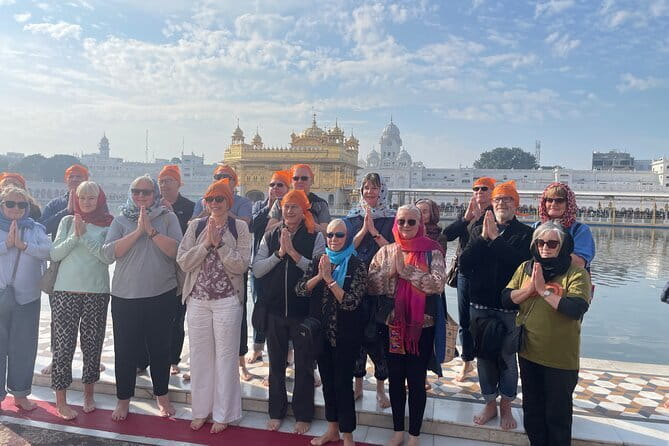
You get about 3 hours at the Golden Temple complex. That matters. This is the kind of place where 30 minutes can feel like standing outside the story, while a longer visit lets you watch rituals, take in the surroundings, and understand why so many people come back again and again.
The schedule also includes time at the langar hall, where free meals are served daily. Even if you’re only there briefly, it’s one of those “this is how the place works” moments. For you, it can also be a practical reset after travel: a calm meal rhythm in the middle of sightseeing.
A practical note: this is an active religious site. Dress respectfully and be prepared for a place that’s busy in waves, not in neat lines.
Jallianwala Bagh: short stop, heavy subject
Next is Jallianwala Bagh, about a 30-minute visit. It’s not long, but it’s focused: you’ll learn about the massacre that took place on 13 April 1919 on the eve of Baisakhi.
This stop is valuable because it anchors the tour in the reality behind the monuments. You’re not just seeing a garden or a plaque—you’re connecting why this place is remembered and how it shaped public memory.
If you want a simple tip: treat this as the emotional anchor of the day. After you leave, give yourself a little breathing room before the border show.
Wagah Border ceremony: go in knowing it’s showtime
Finally, you drive to Wagah Border for the evening ceremonial parade. The transfer is about 30 km, and the stop is roughly 3 hours in the plan.
This ceremony is famous for military showmanship, and the “world-famous” part is real—you should expect a strict schedule and lots of attention on synchronized movements. For your day, the biggest consideration is timing. Plan to arrive with buffer, because when the ceremony starts, it starts.
If you don’t love crowds, this is the stop where you’ll feel it most. But if you do like structured spectacle, it’s one of the easiest highlights to understand fast.
You can also read our reviews of more historical tours in Amritsar
Day 2: Namgyal Monastery, McLeod Ganj, and Bhagsu Falls
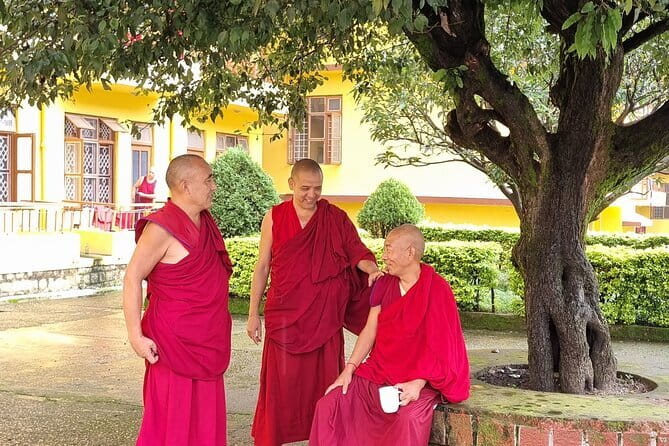
Day 2 shifts you from Punjab plains into Himalayan culture—still guided, but with a totally different emotional temperature.
Dalai Lama Temple complex (Namgyal Monastery): the spiritual center of Upper Dharamshala
You’ll visit Namgyal Monastery, often called the Dalai Lama Temple complex, for about 2 hours. It’s set in the mountains, and that setting isn’t just scenic. The height and stillness help you feel why people come here for spiritual quiet, not sightseeing checklists.
This stop is also valuable because it shows you how Tibetan Buddhism is practiced day-to-day, not just explained in words. If you’re the type who likes to ask questions about beliefs and traditions, a guided visit helps you make sense of what you’re seeing.
McLeod Ganj: crafts, Tibetan food, and the Mall Road vibe
After the monastery, the tour goes to McLeod Ganj for about 1 hour. This is your cultural wander time along the Mall Road, where you’ll see Tibetan refugees selling crafts and where Tibetan cuisine is easy to spot.
This part is not about rushing through shops. It’s about getting oriented. You’ll learn what the area feels like—busy pockets, quiet corners, and a steady flow of travelers and locals.
If you’re sensitive to noise, try to keep your Mall Road time short and purposeful. One hour is enough to get your bearings without turning the day into shopping.
Bhagsu Nag and Bhagsu Falls: a scenic break behind the temple
The day continues to Bhagsu Nag, including Bhagsu Falls near Bhagsunath Temple. You get about 2 hours here, with time for photos and the chance to experience the calm around the falls area.
This stop balances the spiritual-heavy items earlier. It gives you movement and air, and it’s a good moment to step away from “learning” mode and into “seeing” mode.
A quick practical thought: waterfalls areas can be slippery and crowded in bursts. Wear grippy footwear and don’t assume the path is gentle.
Day 3: Dharamshala cricket views, tea gardens, monasteries, and Naddi sunset
Day 3 is the long one—around 12 hours—and it’s packed with places that mix spirituality, crafts, food culture, museums, and viewpoints. The upside is you’ll leave with a full picture of Dharamshala. The downside is you’ll want energy for a full day.
HPCA Stadium: sport with a mountain backdrop
You’ll spend time at the HPCA Stadium, around 1 hour. This stadium is known for its mountain backdrop of the Dhauladhar range, so even if you’re not a cricket superfan, it still has that “only here” feel.
This is also one of the stops that may have ticket considerations, since it’s listed as not included for the tour in the details. If you’re planning to enter the stadium grounds, keep an eye on what’s included day-of.
Norbulingka Institute: Tibetan art in a hands-on style
Next on your route is Norbulingka Institute, about 2 hours. The focus is preservation and continuation of Tibetan art, using self-sustaining support for artists and craftspeople.
This stop is for you if you like crafts and want something more educational than a quick temple visit. Again, ticket planning matters because admission is marked not included.
Gyuto Monastery: tantric tradition, compact timing
You’ll also visit Gyuto Monastery (45 minutes). It’s described as a prominent monastery specializing in tantric meditation, tantric ritual arts, and Buddhist philosophy studies.
For your day, this stop works because it keeps moving. You get a taste of a specialized spiritual tradition without losing the whole afternoon to one location.
Dharamshala tea gardens (and why they matter)
The tour includes Dharamshala Tea Company and tea gardens for about 1 hour, tied to Kangra tea production with a history stretching back to the 19th century during British colonial times.
Even if you’re not buying tea, this is a smart stop because it turns the scenery into context. The hills aren’t just pretty. They’re working landscapes with crops, seasonality, and local livelihoods.
Museum of Kangra Art: a structured way to understand the valley
You’ll also spend around 1 hour at the Museum of Kangra Art. The museum holds arts and crafts of the Kangra Valley, including miniature paintings, with artifacts noted as dating back to the 5th century.
This is one of the day’s best “rest your legs” moments. When you walk back into the air afterward, you’ll actually feel the difference.
Naddi View Point and Church of St. John: two very different stops, same day
The plan includes Naddi View Point for sunset, about 1 hour. If the skies cooperate, this is the place where you’ll enjoy panoramic Dhauladhar views and the green valley below.
Then there’s a quick stop at Church of St. John, set in deodar forest with neo-Gothic architecture and Belgian stained-glass windows donated by Lady Elgin. It’s short (about 30 minutes), but it adds a surprising layer of colonial-era influence to the day.
Day 3’s balance is the point: you’re not only “doing monasteries.” You’re seeing how the region’s culture mixes across faiths, time periods, and daily life.
Day 4: The easy exit from Dharamshala back to Amritsar
Day 4 is a transfer day. After breakfast, you check out and travel back to Amritsar by road. You’ll be dropped at Amritsar Airport or Railway Station for your onward journey.
This is practical. It means you’re not scrambling at the end, and you don’t end up with an extra night you didn’t ask for. It also helps you plan your next flight or train with a bit more confidence.
One thing to consider: road travel can be slower than you expect, especially when conditions change. If you have a tight departure time, build in buffer time.
Price and value: what $260.45 includes, and what to budget for
The price for this 4-day guided tour is $260.45 per person. For a route that combines two cities, guided sightseeing, and an AC vehicle with fuel/tolls/parking handled, it’s priced like a “pay for convenience” package.
Here’s the value breakdown based on what’s included:
- Pickup from airport/railway station to start your trip
- AC sedan/SUV for sightseeing
- English speaking guide
- Packaged water
- Fuel, tolls, driver allowance, and parking
- Sightseeing as per the schedule
What to budget for, because it isn’t included:
- Entrance fees/tickets in general
- Specific admissions marked as not included (like Norbulingka Institute, HPCA Stadium, and the Museum of Kangra Art are listed as not included in the day details)
One wrinkle: some itinerary entries are marked as admission free (Golden Temple and Jallianwala Bagh, for example). Still, because the tour’s general notes say entrance fees/tickets aren’t included, you should plan for a few possible paid entries.
If you’re trying to judge value, I’d ask one question: do you want a guided path through multiple sites with transport sorted? If yes, this price is likely fair for the amount of ground covered. If you prefer freedom and spontaneity, you might prefer a more DIY-style approach.
How the guided format helps you (and where it can pinch)

The biggest practical win is that you’re not left piecing together timing, routes, and site sequencing. You get a guide, a driver, and a planned set of stops.
From the tour operation itself, it also sounds like the handoff is handled seriously. In past experiences with the team, people have described receiving help from the company executive Hardik, including a printed itinerary with names and phone numbers. Guides named in that context include Vivek and Vikram, with a driver such as Monty also mentioned in successful airport-to-hotel handling. Other guide names included Prarit and Aman.
Why that matters for you: when plans change, having contact info and a clear plan can keep small disruptions from becoming big stress.
Where it can pinch:
- Days are tight. You’ll spend a lot of time in transit.
- A few stops aren’t included for tickets, so you’ll want cash/UPI access (whatever works for you) and a little flexibility.
- Evening events like Wagah require punctuality more than a typical daytime visit.
Who this tour is best for
This is a strong fit if you want:
- A guided route that connects Amritsar and Dharamshala without planning every step
- A mix of spiritual sites (Golden Temple, Namgyal Monastery, Gyuto Monastery) and cultural time (McLeod Ganj crafts, museum)
- Scenic downtime that’s built into the schedule (tea gardens, Naddi sunset, Bhagsu Falls)
It’s especially suitable for couples, small groups, and anyone who’d rather spend energy soaking up the place than managing logistics. Since it’s described as private for your group, you won’t feel like you’re elbow-to-elbow with strangers in the same vehicle.
If you’re the kind of traveler who wants long free afternoons or you dislike early set start times, this might feel fast-paced.
Should you book this Amritsar and Dharamshala guided tour?
I’d book it if you want a single, guided package that hits the core emotional beats of northern India: devotion, remembrance, Tibetan culture, and mountain views. The included AC transport, English-speaking guide, and clear stop sequence make it a low-stress way to experience a lot in four days.
I’d think twice if:
- You hate packed schedules and want lots of independent time
- You strongly prefer to avoid any extra paid admissions during the trip
- You’re trying to squeeze this into a very tight flight or train connection without buffer
If you’re flexible on timing and open to both history and spiritual atmosphere, this tour is a solid value for what you get.
FAQ
How long is the Heritage Amritsar & Spiritual Dharamshala tour?
It runs for 4 days (about 3 nights).
What’s the starting time for the tour?
The tour start time is listed as 9:00 am.
Do I get airport or railway pickup?
Yes. Pickup from the airport or railway station is included.
Is there an English-speaking guide?
Yes, an English speaking guide is included.
Is the tour private?
Yes. It’s described as a private tour/activity where only your group participates.
Is admission to attractions included?
The tour notes say entrance fees/tickets are not included. That said, several scheduled stops are marked as admission free on the plan, while some specific places are marked not included.
What parts of the day are likely to cost extra?
Stops marked as ticket not included include Norbulingka Institute, HPCA Stadium, and Museum of Kangra Art in the provided schedule.
What’s the cancellation window?
You can cancel for a full refund up to 24 hours in advance of the experience’s start time.