REVIEW · AMRITSAR
Guided Heritage Walk of Amritsar
Book on Viator →Operated by Himachal Bylocals · Bookable on Viator
Amritsar clicks faster on foot. This guided heritage walk strings together the city’s best-known landmarks and the quieter streets in between, starting at the Town Hall and finishing near the Golden Temple. It’s built for people who want their history explained clearly, not just photographed.
I love the small-group attention you get on a route designed to prevent getting turned around in Amritsar’s older lanes. I also appreciate the kind of guide background you’ll want for this walk, like Mr. Gurinder Singh, who’s highlighted for polished, in-depth explanations of Amritsar and Sikhism, delivered in a way that actually sticks.
One thing to plan for: it’s about 3 kilometers over roughly 3 hours, so it matters that the weather is decent and your shoes are up to walking on busy, uneven streets.
In This Review
- Key highlights to know before you go
- Town Hall to the Golden Temple: Why this heritage walk works
- Starting at Bade Bhai Ka Brothers Dhaba near Town Hall
- Heritage Street primer: how the old city comes into focus
- Religious stops and sacred streets: seeing gurudwaras and temples with context
- Shopping streets and markets: the fun part without the chaos
- The Golden Temple ending: time to explore your way
- How much it costs and what you’re really paying for
- Group size, comfort, and what to pack for a 3-hour walk
- Weather matters more than you think
- When guide quality can make or break your day
- Should you book this heritage walk in Amritsar?
- FAQ
- How long is the Guided Heritage Walk of Amritsar?
- How far do I walk?
- Where does the tour start and end?
- What is included in the price?
- What should I budget for beyond the tour price?
- Is the tour affected by weather?
Key highlights to know before you go
- Town Hall start, Golden Temple finish so you get context first and then freedom at the end
- Up to 15 people keeps the pace manageable and questions welcome
- A 3 km, 3-hour route built for history + religious sites + everyday markets
- Guide-led city orientation helps you avoid the back-alley confusion you’d hit on your own
- Water bottle and taxes included so you can focus on the walk, not add-ons
- Mobile ticket makes day-of logistics simpler
Town Hall to the Golden Temple: Why this heritage walk works
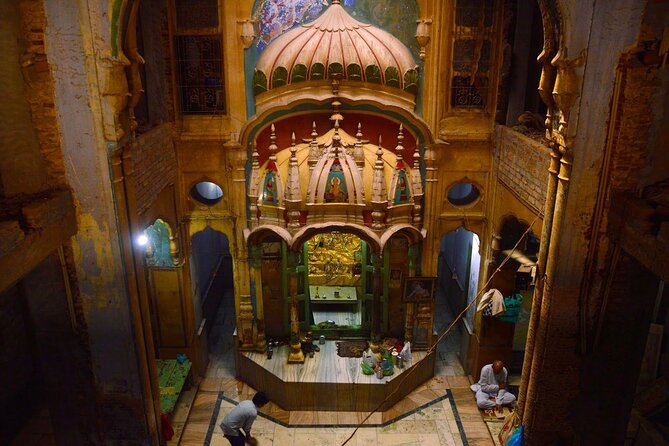
Amritsar can feel like two cities at once. There’s the iconic Golden Temple you came for. Then there’s the older, lived-in city around it—the streets where you’ll sense the city’s rhythm, and where history shows up in everyday form.
This walk is clever because it starts with orientation and storytelling. You begin at the Town Hall area, a British-era landmark that gives you an easy anchor point. From there, the guide takes you through neighborhoods and streets you’d likely miss if you only chased big sights. You end near Sri Harmandir Sahib (the Golden Temple), which is the smart way to do it: you get the background first, then you can explore independently without feeling rushed.
Another practical win: the tour is short. About 3 km total and around 3 hours. That’s far enough to feel like a real introduction to the city, but not so long that you’re wrecked afterward.
If you’re the type who likes understanding what you’re looking at—religious architecture, street life, and how places connect—this format fits you well.
You can also read our reviews of more walking tours in Amritsar


Starting at Bade Bhai Ka Brothers Dhaba near Town Hall
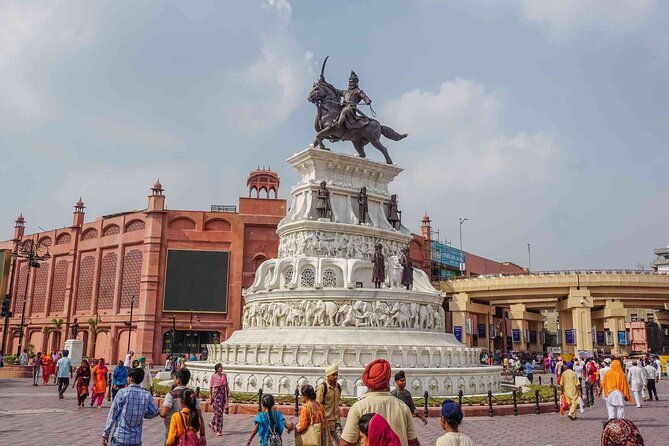
Meeting points matter more than people think, especially in older parts of cities. This one is straightforward: you start near Bade Bhai Ka Brothers Dhaba close to the Town Hall, in the Town Hall / Katra Ahluwalia area.
Why this is a good start: the Town Hall area acts like a mental map. You’re not beginning somewhere obscure and hoping the route makes sense later. Instead, you start in a place that feels like the city’s administrative and historical center, which makes the rest of the walk easier to follow.
You’ll also notice how the route gradually shifts from larger, clearer streets to narrower lanes. That change is part of the point. You’re learning how Amritsar’s older city is laid out, and why it can be hard to navigate alone—without needing to stress your way through it.
Heritage Street primer: how the old city comes into focus
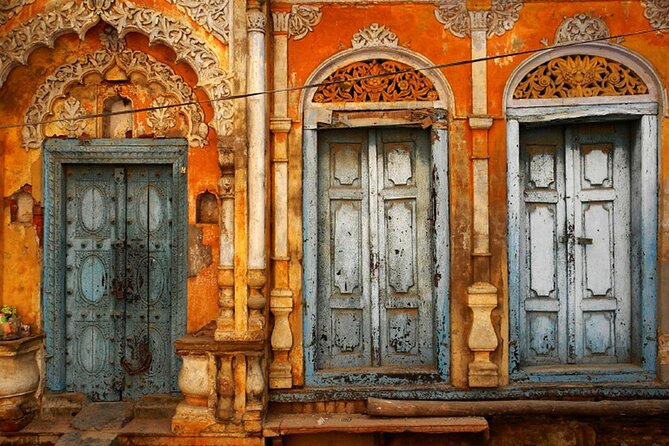
The walk’s first big segment is centered on Heritage Street and the surrounding older neighborhoods. Here’s what makes this part valuable: you’re not just walking past things. You’re getting a primer on Amritsar’s past and how the city developed over time.
You’ll cover a mix of:
- historical points that connect eras and architecture
- religious sites you might otherwise treat like one-off stops
- food and cultural spots that show how daily life and belief systems overlap
The result is that you start to read the city, not just move through it.
A key detail: the guide’s job is to explain the “why” behind what you see—how different parts of the city relate to major religious and historical threads. If you care about history and culture, this is where you’ll feel the most payoff. Instead of memorizing facts, you’ll understand patterns: how people shaped the city, and how sacred spaces sit within the broader street network.
Religious stops and sacred streets: seeing gurudwaras and temples with context
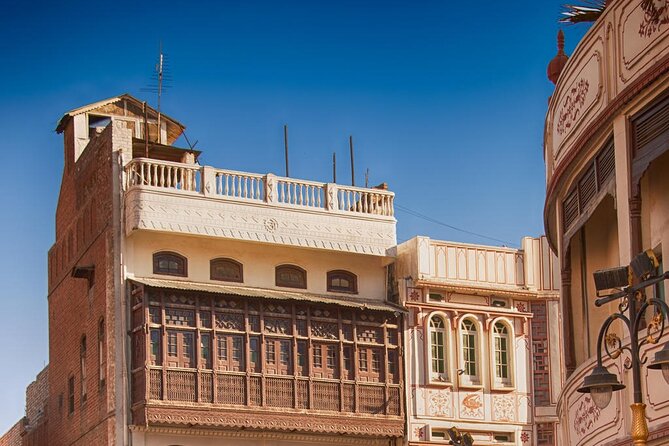
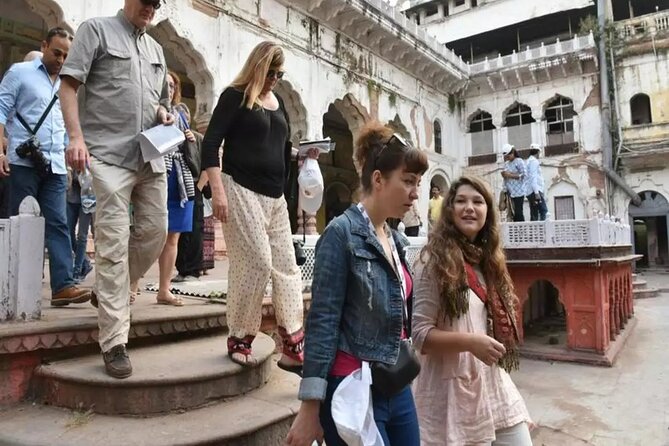
This is explicitly a culture-and-history walk that includes religious locations. Expect to see gurudwaras and temples as part of the route, not as separate detours.
What you’ll want from the guide here is interpretive clarity. When a good guide explains Sikhism and the context of the sites, you stop treating the buildings like backgrounds for photos. You start noticing design choices, the street-level atmosphere, and how these places function within city life.
If you like learning in layers, this walk is a strong match. You get your overview early, and the guide fills in the meaning as you pass each site. That makes the later, independent visit to the Golden Temple feel less like you’re stepping into the unknown.
One more practical note: religious areas can bring crowds and specific local rhythms. A guided route helps you move with purpose instead of standing around wondering where to stand, what to notice, or what’s expected.
Shopping streets and markets: the fun part without the chaos
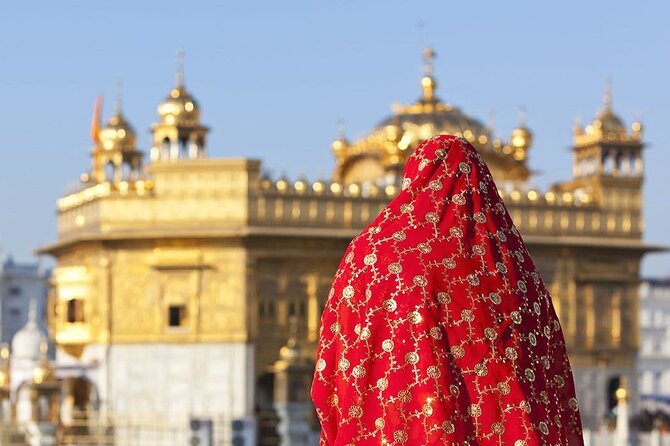
Amritsar’s markets are part of what makes it feel real. This walk includes shopping streets and markets, which matters because you’re seeing the city the way people experience it every day.
The value isn’t just shopping. It’s orientation. A guide helps you:
- spot what’s worth stopping for
- understand how the market streets connect to the historic core
- avoid aimless wandering in crowded lanes
You’ll likely move through areas where the city feels active and commercial, but the guide-led pace keeps it from turning into a frantic hunt. Think of it as browsing with a map in your head.
Also, because the walk is only about 3 hours, you can still do your own shopping afterward with better direction. When you leave with a sense of the neighborhood layout, you’re far less likely to waste time backtracking.
You can also read our reviews of more guided tours in Amritsar
The Golden Temple ending: time to explore your way
Finishing at Sri Harmandir Sahib is the right call, and not just because it’s famous.
By ending here, you get:
- the background that makes the sights more meaningful
- a clear “landing zone” so you’re not figuring out your route at the hardest moment
- the freedom to linger, return to photos you missed, or revisit sections you want to see twice
The tour ends around Atta Mandi near the Golden Temple area. That’s ideal because it positions you close to where you’ll actually want to spend time once you’re ready for deeper independent exploring.
If you plan to continue on your own, build in extra time. Even if you only want a calm loop and a few key moments, crowds and access patterns can slow you down.
How much it costs and what you’re really paying for
At $35 per person, this doesn’t look like a bargain deal. But it also doesn’t try to be one.
Here’s the value equation I’d use:
- You’re paying for a local professional guide with a route designed to avoid getting lost in older lanes.
- You’re getting a structured walk that mixes history, religious sites, and market streets into a single coherent introduction.
- A water bottle is included, and all taxes are covered.
What’s not included is also clear: tips, meals, and any personal expenses. Since it’s a walking tour with listed admission free for the experience itself, you’re mostly paying for time with the guide and the route planning.
For me, the sweet spot is this: if you’re new to Amritsar and want to understand it fast without spending your whole day orienting yourself, the guide-led format is worth it. If you already know the city well and enjoy wandering independently, you may not need the structure.
Group size, comfort, and what to pack for a 3-hour walk
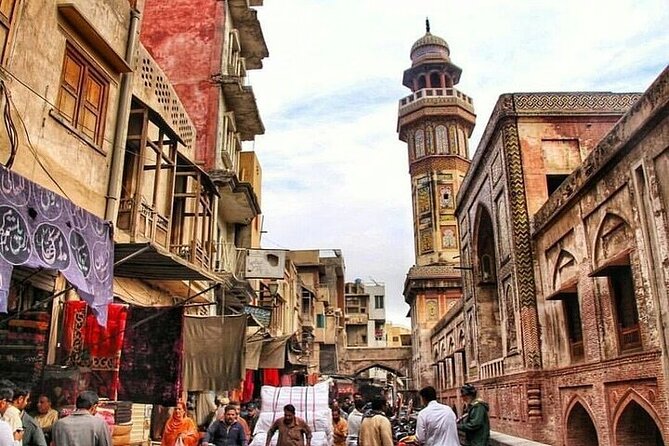
Maximum group size is 15, and that matters. Smaller groups make it easier to keep track of the guide, ask questions, and avoid getting pulled apart in tight lanes.
Still, comfort is your job. Plan for:
- walking about 1.8 miles / 3 km total
- a route that includes older streets where surfaces may not be smooth
- city activity around market and religious areas
I’d pack the basics that help you enjoy the walk rather than just survive it:
- comfortable walking shoes with grip
- water refill-friendly habits (you get a bottle on tour)
- sun protection if the weather is warm
One more practical tip: start thinking about how you want the guide to explain things. Are you more curious about Sikhism context, architecture, the city’s timeline, or everyday street life? Asking early improves the whole experience.
Weather matters more than you think
This is a walking tour, and the experience notes a weather requirement. If conditions are poor, the tour may be canceled and you’ll be offered a different date or a full refund.
The real takeaway is simple: check forecasts close to departure. When the weather is good, you’ll feel the route for what it is—an easy, guided orientation through Amritsar’s older city layers.
When guide quality can make or break your day
The overall rating is strong, and one guide name that comes up in positive context is Mr. Gurinder Singh, praised for clear, in-depth knowledge and a pleasant, polished delivery.
Still, any walking tour depends on how your guide handles the rhythm: pacing, explanations, and the ability to spot what you care about. If you want to reduce the odds of a weak experience, do one simple thing: ask one question early. If the answers feel useful and specific, you’ll likely enjoy the whole walk more. If not, ask again with a narrower topic (history context, Sikhism background, or what to look for at the Golden Temple).
That one move turns a standard walking tour into a more personal learning experience.
Should you book this heritage walk in Amritsar?
Book it if you want an organized introduction to Amritsar without the stress of figuring out older neighborhoods on your own. The Town Hall start gives you a solid anchor, and the Golden Temple finish lets you explore at your pace after the background lands. With a small group and a guide who can explain religious and historical context, this is a smart value for your first visit.
Skip it if you already know Amritsar well, or if you dislike walking for 3 hours no matter what the weather looks like.
If you’re deciding between winging it alone and taking a guide-led route, my advice is straightforward: take the walk. You’ll come away with a clearer map in your head and a better sense of what you’re seeing when you finally slow down at Sri Harmandir Sahib.
FAQ
How long is the Guided Heritage Walk of Amritsar?
It lasts about 3 hours.
How far do I walk?
You’ll cover around 1.8 miles (about 3 kilometers).
Where does the tour start and end?
It starts near Bade Bhai Ka Brothers Dhaba by Town Hall in Katra Ahluwalia, Amritsar. It ends at Sri Harmandir Sahib near Atta Mandi.
What is included in the price?
A local professional guide, the heritage walk itself, a water bottle, and all taxes are included.
What should I budget for beyond the tour price?
Guide tips, meals, and personal expenses are not included.
Is the tour affected by weather?
Yes. It requires good weather. If it’s canceled due to poor weather, you’ll be offered a different date or a full refund.