REVIEW · PANAJI
Heritage Goa, Ancient Churches and Spice Plantation Visit
Book on GetYourGuide →Operated by Discover Activitis · Bookable on GetYourGuide
Goa’s best churches meet a spice farm. This Heritage Goa outing mixes Old Goa Portuguese heritage with a peaceful tropical spice plantation stop, while helping you dodge the worst crowds.
I love the way the day is built around just a few big sights, so you get time to actually notice details at Se Cathedral and the Basilica of Bom Jesus. I also like that your finish isn’t just pictures: you’ll have a included Goan buffet lunch on the farm.
One thing to plan for: church and temple visits have strict dress rules. No shorts or sleeveless tops, and you may run into limits on photographing inside certain sites.
In This Review
- Key Things That Make This Heritage Goa Tour Worth Your Time
- A More Relaxed Way to See Old Goa
- Morning Pickup and the Private-Driver Advantage
- Se Cathedral: The Face You’ll Keep Remembering
- Basilica of Bom Jesus: UNESCO Weight in a Small Time Slot
- St Augustine’s Tower From Monte Santo: Bollywood Meets Real Goa
- The Tropical Spice Plantation Walk: Slow Down and Smell the Plants
- Goan Buffet Lunch: What’s Included and What It Means for Value
- The Two-Hour Drive Around Goa: Not Bad, Just Necessary
- Price and Value: Why $82 Can Make Sense
- What I’d Pack and How I’d Dress
- Who This Tour Is Best For
- Should You Book This Heritage Goa Church and Spice Plantation Visit?
- FAQ
- How long is the Heritage Goa tour?
- Where does pickup happen?
- What are the main stops on the route?
- Is this a private tour?
- Is the guide available in English?
- What’s included in the price?
- Are drinks included with lunch?
- What should I wear for churches and temples?
- Is there any restriction on photography?
- What does the buffet lunch include?
Key Things That Make This Heritage Goa Tour Worth Your Time
- Focused Old Goa stops instead of a rushed checklist
- Portuguese Catholic landmarks with details you’ll want to see up close
- UNESCO-listed Basilica of Bom Jesus for major religious and cultural weight
- St Augustine’s Tower at Monte Santo with a strong Bollywood connection
- Spice plantation walk with a slower, greener pace and a stream-side stroll
- Goan buffet lunch included so you’re not searching for food later
A More Relaxed Way to See Old Goa
If your Goa memory is mostly sand, parties, and scooters, this tour gives you a different side. You’ll trade the crowded strip for quiet monuments in Old Goa, where Portuguese-era Catholic architecture shapes the streetscape. It’s also a private format, so you’re not stuck behind someone who thinks 5 minutes is enough time to study a cathedral façade.
The best part is how the day stays human-sized. Two church stops are long enough to feel meaningful, and then you switch gears to the spice plantation, which feels like someone hit pause on the noise. The vibe shift matters: you finish with lunch on-site, not a last-minute scramble.
You can also read our reviews of more historical tours in Panaji
Morning Pickup and the Private-Driver Advantage
Your day starts with pickup from Calangute, then you’re on the road with a private chauffeur-driven car and a live English guide. Having a driver matters here because Old Goa navigation is its own thing, and you’ll want to stay on schedule without stressing over directions.
It also helps that the tour is built for a short total time. At 5 hours, it’s not a half-day that drags, and it’s not a fast hit-and-run either. You get a plan, you get explanations, and you can ask questions without shouting over a bus.
From the past experiences shared, the guiding team can be flexible too. For example, one traveler noted that guide Jai Singh arranged pickup from an out-of-the-way hotel instead of the usual meeting point. That kind of problem-solving is exactly what you want when you’re on a tight timetable.
Se Cathedral: The Face You’ll Keep Remembering
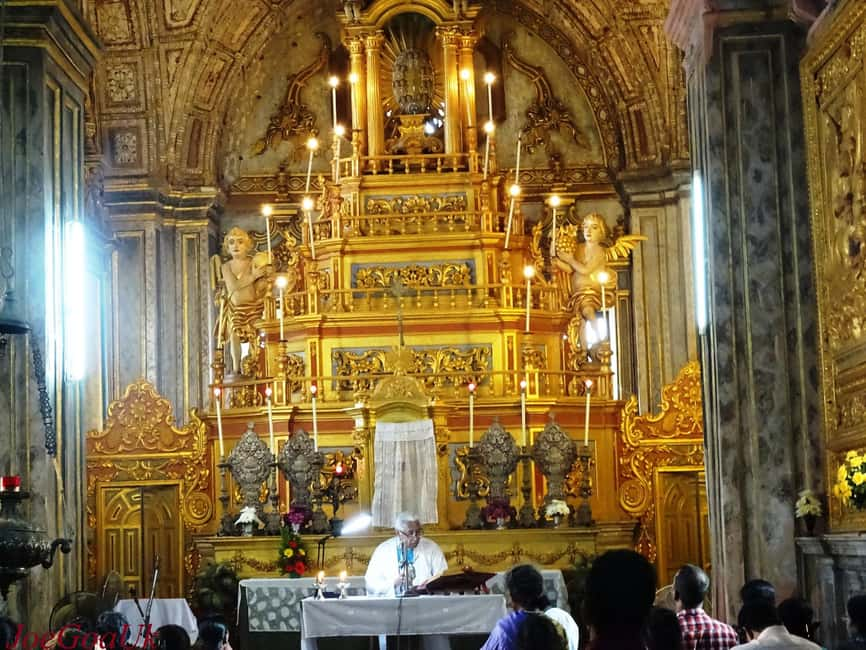
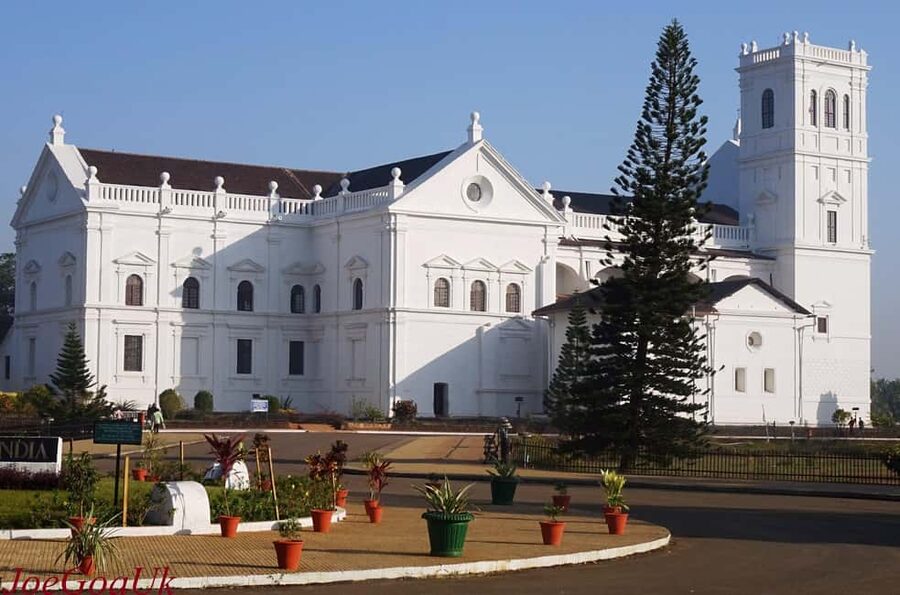
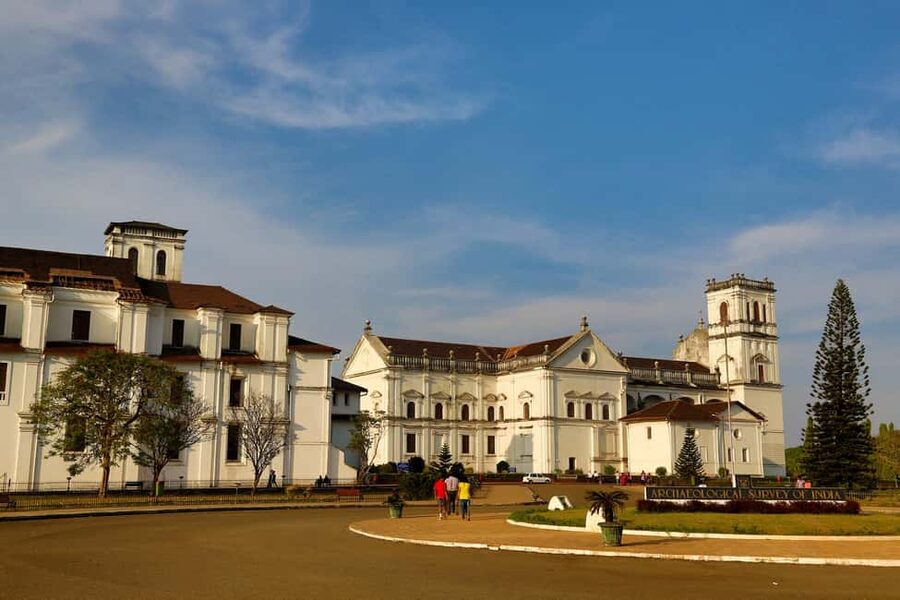
Your first major stop is Se Cathedral in Old Goa. This is the big one people travel for. It’s described as a 400-year-old church and is listed as the largest church in Asia. Even if you’ve seen photos before, the real impact is in the façade and the interior details you’d otherwise miss.
Here’s what to look for while you’re standing there:
- Iberian (Portuguese-influenced) façade details
- soaring ceilings
- mosaic work and carved ornamentation, including gilded carvings
If you like architecture, this is where you’ll feel your camera roll up its sleeves. And if you’re more into stories, your guide’s role becomes important: they help connect the visual details to what Portuguese builders were aiming for during colonial Goa.
Practical note: this is a church, so dress matters. No sleeveless shirts and no shorts while visiting churches and temples. Bring a light cover-up if you tend to travel in tank tops.
Basilica of Bom Jesus: UNESCO Weight in a Small Time Slot
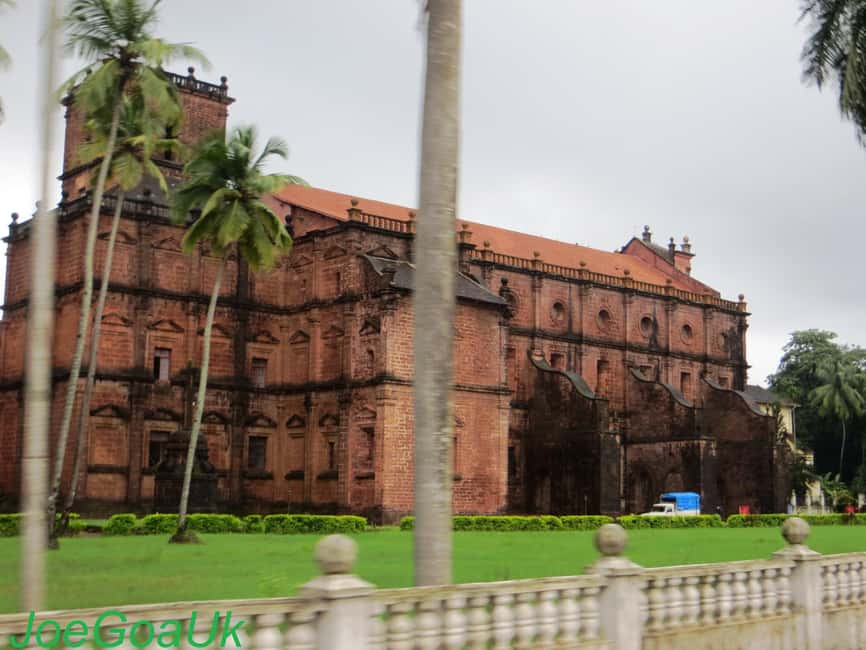
Next up is Basilica of Bom Jesus, also in Old Goa. This one is around 400 years old and has major religious and cultural importance. It’s been declared a UNESCO World Heritage Site.
One detail I find especially useful for first-timers: the exterior of this basilica is described as the one in Old Goa whose exterior was not plastered. That means you’ll likely notice the stonework and the façade more directly, instead of the façade being masked by plaster.
You’ll also learn about the triangular roofing and the carved initials IHS, tied to the Jesuit emblem meaning Jesus, Saviour of Men. Even if you don’t know Catholic symbolism right away, this gives you a handle for what you’re seeing.
Time here is planned as a focused stop. That can be a good thing. Instead of spending hours and losing context, you get the key takeaways and enough time to take in the most important visual features.
Photography note: one traveler wrote that they couldn’t photograph inside. Rules can vary by site and moment, so assume you might be limited once you’re indoors.
St Augustine’s Tower From Monte Santo: Bollywood Meets Real Goa
After the older church sites, you’ll see St. Augustine’s Tower at Monte Santo (Bainguinim). This is a place that shows up in Bollywood films often, and the tower’s profile is exactly the kind of landmark filmmakers love: tall, dramatic, and instantly recognizable.
I like this stop because it’s a breather. It connects pop culture to place, without turning the day into a theme park. Also, tower views and landmark photos tend to work well for all ages and all travel styles. You can enjoy it even if you’re not an architecture nerd.
Your guide’s job here is practical: they’ll help you understand the setting and what makes the tower a symbol in Goa, not just a film location.
The Tropical Spice Plantation Walk: Slow Down and Smell the Plants
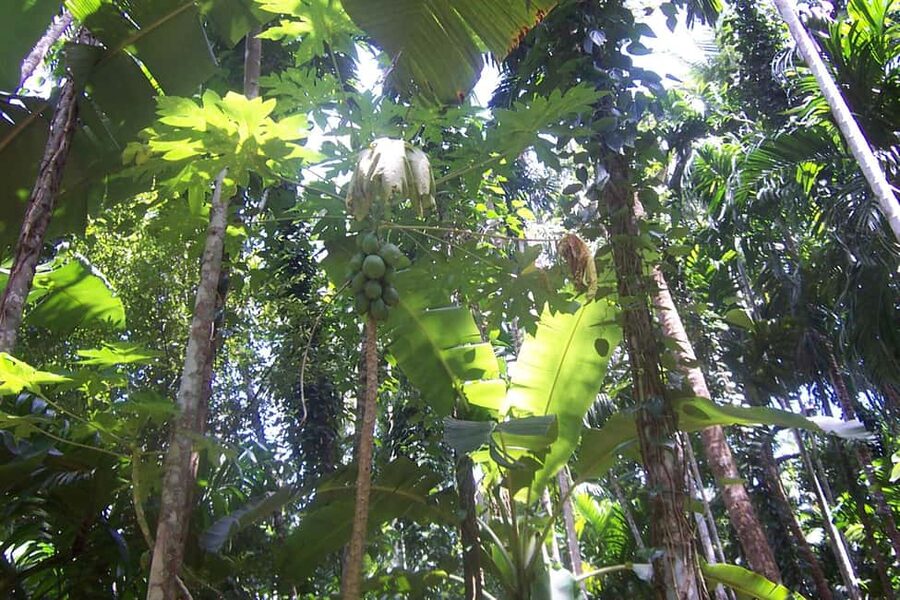
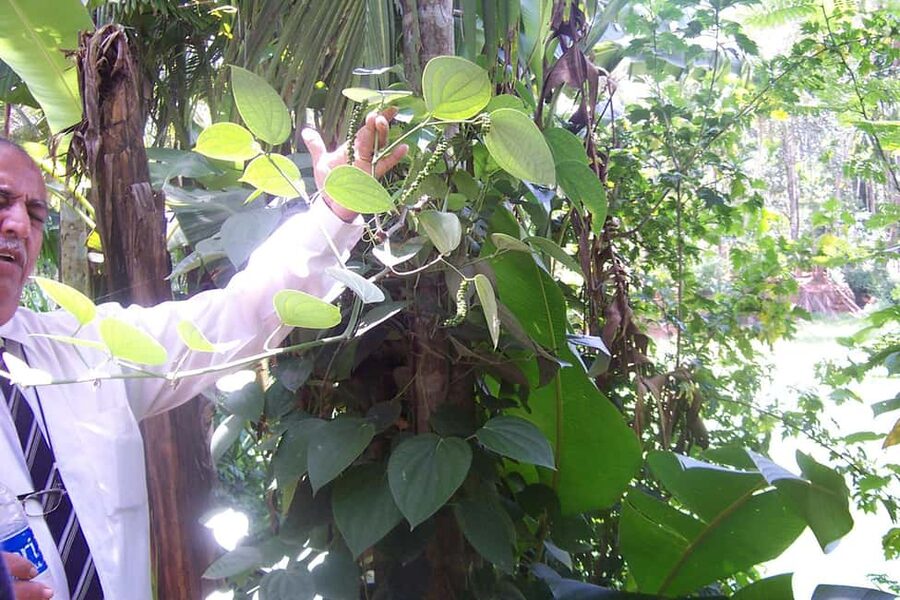
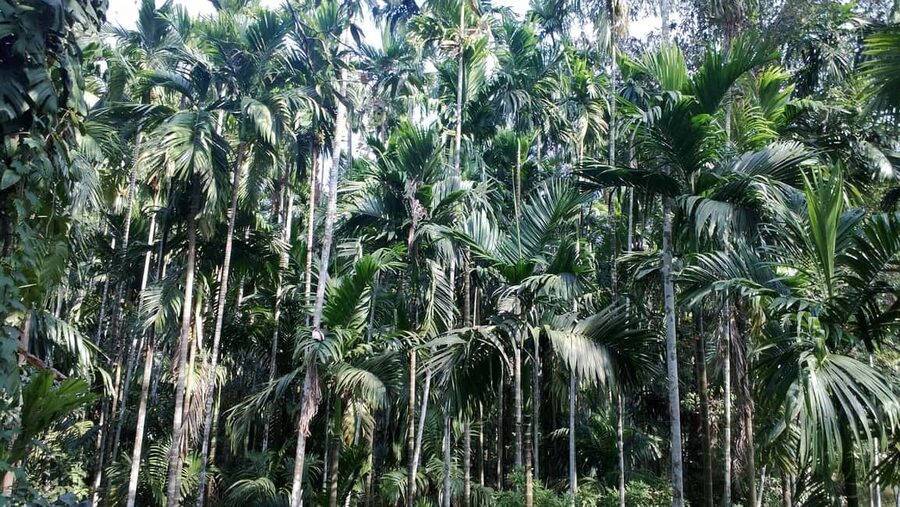
Then the tour turns into something very different: a tropical spice plantation visit. You’ll go to Arla Bazar Keri, Ponda, and the experience is described as serene and calm. You’ll hear birds, walk through plantation areas, and even stroll by a stream.
The point here isn’t just to say you saw spices. It’s to connect what you taste later to what you saw earlier. Spices in Goa aren’t an abstract idea. They’re grown, handled, and described on the ground.
The walk can include examples like betel nuts and other spice plants mentioned as part of the plantation stroll. Even if you already know a few Indian spices, you’ll likely pick up new associations through your guide’s explanations.
If you’re the kind of traveler who likes a break from temples, this plantation portion is your reset button.
Goan Buffet Lunch: What’s Included and What It Means for Value
Lunch is a included part of the spice stop. You’ll be served a solemn buffet Goan lunch with items listed like:
- prawn curry
- a Goan chicken dish
- white and brown rice
- Goan bread
- fish fry
- a couple of vegetable items
Two things make this lunch feel like real value:
- It’s included, so you’re not spending money or time hunting for a meal between sites.
- It happens right after the spice visit, so the meal feels tied to the place, not tacked on.
Drinks are not included, so if you want water beyond what’s provided by the venue, budget for that. This is one of those small gaps where planning ahead prevents the day from turning slightly annoying.
The Two-Hour Drive Around Goa: Not Bad, Just Necessary
You’ll also spend time passing through Goa on the way between stops, which adds up to about two hours. This isn’t wasted. It’s what keeps the tour realistic. You’re covering distances and moving between very specific heritage areas and the plantation region.
I actually see this as part of why the day feels comfortable. You get a chance to relax in the car, ask your guide questions, and mentally switch from architecture to agriculture. If you hate being in transit, then a 5-hour format might sound short on paper, but you’ll still feel the road time.
Price and Value: Why $82 Can Make Sense
At $82 per person, you’re paying for a private day with:
- a professional guide (English)
- a private chauffeur-driven car
- entry tickets for the spice plantation and the buffet lunch
- and ticket-line skipping for the experience
The big value signal for me is the combo of guide + transport + included meal. Many short tours are basically sightseeing only, where you end up paying extra for food and site access. Here, the lunch is already handled, and you’re not relying on finding a local restaurant quickly after the plantation walk.
Is it perfect value for everyone? Not necessarily. If you’re the kind of traveler who wants to linger for hours in each church, this schedule may feel snug. And if you don’t eat fish or shellfish, you may need to check how flexible the buffet is with your preferences, since the listed menu includes prawn curry and fish fry.
Still, for most first-timers who want a clean, organized heritage-and-food day, the price fits the format.
What I’d Pack and How I’d Dress
Because churches and temples are involved, packing is simple but important:
- No shorts, no sleeveless shirts for temple/church time
- Wear light layers you can adjust quickly
- Carry something modest to cover up if you tend to travel in summer clothes
Also, think about comfort. Even with a private car, you’ll be walking at the cathedral area and through the plantation. Comfortable shoes keep the day enjoyable.
If you care about photos, assume that indoor photography might be restricted. One traveler specifically noted no photos inside a site, so don’t plan your day around getting every interior shot.
Who This Tour Is Best For
This tour is a good fit if you want:
- a focused Old Goa heritage day without chaos
- a spice plantation experience that’s not only for souvenir shopping
- a lunch that’s included and connected to what you just learned
It also works well for couples and solo travelers who like private guiding. Past experiences include guides described as attentive and respectful, including Dadapir, who was noted as knowledgeable about Catholic faith while following the Muslim faith. That kind of respectful approach usually matters a lot when you’re visiting religious heritage sites.
For families, the schedule can be manageable since most stops are time-boxed, but dress rules are something kids will need to follow too.
Should You Book This Heritage Goa Church and Spice Plantation Visit?
I’d book it if you want a tidy, well-organized heritage + food half-day that feels more thoughtful than a nonstop sightseeing grind. The combination of Portuguese-built Old Goa landmarks with a real spice plantation lunch makes it a memorable day in a small time window.
Skip this tour if you:
- need a lot of freedom to wander without set stop times
- plan to visit in clothing that breaks dress rules
- rely on drinks being included
If you’re in the mood for history that you can see with your own eyes, plus spices you’ll taste later, this is a strong choice.
FAQ
How long is the Heritage Goa tour?
The duration is 5 hours.
Where does pickup happen?
Pickup is from Calangute.
What are the main stops on the route?
You’ll visit Se Cathedral, Basilica of Bom Jesus, and a Tropical Spice Plantation. You’ll also see St. Augustine’s Tower as part of the experience.
Is this a private tour?
Yes. It’s a private group with a private chauffeur-driven car.
Is the guide available in English?
Yes. The tour includes an English live tour guide.
What’s included in the price?
Included are the private chauffeur-driven car, professional guide, spice plantation entry tickets, and the buffet lunch. Ticket line skipping is also included.
Are drinks included with lunch?
No. Any drinks are not included.
What should I wear for churches and temples?
Shorts, short skirts, and sleeveless shirts are not allowed. You need to dress appropriately for church and temple visits.
Is there any restriction on photography?
One provided review notes that you may not be allowed to photograph inside. It’s best to expect potential restrictions indoors.
What does the buffet lunch include?
The buffet lunch menu includes prawn curry, a Goan chicken dish, white and brown rice, Goan bread, fish fry, and a couple of vegetable items.