REVIEW · VENICE
Ancient Venice and Its Spices: Cooking Class and Market Tour
Book on Viator →Bookable on Viator
Spices do the talking in Venice. This small-group cooking class starts at Mercati di Rialto and turns shopping into a hands-on meal with Massimo, who explains how Venice’s spice trade shaped flavors you’ll actually taste. I especially love the market-to-table approach and the way the session is built around fresh ingredients and spice choices you can follow and repeat at home, even if you’re not a chef. One important catch: it’s not suitable for celiacs.
The payoff is food plus a real sense of place. You cook in an ancient Venetian house, then sit down to a three-course lunch with homemade wine, and you’ll eat dishes that go beyond the usual tourist checklist.
In This Review
- Key highlights at a glance
- Market morning at Campo San Giacomo di Rialto
- Spices, trade, and why Venice tastes the way it does
- Cooking in an ancient Venetian house with Massimo
- Starter direction: salads, edible flowers, and spice tastings
- Main course: fresh handmade pasta with pesto or seafood
- Bread break: focaccia with ancient flours and rosemary
- The three-course lunch (and the homemade wine factor)
- What the lunch can look like
- Unlimited homemade wine
- Price and value: what you’re really paying for
- Dietary needs and who should choose this class
- Quick practical tips before you go
- Should you book Ancient Venice and Its Spices?
- FAQ
- How long is the cooking class and market tour?
- What’s the price per person?
- Where do we meet?
- Is the tour offered in English?
- Does the price include the market tour?
- What’s included in the experience?
- Are dietary restrictions handled?
- Is it suitable for celiacs?
- What group size should I expect?
- What happens if the weather is poor?
Key highlights at a glance
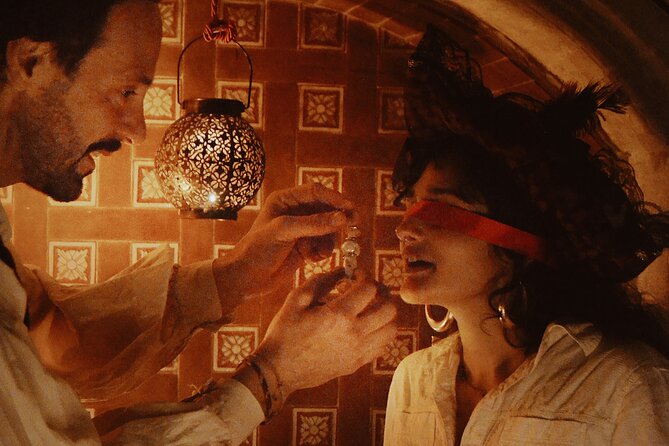
- Rialto Market ingredient hunt with a local guide and a clear food mission
- Spice education with practical outcomes (saffron, cumin, fennel, turmeric, cloves)
- Fresh pasta cooking with choices like pesto (including rucola pesto) or seafood sauces
- Ancient-flour focaccia plus a comfort-bread meal that feels rooted in older Venice
- Three-course lunch with unlimited homemade wine in a local, home-style setting
Market morning at Campo San Giacomo di Rialto
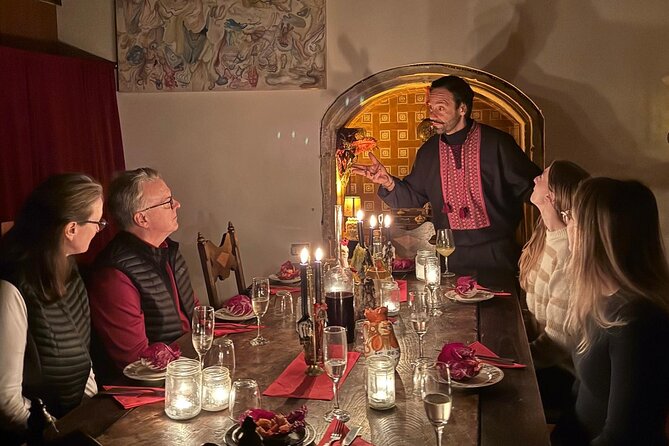
Your day begins back at the meeting point near Campo San Giacomo di Rialto, in the Venice area of public squares and walkable streets. The big idea here is that you don’t just watch cooking—you pick ingredients first, with a local guide showing what to look for and why it matters.
If you’ve ever wondered why Venetian food tastes specific and not just generic Italian, this is where it starts to click. The market time is about noticing small details: the ingredients that show up in local cooking, how herbs and produce pair, and the role of spices that were historically part of Venice’s trading identity. Even if you’re not a heavy foodie, you’ll leave with a better sense of what goes into the sauces and finishing touches.
One practical note: this experience is near public transportation, but there’s no mention of hotel pickup. Plan to get there on your own and give yourself a little buffer for getting oriented in Venice.
Spices, trade, and why Venice tastes the way it does
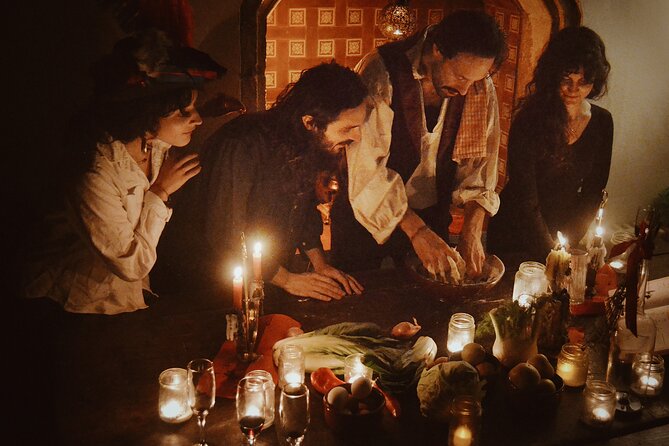
In this class, spices aren’t decorative. They’re the storyline—and Massimo uses that story to guide what you cook. You’ll hear how Venice became a crossroads for the spice trade, and you’ll connect that history to the flavors you’ll be eating later.
Here are a few spice threads you’ll run into during the meal plan:
- Cumin and fennel show up early, including in starter elements.
- Saffron makes appearances in flavor pairings you might not expect.
- Turmeric, nutmeg, and cloves come into play for pasta sauce decisions.
- There’s also a strong sense of balance—spices are used to bring warmth and aroma, not to turn everything into one dominant flavor.
And yes, you may even run into bold combinations like mandarin marmalade with chili and saffron. That mix sounds unusual until you understand the logic: sweet + heat + a floral, aged spice profile is exactly how historic trading ingredients could find their way into everyday cooking.
The value for you is simple: once you understand the flavor logic, you stop seeing recipes as rigid rules. You start seeing them as choices you can adjust based on what you find at the market.
Cooking in an ancient Venetian house with Massimo
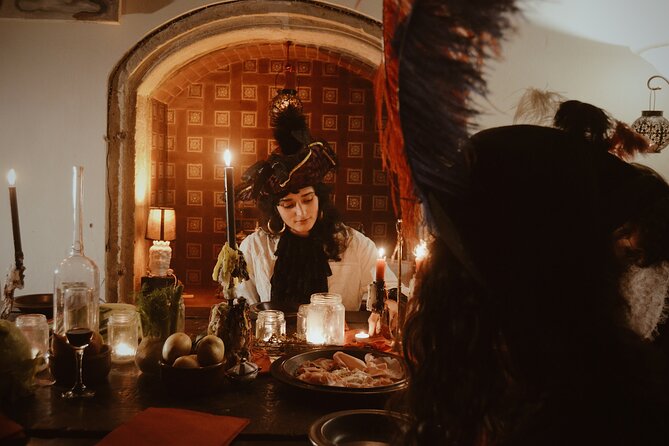
After the market, you head into a real home setting for the cooking. The experience includes cooking in an ancient Venetian house, which matters more than it sounds. Home kitchens and historic spaces tend to make the process feel slower and more personal—less like a performance, more like a family meal with instruction.
The group size stays small (maximum 20), and the class is set up so you can participate without feeling lost. Expect a hands-on approach, not just sitting and watching.
Starter direction: salads, edible flowers, and spice tastings
The starter concept is built around what the market provides and how Venetian cooking uses small flavor hits. Your menu can include fresh salads from the market, and it may include edible flowers. There’s also a tasting component focused on regional products and spices—think cheese, salami, marmalades, honey, and the spice notes that tie them together.
A couple of things I like about this structure:
- You’re not stuffed too fast, so you can enjoy the heavier parts later.
- You get multiple flavors before the main dishes, which helps you understand what each spice is doing.
Main course: fresh handmade pasta with pesto or seafood
The main event is fresh handmade pasta, and you’ll work with choices like:
- pesto (including rucola pesto)
- or a fresh seafood direction
What’s fun is that the sauce decisions may involve spices such as nutmeg, turmeric, and cloves. The class also includes the idea that you decide together what goes best—so it feels less like following a script and more like cooking with guidance.
One dish option mentioned is a seafood route that can include local shark, plus cloves and citrus-style flavor thinking. Even if you don’t eat every bold option, the method is what matters: you’ll learn how spice + aroma + sauce style interact.
Bread break: focaccia with ancient flours and rosemary
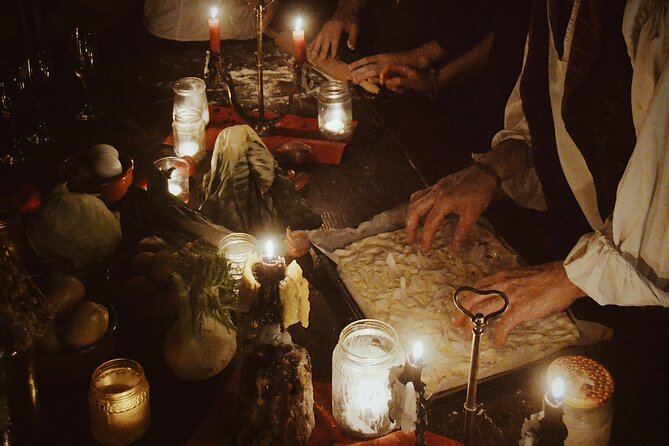
You’ll also taste focaccia, described as made with ancient types of flours, plus rosemary and other flavors. It’s explained as a bread/pizza style with centuries of history—so you’re not just eating carbs; you’re eating context.
This part is a good break from pasta intensity. Bread also helps you sample sauces and toppings without needing a fork-and-knife strategy for every bite.
The three-course lunch (and the homemade wine factor)
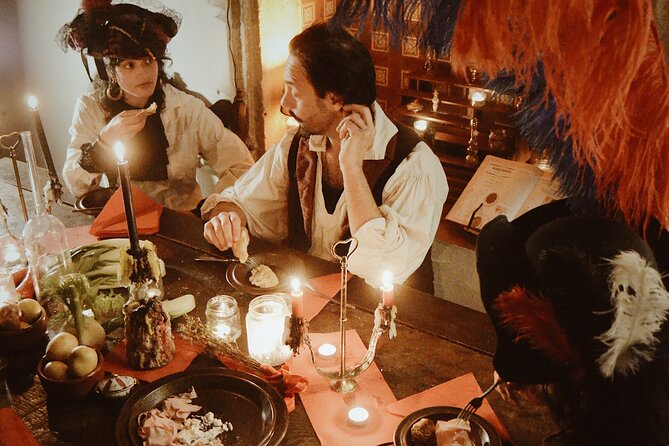
This is a lunch experience, not a snack. After cooking, you sit down and eat. The menu is built in courses, and the flow matters because it keeps you tasting while the flavors are still clear in your head.
What the lunch can look like
A typical three-course pattern in this experience includes:
- Starter: market salads, spice-forward tastes, and regional specialties like cheese, salami, marmalades, and honey (with possible edible flowers).
- Main(s): handmade pasta with pesto or seafood; plus focaccia as an additional bread dish.
- Dessert: fresh ricotta with honey, figs, hazelnuts, and flavor accents like turmeric and lavender.
That dessert combination is a perfect example of what you’ll get from this class: flavors that feel Italian, but with Venetian-leaning spice logic. The turmeric and lavender are aromatic rather than harsh, and they round out the meal in a way that doesn’t feel like an afterthought.
Unlimited homemade wine
Unlimited wine is included, and it’s described as homemade production. For many people, this is the part that turns the day into an actual experience rather than a cooking workshop.
Just keep in mind that Venice walking plus wine means you should pace yourself. The tour runs about 3 hours 30 minutes, so plan to be done for the day afterward, not to squeeze in another big walking mission.
Price and value: what you’re really paying for
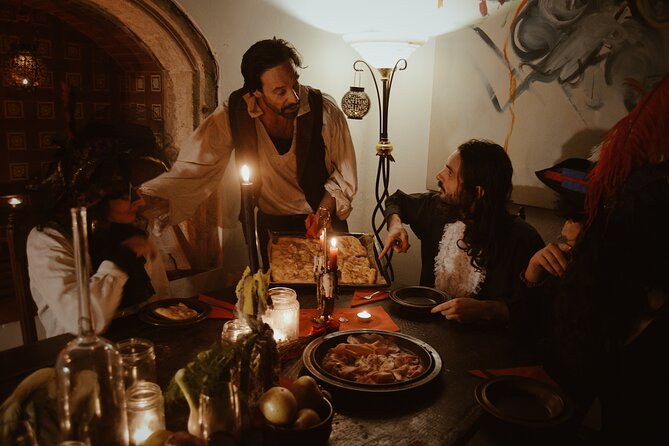
At $108.43 per person for roughly 3.5 hours, this isn’t the cheapest thing in Venice—but it isn’t trying to compete with the lowest-cost options either. It’s priced like a full experience: market time, cooking instruction, a home-style meal, and unlimited homemade wine.
Here’s what you get that boosts the value:
- A real ingredient stop at Mercati di Rialto
- Cooking in a local home (ancient Venetian house)
- Lunch is included, as are multiple dishes and courses
- Wine is included and described as homemade
- Small group feel (up to 20)
What’s not included:
- Private transportation and hotel pickup/drop-off
- Entrance fee(s) for the market tour, if applicable (spese per market tour is called out as not included)
- Nothing suggests it’s a museum ticket type of day, so you’re paying for food and instruction.
So is it worth it for you? If you want a hands-on meal that teaches how flavors come together, yes. If you mainly want scenic wandering with minimal food work, you’ll probably feel the time and price more than you’ll enjoy the cooking part.
Dietary needs and who should choose this class
This is one area where you should read the fine print carefully.
- The menu is described as customizable for allergies or restrictions, with no problem stated for accommodating them.
- But it’s also explicitly not suitable for celiacs.
So if you have gluten needs, you’ll want a careful check with the organizer before booking. If you have other allergies or dietary limits, the class says it can customize the menu—still, it’s smart to share details clearly when you book so the kitchen can plan.
Quick practical tips before you go
A few things will make your day smoother:
- Wear comfortable shoes. You’ll be moving through market areas and then walking streets after shopping.
- Eat lightly beforehand if you’re not sure how hungry you’ll be at lunch time. The course meal is the main event.
- Have a question list ready for Massimo. The class includes spice education, and it’s the kind of lesson you’ll enjoy more if you ask about the why behind the flavors.
- If you’re dealing with allergies or restrictions, message your needs early. The class says it can customize.
Should you book Ancient Venice and Its Spices?
If you like food that feels specific to Venice, this is a strong pick. You’re getting:
- a Rialto market start instead of a generic restaurant meal
- real cooking instruction, not just watching
- spices taught with outcomes (you taste the logic, not just hear about it)
- a three-course lunch with unlimited homemade wine
I’d skip it if celiac/gluten constraints are a concern, because it’s explicitly not suitable for celiacs. I’d also think twice if you prefer your food experiences to be mostly passive. This one asks you to help with cooking and to pay attention.
If you’re the kind of person who wants to leave Venice with a stronger food memory—not just a photo—then booking this class is an easy yes.
FAQ
How long is the cooking class and market tour?
It lasts about 3 hours 30 minutes.
What’s the price per person?
The price is $108.43 per person.
Where do we meet?
You meet at Campo San Giacomo di Rialto, 30125 Venezia VE, Italy.
Is the tour offered in English?
Yes, it’s offered in English.
Does the price include the market tour?
The market tour is included if that option is selected. Entrance fees for the market tour are not included.
What’s included in the experience?
You get lunch, a guide, cooking in an ancient Venetian house, time with a local in his house outside the tourist path, unlimited homemade wine, and a small-group or even private cooking class. Allergies and restrictions can be customized.
Are dietary restrictions handled?
Yes. The menu can be customized for allergies or restrictions.
Is it suitable for celiacs?
No, it is not suitable for celiacs.
What group size should I expect?
The tour has a maximum of 20 travelers.
What happens if the weather is poor?
If it’s canceled due to poor weather, you’ll be offered a different date or a full refund.