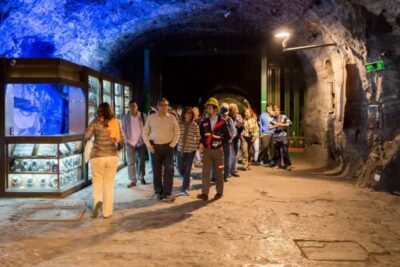
REVIEW · PHNOM PENH
Heritage tour of Phnom Penh in electric bus
Book on GetYourGuide →Operated by Phnom Penh Heritage city tours · Bookable on GetYourGuide
Phnom Penh hits different when it comes with history on-screen. On this electric bus heritage tour, you ride through key parts of the capital while tablets guide you with audio-video stories in multiple languages. It’s a practical way to get your bearings fast, especially if you’ve just arrived and you’re not sure where to start.
I like the audio-video tablet format because the stories are tied to specific places, with vintage photos and historical anecdotes. I also like that you’re not stuck watching the world go by; you step out at multiple stops and can physically walk into a few standout locations.
One consideration: at 2.5 hours and 19 stops, the tour keeps a steady pace. If you’re the type who wants to linger and read every sign, plan to add extra independent time right after the tour ends.
In This Review
- Key things to know before you go
- Why this heritage tour rides better than a “sit-and-stare” bus day
- The tablet + headset system: how you get context without getting lost
- What you learn about Phnom Penh: French protectorate-era stories that shape the streets
- The dark chapter: how the Khmer Rouge period fits into the tour
- The stops that matter most: what the 19 stops feel like in real time
- Three walk-in moments you’ll remember: temple, library, and art school
- Ending near Street 240: a smart finish location for self-guided wandering
- Price and value: is $27 fair for a tablet-guided heritage circuit?
- When your French-English guide style will feel best
- Getting the most out of your 2.5 hours (without rushing yourself)
- Who should book this tour—and who might prefer something else
- Should you book Phnom Penh Heritage Tour by electric bus?
- FAQ
- How long is the Phnom Penh Heritage Tour?
- How much does it cost?
- What is included in the tour?
- What languages are available on the audio guide?
- How many stops and sites does the tour cover?
- Will I be able to enter buildings?
- What is the tour duration like for sightseeing breaks?
- Where does the tour end?
- Is hotel pickup and drop-off included?
- Is food included?
Key things to know before you go

- Electric bus comfort for a short, concentrated overview of central Phnom Penh
- Tablets with 24 audio-video guides in 10 languages, plus headset audio
- Virtual entry to certain buildings that are normally inaccessible to the public
- Walk-in moments at 3 unusual places: a Hokkien temple, the National Library, and the Royal University of Fine Arts
- Stories that cover French protectorate-era Phnom Penh, Art Deco trends, elite life in the early 1900s, and the Khmer Rouge period
- Ends near Street 240, close to the Royal Palace and the riverside, so you can keep exploring on your own
Why this heritage tour rides better than a “sit-and-stare” bus day
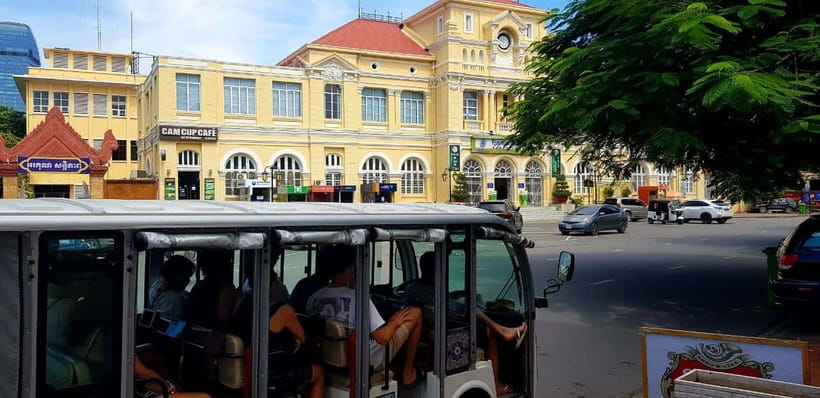
Phnom Penh can feel overwhelming at first. You’ve got new development mixed with older architecture, and it’s not always obvious what you’re looking at or why it matters. This tour solves that problem in a simple way: you spend the 2.5 hours on an electric bus, with a guided story triggered by where you are.
The biggest advantage is that you don’t have to build your own route from scratch. The tour’s structure is designed to take you from one historical topic to the next—transformation into a capital, French-influenced urban planning, early 20th-century style, and then the later political nightmare. Even if you only know a few facts about Cambodia today, you’ll leave with a clearer map of the city’s eras.
Also, the transport is a big selling point. The experience is highly rated for transport (97% of reviewers gave it a perfect score). In practical terms, that matters on a short day: you want energy for the stops, not stress from the ride.
You can also read our reviews of more historical tours in Phnom Penh

The tablet + headset system: how you get context without getting lost

The tour doesn’t rely on a single spoken guide voice for everything. Instead, you get tablets (pads) and headsets, and you follow 24 audio-video guides across 10 language options (including English, French, Chinese, German, Italian, Korean, Japanese, Spanish, Khmer, and Russian).
Why this matters: Phnom Penh has a lot of visual noise. Traffic, signage, construction, and crowds can pull your attention away from details. The tablet format acts like a layer of interpretation. As you reach a stop, the video and narration explain what you’re seeing—often with films, vintage photos, and historical anecdotes.
There’s also an extra payoff for curious travelers: the tour includes the privilege of virtually entering certain buildings that are inaccessible to the public. That’s not the same as physically walking inside, but it’s still a clever substitute. If you’re the type who hates missing interiors just because of restricted access, this feature can feel like a win.
What you learn about Phnom Penh: French protectorate-era stories that shape the streets
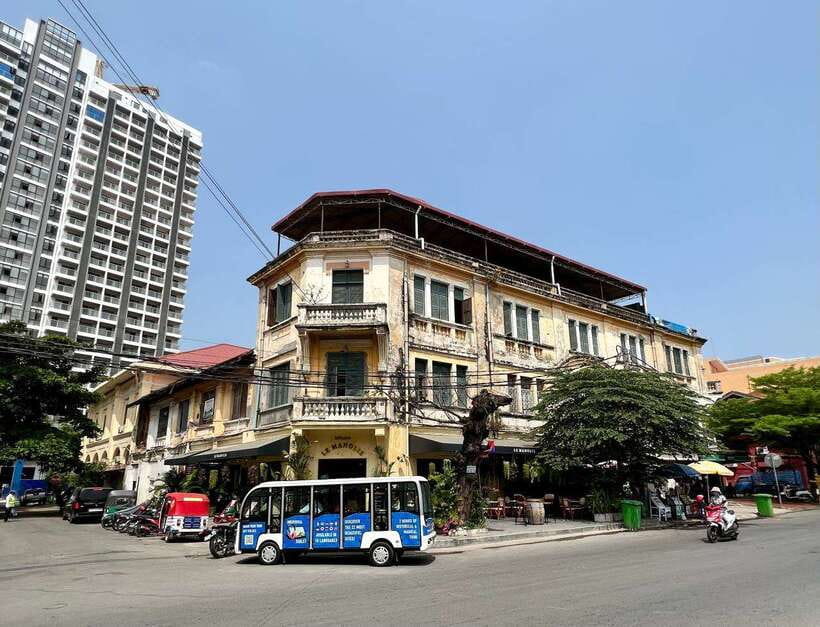
This heritage tour focuses heavily on the period when Cambodia was under the French protectorate. That gives the itinerary a coherent theme: you’re not getting a random list of sights; you’re seeing how one historical era influenced the city’s layout, architecture, and social life.
The stories are organized around big ideas, not just monuments. You’ll hear about:
- how a fishing village became a capital
- early urbanization on a French model
- a trend for Art Deco architecture
- how the social fabric was organized
- the royal family and the lifestyle of the elite in the early 20th century
If you’ve visited Phnom Penh before and felt like the city’s timeline was hard to read, this is the fix. When someone explains why certain buildings look a certain way, you start noticing details you would normally miss: layout choices, stylistic influences, and the way neighborhoods developed.
The dark chapter: how the Khmer Rouge period fits into the tour
A good history tour doesn’t pretend the past is only pleasant. This one includes the dark hours of the Khmer Rouge regime as part of what you discuss. Even though the tour is built for a 2.5-hour overview, it doesn’t keep the story comfortable or one-note.
For you, that means the emotional weight is there—without you having to guess where it belongs in the city’s story. You’ll understand that Phnom Penh isn’t just architecture and royal landmarks; it’s also a place where politics and suffering reshaped lives.
If you’re traveling with kids or you prefer strictly light and scenic stops, you may want to mentally prepare for that shift in tone. The value is that it adds honesty. The tour’s structure helps you process the change in era because the narration moves from colonial and elite life to the realities that followed.
The stops that matter most: what the 19 stops feel like in real time
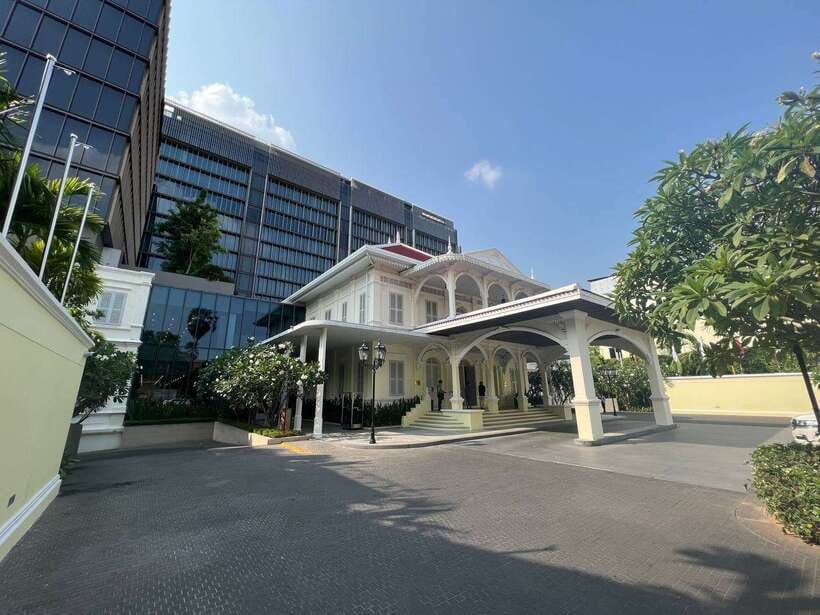
You’ll hit 19 stops, and each one introduces multiple sites—together totaling 22 major places in the capital. You’ll ride, listen, and then get moments to see what’s around you up close.
Here’s what that rhythm tends to feel like in practice:
- Most stops are short but meaningful: you orient yourself, learn what to notice, then move on.
- The tablet guides keep the story anchored to the streets, so you’re not relying only on memory later.
- Some places are explained in a way that helps you visualize what the area looked like during earlier eras, using vintage images and films.
What you should watch for: after the video cues, look up and around. With French protectorate-era Phnom Penh, the details can be in plain sight but easy to ignore. The tour helps you “see” rather than just “visit.”
One practical tip: bring a phone for photos, but let the tablet do the teaching. If you keep switching between snapping pictures and reading, you may miss the key context that turns scenery into understanding.
Three walk-in moments you’ll remember: temple, library, and art school
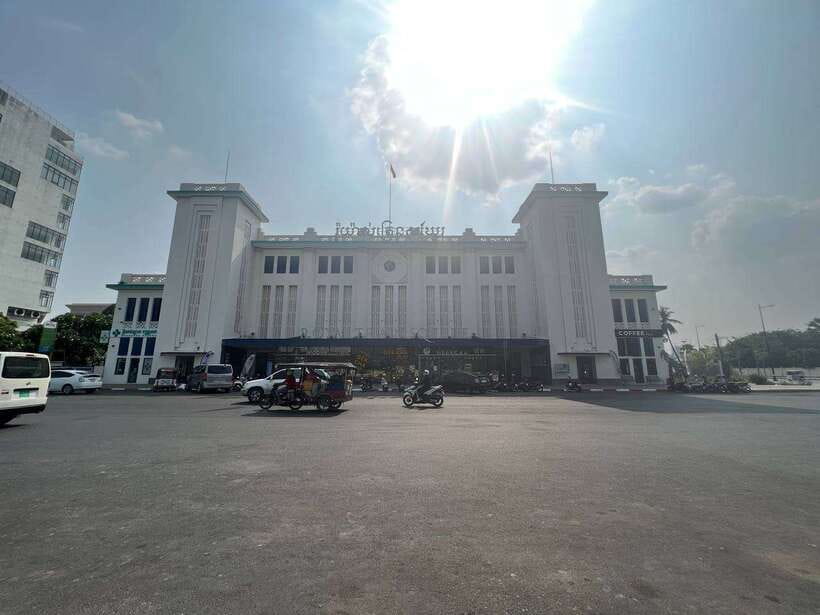
One of the best parts of this tour is that it isn’t only about looking from the roadside. You’ll get the chance to walk into three unusual places:
- an Hokkien temple
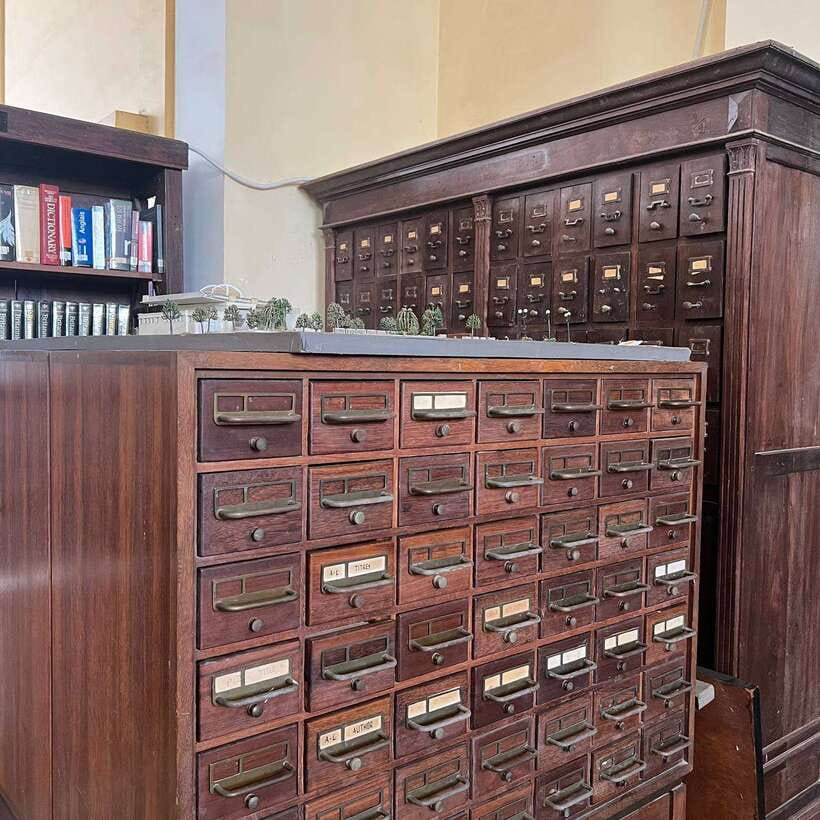
- the National Library
- the Royal University of Fine Arts
These stops add variety. A temple gives you a spiritual and community texture. A national library signals knowledge and preservation. The Royal University of Fine Arts points to cultural identity and how creativity is taught and maintained over time.
Even if you don’t go in perfectly prepared, the tablet/audio-video guidance helps you understand what you’re seeing while you’re there. That’s the key difference between a standard sightseeing bus tour and a heritage format: you’re walking into locations with historical meaning already explained.
Ending near Street 240: a smart finish location for self-guided wandering
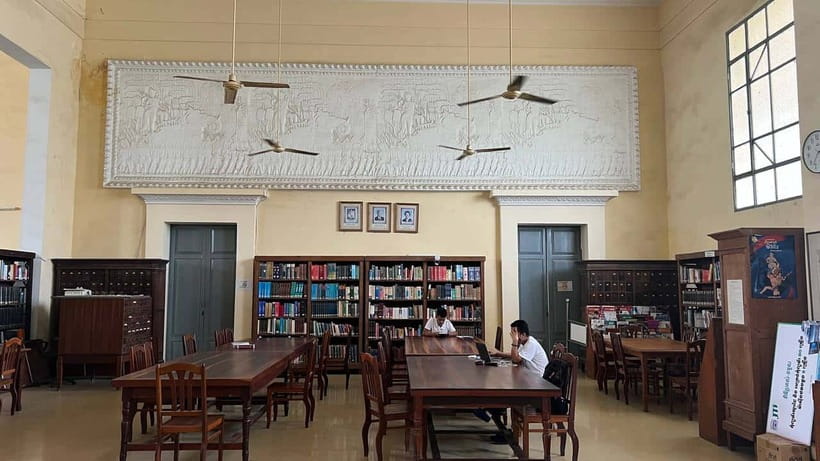
The tour ends on Street 240, close to the Royal Palace and the riverside. That finish matters because it sets you up for an easy next step.
After 2.5 hours of guided history, you’ll likely want a breather and then a change of pace. Being near the Royal Palace area and the river lets you keep exploring without restarting your planning. It also helps because Phnom Penh’s atmosphere changes by neighborhood; ending at a central, recognizable area means you’ll feel grounded instead of dropped off somewhere random.
If you’re still energized, this is a great moment to follow the ideas you picked up on the bus and connect them to what you see outside.
Price and value: is $27 fair for a tablet-guided heritage circuit?
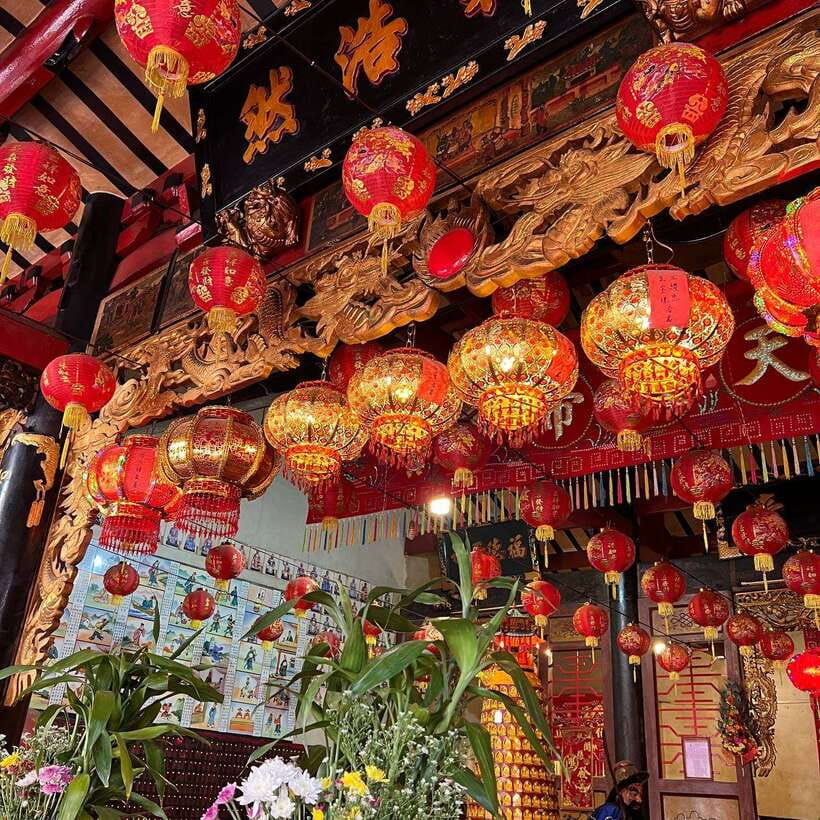
At $27 per person for a 2.5-hour tour, the value is mostly in what’s included and how it’s used. You’re not just paying for a vehicle and a basic guide. You get:
- tablets (pads) for the audio-video system
- headsets
- a bottle of water
- audio-video in 10 languages
- the option of virtual entry into certain buildings that are usually off-limits
That package makes the cost easier to justify. Tablet-guided history saves time in the real world. Instead of spending your own energy piecing together meanings from signs, you’re getting context directly at each stop.
You should still consider what you personally want. If you love fast overviews and like getting a framework for future independent visits, this is a good deal. If you prefer slow, deep museum time and don’t care about language options or video explanations, you might feel like the tour moves quickly.
When your French-English guide style will feel best

The instructor is listed as English and French, and the format is tablet-driven across many languages. That combination is helpful because it means:
- you can still pick up extra explanations during stops
- your tablet handles the heavy lifting for audio and video
- language differences won’t turn the tour into a guessing game
From the written feedback, people often highlight that the explanations in French can be very thorough, and the tablet videos help you understand what you would otherwise never see. In other words, the system seems to work well even when you’re using one of the less common languages like Khmer or Russian, because the audio-video is part of the same package.
Getting the most out of your 2.5 hours (without rushing yourself)
Here’s how to make the tour feel rewarding instead of compressed:
- Charge your attention, not your phone. Let the tablet narration stay primary.
- Use the headset between stops. It keeps the story continuous while you’re transferring.
- Pick one or two themes to track. For example: French protectorate influence and Art Deco trends, or royal life and the Khmer Rouge chapter. Following a theme makes the city’s timeline click.
- Plan your post-tour walk. Ending near Street 240 means you can extend the day right away. If you don’t, you might forget what you learned by the time you find your next activity.
Also, take the heat into account. The tour includes bottled water, but the city is still the city. Wear something light, and don’t treat the walk-ins like a sprint. Take your time at the three locations where you actually step inside.
Who should book this tour—and who might prefer something else
This heritage tour is a strong match if you:
- want an organized overview of Phnom Penh in a short window
- care about colonial-era architecture, urban planning, and how eras shape the streets
- like audio-video explanations and want to understand buildings that may be inaccessible in person
- want ideas for what to visit next around the Royal Palace and riverside
You might look elsewhere if you:
- need a slow, museum-style schedule with lots of free time in each building
- dislike guided history that includes heavy political material
- want hotel pickup and full logistics handled end-to-end (hotel pickup and drop-off are not included, and you’ll need to arrange getting to the start)
Should you book Phnom Penh Heritage Tour by electric bus?
If you’re arriving in Phnom Penh and you want a clear, structured way to understand what you’re seeing, I’d say yes. For $27, you get more than a ride: you get a tablet-based history lesson that connects French protectorate influence, Art Deco style, royal-era life, and the Khmer Rouge period to real locations around the city.
Book it if you like practical orientation plus a few memorable walk-in stops—especially the Hokkien temple, National Library, and Royal University of Fine Arts. Skip it if you’re looking for hours of free exploration inside buildings, because this tour is designed as a concise overview with a steady pace.
FAQ
How long is the Phnom Penh Heritage Tour?
The tour lasts 2.5 hours.
How much does it cost?
The price is $27 per person.
What is included in the tour?
It includes tablets (pads), headsets, a bottle of water, and the audio guide content.
What languages are available on the audio guide?
The audio-video guides are available in 10 languages: French, English, Chinese, German, Italian, Korean, Japanese, Spanish, Khmer, and Russian.
How many stops and sites does the tour cover?
The tour includes 19 stops and highlights 22 major places in Phnom Penh.
Will I be able to enter buildings?
You can walk into three places (a Hokkien temple, the National Library, and the Royal University of Fine Arts). The tour also includes virtual entry to certain buildings that are inaccessible to the public.
What is the tour duration like for sightseeing breaks?
You’ll have opportunities to step out at stops during the ride, including the three walk-in locations, but the overall schedule is still designed to fit within 2.5 hours.
Where does the tour end?
It ends on Street 240, near the Royal Palace and the riverside.
Is hotel pickup and drop-off included?
No. Hotel pick up and drop off service is not included.
Is food included?
No. Food and drinks are not included.