REVIEW · HIROSHIMA
Hiroshima Peace (Heiwa) Walking Tour at World Heritage Sites
Book on Viator →Operated by MagicalTrip Inc. · Bookable on Viator
Hiroshima’s Peace sites hit hard. This 5-hour walking tour connects the atomic-bomb story to Hiroshima’s rebuilding, using key World Heritage landmarks and a guided flow you can follow without getting lost. You’ll move from the Hiroshima Peace Memorial Museum to viewpoints over modern Hiroshima and finish near the Chishaku-in Temple area.
What I like most is the MagicalTrip Certified Guide approach, with time built in for human stories, not just dates. I also appreciate the value add: lunch plus museum and Orizuru Tower entry are bundled in, so you’re not scrambling for tickets or meals mid-route.
One thing to consider: the Peace Memorial Museum can be crowded, and if it’s packed you may need to prioritize what you want to see most. Also, some exhibits can be graphic, so if you’re sensitive, tell your guide ahead of time.
In This Review
- Key things to know before you go
- MontbellJapan meet-up and how the 5-hour pace really works
- Peace Memorial Park and Museum: making the most of the 1-hour museum window
- Cenotaph and Children’s Peace Monument: reading symbols without guessing
- Aogiri tree and Atomic Bomb Dome: what you’re really looking at
- Orizuru Tower lunch with panoramic views: the break that makes sense
- Price and value vs doing Hiroshima on your own
- Who should book this tour
- Should you book this Hiroshima Peace Walking Tour?
- FAQ
- How long is the Hiroshima Peace walking tour?
- What’s the group size for this tour?
- What’s included in the price?
- Where does the tour start and end?
- Is the Peace Memorial Museum ticket included?
- Can the tour accommodate gluten-free diets or allergies?
- What if weather is bad?
Key things to know before you go
- Small-group size (max 8): you’ll have more room for questions and slower, respectful pacing.
- Museum + major landmarks: Peace Memorial Museum, cenotaph, Children’s Peace Monument, A-bomb Dome, plus the Aogiri tree area.
- Orizuru Tower lunch included: you get a break and a panoramic contrast from past to present.
- Tour photos included: handy when you want memories without swapping phones all day.
- Guide-led context: multiple guides in the lineup, including Yuji, Kaori, Etsuko, Yasue, Tommy, Kinnei, Hiro, and Mariko, are repeatedly praised for connecting facts to people.
- Weather and comfort matter: the tour involves walking in heat, and summer can reach extreme temperatures.
MontbellJapan meet-up and how the 5-hour pace really works
This tour starts at MontbellJapan in central Hiroshima (Kamiyachō), near public transportation, which makes the start less stressful than it could be. You’ll also use a mobile ticket, so you’re not hunting for printed paperwork. The tour runs about 5 hours, but the plan is broken into small sections, which helps when the subject matter is heavy.
The walking pace is designed for most people, and the group is kept to 8 travelers max, so it doesn’t feel like being herded. Still, it’s not a sit-down experience all day: you’ll be on your feet at memorial grounds and in and around museum areas. If walking is difficult for you, this one may feel like a lot; a private tour would likely be easier to pace.
One more practical note: the tour end point is tied to the lunch area near Orizuru Tower, and the activity finishes around the Chishaku-in Temple vicinity. That’s useful because it sets you up to keep exploring without needing to backtrack.
You can also read our reviews of more walking tours in Hiroshima

Peace Memorial Park and Museum: making the most of the 1-hour museum window
You start in the Hiroshima Peace Memorial Park area, where the Hiroshima Peace Memorial Museum becomes the emotional center of the day. The park itself is where you get grounded in place—this is not abstract history. It’s Hiroshima, where the memorial spaces are organized so you can move from general remembrance into specific details.
The museum time is about 1 hour, and that’s enough to understand the core narrative, but not always enough to absorb every single exhibit if it’s busy. The museum entry is included, and that’s a big help: you show up ready to learn, not negotiating ticket logistics while trying to process what you’re seeing.
If you’re wondering how to handle the museum hour, here’s what works in practice: pick what you need most before you enter. If you want personal stories and human impact, focus on the sections that explain daily life changes and survival. If you want the event itself, prioritize the exhibits that describe what happened on August 6, 1945 and how the city reacted afterward.
A caution from real-world experience: the museum can get crowded, and one account noted trouble reaching the main exhibit when lines and crowd flow slowed things down. That doesn’t mean the tour is bad—it means you should treat this as a guided route through the museum’s key points rather than a guarantee of unlimited browsing time.
Cenotaph and Children’s Peace Monument: reading symbols without guessing
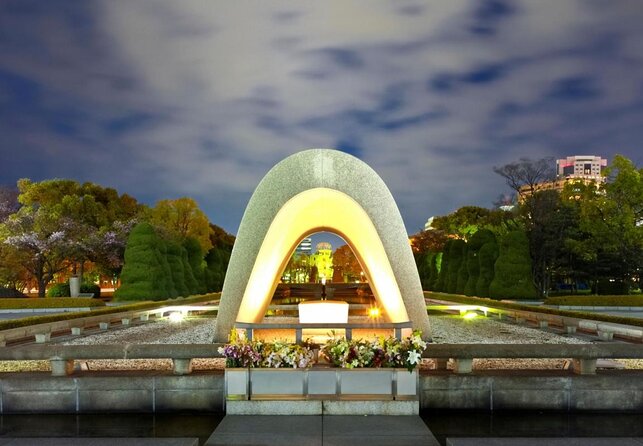
After the museum, the tour moves through the memorial park with quick, focused stops that help you understand what different monuments are saying. You’ll visit the Peace City Monument (Cenotaph) for the Atomic Bomb Victims, a short stop (about 5 minutes) but powerful in its intent. The point here is respect and clarity: this is a designated space for remembrance, so you’ll want to slow down and let the meaning land.
Next is the Children’s Peace Monument, another 10-minute stop where your guide explains why this monument exists and what it represents in Hiroshima’s public memory. This is one of the best parts of a guided approach, because the sign text alone can feel flat. With a guide, you get the story behind the symbolism—why children’s futures are built into the message of peace.
If you’re traveling with kids, this is worth considering carefully. Some exhibits in the museum contain graphic imagery. The tour instruction specifically says to inform your guide if there are concerns, and that’s exactly what you should do. A good guide can adjust the emphasis and pace so everyone gets what they came for without unnecessary distress.
Aogiri tree and Atomic Bomb Dome: what you’re really looking at

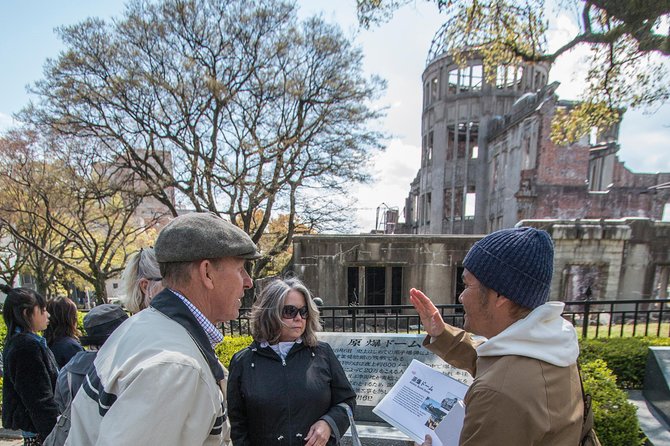
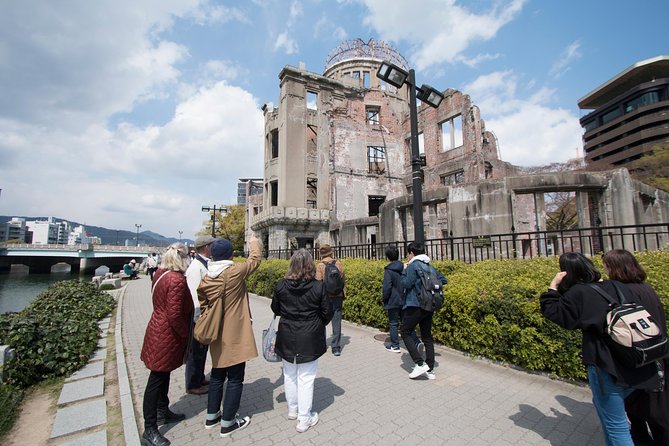
The most visually unforgettable checkpoint is the Atomic Bomb Dome. It’s visited for about 15 minutes, and the structure is described as conveying the horror of the atomic bombing while also serving as a peace memorial. The dome’s meaning is why it’s worth seeing in person. Photos are powerful, but the scale and the surrounding memorial design do something different when you’re standing there.
The tour also includes time connected to the Aogiri tree, mentioned as a key stop on the walk. Even when you don’t know its story ahead of time, guides can help you see why it’s treated as a symbol of survival. In Hiroshima, nature doesn’t appear as decoration—it’s part of the city’s resilience narrative.
What I like about this section is the contrast. You’re not just looking at ruins or artifacts; you’re watching how the city chooses to remember. That mindset helps make sense of the rest of the day, including the final stop at Orizuru Tower.
Timing here matters too. If you hit this stretch earlier in your day and your energy is decent, you’ll absorb it better. If you start feeling emotionally drained, it’s still okay. A lot of people come to Hiroshima to feel something. Just don’t rush this part like it’s a checklist.
Orizuru Tower lunch with panoramic views: the break that makes sense
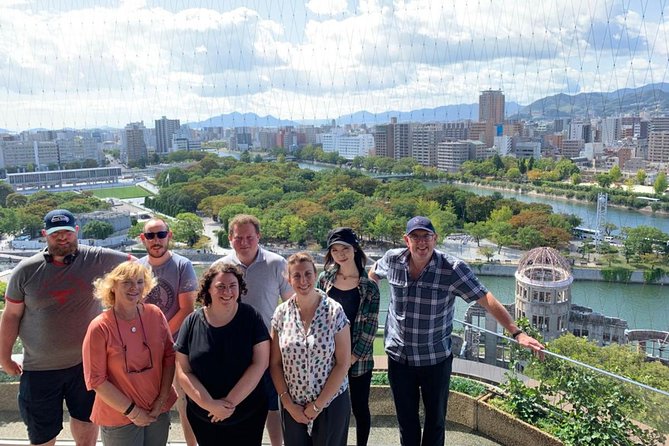
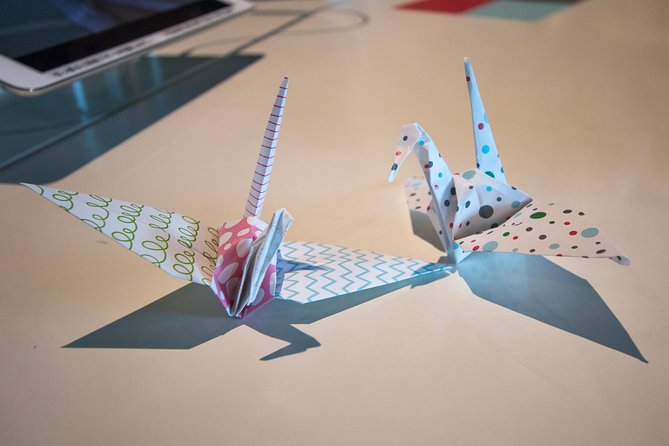
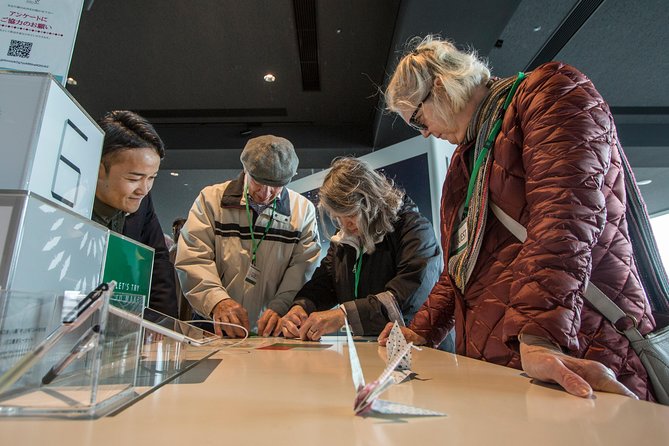
Halfway through your walk, you take a breather with lunch at the Orizuru Tower observatory. The lunch is included, the visit is about 30 minutes, and the structure gives you a panoramic view of Hiroshima’s present-day layout. This is a smart placement in the itinerary because it gives you a mental reset after the memorial-heavy portion.
Food included is always a win in Hiroshima. You don’t have to find a restaurant, translate menus under pressure, or wonder if you’ll lose tour time. The tour notes say additional food and drink are available for purchase, which helps if you get snacky afterward or need something extra.
Diet notes to know: the tour states gluten-free requests aren’t accommodated. Vegetarian options are limited, because many Japanese restaurants aren’t set up for full vegetarian menus. Also, it’s not guaranteed that allergies can be handled perfectly, since food prep happens in kitchens not run by the tour company. If you have a dietary request or allergy, the guidance is to contact them at least one day before your tour.
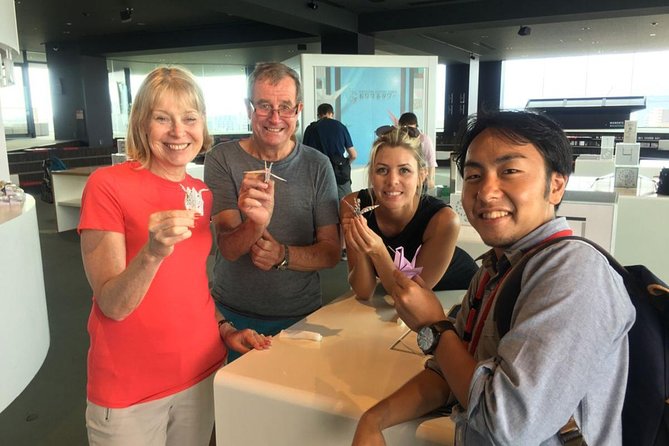
One small perk: the tour includes tour photos. It may not replace your camera, but it does reduce hassle when you want shots at key angles—especially around monuments where you don’t want to keep stopping your group.
Price and value vs doing Hiroshima on your own
At $94.84 per person, this isn’t a bargain in the backpacking sense. But it can still feel like good value because a few expensive-in-time elements are bundled.
What you’re paying for:
- Museum and Orizuru Tower entrance fees are included
- Lunch is included
- A Certified Guide leads the route and explains what you’re seeing
- Tour photos are included
If you were to plan this solo, you’d still pay for museum entry and tower admission, and you’d spend extra time figuring out the best order and how to interpret the sites. The guide’s job is to connect the dots quickly, and the reviews supporting this tour repeatedly mention guides like Yuji, Kaori, Etsuko, Yasue, Tommy, Kinnei, and Hiro for strong storytelling and thoughtful pacing.
There’s also the practical advantage of group size. A max of 8 travelers helps the tour feel orderly and keeps questions from turning into long delays.
Yes, there’s a drawback. Crowd flow at the museum can affect what you get to see within the guided time. But that same crowd reality also applies to self-guided visits—you’d just be dealing with it without the plan and context. Here, you at least have someone coordinating the day.
Who should book this tour
This works best if you want a guided, respectful route through Hiroshima’s key Peace sites and you’d rather spend your attention on meaning than logistics. It’s also a good fit for first-time visitors who don’t want to piece together an itinerary while dealing with difficult history.
It may not be ideal if you have mobility issues that make walking hard, since the tour isn’t recommended for limited mobility. And if you require gluten-free meals or have complex allergy needs, you’ll want to read the diet guidance carefully and message the provider in advance.
Should you book this Hiroshima Peace Walking Tour?
I’d say yes—especially if you’re visiting Hiroshima for the first time and want the day organized around the places that matter most: Peace Memorial Museum, the cenotaph and Children’s Peace Monument, the Atomic Bomb Dome, plus the Aogiri tree area, and then Orizuru Tower for a city-scale view.
Book it if you like learning through a guide and you value included admissions and lunch. Skip it or consider a different format if museum crowds could frustrate you or if graphic exhibits are a concern you can’t work around. With a little planning, you’ll come away with more than photos—you’ll have a clearer sense of how Hiroshima remembers, and why that memory is tied directly to peace.
FAQ
How long is the Hiroshima Peace walking tour?
It lasts about 5 hours.
What’s the group size for this tour?
It’s limited to a maximum of 8 travelers.
What’s included in the price?
Entrance fees for the Peace Memorial Museum and Orizuru Tower, lunch, a MagicalTrip Certified guide, and tour photos.
Where does the tour start and end?
It starts at MontbellJapan in Hiroshima (Kamiyachō). It ends near the lunch spot area around Orizuru Tower and the Chishaku-in Temple area.
Is the Peace Memorial Museum ticket included?
Yes, admission to the Peace Memorial Museum is included.
Can the tour accommodate gluten-free diets or allergies?
Gluten-free requests can’t be accommodated. Allergy-free guarantees aren’t provided, and dietary substitutions may not be possible; you should inform the provider at least one day before the tour about any dietary requests or allergies.
What if weather is bad?
The experience requires good weather. If it’s canceled due to poor weather, you’ll be offered a different date or a full refund.
If you want, tell me your travel month and whether you need vegetarian options or have any mobility constraints, and I’ll help you judge whether this 5-hour route fits your day.