REVIEW · HIROSHIMA
Hiroshima: Peace Walking Tour of World Heritage Sites
Book on GetYourGuide →Operated by MagicalTrip · Bookable on GetYourGuide
It can hit hard, then lift your spirits. This Hiroshima Peace walking tour strings together UNESCO World Heritage stops with local stories, then adds hands-on peace symbolism like paper crane wishes.
I love how the day is guided all the way through the Peace Memorial Museum and out to Hiroshima’s key landmarks. Guides I’ve seen mentioned here—like Etsko, Yasue, Kaz, Yuji, and Kippei—bring a local, lived-in tone, and the pacing feels built for real conversations, not just checklists.
One thing to consider: this is a heavy subject, and the food situation can be tricky. Vegetarian options are limited, gluten intolerance isn’t suitable, and the museum can feel emotionally intense even with breaks.
In This Review
- Key things that make this tour work
- Where this tour fits in your Hiroshima day
- Meeting at Montbell near Kamiya-cho-nishi Station
- Shirakami-sha Shrine: a quiet start before the heavy stuff
- Hiroshima Peace Memorial Museum: how the story lands
- Peace Memorial Park: turning artifacts into place
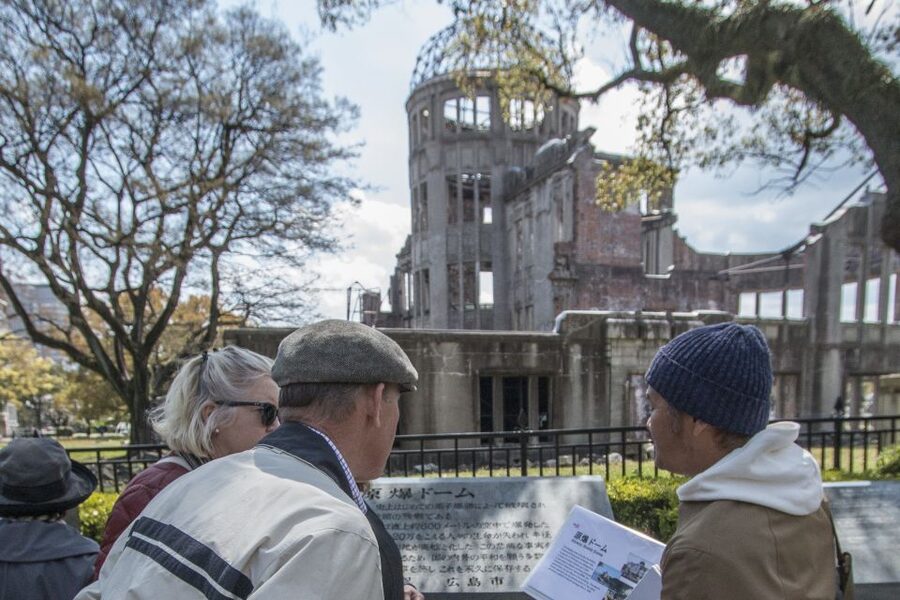
- Atomic Bomb Dome: the UNESCO site you feel in your chest
- Orizuru Tower: the view and the peace ritual
- Aorigi Tree: the hope stop that lands quietly
- Lunch at Akushu Cafe inside Orizuru Tower
- Tour structure, timing, and group feel
- The emotional reality: how the guide helps you handle it
- Value check: is $92 worth it?
- Who this tour is for
- Should you book this Hiroshima peace walking tour?
- FAQ
- How long is the Hiroshima Peace Walking Tour of World Heritage Sites?
- How much does the tour cost?
- Where do I meet the guide?
- What language is the tour in?
- What sites are included on the tour?
- Is lunch included?
- What’s included in the price?
- Are vegetarian meals available?
- Is this tour suitable for gluten intolerance?
- Can I cancel for a refund?
Key things that make this tour work
- Local storytelling that connects the bombing to Hiroshima’s daily life and recovery
- Peace Memorial Museum + guided context so the artifacts make sense, not just shock you
- World Heritage sites on foot, including the Atomic Bomb Dome
- Orizuru Tower paper-crane activity, plus a view that helps you see the city as it is now
- Lunch included, including Hiroshima okonomiyaki (pancake-style) at the end of the walk
- Tour photos included, so you don’t spend the day behind your phone
Where this tour fits in your Hiroshima day
Hiroshima is not a place you should rush. This tour is built for half-day reality: you get the main Peace area, the Dome, and the peace-symbol stops that show what came after. It runs about 270 minutes, which is long enough to absorb things, but short enough that you still have energy left for evening wandering.
The big value for me is that the tour doesn’t stop at the “history facts.” It connects the past to the present—through viewpoints, small rituals, and what local people have chosen to keep in public memory.
You can also read our reviews of more walking tours in Hiroshima
Meeting at Montbell near Kamiya-cho-nishi Station
You meet in front of the Montbell store near Kamiya-cho-nishi Station. It’s a one-minute walk from the station, so you don’t have to arrive an hour early just to find the group.
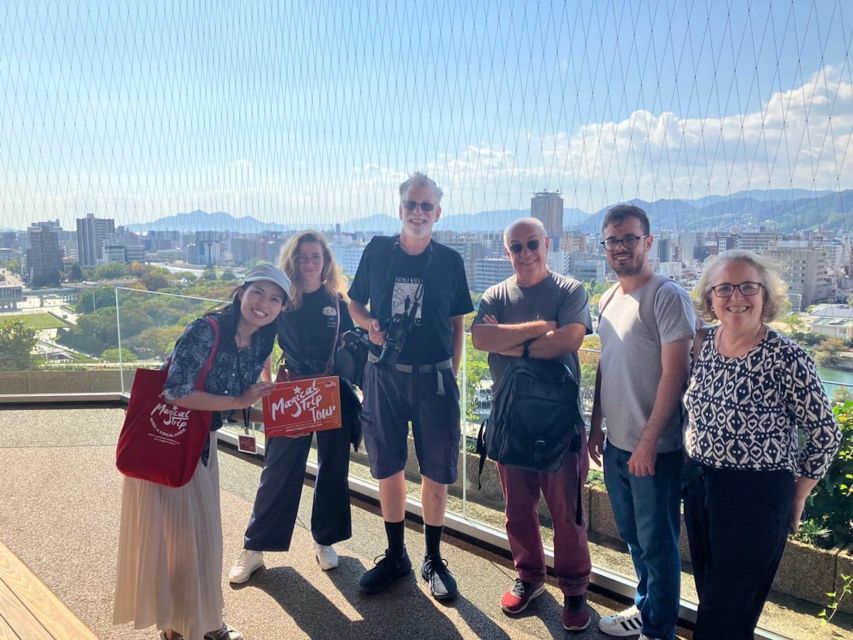
Your guide holds an orange sign that says Magical Trip Tour. That little detail matters. In Japan, getting separated is easy if the meetup point is vague, so having a clear sign is a real quality-of-life win.
Shirakami-sha Shrine: a quiet start before the heavy stuff
The day begins with Shirakami-sha Shrine, a 25-minute stop that helps you shift gears from train-time mode into respectful visiting mode. Even if you’ve seen shrines before, this one works as a mental warm-up. You’ll feel the difference between a sightseeing sprint and a day built around ceremony, memory, and meaning.
Practical note: wear shoes you’re happy to walk in. This is a walking tour through multiple sites, and you’ll want comfort for uneven sidewalks and museum corridors.
Hiroshima Peace Memorial Museum: how the story lands
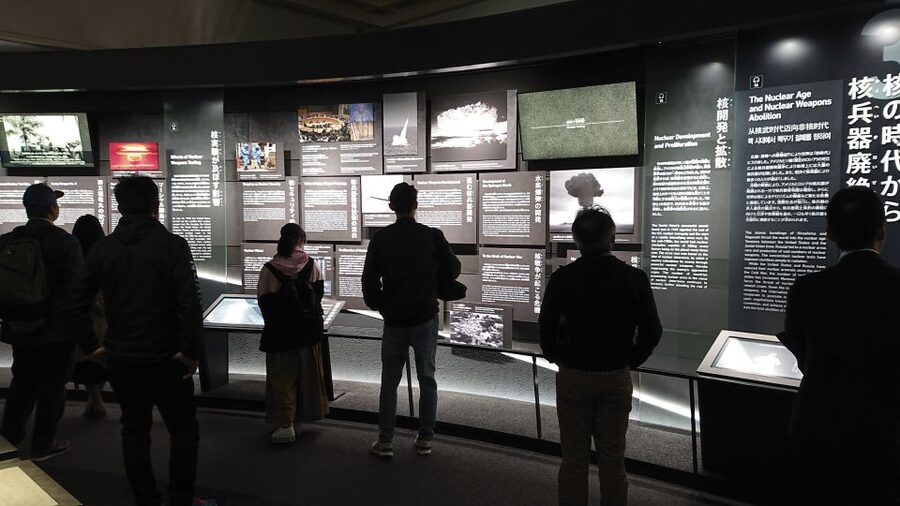
The heart of the morning is the Hiroshima Peace Memorial Museum with a guided tour (about an hour). This is the part that can feel overwhelming. The museum covers the horrors of the atomic bomb and how people in Hiroshima coped afterward. With the guide, you’re not just looking at displays—you’re hearing what the objects and stories meant to the people connected to them.
What I like about a guided approach here is simple: it helps you keep your bearings. Without context, it’s too easy to get lost in the intensity. With the guide, you can understand what you’re seeing and why it matters, which makes your emotional reaction feel less chaotic.
You might notice the museum is busy. One guide is described as letting the pace slow down when someone needed a break, which is a good sign that the experience can flex, at least with some groups.
Peace Memorial Park: turning artifacts into place
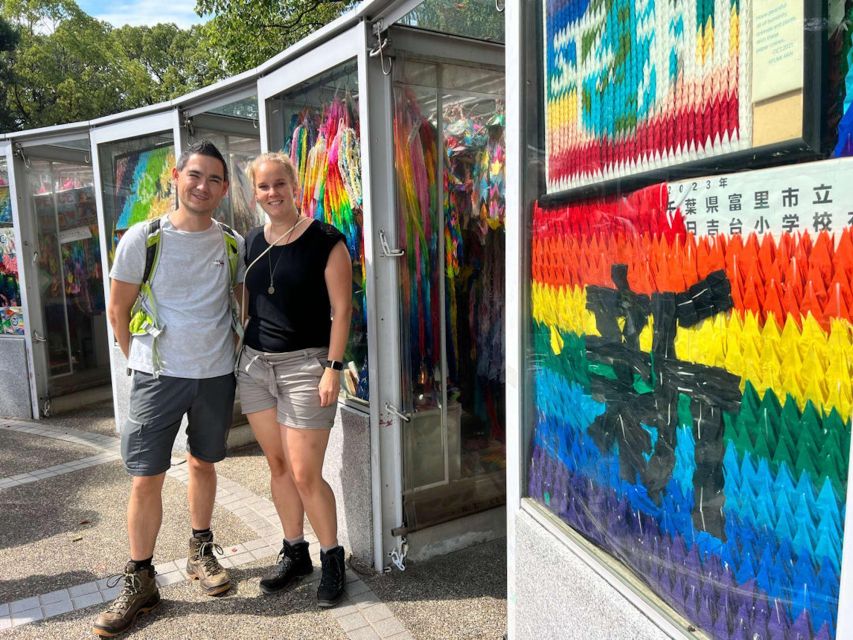
Next comes Hiroshima Peace Memorial Park (about an hour, guided). This isn’t just a scenic stroll. The guide links the bombing to the geography—so you start seeing how Hiroshima built a public space for remembrance, reflection, and the idea of peace that people keep choosing to promote.
The park visits matter because they connect you to the public conversation around the bomb, not only the museum narrative. You’ll likely end up thinking about how a city decides what to protect in memory, and how it talks about the unthinkable in a shared civic way.
Atomic Bomb Dome: the UNESCO site you feel in your chest
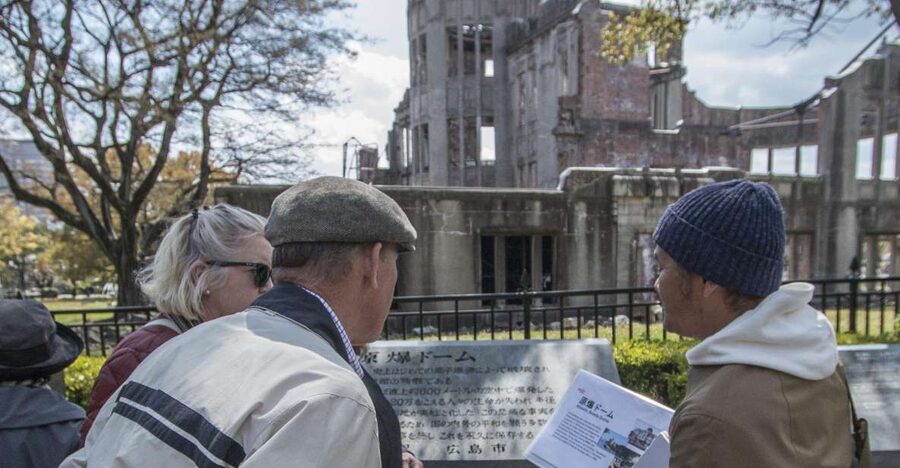
Then you move to the Atomic Bomb Dome (guided visit, about an hour). This is the UNESCO World Heritage stop, and it’s not subtle. Even if you already know the facts, standing near the Dome changes the scale of the story. It’s one thing to read about destruction. It’s another to see a building left as a warning and a memorial.
A useful tip: don’t try to take in everything at once. Let the guide point out key elements, then take a few minutes of quiet afterward. This place does emotional work whether you plan it or not.
And yes—the tour’s structure helps. By the time you reach the Dome, you’ve already had museum context, so the site clicks faster.
Orizuru Tower: the view and the peace ritual
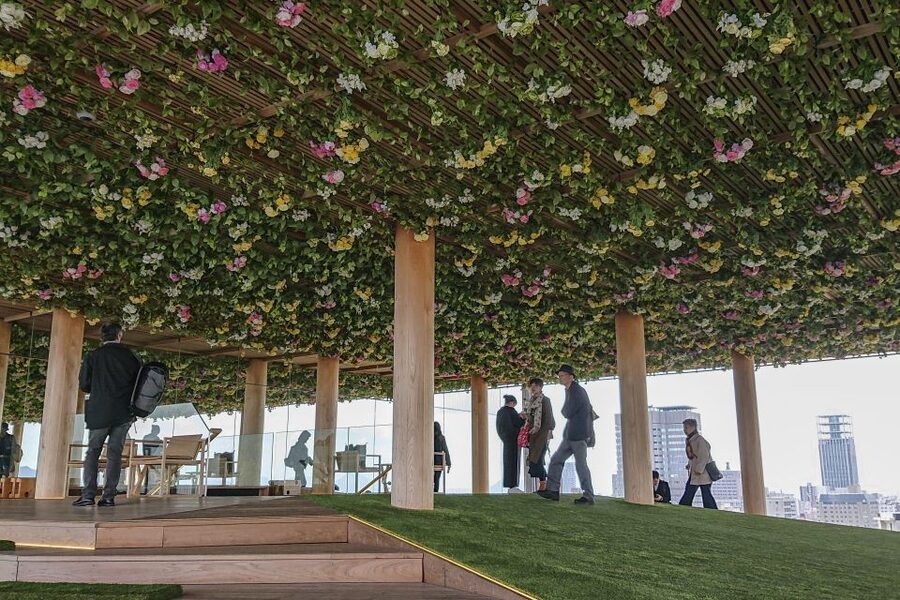
After the Dome, you head to Hiroshima Orizuru Tower (lunch and time there are included). First comes the observatory area, where you get wide views of the city. That shift—from the heavy memory sites to a high view of what Hiroshima looks like now—doesn’t erase history. It gives it a future.
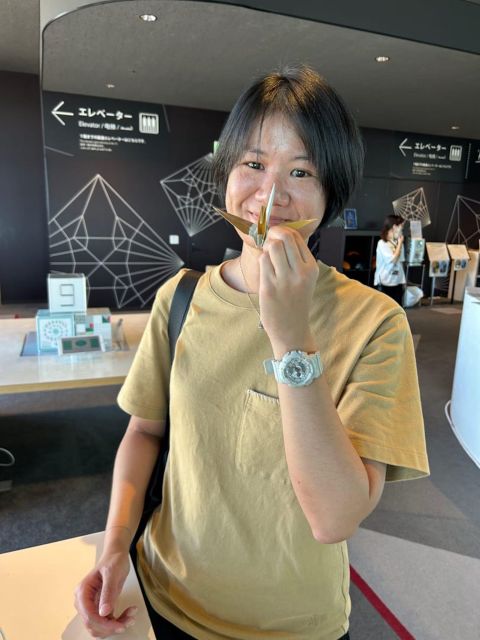
Then you get to make a paper crane (orizuru). The crane is treated as a symbol of peace here, and the activity adds a hands-on moment that feels more personal than photos ever will. Several guides are noted for running this well, including a moment where someone watches their crane spiral down toward others displayed inside a glass wall. You might get a similar experience, depending on how the tower is operating that day.
Aorigi Tree: the hope stop that lands quietly
After lunch, you’ll see the Aorigi Tree, described as bringing hope after the atomic bomb. This stop is short, but it’s powerful because it turns “recovery” from an abstract word into a visible thing. You don’t need a speech. The guide’s framing helps you notice why this kind of living memory matters in a city rebuilding itself.
For me, this is one of the places where the tour earns its “peace walking” title. It isn’t just about tragedy. It’s about what people do with tragedy.
Lunch at Akushu Cafe inside Orizuru Tower

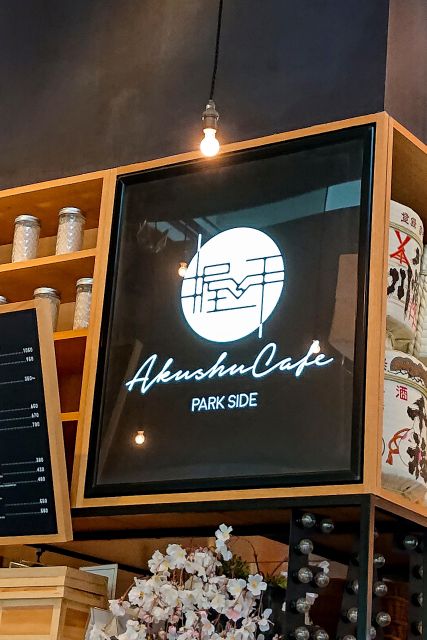
Lunch is included, and it’s a real part of the day instead of a rushed add-on. You eat at Akushu Cafe inside Hiroshima Orizuru Tower. The okonomiyaki pancake dish is specifically mentioned in guide feedback.
One heads-up for your planning: vegetarian menus can be limited at Japanese restaurants. The tour says you should tell them about dietary requests or allergies at least one day before the tour. Requests on the day can’t be accommodated, and meals can’t be guaranteed allergy-free since food prep isn’t done in kitchens operated by the tour provider. If you have dietary needs, this is not the tour to wing it.
Tour structure, timing, and group feel
This is a 5-hour walking tour with a local English-speaking guide. Many experiences are described as relaxed but still full of meaning, and several people highlight that guides answer questions patiently. Guides named in feedback include Etsko, Kaz, Yasue, Yuji, Tommy, Angela, Kippei, and more, and more than one person specifically says the guide’s local perspective made the day feel personal.
Also: tour photos are included. It’s a small detail, but for a day like this, it’s nice to stop worrying about who got what shot.
The emotional reality: how the guide helps you handle it
This tour doesn’t pretend the museum isn’t hard. People mention getting emotional, and at least one guide is described as being kind and supportive when that happens. You’ll want to plan mentally for that.
If you tend to shut down during heavy topics, a guide can help you stay present without forcing a “strong feelings only” approach. If you’re the type who asks lots of questions, the tour format supports that too.
If you’re bringing teens or family, this can work well. One family-centered example says it was a top highlight for teenage sons, which tells you the tour isn’t only for hardcore history lovers.
Value check: is $92 worth it?
At $92 per person, the price is not a bargain. But it’s also not only a museum ticket bundled into a generic walk.
Here’s the value math as you see it:
- You get guided entry to the Peace Memorial Museum and Orizuru Tower
- Lunch is included
- You also get photos included, plus a full 270-minute local guide experience
If you were doing this on your own, you’d still be paying for entry tickets and spending time figuring out what to focus on. The guide’s real job here is interpretation: helping you understand what you’re seeing and what to notice at each stop. For me, that’s the difference between “I visited Hiroshima” and “I understood Hiroshima.”
Who this tour is for
This is a great fit if you:
- Want the main Peace sites in one efficient half-day
- Appreciate context when history is difficult
- Like peace symbolism that isn’t just theory (paper cranes, hope stops)
- Prefer a guided route over self-planning in a dense area
You should think twice if you:
- Have gluten intolerance (the tour says it’s not suitable)
- Need fully vegetarian or allergy-free meals (options are limited and allergy-safe prep isn’t guaranteed)
Should you book this Hiroshima peace walking tour?
Yes, if you’re coming to Hiroshima to understand more than a photo backdrop. The combination of museum guidance, Peace Park context, the Atomic Bomb Dome, and the Orizuru Tower crane ritual gives you the full emotional arc—tragedy, remembrance, and a forward-looking symbol of peace.
I’d book it with two conditions: come ready for a serious topic, and plan your meal needs ahead. If you can do that, you’ll walk away with a clearer sense of Hiroshima’s past and why so many local stories keep pointing toward peace.
FAQ
How long is the Hiroshima Peace Walking Tour of World Heritage Sites?
The tour lasts about 270 minutes.
How much does the tour cost?
It costs $92 per person.
Where do I meet the guide?
Meet in front of the Montbell store near Kamiya-cho-nishi Station. The guide will hold an orange sign with the local partner name.
What language is the tour in?
The tour is in English.
What sites are included on the tour?
You visit Shirakami-sha Shrine, Hiroshima Peace Memorial Museum, Hiroshima Peace Memorial Park, the Atomic Bomb Dome, and Hiroshima Orizuru Tower. You’ll also see the Aorigi Tree.
Is lunch included?
Yes. Lunch is included during the Orizuru Tower portion of the tour.
What’s included in the price?
Entry to the Peace Memorial Museum and Orizuru Tower, lunch, a guided tour with a local guide for about 5 hours, and tour photos.
Are vegetarian meals available?
Vegetarian options are limited. You should inform the provider at least one day before the tour about dietary requests or allergies.
Is this tour suitable for gluten intolerance?
No. It is not suitable for people with gluten intolerance.
Can I cancel for a refund?
Yes. Free cancellation is available up to 24 hours in advance for a full refund.