REVIEW · JEDDAH
Historical & Heritage Tour in Jeddah Al Balad
Book on Viator →Operated by Abha Trips · Bookable on Viator
Old Jeddah hits different at night. This heritage walk in Al Balad turns street corners into stories, from the old port-era town layout to the alleyway worship spaces still in use for centuries. You get a guided route through historic buildings, markets, and a couple of key stops that make the area feel real, not like a postcard.
Two things I like a lot: the chance to see interiors and artifacts at the Nassif House Museum (including a very old flag mast and a cannon), and the time in the market lanes where you can actually browse and compare spices, perfumes, dates, and everyday goods. One consideration: this is a walking-and-lane tour with an evening start, so plan for a bit of leg work in narrow streets and keep your expectations aligned with a street-level experience.
In This Review
- Key Highlights You Should Know Before You Go
- Why Al Balad Feels Like the Real Old Jeddah
- Price and Logistics: What $109 Gets You (and Why It’s Not Just a Walk)
- Start at Prince Majid Park and Get Oriented Fast
- Stop 1: Al-Balad Streets and the Buildings Made for Port Life
- Stop 2: Nassif House Museum and Its Real Artifacts
- Stop 3: Qabel Trail for Electronics, Perfumes, Spices, Dates, Honey
- Stop 4: Al Shafei Mosque in Narrow Alleys Since c. 1000 AD
- The Guides Make or Break It: What You’ll Want to Look For
- Food and Shopping Time: Plan for Purchases, Not a Dinner Included Deal
- Group Discounts and Mobile Tickets: Small Things That Save Time
- Who Should Book This Al Balad Heritage Walk
- Should You Book? My Practical Take
- FAQ
- How long is the Historic Jeddah Al Balad tour?
- Where does the tour start?
- Is pickup included?
- What’s the maximum group size?
- What does the tour include?
- Is admission included anywhere?
- What should I expect to do at the markets?
- Is dinner included?
- What time does the tour operate?
- Can I cancel for a full refund?
Key Highlights You Should Know Before You Go
- Small group size (up to 14) means you can ask questions without feeling lost in a crowd
- Pickup included (hotel or cruise pier) plus an air-conditioned vehicle for getting between tight areas
- Museum time without heavy cost: Al-Balad is ticketed, while other stops like Nassif House Museum access are listed as free
- Four focused stops that balance buildings, artifacts, and shopping lanes
- Guides often adapt the pace, with local names like Abdullah, Adil, Ferial, and Saliman appearing in guide feedback for helpful, flexible guiding
Why Al Balad Feels Like the Real Old Jeddah
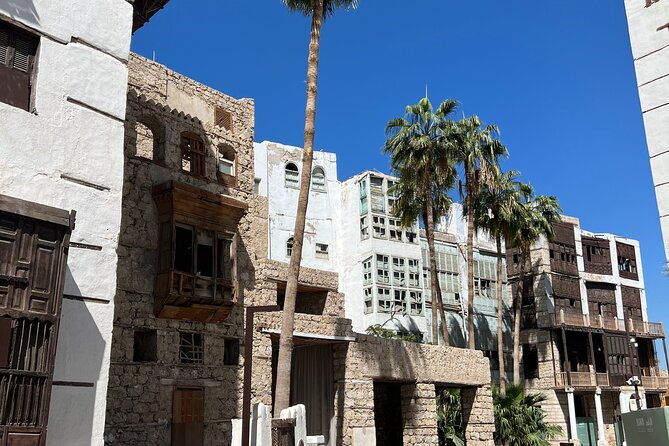
Jeddah’s old town, Al Balad, was once the city’s beating heart—built on coastal land and later tied to the role of Jeddah as a royal seaport for Makkah, dated to 657 AD. When you walk here, you’re not just seeing old facades. You’re seeing how people organized daily life around trade, arrivals, and the sea.
What makes this experience stand out is that it’s structured, not random. You start with a guided look at the distinctive older buildings, then you move into spaces that explain commerce and community: a house museum with historical objects, market lanes for goods you can name and smell, and a mosque tucked into narrow alleys. It’s a simple route, but it connects the dots fast.
There’s also a practical bonus to going this way: you learn faster. Without a guide, Al Balad can feel like a scenic stroll. With one, you start noticing why stair shapes matter, where trade happens, and how the alley plan shapes movement. And because the tour is built for evening hours, the streets can feel more comfortable than a midday slog.
Price and Logistics: What $109 Gets You (and Why It’s Not Just a Walk)
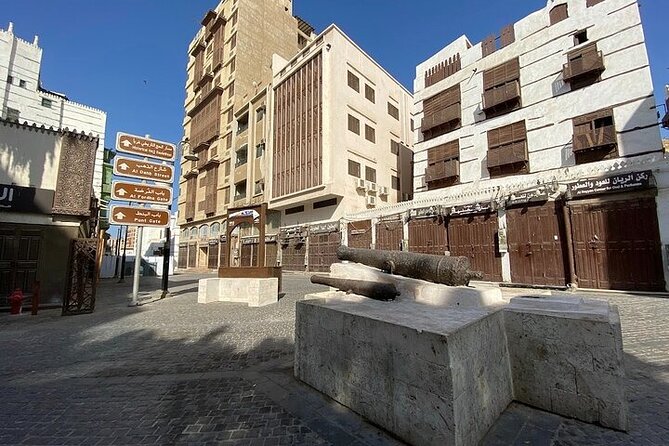
At $109 per person for about 5 hours, you’re paying for more than time on foot. You’re getting:
- Hotel or cruise pier pickup, plus return transfer
- An air-conditioned vehicle between areas
- A guided route with admission included for Al-Balad
- A small group limit of 14 travelers, which helps keep the experience personal
It helps that the plan includes both a ticketed cultural stop and additional historical stops listed as free. Even if you don’t buy anything in the souq, the value comes from seeing specific sites in a controlled order rather than wandering and hoping you catch the right places.
This tour operates during the evening window (from 4:30 PM to 11:00 PM), which can be perfect if your daytime schedule is full. You avoid the harshest light and you still get the old-town atmosphere when people are out and shops are active.
One more thing: mobile tickets and a group format make this easier to manage than paper-chasing tours. And yes, service animals are allowed, and most travelers can participate, so it’s set up for a broad range of visitors.
Start at Prince Majid Park and Get Oriented Fast
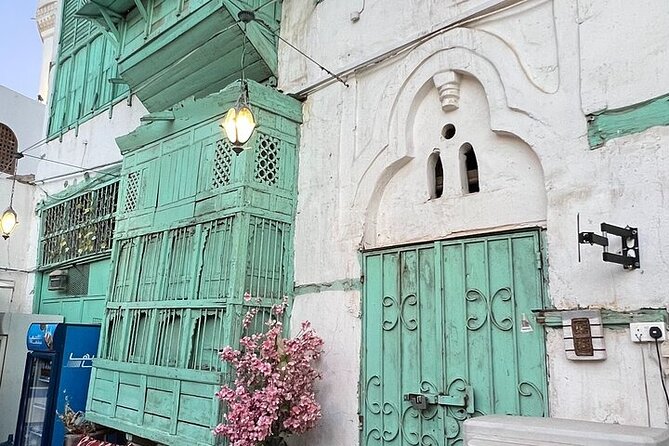
The meeting point is Prince Majid Park in Ar Rabwah, Jeddah. If you’re coming from a hotel, pickup reduces the stress of finding the right spot inside the old city area. If you’re on a cruise, the same applies: cruise-to-town logistics are handled for you.
I like this setup because it respects the reality of old towns. Jeddah’s lanes aren’t designed for quick navigation in a rental car. Even if you’re a confident walker, having the group regroup points handled for you keeps the day smooth.
Once you start, you get a brief orientation that helps you read the surroundings. That’s a big part of enjoying Al Balad: when you know what you’re looking for, every turn feels like progress instead of getting more confused.
Stop 1: Al-Balad Streets and the Buildings Made for Port Life
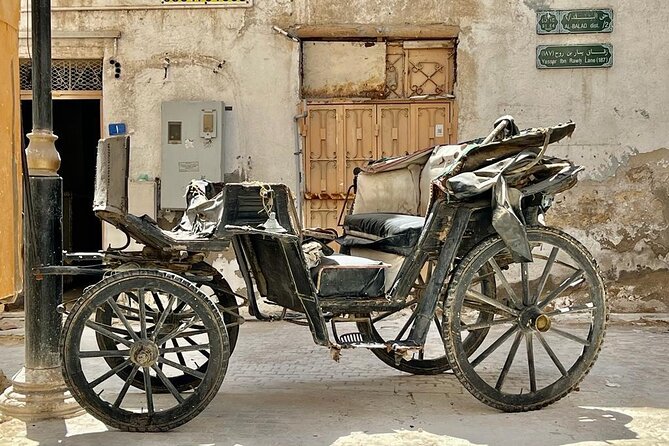
Al-Balad is where the tour earns its reputation. You begin with an hour walking around the unique buildings and learning how the area developed as an old coastal town. This is the part that teaches you the language of the place—how structures relate to movement, trade, and daily life.
A great detail that shows up in guide-led experiences here is the way older homes and buildings were adapted for different needs. For example, stair-type design elements tied to animal movement come up often in discussions of old-town architecture. Even if you don’t get a full architecture lecture, you’ll likely notice features you would have otherwise missed.
One small drawback to flag: this is primarily street walking. If you hate uneven sidewalks, narrow lanes, or any time spent on foot without frequent breaks, you might find the pace a little intense. But if you’re curious and enjoy seeing streets up close, this stop is the foundation for everything that follows.
Stop 2: Nassif House Museum and Its Real Artifacts
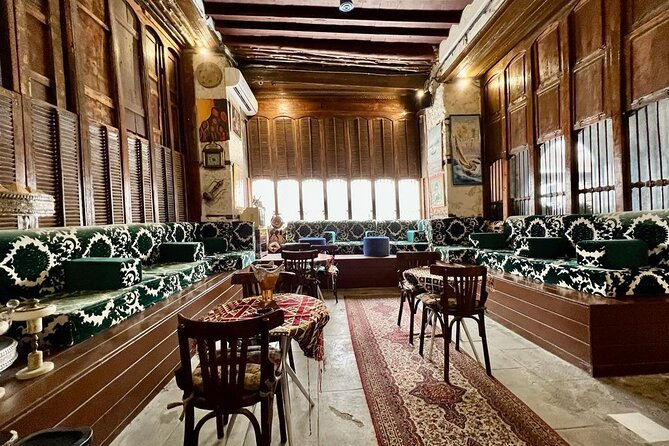
Next is the Nassif House Museum, a restored building that includes objects and structures with serious age and weight in local heritage.
You’ll spend about an hour here, and the highlight list is specific:
- A 700-year-old flag mast
- A 15th-century cannon
That combination matters. Many museum stops in travel sound impressive, but you end up seeing explanations with few tangible items. Here, the emphasis is on seeing historic elements you can point to. It helps you connect the idea of Jeddah as a port and a trading city to physical objects people preserved and collected through time.
There’s also an emotional element. The museum is described as part of several structures that were crumbling but preserved by the government. That sets a respectful tone: you’re not just consuming a highlight. You’re being guided through why preservation matters here.
If you’re the kind of traveler who likes photos, this stop delivers. If you’re the kind of traveler who likes learning, it also delivers. Even if you prefer to skim, you’ll get enough context to keep moving with purpose.
Stop 3: Qabel Trail for Electronics, Perfumes, Spices, Dates, Honey
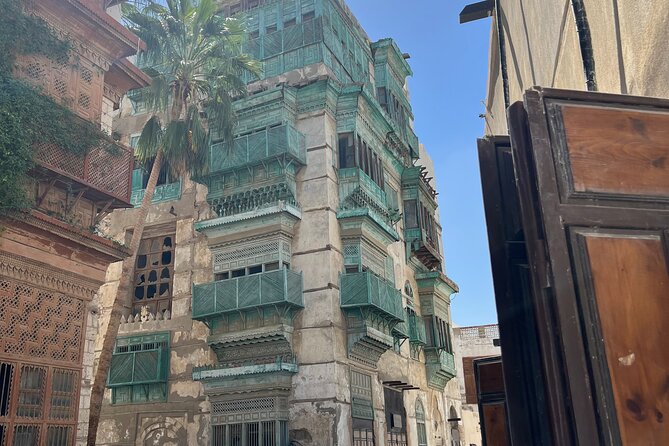
After the museum, the tour shifts gears into commerce. The Qabel Trail is a specialized marketplace where you’ll see goods that represent day-to-day life and trade.
The market includes categories like:
- electronics
- perfumes
- spices
- dates and honey
- household items
This is the part that makes the tour feel usable. You can actually shop, compare, and ask questions about what something is used for. Even if you don’t purchase, browsing in a guided route helps you understand pricing and quality cues faster than guesswork.
One caution: since the tour notes this as a marketplace segment, you should expect normal shopping negotiation culture. If you’re not comfortable with that, keep your questions friendly and set a clear budget before you enter.
Also, because this is an evening plan and shopping lanes can get busy, bring patience. The goal is not speed. The goal is learning how the bazaar works and what locals look for.
Stop 4: Al Shafei Mosque in Narrow Alleys Since c. 1000 AD
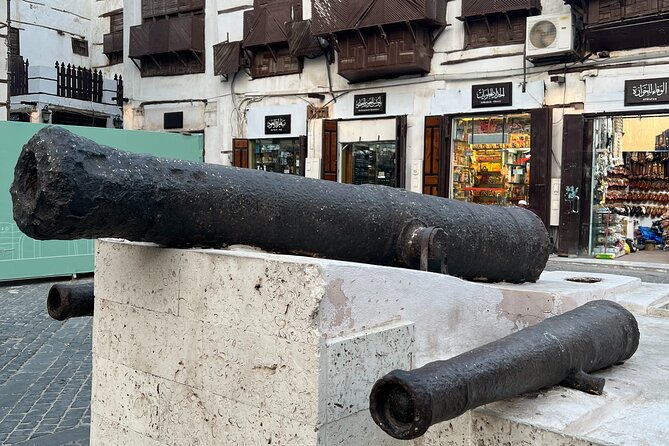
The final key stop is the Al Shafei Mosque. It sits in narrow alleys of old Jeddah, off Suq Al Alawi. From the outside, the mosque can look more recent, but the site has been used as a mosque since around c. 1000 AD.
This is one of those moments where the tour becomes more than sightseeing. You understand how places stay active across centuries, even when buildings change their look. The alley location also changes your sense of scale. You’re not viewing a monument from a wide square. You’re walking into the kind of urban fabric that shapes how communities gather and move.
If you’re curious about how history survives inside everyday life, this mosque stop gives you that feeling immediately.
A practical note: religious spaces come with expectations around attire and respectful behavior. If you’re unsure, you can usually follow your guide’s lead for what’s appropriate during the visit.
The Guides Make or Break It: What You’ll Want to Look For
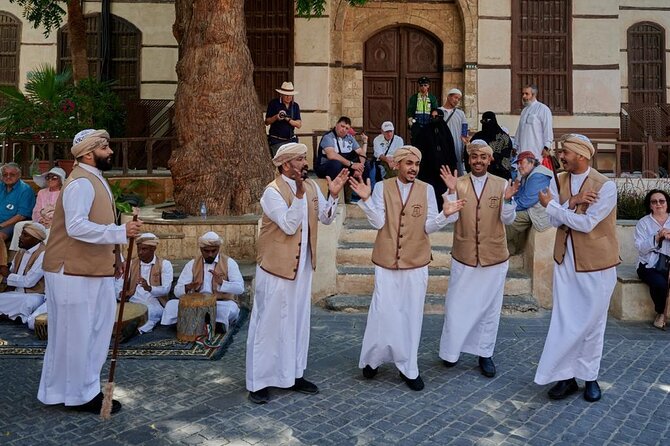
This tour consistently gets strong feedback for guides who don’t just recite facts. Names that show up include:
- Abdullah, praised for helpful guidance and sharing history between buildings
- Adil, noted for adapting well to the group and keeping things relaxing while still informative
- Ferial, highlighted for being knowledgeable and letting people take their own time
- Saliman, mentioned for excellent local knowledge during an Al Balad introduction
So what should you look for when you’re with your guide? Three things:
- Pacing that matches your group (especially in narrow lanes)
- History tied to what you’re seeing right now, not generic lecture lines
- Room for questions, since Al Balad is full of small clues you’ll want explained
I also like that this tour has a maximum group size of 14. In practice, that tends to create space for a real conversation instead of passive following.
Food and Shopping Time: Plan for Purchases, Not a Dinner Included Deal
Traditional tasting is part of the spirit of Al Balad. The route includes time to grab local beverages in an old cafe area, plus shopping in the bazaar lanes.
But dinner isn’t included, and purchases aren’t included either. That’s a good thing for some travelers and annoying for others, depending on your style.
If you want value and flexibility, use this structure:
- Treat the market time as your chance to snack and browse
- Decide in advance whether you want a full meal after the tour or a light end-of-evening bite
- Bring a few small notes about what you’d actually like to buy (spices, perfumes, dates, honey, household items), so you don’t get overwhelmed
This is also why a guided tour can be smarter than going alone. Shopping lanes can run together. With a guide, you can focus on the categories you care about most, ask questions, and avoid wasting time.
Group Discounts and Mobile Tickets: Small Things That Save Time
Two features that quietly matter:
- Group discounts can make this more affordable if you’re traveling with others
- Mobile ticketing reduces hassle once you reach the meeting point
When you’re traveling in a place with a lot of pedestrian movement, anything that keeps your group from getting separated is worth something. This tour’s small group limit and pickup support that.
And since pickup and return transfer are part of the package, you don’t have to worry about arranging transport after a walking session. You’re simply done where you started.
Who Should Book This Al Balad Heritage Walk
This tour fits best if you:
- want a first-timer introduction to Jeddah’s old city
- enjoy walking tours with structured stops instead of open-ended wandering
- want a mix of buildings, a museum stop, a marketplace, and a mosque
- like local guidance and questions, especially if you’re curious about how port life and trade shaped the town
You might want to skip or adjust your expectations if you:
- dislike walking in narrow lanes
- need frequent long breaks
- want a full sit-down dinner included in the price
Should You Book? My Practical Take
If you only have a short window in Jeddah and you want your time to count, I think this is a strong pick. The route is logical: buildings first, then artifacts you can see, then market lanes where you can interact with daily life, and finally a mosque that anchors the experience in continuous use since around 1000 AD.
The best part is the pairing of specific stops with local guiding. When guides like Abdullah, Adil, Ferial, or Saliman are involved, the pacing and explanations tend to make the old town feel understandable instead of random.
Book it if you want an organized evening walk that helps you see Al Balad as a living place. Skip it if you want a non-walking, museum-only style day or you’re not interested in market shopping at all.
FAQ
How long is the Historic Jeddah Al Balad tour?
The tour runs for about 5 hours.
Where does the tour start?
It starts at Prince Majid Park in Ar Rabwah, Jeddah, and it ends back at the same meeting point.
Is pickup included?
Yes. Pickup is offered from the hotel or the cruise pier.
What’s the maximum group size?
The tour has a maximum of 14 travelers.
What does the tour include?
You get an air-conditioned vehicle as part of the experience.
Is admission included anywhere?
Al-Balad has an admission ticket included. The Nassif House Museum stop is listed as free.
What should I expect to do at the markets?
You’ll visit the Qabel Trail marketplace, where you can see specialized stalls for electronics, perfumes, spices, dates, honey, and household items.
Is dinner included?
No. Dinner and purchases are not included.
What time does the tour operate?
The tour operates daily in the evening hours, from 4:30 PM to 11:00 PM.
Can I cancel for a full refund?
Yes, free cancellation is available up to 24 hours before the experience start time for a full refund.