REVIEW · DHARAMSALA
Historical Tour including Unesco Kangra fort & Rock cut temple from Dharamshala
Book on Viator →Operated by Himachal Bylocals · Bookable on Viator
Kangra history comes at you fast. This day tour strings together three major stops—Masroor Rock Cut Temple, Kangra Fort, and Bajreshwari Devi Temple—plus scenic village views—so you get meaning, not just photos. It’s a busy, well-paced way to see the Kangra region without wrestling buses or figuring out entry rules yourself.
Two things I really like: you get lunch and bottled water handled for you, and you’re traveling with an English-speaking local guide who explains what you’re looking at. The second big win is the convenience—hotel pickup and drop-off with a private car means you spend your energy on temples and views, not logistics.
One drawback to plan around: the tour depends on good weather, and the two big paid-entry sites (Masroor + Kangra Fort) may have a separate fee for foreign tourists. If you’re the type who hates paying extra onsite, read the entry details before you go.
In This Review
- Key things to know before you go
- Why Kangra Fort and Masroor work as a day trip from Dharamshala
- Price and logistics: what $42 buys you (and what might cost extra)
- Pickup, private car, and the comfort factor in the hills
- Masroor Rock Cut Temple: myth, stone carvings, and what to look for
- The drive through Kangra Valley: small villages and daily life views
- Kangra Fort UNESCO: Rajput power, older roots, and big viewpoints
- Bajreshwari Devi Temple: a spiritual pause with the Sati story
- Lunch and bottled water: why this tiny detail matters
- Group size and the guide factor: getting answers, not just directions
- What to bring (and what to decide) for a smooth 7-hour loop
- Weather and timing: your best strategy in Dharamshala hills
- Who this tour suits best (and who might feel it’s not for them)
- Should you book this Kangra Fort and Rock-Cut Temples tour?
- FAQ
- What is the duration of the tour?
- Where does the tour start and end?
- Is hotel pickup and drop-off included?
- Does the tour include lunch and water?
- Are entrance fees included?
- Is there a guide?
- How many people are in a group?
- Is pickup offered?
- What if the weather is bad?
- What is the price?
Key things to know before you go
- 7 hours feels full: three major religious/historical stops plus travel time
- Lunch and bottled water included: fewer decisions, more time sightseeing
- Small groups: max 8 per booking, max 15 on the tour
- UNESCO Kangra Fort + rock-cut temple: you’re seeing different styles of ancient artistry
- Foreign tourist entry fee may apply: budget for Masroor + Kangra Fort
- Weather matters: poor weather can trigger a different date or refund
Why Kangra Fort and Masroor work as a day trip from Dharamshala
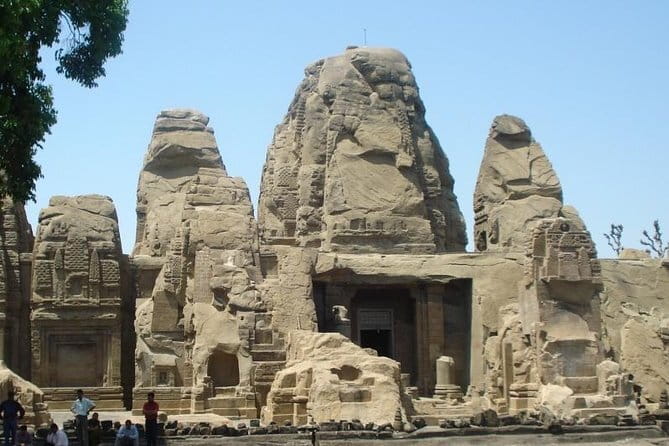
Dharamshala is already a good base for the hills, but Kangra proper can feel harder to organize on your own. This tour solves that by building the day around a tight loop: pick you up, drive you through the Kangra Valley area, then hand you a guide who can connect places to stories. In practice, it means you’ll spend your time understanding the sites instead of guessing at them.
What I also like is the mix of “stillness” and “sight.” You’ll get a rock-cut temple experience that feels intimate and carved from stone, then you’ll climb into the drama of a major fort and finish with a temple visit tied to a famous Hindu legend. It’s not just one kind of attraction.
Price and logistics: what $42 buys you (and what might cost extra)
At $42 per person for a roughly 7-hour day, the value is mostly about three things: transport, guide time, and basic comforts.
Here’s what’s included:
- hotel pickup and drop-off
- parking fees
- English-speaking guide
- lunch and bottled water
- transport by private car (as per the itinerary)
Here’s what you should budget for:
- Entrance fees for Masroor Rock Cut Temple + Kangra Fort are listed as not included for foreign tourists, at ₹500 per person.
- Bajreshwari Devi Temple entry is free.
So, the cost isn’t only the headline price. Your real “math” is: $42 + (possible) ₹500 if you’re a foreign tourist and those two sites charge you separately. If you’re traveling on a tight budget, that ₹500 is the one thing that can change your total.
One more logistics note: you’ll have a mobile ticket, and the tour caps group sizes (max 8 per booking; overall max 15). That matters in practical ways: less waiting, easier questions to your guide, and a smoother schedule.
Pickup, private car, and the comfort factor in the hills
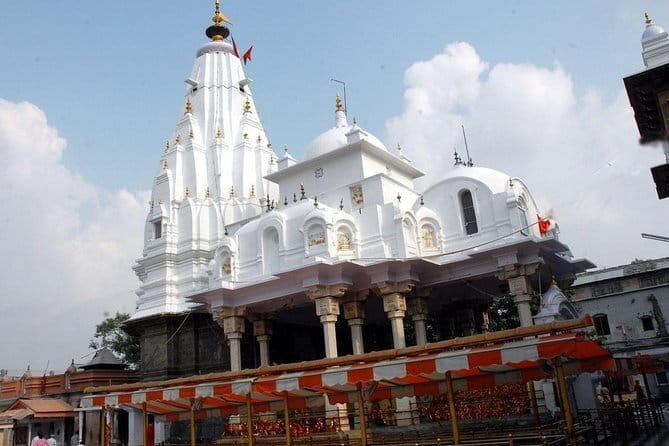
Getting out of McLeod Ganj/Dharamshala without stress is a real advantage here. The meeting point is in McLeod Ganj, and the tour includes hotel transfers from Dharamshala and entrance fees (with the foreign-tourist exception noted above).
The private car component is the kind of thing you notice most when you’re tired. You avoid:
- figuring out routes in hilly terrain
- hunting down a bus schedule that matches your temple timing
- paying for taxis that end up costing more than a planned tour
The tour is designed for a full day, so the car is doing heavy lifting between stops. In a 7-hour window, that’s exactly what you want.
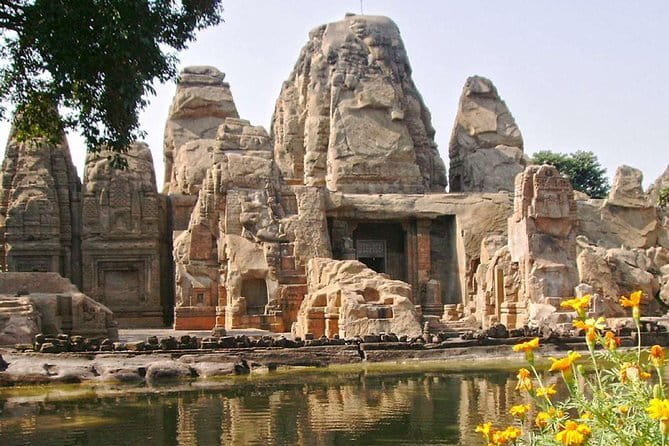
Masroor Rock Cut Temple: myth, stone carvings, and what to look for
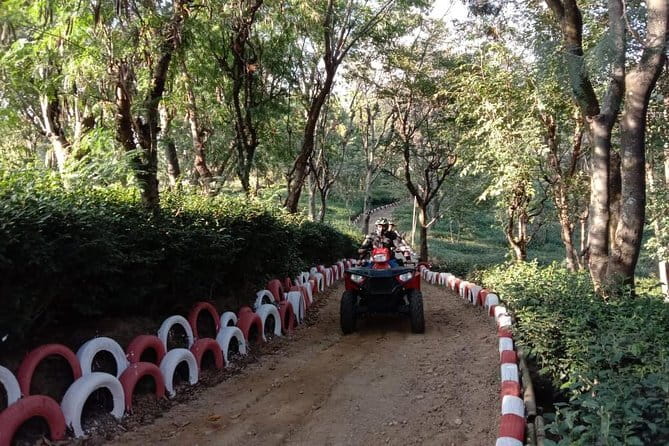
Masroor Rock Cut Temple is your first major stop, and it’s the kind of place that changes how you see the region. The complex is dedicated to Rama, Laxmana, and Sita, figures tied to stories from the Mahabharata tradition, and the stone images are worshiped by Hindu devotees.
Why this stop matters:
- Rock-cut temples aren’t just buildings; they’re an artistic way of making sacred story permanent.
- Even if you don’t know the iconography well, an English-speaking guide helps you read what’s in front of you.
Practical note: the tour includes an admission ticket status that’s not fully covered for foreign tourists. The tour listing indicates the entrance fee is not included for foreign tourists for the Rock cut temple site (₹500 total for Masroor + Kangra Fort). So expect to pay at the temple if you fall into that category.
Time on site is about an hour. That’s enough to walk the complex slowly, notice key carvings, and absorb the local meaning without feeling rushed.
The drive through Kangra Valley: small villages and daily life views
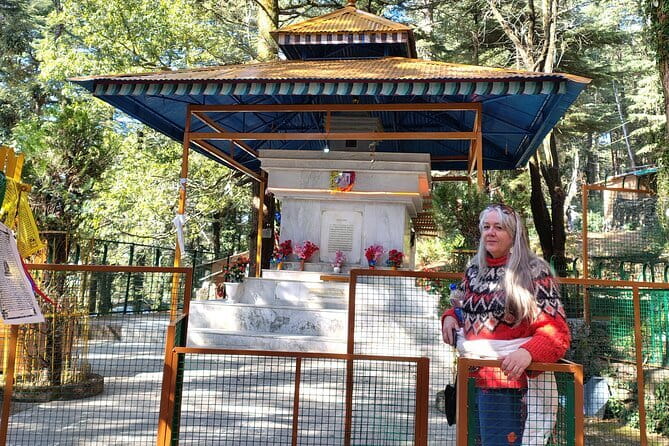
Between temples and fort walls, you’ll pass through the Kangra Valley and a local village. This is one of those “quiet value” segments of the day.
You get a glimpse of:
- how people live in the hills
- what daily activity looks like outside the tourist bubble
- the way the terrain shapes routines and views
This is especially helpful if your main goal is understanding Kangra as a living region, not just a list of landmarks. Even brief moments like this can make the major stops feel less random and more connected.
Kangra Fort UNESCO: Rajput power, older roots, and big viewpoints
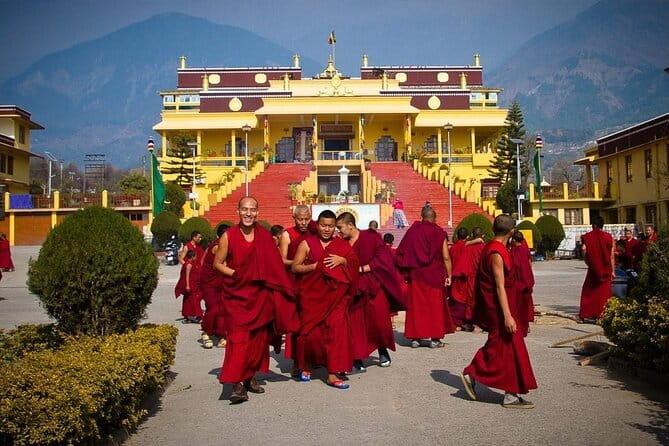
Kangra Fort is your second major stop, and it’s the one most people come for. It was built by the royal Rajput family of Kangra State—the Katoch dynasty—and the fort’s origins connect back to the ancient Trigarta Kingdom, mentioned in the Mahabharata epic.
A fort like this does two jobs at once:
- It tells you about political power—who built, who ruled, and why the location mattered.
- It gives you a viewpoint layer—because fort walls were always about controlling routes and watching the land.
Why you’ll probably enjoy this stop even if you’re not a “fort person”:
- A local guide can connect what you see (architecture, layout, story) to why it was built there.
- Your time is structured—about an hour—so you’re not wandering endlessly trying to “figure out” the site.
Foreign tourist entry note again: Kangra Fort entrance is included as not-included for foreign tourists, with ₹500 covering Masroor + Kangra Fort. If you want to avoid surprises, set aside that budget before you arrive.
Bajreshwari Devi Temple: a spiritual pause with the Sati story
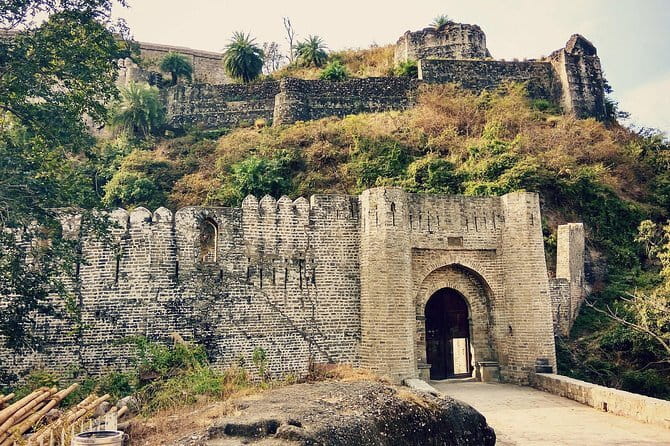
After the fort, the tour shifts tone to a temple with a strong legend. Bajreshwari Devi Temple is tied to the story of Goddess Sati and Lord Shiva. The legend explains that after Sati sacrificed herself, Shiva carried her body and started Tandav. The story includes the idea of stopping the destruction of the world, and the temple is associated with that divine intervention.
Even without getting lost in every detail, this stop is valuable because it reminds you that:
- Kangra’s monuments aren’t only historical artifacts
- they’re still part of religious life and belief
This temple visit is listed as about an hour, and the entry is free. That makes it a low-cost, high-meaning stop to balance the day.
Lunch and bottled water: why this tiny detail matters
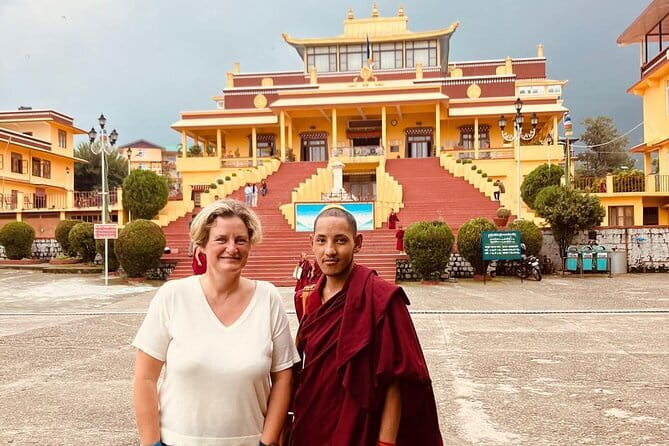
Lunch and bottled water being provided might sound basic, but it’s a big deal on a hills day trip.
It means:
- you avoid the “where do we eat now” scramble between temples
- you don’t spend time hunting for water you can trust
- you can stay on the schedule instead of losing an hour to hunger
Because the day runs about 7 hours, those small delays stack fast. With lunch built in, your day feels controlled.
Also, the tour is set up so you’re not responsible for every little timing call. That’s the kind of value you feel most when you’re traveling with limited time, like if you’re only in Dharamshala for a few days.
Group size and the guide factor: getting answers, not just directions
The tour keeps numbers small: max 8 per booking, and up to 15 travelers overall. That matters because it changes the feel of the day. You can actually ask your guide questions without a crowd pushing you along.
The guide is English-speaking, and one detail I’d focus on is style. In accounts from this experience, a guide named Onkar is singled out for being great at explaining the fort and temples. If you get a guide who tells the stories clearly, the sites become easier to understand—and you spend your time looking instead of guessing.
If you’re the type who likes history, religion, and place-meaning, the guided approach is what turns “three stops” into a coherent day.
What to bring (and what to decide) for a smooth 7-hour loop
The tour description doesn’t list an equipment checklist, so I’ll keep it practical and based on what the day demands:
- Wear comfortable walking shoes. You’ll be moving around temple/fort areas.
- Bring a light layer. Hills weather can shift quickly.
- If you’re sensitive to sun, bring basic sun protection. You’ll be outside for parts of the day.
- Bring cash for onsite entry if you’re a foreign tourist (₹500 is mentioned for Masroor + Kangra Fort).
Also decide your priorities before you go:
- If you want photos, you’ll want to move at a steady pace during each stop so you don’t run out of time at the end.
- If you want meaning, take the full hour at each major site instead of sprinting through.
Weather and timing: your best strategy in Dharamshala hills
This experience specifically requires good weather. If poor conditions cancel the tour, you’ll either get a different date or a full refund.
Here’s how I’d plan around that:
- Try not to schedule it as your only big Kangra day.
- Keep your next day flexible if possible.
- If you’re seeing rain in the forecast, assume you might need a backup plan.
A day trip can be ruined by visibility issues or slippery conditions, and the operator is upfront about weather dependence. That’s honest, and it saves you disappointment.
Who this tour suits best (and who might feel it’s not for them)
This tour fits you if:
- you want a structured day from Dharamshala
- you like guided context at major heritage sites
- you value convenience: pickup/drop-off, private car, lunch, and bottled water
It might not be perfect if:
- you hate paying extra onsite for international/foreign tourist entry fees
- you’re trying to see “everything” and don’t like spending your day on a set schedule
- you’re traveling during a weather-uncertain window and can’t adjust
For most people, though, the small group size and guided stops make it a good trade: you see three big names without turning the day into a puzzle.
Should you book this Kangra Fort and Rock-Cut Temples tour?
I think you should book it if your goal is a confident, efficient Kangra day with meaningful stops. The value isn’t only the price. It’s the fact that the tour handles the hard parts—pickup, transport, parking, and the comfort basics—so you can focus on Masroor’s carved stone worship space, Kangra Fort’s political-religious stories, and Bajreshwari Devi’s legend-connected temple visit.
If you’re short on time in Dharamshala, this is the kind of day trip that gives you a real sense of place instead of just checking boxes.
FAQ
What is the duration of the tour?
The tour runs for about 7 hours (approx.).
Where does the tour start and end?
It starts at the main square in McLeod Ganj, Dharamshala, and ends back at the same meeting point.
Is hotel pickup and drop-off included?
Yes. Hotel pickup and drop-off are included.
Does the tour include lunch and water?
Yes. Lunch and bottled water are provided.
Are entrance fees included?
Entrance fees are included, but for foreign tourists the entrance fee for the Rock cut temple plus Kangra Fort is listed as not included (₹500 per person). Bajreshwari Devi Temple is listed as free.
Is there a guide?
Yes. The tour includes an English-speaking guide (and you may have different option types, but the guide is included in the standard format described).
How many people are in a group?
The maximum is 8 people per booking, and the tour has a maximum of 15 travelers.
Is pickup offered?
Yes. Pickup is offered, and transfers from Dharamshala are included.
What if the weather is bad?
The experience requires good weather. If it’s canceled due to poor weather, you’ll be offered a different date or a full refund.
What is the price?
The price is $42.00 per person.