REVIEW · DHARAMSALA
Historical Tour, Kangra fort &Rock cut temple from Dharmasla
Book on GetYourGuide →Operated by Himachalbylocals · Bookable on GetYourGuide
Temples and a fort, packed into one drive. I love how the route stitches together Mahabharata-era temples and the battle-scarred Kangra Fort, then adds a real-world market stop where you can actually pick up gifts. The panoramic temple setting is a major payoff, especially with the Dhauladhar Range in view. One thing to keep in mind: monument entry fees and meals are not included, so your total day cost can creep up a bit.
You’ll be met at your hotel in McLeod Ganj or Dharamshala and head out by private car. Along the way, there’s time to see Kangra Valley viewpoints and pass through a local village—more “daily life” than just sightseeing-from-the-window. This is a guided tour with English support, but the amount of detail you get can vary a lot by guide and their phrasing.
The fort and temple stops also mean walking on uneven stone and taking in views from hill areas. If you want a relaxed day with minimal stairs, wear supportive shoes and plan for some uphill moments.
In This Review
- Key Highlights You’ll Remember
- From McLeod Ganj to Kangra: how the 6-hour route feels
- Masroor Rock Cut Temple: Rama, Laxmana, and Sita in stone
- Kangra Fort: the Rajputs, the Katoch line, and a siege that mattered
- Brajreshwari Devi Shakti Peeth: the Sati legend, explained on-site
- Kangra market time: where your souvenirs taste like the day
- Guide quality can change the whole day
- Price and logistics: what $104 buys you (and what it doesn’t)
- What to wear and expect for comfort
- Who this Kangra history day trip suits best
- Should you book this tour?
- FAQ
- Where does hotel pickup happen?
- Is this tour private or shared?
- How long is the tour?
- Which main sites are included?
- Is there an English-speaking guide?
- What transport is used?
- Are monument fees included in the price?
- Are meals included?
- Is free cancellation available?
- Is a pay-later option available?
Key Highlights You’ll Remember
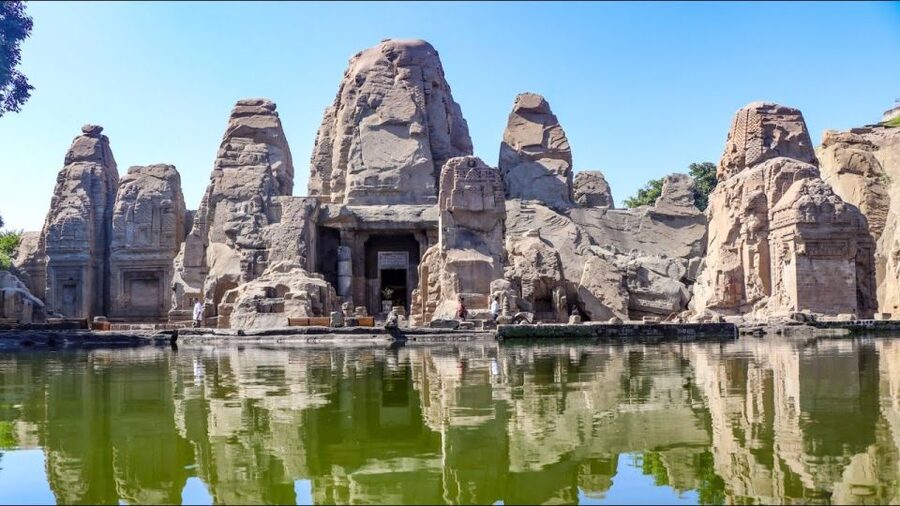
- Masroor Rock Cut Temple’s stone trio: Rama, Laxmana, and Sita in a cliff-hill setting on a pond complex
- Kangra Fort’s big historical stakes: resistance against Akbar in 1615, then subdued under Jehangir in 1620
- Brajreshwari Devi as a Shakti Peeth: the left breast of Sati legend tied to Vishnu’s chakra story
- A guided ride through Kangra Valley: viewpoints plus a village glimpse of everyday life
- Kangra market time: browsing local goods and tasting homemade lemon soda
- Private transport sized to your group: Medium car, Innova, or Tempo Traveler depending on headcount
From McLeod Ganj to Kangra: how the 6-hour route feels
This is a focused day trip built for people who want a lot of meaning in a short amount of time. The tour is designed as a loop starting and ending at your hotel in McLeod Ganj or Dharamshala, using a private car and an English-speaking guide.
In practice, the day runs like this: pickup → travel through Kangra Valley with a village pass-by → major temple complex at Masroor → drive onward to Kangra Fort area → temple stop tied to Shakti Peeth legend → a market browse → return to your hotel. The big value is that you don’t just visit places; you get the “why” behind them, tied to epic stories and real political history.
Because lunch isn’t included, you’ll want to treat this as a sightseeing day first. You may find there’s time to eat during the day, but the tour itself only promises the sites, guide, transport, and parking.
You can also read our reviews of more historical tours in Dharamsala
Masroor Rock Cut Temple: Rama, Laxmana, and Sita in stone
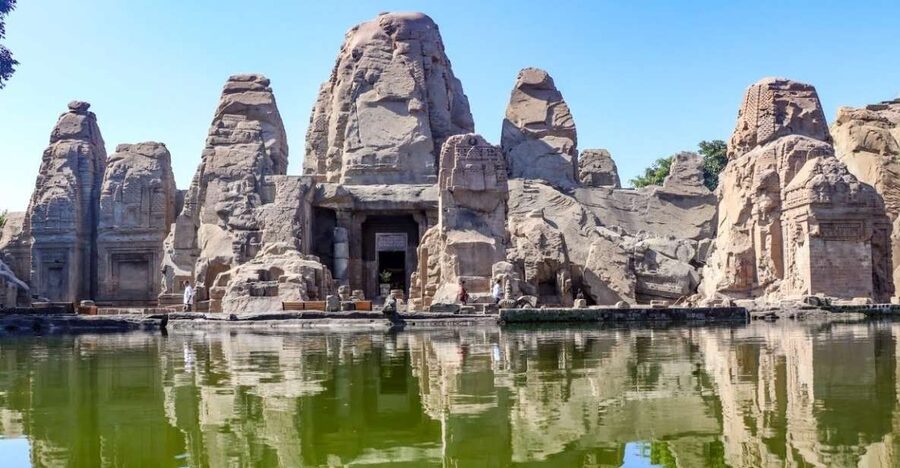
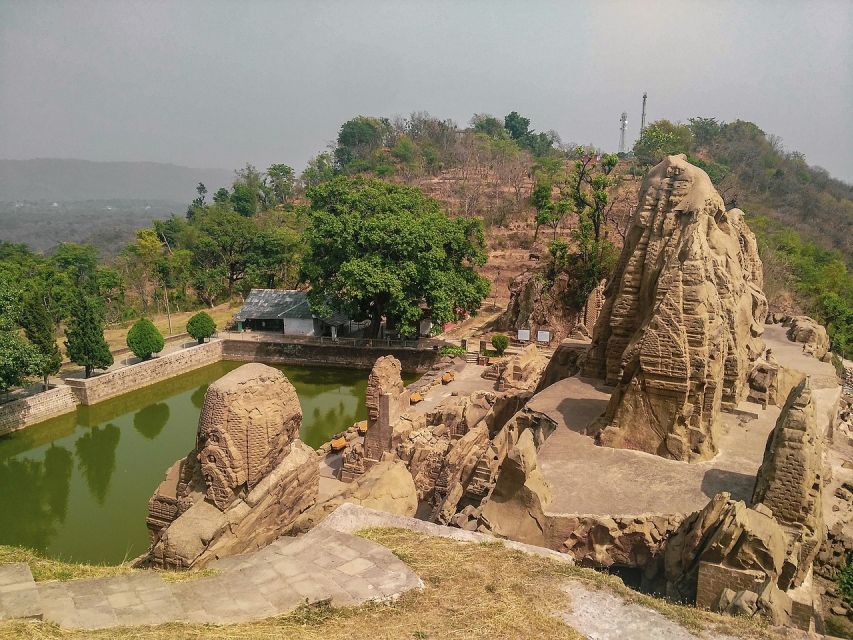
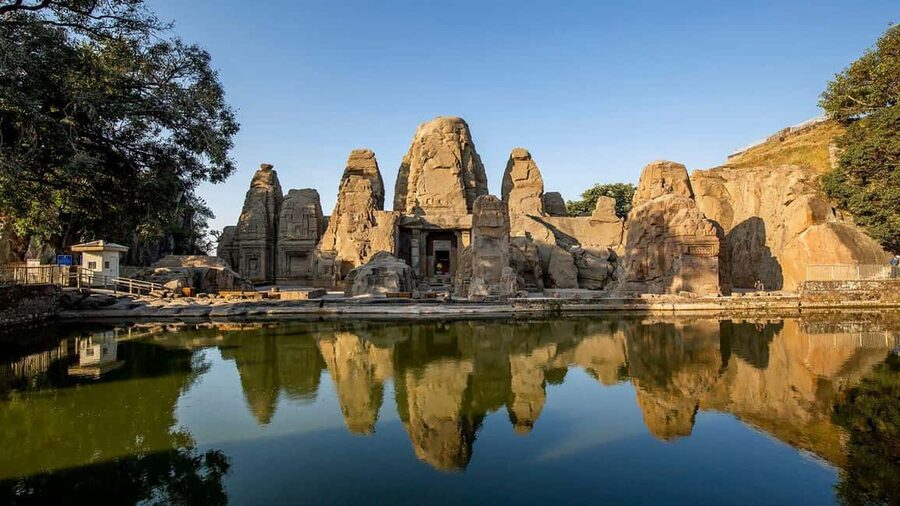
Masroor Rock Cut Temple is the first major stop, and it sets the tone fast. The complex is dedicated to Rama, Laxmana, and Sita, with stone images that Hindu devotees worship, including visitors who come from around the world.
The setting is a key part of the experience. The temple complex sits on a water pond and is built on a hill with panoramic views—so you’re not just looking at carvings, you’re also seeing the terrain spreading out beyond, including the snowy peaks of the Dhauladhar Range.
If you care about photos, this is often where the guide makes a noticeable difference. In some bookings, guides such as Hemant are specifically praised for pointing out good angles for photography. Even if you don’t chase perfect shots, it helps to know where to stand to understand the scale of the carvings from the right viewpoint.
Practical consideration: rock-cut and hilltop areas can feel slippery or uneven depending on the season and ground conditions. Keep your footing steady so you can focus on the temple itself instead of worrying about your shoes.
Kangra Fort: the Rajputs, the Katoch line, and a siege that mattered
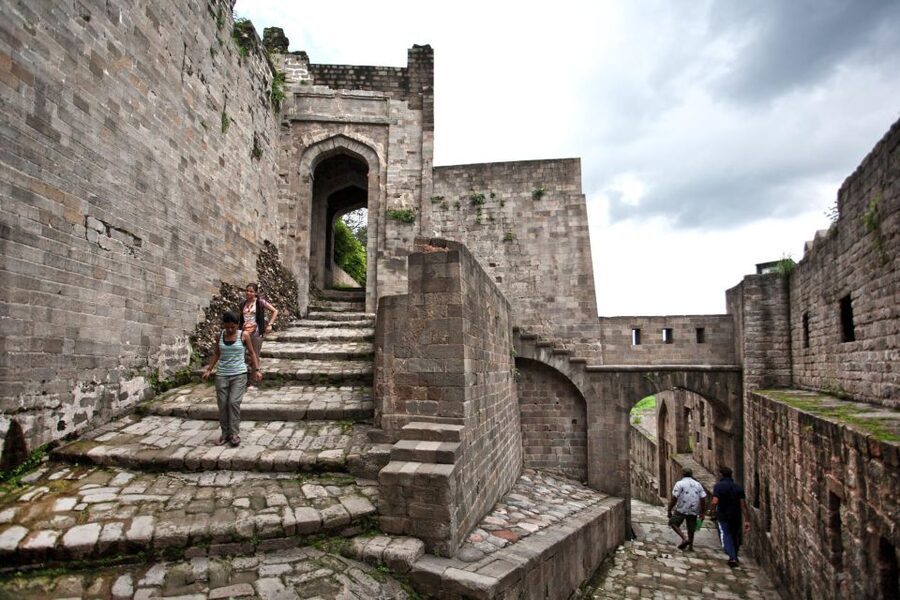
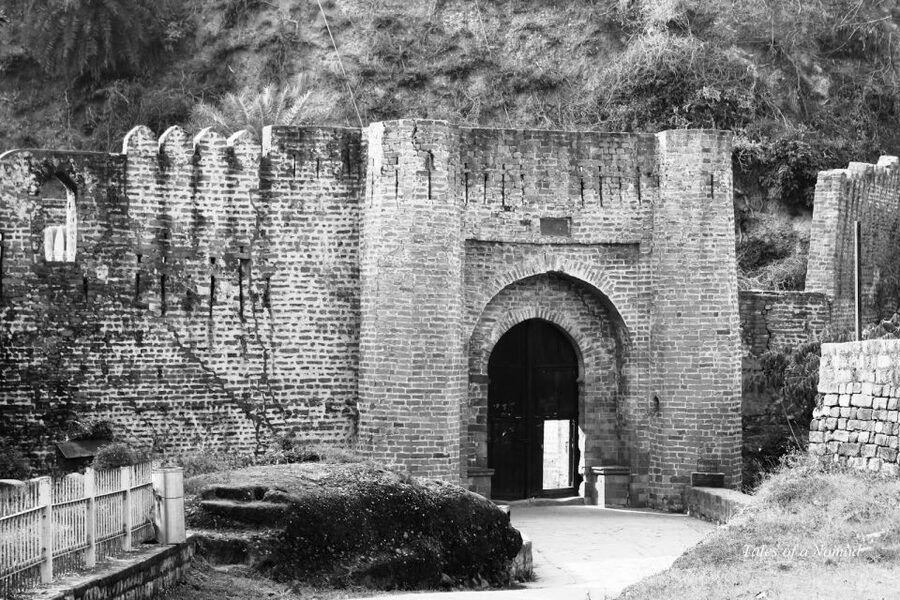
Then comes Kangra Fort, and it’s not shy about taking up space—this is one of the region’s most impressive fortified sites. The fort was built by the royal Rajput family of Kangra State, associated with the Katoch dynasty, tracing roots back to the ancient Trigarta Kingdom mentioned in the Mahabharata epic.
What I like here is how the fort connects legend and documented history without turning either into a showy pitch. You get background about the dynasty, then the big historical test: the fort resisted Akbar’s siege in 1615, and later Akbar’s son Jehangir subdued it in 1620. The story includes the forced submission of the Raja of Chamba, described as among the greatest rulers in the region.
Visually, Kangra Fort has two rewards. First, the fort structure itself—massive, old-feeling, and hard to forget once you’ve seen it. Second, when you climb or move through the fort area, you often get a better sense of why this location worked strategically: you’re looking out over the approach and the wider valley movement.
If the day’s goal is “make history make sense,” this stop delivers. If your goal is “only smooth, easy walking,” this is probably the part where you’ll feel the most effort.
Brajreshwari Devi Shakti Peeth: the Sati legend, explained on-site
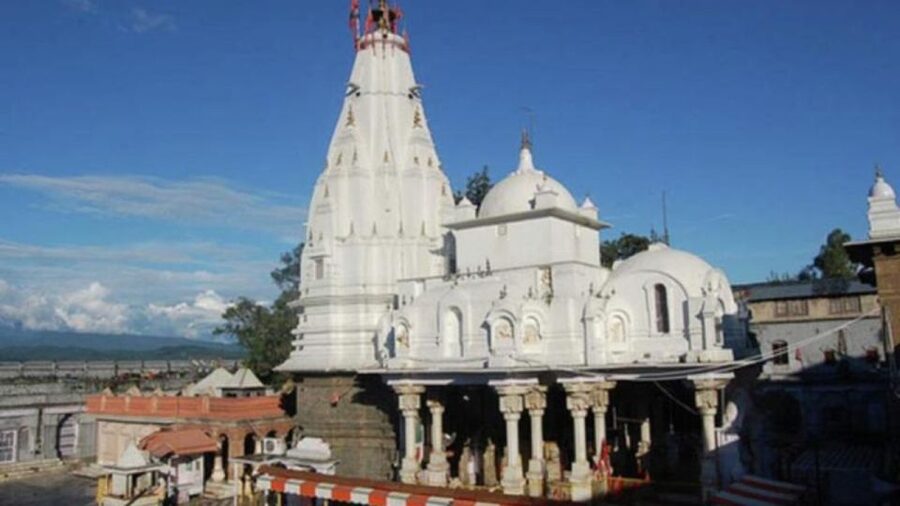
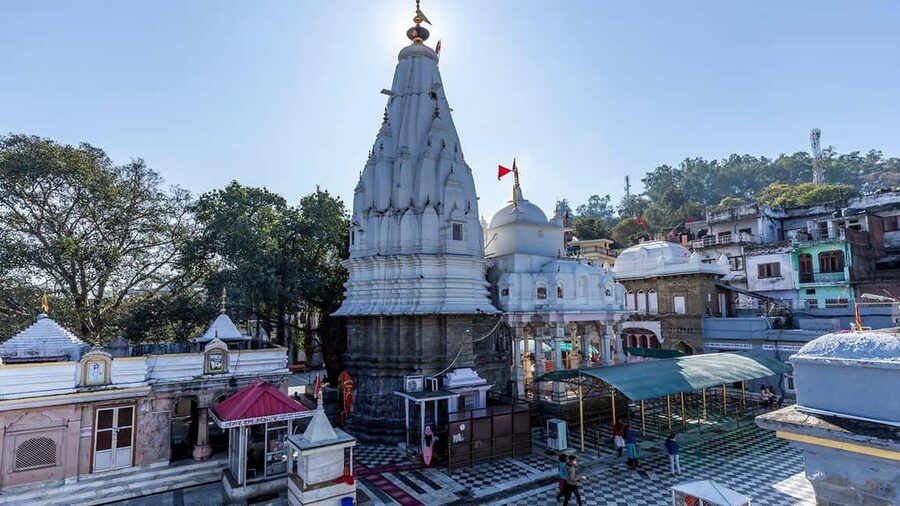
After the fort, the tour shifts into spiritual storytelling with Brajreshwari Devi Temple. The legend ties to the aftermath of Goddess Sati’s sacrifice to honor Lord Shiva in her father’s yagna. Shiva took her body on his shoulder and began Tandav, and the world was at risk of destruction.
To stop that chaos, the legend says Lord Vishnu divided Sati’s body into 51 parts with his chakra. The left breast of Sati fell at this spot, which makes it a Shakti Peeth. There’s also a second layer in the tradition: the original temple is said to have been built by the Pandavas during the Mahabharatha period.
What’s valuable for you as a visitor is that the story isn’t delivered as generic myth. It’s attached to the temple you’re standing in, which makes the symbolism feel concrete rather than abstract.
This is also a good checkpoint stop. Even if you’re not religious in the day-to-day sense, these Shakti Peeth legends give context for how the local landscape became meaningful over centuries—and why pilgrimage sites can feel like living memory, not just architecture.
Kangra market time: where your souvenirs taste like the day
The tour doesn’t end with monuments. You get time to explore the local market in Kangra for a browsing session that’s actually useful.
This is where you can pick up gifts that fit the region: local goods that make decent souvenirs. One highlight called out clearly is sampling homemade lemon soda at the market—simple, refreshing, and a nice break from temple-and-fort walking.
I like this market slot for one practical reason: it breaks up the day’s rhythm. After hills, stone, and big stories, a market pause lets your brain reset and helps you decide what you want to take home without rushing.
Tip for your comfort: markets can be busy and warm, so keep water handy if you’re out exploring longer than planned.
Guide quality can change the whole day
Because this is a guided tour, the guide shapes your experience more than you might expect. The company provides an English-speaking guide, but the writing-style delivery and depth can vary by person.
Here’s what the guide feedback suggests in a practical way:
- Guides like Onkar and Ashok are praised for detailed historical background that makes the sites easier to connect in your head.
- Hemant is noted for very good historical knowledge and also pointing out photo-friendly viewpoints.
- One booking mentions an issue: the guide didn’t always provide enough information, and the English could be less detailed, with repeating points. If you’re the kind of traveler who wants more than basics, it’s worth asking a couple of targeted questions early in the day.
Then there’s the human touch. In one experience involving Ashok, there’s mention of a roadside snack break with a pakoda vendor, and another mention includes a visit to his village and family. Those moments aren’t guaranteed as part of the tour promise, but they show that your guide may add personal local flavor when time allows.
Driver notes matter too. Manoj is specifically praised for being respectful, skilled, and careful on Dharamshala’s long and winding roads—an important detail when your day involves transfers between hills and viewpoints.
Price and logistics: what $104 buys you (and what it doesn’t)
The listed price is $104 per group (shown as up to 1 person), for a 6-hour private tour. For that, you’re getting hotel pickup and drop-off, a private car sized to your group (Medium car up to 2 pax, Innova up to 6 pax, Tempo Traveler up to 10 pax), an English-speaking guide, and parking fees.
What’s not included: monument fees and breakfast/lunch/dinner. That means you should be ready for additional payments at entry points. It also means you’ll want to plan food so your day doesn’t run on empty after the fort climb.
Value check:
- If you’re traveling solo or as a small group and want the convenience of a private car plus an English guide, this can be a solid deal.
- If you’re comparing to DIY driving, remember the guide is doing the “connective tissue” work—Mahabharata references, dynastic history, and the Shakti Peeth story—while you focus on seeing.
Also, the booking has free cancellation up to 24 hours in advance for a full refund, and a reserve now & pay later option. That’s useful if your plans in the region are still firming up.
What to wear and expect for comfort
This is not a museum-on-a-flat-floor day. You’ll handle stone steps, uneven surfaces, and hill areas at at least the rock-cut temple and the fort.
I’d treat it like a light-hike day even if you stay mostly with your guide:
- Wear footwear with good grip.
- Bring sun protection and water (especially if market time stretches).
- Keep your camera ready, because viewpoints open up at the temple and fort areas.
If your group has mobility needs, ask questions before booking about walking intensity, since the tour includes hilltop fort areas and temple compounds.
Who this Kangra history day trip suits best
This tour is ideal if you want a single day that covers multiple layers of Kangra:
- Epic-era temple connections (Mahabharata references tied to places)
- Real historical events (Akbar and Jehangir siege timeline)
- Shakti Peeth spiritual legend tied directly to the temple site
- A local market pause that’s more than a quick photo stop
It’s also a good match for people who like their guides to explain instead of just pointing. When the guide delivery clicks, stops connect in a way that makes the whole day feel like one story rather than separate locations.
If you prefer ultra-relaxed pacing with no climbs or you already know Kangra’s fort-and-temple details, you might find you want more time at fewer spots instead of hitting multiple sites in 6 hours.
Should you book this tour?
If you’re staying in McLeod Ganj or Dharamshala and want a guided, time-efficient introduction to Kangra’s most compelling spiritual and fortified sites, I’d say this is a strong pick. The combination of Masroor Rock Cut Temple’s striking setting, Kangra Fort’s political-history weight, and Brajreshwari Devi’s Shakti Peeth legend gives you three different ways to understand the region.
Book it if you want convenience plus interpretation—hotel pickup, private transport, and an English-speaking guide doing the connecting. Consider other options if you’re sensitive to stairs, hate additional entry fees, or only want a light, easy sightseeing day.
If you can, ask your guide early what style they use: more overview or deeper story details. That simple check can help you get the most out of the time you’re paying for.
FAQ
Where does hotel pickup happen?
Pickup is offered from city hotels in McLeod Ganj or Dharamshala.
Is this tour private or shared?
It’s listed as a private group tour.
How long is the tour?
The duration is 6 hours.
Which main sites are included?
You visit Masroor Rock Cut Temple, Kangra Fort, and Brajreshwari Devi Temple, plus time to explore the local market in Kangra. You’ll also pass through Kangra Valley and a local village.
Is there an English-speaking guide?
Yes, the tour includes an English speaking guide.
What transport is used?
Transport is by private car as per the itinerary: Medium car up to 2 pax, Innova up to 6 pax, or Tempo Traveler up to 10 pax.
Are monument fees included in the price?
No. Monuments fees are not included.
Are meals included?
No. Breakfast, lunch, and dinner are not included.
Is free cancellation available?
Yes. You can cancel up to 24 hours in advance for a full refund.
Is a pay-later option available?
Yes. You can reserve now and pay later.
If you’d like, tell me your group size and travel month, and I’ll suggest what to prioritize in the day and how much extra time/budget to leave for entries and food.