REVIEW · OAHU
Historical Tour of Downtown Honolulu in Red Light District
Book on Viator →Operated by Honolulu Red Light Tours · Bookable on Viator
Honolulu’s nightlife history is not what you expect. This downtown walking tour brings you face-to-face with Chinatown’s adult past, covering the working side of the city during the 1930s to 1944 years. I especially like that it hits six former brothels on a short, focused route, so you get a clear sense of how the district worked without turning it into a marathon.
The second thing I like is the human scale: the tour caps at 8 travelers, which usually means more back-and-forth with guides. In the stories I heard from Jackie and Jim, you can feel the effort to keep it grounded and not sugar-coated. One thing to consider: this is frank adult history, so if you want light entertainment, this isn’t that kind of tour.
In This Review
- Quick hits before you go
- Entering Downtown Honolulu from the Old Blaisdell
- The route: how six former brothels shape the story
- What to watch for on the walk
- 1930s to 1944: why that timeframe hits harder
- Meeting your guides: why the small group changes everything
- A practical note on language
- Pace and timing: fitting a 1-hour downtown tour into your day
- Price and value: what $60 buys for an hour
- Accessibility: what wheelchair-friendly really means here
- Sensitivity check: adult history, not a party tour
- Should you book Honolulu Red Light Tours’ downtown walk?
- FAQ
- How much does the Downtown Honolulu Historical Tour cost?
- How long is the tour?
- Where does the tour start?
- What does the tour include?
- What time period does the tour cover?
- Is the tour offered in English?
- Is it wheelchair accessible?
- How big are the groups?
- Are service animals allowed?
- What’s the cancellation policy?
Quick hits before you go
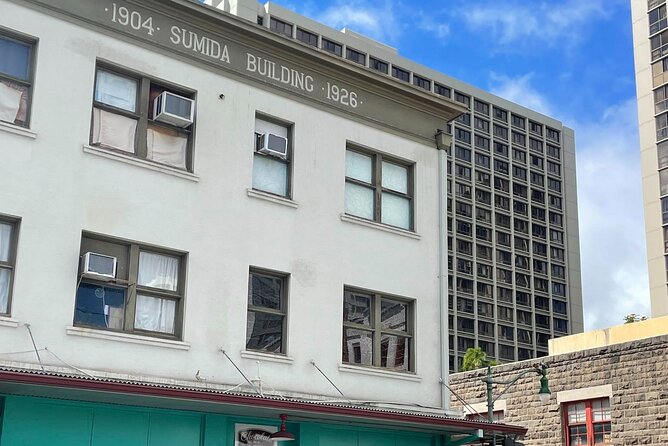
- Old Blaisdell Hotel start at 1154 Fort Street Mall, tied to the way the district was officially handled
- Six stops at former brothels so you see the district as a network, not a single street corner
- Small group size (max 8) for a tighter, more personal pace
- 1 hour walking tour with a straightforward itinerary loop back to the meeting point
- Wheelchair-friendly route with timing rules since a historic elevator stops at 4:30 PM
Entering Downtown Honolulu from the Old Blaisdell
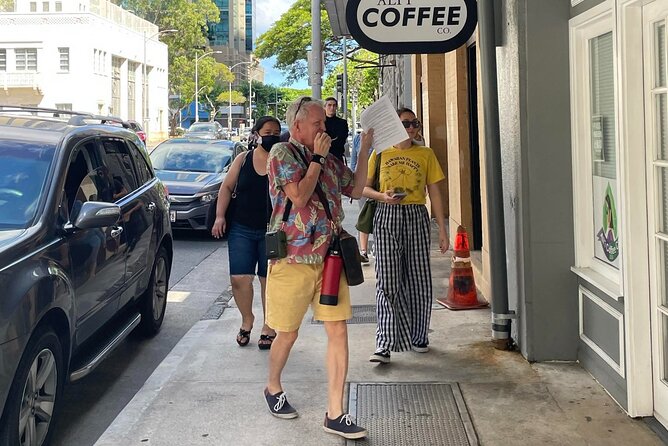
If you’ve ever walked around Downtown Honolulu and wondered what sat behind the postcards, this is the tour that answers that question. You begin at the Old Blaisdell Hotel (1154 Fort Street Mall), the kind of landmark that makes the past feel less like a textbook and more like part of the city’s bones.
What makes this start point matter is the specific connection to how the district functioned. The tour notes that working girls checked in with the Chief of Police—an detail that immediately frames the story as civic and bureaucratic, not just street rumor. That sets a tone for the walk: you’re not chasing salacious trivia. You’re learning how a system operated in plain sight.
The meeting point is also practical. It’s in the Downtown/Chinatown area with nearby public transportation, so it’s easier to fit into a day without burning time on taxis or complicated transfers. And because the activity ends right back where you started, you don’t have to plan an awkward pickup.
The route: how six former brothels shape the story
The backbone of the tour is the sequence of stops through the historic red light district. As you walk, you’ll make stops at 6 former brothels, and each building is treated like a chapter. That matters, because the district wasn’t just one place—it was many addresses that people associated with sex work, entertainment, and survival.
At each stop, you’re meant to learn the “steamy history” and the real stories tied to that structure. The goal is to show how the district operated during its best-known era in Honolulu’s Chinatown heyday of prostitution from the 1930s through 1944. You’ll get a guided sense of why these places existed, who depended on them, and how the surrounding rules and power dynamics affected daily life.
I also like how the tour uses buildings rather than vague descriptions. A street name can mean anything. A specific former address gives the story weight. It makes the history easier to picture later when you’re walking around on your own.
What to watch for on the walk
This is a short walking tour, and it’s designed to be doable for different bodies. The route is described as wheelchair friendly, and the tour specifically notes that it can accommodate wheelchairs on earlier tours because the historic elevator stops running at 4:30 PM.
So if mobility is a concern, don’t wait until the last minute. Timing can change what’s possible.
1930s to 1944: why that timeframe hits harder
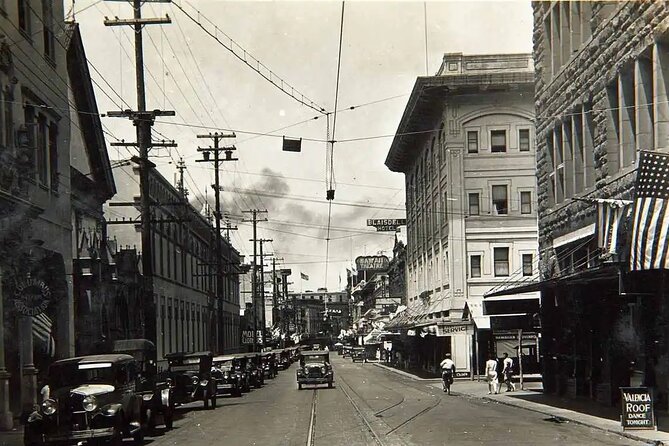
Plenty of tours cover red light districts in general terms. This one pins the story to a specific era, and that focus changes how the history lands. The period from the 1930s to 1944 includes shifting social pressures, wartime disruption, and the way economies and power play out during stressful times.
In the reviews, people describe the underside of Honolulu during WWII years as coming to life. That’s exactly the feeling this tour is aiming for: you’re not just learning dates; you’re learning how ordinary lives were shaped by the district. Even the guide approach—Jackie and Jim are named by visitors—leans toward explaining what was happening and why it mattered.
There’s also an emotional realism here. One of the strongest pieces of feedback I’m taking from this experience is the idea that the truth can be hard. The tour apparently doesn’t try to “clean up” the story into something comfortable. It highlights how people—both women and men—were affected by the rules of the system, including who held the money and the power.
If you’re the kind of traveler who likes history that makes you think rather than history that entertains politely, you’ll probably appreciate that.
Meeting your guides: why the small group changes everything
With a max of 8 travelers, the tour has a different energy than a big bus-style walking “experience.” You can hear questions. You can get clarification. The guide can adjust when someone asks a follow-up.
The reviews specifically call out Jackie and Jim as memorable guides, with visitors saying the stories felt both entertaining and educational. That combination is hard to get right. Too much entertainment can turn history into spectacle. Too much education can make it feel like memorizing a script. The better tours do both at once, and the feedback here points to guides who know how to hold attention while still teaching.
A practical note on language
The tour is offered in English. If English is your comfortable travel language, you’ll be able to follow the nuance—especially important for a topic that mixes social history, civic details, and personal stories.
Pace and timing: fitting a 1-hour downtown tour into your day
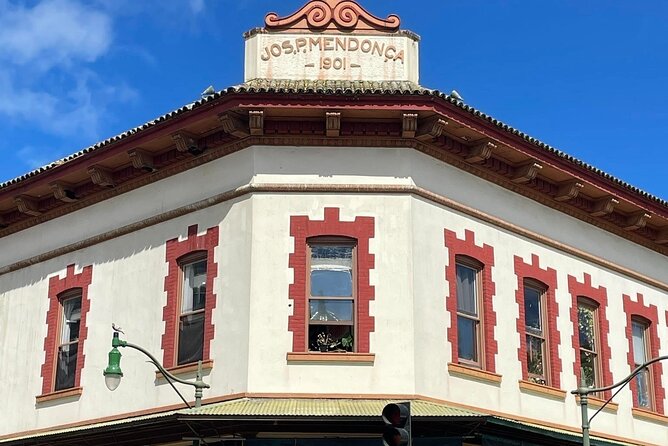
The tour runs for about 1 hour. That short duration is a real plus in Honolulu, because the city can eat your time fast—sun, traffic, and long distances between neighborhoods add up.
This length also shapes expectations. You won’t get a full textbook of Chinatown’s entire history. Instead, you get a concentrated walk through the adult side of Downtown Honolulu’s Chinatown years, using those six buildings as your anchors. It’s ideal if you want something meaningful without sacrificing your afternoon plans.
You’ll also end back at the meeting point, which is convenient for regrouping with your group or heading to dinner afterward. If you like to keep schedules tight and avoid “wandering lost in a new neighborhood” moments, this helps.
Price and value: what $60 buys for an hour
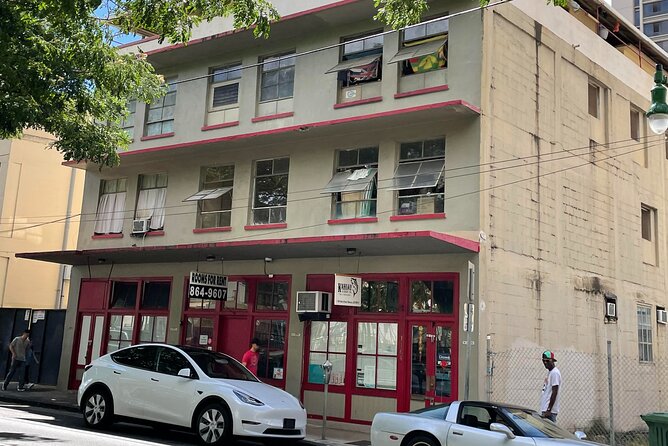
At $60 per person for about 1 hour, the value comes less from the clock and more from the format. You’re paying for:
- a guided walking route through specific historic sites
- six stop structure (not one marker and a goodbye)
- a small group size (max 8)
- and admission ticket inclusion
When a tour is short and still uses multiple stops, it usually means the guide knows what the story is and doesn’t pad the time. And with a small group, you’re more likely to get answers instead of being one voice in a crowd.
So if your priorities are real storytelling, targeted history, and a manageable time commitment, the price can feel fair. If you expect a long, deep, multi-hour history session, you might find the time limit means you’ll want another history stop afterward.
Accessibility: what wheelchair-friendly really means here
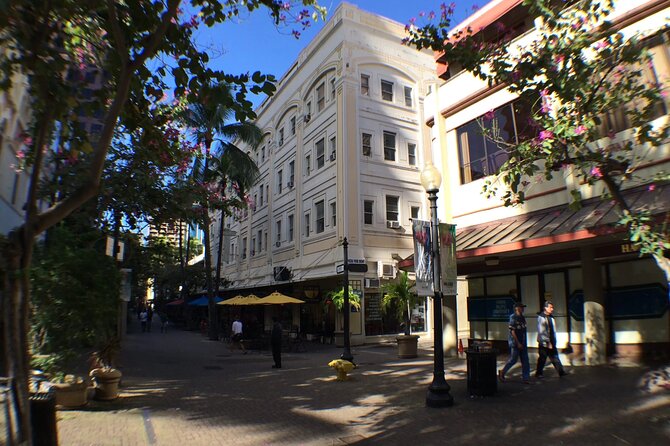
This tour makes an explicit accessibility promise: it’s designed to accommodate all physical abilities, and the entire route is wheelchair friendly. That’s encouraging, especially when many walking-history tours only say “accessible” without explaining anything.
The key caveat is the historic elevator. The tour notes that wheelchairs can be accommodated on earlier tours, because the elevator stops running at 4:30 PM. That detail matters because it affects whether certain parts of the route are practical.
If you’re planning to bring a wheelchair, my advice is simple: pick an earlier start time. Don’t assume every departure works the same way late in the day.
Sensitivity check: adult history, not a party tour
This isn’t a “nightlife” tour in the modern sense. It’s a historical walk focused on prostitution-era Chinatown, including the civic presence around the district and the human consequences of that system.
That’s why I’d frame it this way for your decision-making: if you’re comfortable with adult themes and hard stories, you’ll likely find it fascinating. If you want a purely entertaining stroll with minimal emotional weight, you may not enjoy it.
Also, the tour includes a policy note: you must be 21 to consume alcohol. That doesn’t necessarily mean the tour is focused on drinking, but it’s a good sign the operators keep things within legal guidelines. If you’re traveling with teens or you’d rather avoid alcohol-related rules entirely, you can still participate—just follow the tour’s stated requirement.
And if you’re traveling with a service animal, the tour says service animals are allowed.
Should you book Honolulu Red Light Tours’ downtown walk?
I’d book it if you like Downtown Honolulu and you want a history tour that isn’t afraid to tell the truth. The strongest reasons to go are the focus on a specific era (1930s to 1944), the structured route with six former brothels, and the personal-feeling guidance that visitors credit to Jackie and Jim.
I’d hesitate if you’re after a gentle, polished, family-friendly history experience. This is adult history with real-world consequences, and the tour appears designed to keep things honest rather than soft.
If you’re the kind of traveler who enjoys learning the stories behind the buildings you pass every day, this is exactly that kind of outing—just be prepared for a topic that doesn’t treat the past like a movie scene.
FAQ
How much does the Downtown Honolulu Historical Tour cost?
The tour is priced at $60.00 per person.
How long is the tour?
The tour runs about 1 hour.
Where does the tour start?
The meeting point is 1154 Fort St, Honolulu, HI 96813, USA.
What does the tour include?
It includes a walking route through the historic red light district, with stops at 6 former brothels, and an admission ticket included.
What time period does the tour cover?
It focuses on Honolulu Chinatown’s prostitution era from the 1930s through 1944.
Is the tour offered in English?
Yes, the tour is offered in English.
Is it wheelchair accessible?
The route is described as wheelchair friendly, but the historic elevator stops running at 4:30 PM, so wheelchair accommodation is noted for earlier tours.
How big are the groups?
The tour has a maximum of 8 travelers.
Are service animals allowed?
Yes, service animals are allowed.
What’s the cancellation policy?
You can cancel for a full refund if you cancel up to 24 hours in advance of the experience start time.